 El Salvador
About
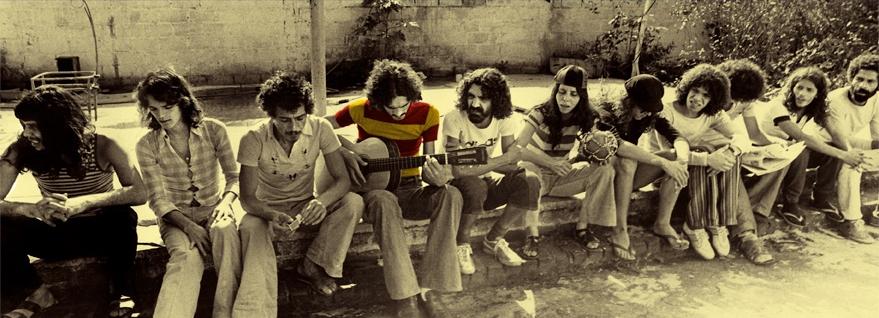
Novos Baianos are a Brazilian rock and MPB group, born in Salvador, Bahia in 1969. Their sound is a thrilling fusion of samba, bossa nova, frevo, baião, choro, and rock, all wrapped in a psychedelic and countercultural spirit. They're best known for their 1972 masterpiece Acabou Chorare, often hailed as the greatest Brazilian album ever made.
Today, the group is in a state of joyful reunion. After disbanding in 1979, they've come back for concerts multiple times, most recently with a 2025 US tour that included their first-ever shows in Chicago and Miami. Their live performances still draw devoted fans across generations, who sing along to every word.
Their legacy is huge: they're considered one of the most revolutionary groups in Brazilian music, influencing countless artists and helping define the samba-rock genre. Their music remains a testament to the power of joy as resistance.
Formation Story
The story of Novos Baianos starts in the late 1960s in Salvador, Bahia. Paulinho Boca de Cantor, a young singer with a magnetic presence, gathered a group of friends who were obsessed with Jimi Hendrix and the psychedelic rock scene. They called themselves Novos Baianos, meaning 'New Bahians,' and they wanted to rock out, but something was missing.
Their big break came when they crossed paths with the legendary João Gilberto, the father of bossa nova. Gilberto, known for his perfectionism and musical wisdom, took the young band under his wing. He famously told them to ditch the Hendrix imitations and embrace the rich rhythms of Brazil. That conversation in 1972 changed everything. The group dove deep into samba, afoxé, and baião, and out of that came Acabou Chorare, an album that would redefine Brazilian music.
The original lineup was a perfect storm of talent: Moraes Moreira on vocals and guitar, who became the main songwriter; Pepeu Gomes, a guitar wizard whose riffs were pure fire; Baby Consuelo, whose voice and stage presence earned her the nickname 'The Muse'; Paulinho Boca de Cantor, the charismatic frontman; and Luiz Galvão, the poet behind the lyrics. They were joined by the instrumental trio A Cor do Som, making the group a seven-piece powerhouse.
For a decade, they toured and recorded, becoming icons of the 1970s counterculture. But in 1979, Moraes Moreira left to go solo, and the group quietly disbanded. Their music, though, never faded. It kept inspiring new generations, from Tropicália fans to modern MPB artists.
Members
Former Members
Dadi Carvalho (Dadi Carvalho)
Bass · 1972-1979
Jorginho Gomes (Jorginho Gomes)
Cavaquinho, drums, percussion · 1972-1979
José "Baixinho" Roberto (José Roberto)
Drums, percussion · 1972-1979
Luís Bolacha (Luís Bolacha)
Percussion · 1969-1972
Sub-Units
A Cor do Som (1972)
Dadi CarvalhoJorginho GomesJosé Roberto
Musical Style
Novos Baianos built their sound on a delicious contradiction: they were a rock band that played samba. Their music mixes the electric energy of rock with the intricate rhythms of Brazilian folk traditions. You'll hear the syncopated beats of samba, the jazzy harmonies of bossa nova, the carnival bounce of frevo, and the rustic charm of baião, all woven together with psychedelic guitar lines and trippy production.
Their evolution is fascinating. Early on, they were raw psychedelic rockers, but after João Gilberto's intervention, they pivoted to a more organic, roots-based approach. Acabou Chorare (1972) captures that perfect blend: acoustic guitars, cavaquinho, and percussion create a warm, sun-drenched atmosphere, while the lyrics celebrate everyday life, love, and freedom. They weren't afraid to experiment either, dabbling in afoxé and other Afro-Brazilian rhythms.
Their lyrics, written mostly by Luiz Galvão, are poetic and playful, often drawing on the imagery of Bahia's beaches and streets. The band's philosophy was simple: music should be joyful, and joy is an act of resistance. That ethos runs through every track they recorded.
Discography
| Title | Year |
|---|---|
| Acabou Chorare | 1972 |
| É Ferro na Boneca | 1970 |
| Novos Baianos F.C. | 1973 |
| Novos Baianos | 1974 |
| Vamos pro Mundo | 1974 |
| Caia na Estrada e Perigas Ver | 1976 |
| Praga de Baiano | 1977 |
| Farol da Barra | 1978 |
| Novos Baianos (Ao Vivo) | 1974 |
| Infinito Circular (Ao Vivo) | 1978 |
Tours
US Tour 2025
2025 · 2 shows
50th Anniversary of Acabou Chorare
2022 · 1 shows
Cultural Impact
Novos Baianos didn't just make music; they changed the course of Brazilian popular music. By fusing rock with samba and other Brazilian rhythms, they helped create the genre known as samba-rock, which influenced everyone from Jorge Ben to contemporary artists like Bala Desejo. Their music became a bridge between the Tropicália movement of the late 1960s and the MPB explosion of the 1970s.
Their album Acabou Chorare is a cultural touchstone. In 2023, its 50th anniversary was celebrated with special editions and tributes, showing how deeply it still resonates. The group's influence extends beyond music into fashion and attitude. Their long hair, colorful clothes, and free-spirited vibe embodied the counterculture of their time, and they remain a symbol of artistic freedom.
Even today, their music appears in films, commercials, and playlists, and their legacy is taught in music schools. They've been cited as an influence by a wide range of artists, from Caetano Veloso to modern indie bands. Their story is a reminder that true innovation comes from honoring your roots while reaching for something new.
Fandom Culture
Novos Baianos fans are a passionate bunch, often spanning multiple generations. While they don't have a formal fandom name like some modern groups, their followers share a deep love for the band's music and philosophy. At concerts, you'll see people of all ages singing along, dancing, and even shedding tears of joy.
The band's social media, especially Instagram, keeps fans connected with photos and videos from their reunions. When they announced their 2025 US tour, fans who had waited decades for a chance to see them live were ecstatic. The Chicago show at Millennium Park was a historic moment, and the Miami gig at ZeyZey was packed with emotional fans.
Fan projects often involve celebrating the anniversaries of their classic albums. For the 50th anniversary of Acabou Chorare, fans organized listening parties and tribute events, sharing their favorite tracks online. There's a sense of community among Novos Baianos fans, a shared appreciation for music that makes you feel alive.
Awards & Accolades
View 2 records, honours and achievementsMilestones
Group formed in Salvador, Bahia
Debut album 'É Ferro na Boneca' released
Released 'Acabou Chorare', considered their masterpiece
Disbanded after Moraes Moreira left
First reunion concert
Reunion tour
Reunion live stream in tribute to Moraes Moreira
First US tour, including Chicago and Miami
Trivia
The group's name translates to 'New Bahians,' a nod to their home state of Bahia.
João Gilberto's intervention was a game-changer. He reportedly told them to stop imitating Hendrix and start playing Brazilian music, which led directly to Acabou Chorare.
Moraes Moreira left the group in 1979, which triggered their disbandment. He went on to a successful solo career, releasing over 20 albums.
Baby Consuelo later reinvented herself as Baby do Brasil and became a prominent figure in Brazilian gospel music.
In 2020, a satirical tribute album called Baiano e Os Novos Caetanos was released, parodying both Novos Baianos and Caetano Veloso.
Keywords
Sources
Quick Facts
- Formed
- 1969
- Origin
- Salvador, Bahia, Brazil
- Genres
- psychedelic rock, MPB, samba
- Status
- Active (reunion)
Group Info
- Formed
- 1969
- Debut
- 1970
- Debut Song
- É Ferro na Boneca
- Origin
- Salvador, Bahia, Brazil
- Status
- Disbanded (1979)
Social Media
Also Known As
Join the community
fans discussing