 Japan
JapanAbout
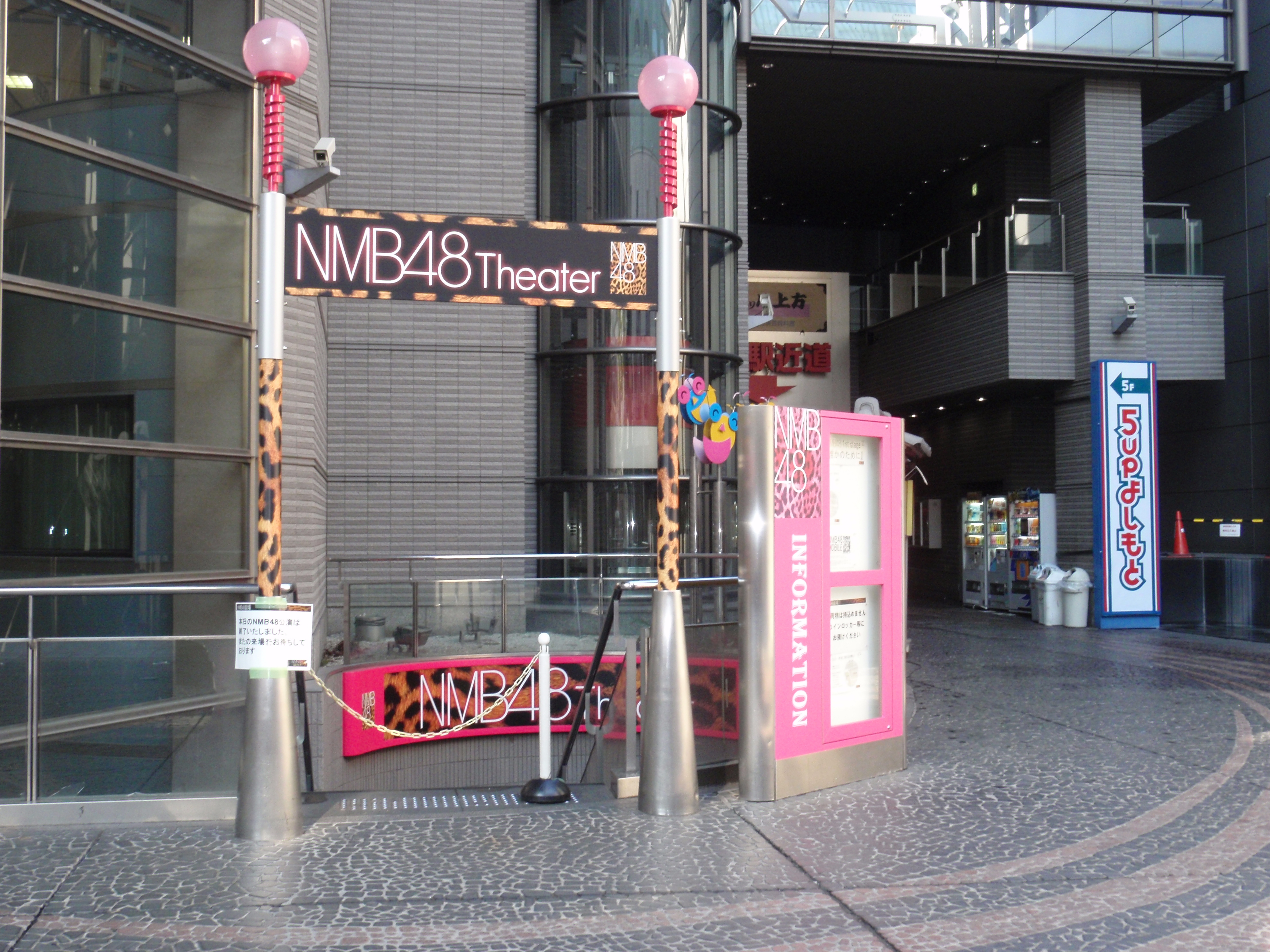
As of late 2026, NMB48 stands as a vibrant force in the Japanese idol landscape, operating with a current roster of approximately 35 active members and 10 trainees. The group continues to perform daily at their dedicated theater in the basement of the Yes-Namba Building, a unique venue that anchors their identity to the bustling Namba district of Osaka. They are known for blending standard J-pop idol aesthetics with a distinct Kansai flavor, often incorporating local dialects and references to Osaka food and culture into their performances.
Their commercial success is undeniable, having sold over 9 million CDs across their career. This sales figure places them among the top-selling groups in the franchise's history. The group's sound has evolved from the high-energy pop of their early years to incorporate more mature themes and diverse musical styles, yet they retain the core charm that connects them to their fanbase. Members rotate through various roles such as Center, Leader, and Visual depending on the single release and election results, keeping the lineup dynamic and engaging.
Formation Story
The journey began in 2010 when producer Yasushi Akimoto launched auditions for a new sister group based in Osaka. Thousands of young women applied, hoping to join the franchise that was already dominating the music charts. From this massive pool, the first generation of members was selected after undergoing rigorous training in singing, dancing, and variety show skills. These trainees spent months preparing before they were finally ready to step onto the stage.
On October 19, 2011, NMB48 made their formal debut with the single Zetsumetsu Kurokami Shoujo (Black-Haired Girl). The title track quickly climbed the Oricon charts, reaching number one and signaling that the group had arrived. The name NMB48 directly references the Namba district where they reside, cementing their connection to the local community. Unlike other groups that might rely solely on touring, NMB48 established a permanent base in the basement of the Yes-Namba Building, allowing fans to see the members perform almost every day. This proximity helped them build a loyal following in the Kansai region immediately after their debut.
Members
Former Members
Reina Fujie (Fujie Reina)
Captain · 2011-2013
Ayaka Umeda (Umeda Ayaka)
Captain · 2013-2016
Asuka Kuramochi (Kuramochi Asuka)
Captain · 2016-2018
Sayaka Yamamoto (Yamamoto Sayaka)
Captain · 2018-2018
Natsumi Matsuoka (Matsuoka Natsumi)
Captain · 2018-2020
Rino Sashihara (Sashihara Rino)
Special Captain · 2016-2018
Mizuta Shiori (Mizuta Shiori)
Vocalist · 2012-2025
Fuko Yagura (Yagura Fuko)
Member · 2014-2026
Sub-Units
Team N (2011-present)
Rotating lineup
Team M (2011-2014)
Rotating lineup
Team BII (2011-2014)
Rotating lineup
Musical Style
NMB48's musical identity has shifted significantly since their debut in 2011. In their early years, the group focused on upbeat, energetic pop songs designed to showcase their synchronized dance routines and youthful energy. Tracks like Bokura no Eureka and Gagaga defined this era with catchy hooks and bright visuals. The lyrics often reflected the optimism and excitement of youth, perfectly matching the group's image.
As the members matured, the sound evolved to include more complex arrangements and darker lyrical themes. By the mid-2010s, the group began experimenting with hip-hop influences and ballad styles, reflecting the changing tastes of the audience and the personal growth of the idols. Recent releases continue to blend traditional idol pop with modern production techniques, occasionally incorporating electronic and rock elements. A defining characteristic of their style remains the use of Kansai-ben (Osaka dialect) in certain songs and interviews, which distinguishes them from their Tokyo-based peers and reinforces their regional pride.
Discography
| Title | Year |
|---|---|
| Zetsumetsu Kurokami Shoujo | 2011 |
| Bokura no Eureka | 2012 |
| Gagaga | 2012 |
| Amagurumi | 2012 |
| Nagiichi | 2013 |
| Virginity | 2013 |
| Kitagawa Kenji | 2014 |
| Oh My God! | 2014 |
| Koi Nanka No thank you! | 2014 |
| Kimi wa Melody | 2015 |
| Uchouten LOVE | 2016 |
| Dare ga Tame ni Kimi wa Aru no ka? | 2016 |
| Shiroi Ringo | 2017 |
| Te wo Tsunaginagara | 2013 |
| Sekai no Chuushin wa Osaka ya ~Namba Ayaya~ | 2015 |
| Tadaima Renaichuu | 2018 |
| Seishun Girls | 2020 |
| Rashikunai | 2026 |
Tours
Asia Tour 2018
2018 · 15 shows
National Live House Tour
2019 · 20 shows
Cultural Impact
NMB48 played a pivotal role in expanding the idol phenomenon beyond Tokyo. Before their formation, the industry heavily favored capital-based groups, but NMB48 proved that a localized group could achieve national fame. Their success inspired the creation of other regional sister groups like HKT48 and SKE48, demonstrating the viability of the "regional idol" model. The group revitalized the entertainment scene in the Namba district, drawing tourists and locals alike to their theater.
Members of NMB48 have also crossed over into acting, variety shows, and fashion, becoming versatile entertainers. The group's emphasis on local culture has influenced how other idol groups approach their regional identities. Their ability to maintain a strong presence despite the competitive nature of the Japanese music industry serves as a testament to their resilience and the dedication of their fanbase.
Fandom Culture
The official fandom name is simply "NMB48 Fans," though supporters often refer to themselves as "NMBers." The group's fan color is pink, and fans use light sticks during concerts to create a sea of color that matches the group's aesthetic. A major tradition within the fandom is the handshake event held after each single release, where fans get a chance to interact personally with the members. The annual General Election is another key event, where fans purchase singles to vote for their favorite members, determining the center position for the next single.
Fan projects often focus on supporting members during graduations or celebrating anniversaries. The community is known for its loyalty and creativity, organizing events and campaigns to support their idols both domestically and internationally. The inclusion of international members like Lee Siyeon has further expanded the fandom's global reach.
Awards Won (24)
NMB48 has secured numerous awards throughout their career, primarily within the Japanese music industry. They have won multiple Japan Gold Disc Awards for Best 5 Albums and New Artist of the Year. The group has also taken home MTV Video Music Awards Japan honors for Best New Artist and Best Dance Video. Billboard Japan Music Awards recognized them with Hot 100 Song of the Year and Top Artist awards. Their consistent chart performance has led to wins at the Japan Cable Broadcasting Awards as well.
Hot 100 Song of the Year
for: Oneness
Top Artist
for: Tadaima Renaichuu
Hot 100 Song of the Year
for: Kitagawa Kenji
Best Dance Performance
for: NMB48 Best Album
Best Group Video
for: Seishun Girls
Best Dance Video
for: Uchouten LOVE
Best New Artist
for: Nagiichi
New Artist of the Year
for: Various Singles
Best 5 Singles
for: Dare ga Tame ni Kimi wa Aru no ka?
Best 5 Albums
for: Te wo Tsunaginagara
Milestones
Auditions held for first generation members
Official debut with Zetsumetsu Kurokami Shoujo
First album reached #1 on Oricon charts
Rino Sashihara joined as special captain
Sayaka Yamamoto's farewell concert and Asia tour
Lee Siyeon joined as 7.5 generation member
Mizuta Shiori announced graduation
Mako Sakashita secures TV marathon victory
Trivia
The NMB48 Theater is located in the basement of the Yes-Namba Building, making it a hidden gem in the busy Namba district., Members frequently speak in Kansai-ben (Osaka dialect) during performances and interviews to emphasize their regional identity., The group has cycled through 181 original members across 11 generations since their formation in 2010., In 2026, member Mako Sakashita secured a historic television marathon victory months after a dramatic collapse., Fuko Yagura gained viral attention in 2026 for a humorous incident involving a meal at Komeda's Coffee.
Keywords
Sources
Quick Facts
- Formed
- 2010
- Origin
- Osaka, Japan
- Label
- Yoshimoto Music, Universal Sigma
- Genres
- J-pop, Pop, Dance
- Members
- Approximately 35 active members
- Status
- Active
- Debut Single
- Zetsumetsu Kurokami Shoujo
- Total CD Sales
- Over 9 million units
Group Info
- Fandom
- NMB48 Fans
- Formed
- 2010-07-01
- Debut
- 2011-10-19
- Debut Song
- Zetsumetsu Kurokami Shoujo
- Origin
- Osaka, Japan
- Company
- Yoshimoto Kogyo
- Label
- Universal Sigma
- Fan Color
- Pink
- Lightstick
- NMB48 Official Light Stick
- Status
- Active
Also Known As
Join the community
fans discussing