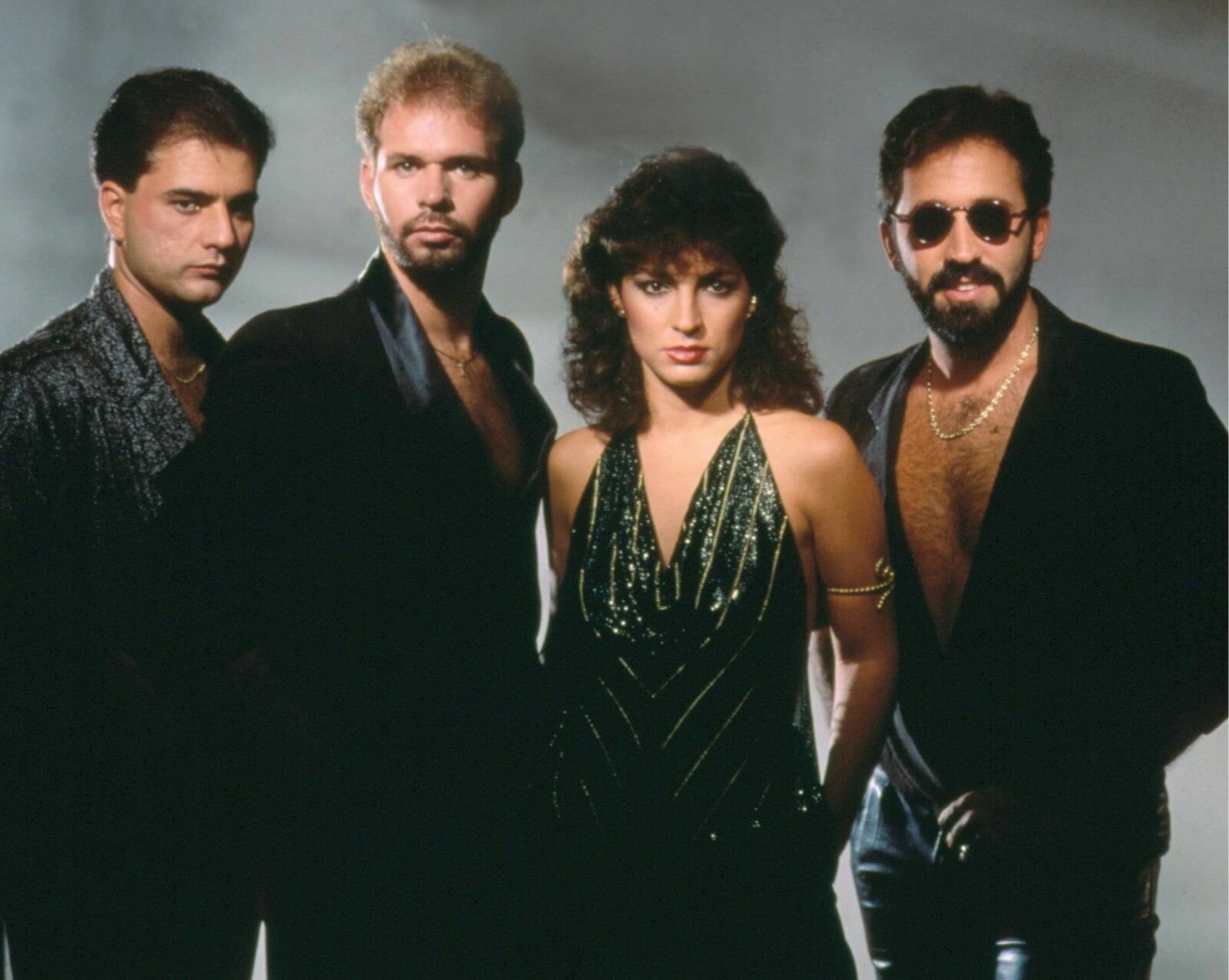
Miami Sound Machine
 United States
The Latin pop pioneers who brought salsa to the mainstream
2
Members
About
By the late 1980s, Miami Sound Machine stood as the definitive voice of Latin crossover music. They sold millions of records globally and headlined major arenas across North America and Europe. The group's identity was tightly bound to the charismatic presence of Gloria Estefan, whose powerful vocals and stage energy defined their live performances. While the lineup fluctuated over the years, the core mission remained consistent: bridging the gap between Latin traditions and American pop culture.
The band ceased releasing material under its own name in 1989 following the success of the album Hold Me, Thrill Me, Kiss Me. Subsequent releases were credited solely to Gloria Estefan, marking a strategic shift to focus on her individual artistry. Despite the dissolution of the collective entity, the band's influence persists through their extensive catalog and the enduring popularity of their hits.
Formation Story
Emilio Estefan founded the group in 1975 after moving to Miami from Cuba. He initially named the ensemble the Miami Latin Boys to reflect their roots and the local Cuban-American scene. Early performances took place at small venues around South Florida, where they played a mix of rock, salsa, and merengue. The band functioned as a rotating collective of session musicians rather than a fixed roster.
Gloria Fajardo joined the group shortly after Emilio met her in 1975. She started as a backup dancer and vocalist before stepping up as the lead singer in 1977. That same year, the band officially rebranded as Miami Sound Machine to signal a broader musical ambition. The late 1970s saw frequent personnel changes as they refined their sound and sought a breakthrough.
The turning point arrived with the 1985 release of Primitive Love. This album introduced English-language lyrics alongside Latin rhythms, capturing the attention of mainstream American radio. Hits like Conga propelled them onto the world stage. By 1987, the band had fully embraced a polished pop production style with the album Let It Loose. The massive commercial success of this era led to the repackaging of the album as Anything for You for international markets. The momentum continued until 1989, when the decision was made to transition to a solo project for Gloria.
Members
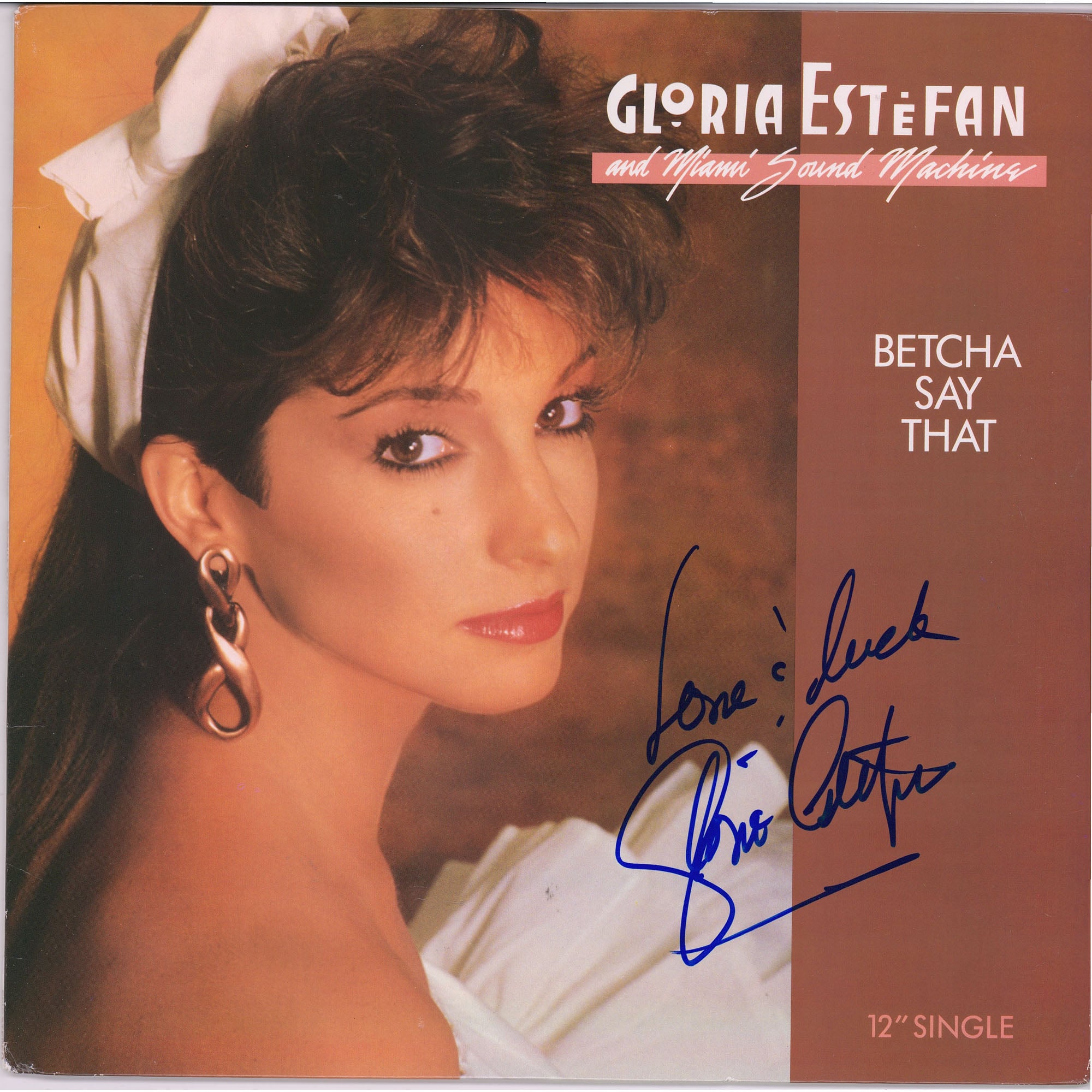
Former Members
Nicky Estefan (Nicanor Estefan)
Percussion / Backing Vocals · 1975–1989
Michael Bono (Michael Bono)
Saxophone · 1977–1989
Oscar Garcia (Oscar Garcia)
Trumpet · 1977–1989
Rafael Negrete (Rafael Negrete)
Guitar · 1977–1989
Rickie Soto (Rickie Soto)
Bass · 1977–1989
Musical Style
Their early work in the 1970s relied heavily on traditional Latin genres such as salsa and merengue mixed with rock elements. The sound was localized and catered primarily to the Cuban-American community in Miami. As they moved into the 1980s, the band began incorporating more funk, disco, and R&B influences into their arrangements.
The 1985 album Primitive Love marked a pivotal shift toward a polished, English-language pop sound while retaining strong Latin percussion. This era helped define the Latin pop genre for mainstream audiences. Tracks like Conga blended upbeat dance rhythms with brass sections and synthesizers. Later albums like Let It Loose and Anything for You leaned further into adult contemporary pop and balladry, utilizing heavy synthesizer production and smooth vocal harmonies.
Discography
| Title | Year |
|---|---|
| Miami Latin Boys | 1975 |
| Live | 1977 |
| Hot! Hot! Hot! | 1978 |
| De la Calle al Escenario | 1979 |
| Primer Impacto | 1980 |
| Contrapunto | 1981 |
| Salsa Soul | 1982 |
| Love and Passion | 1983 |
| Primitive Love | 1985 |
| Bad Boy | 1985 |
| Young Love | 1986 |
| Let It Loose | 1987 |
| Anything for You | 1988 |
| Hold Me, Thrill Me, Kiss Me | 1989 |
Tours
Primitive Love Tour
1985 · Unknown shows
Let It Loose Tour
1987 · Unknown shows
Anything for You Tour
1988 · Unknown shows
Cultural Impact
Miami Sound Machine broke down barriers for Latin artists in the United States. They proved that Spanish-influenced music could dominate English-language radio stations without requiring full translation. Their success paved the way for future stars like Shakira, Jennifer Lopez, and Ricky Martin. The band's fashion sense also became iconic, with Gloria Estefan's bold styles influencing 1980s trends.
Their impact extended beyond music into cultural diplomacy. Gloria Estefan later served as a goodwill ambassador for the US Department of State, highlighting the group's role in fostering cross-cultural connections. The story of the band inspired the Broadway musical On Your Feet!, which celebrated their journey and received critical acclaim.
Fandom Culture
Fans during the 1980s did not have an official fandom name or lightstick system like modern K-pop groups. Instead, supporters were often referred to simply as fans of Gloria Estefan or the Miami Sound Machine. The fanbase was characterized by a deep appreciation for Latin culture and the high-energy nature of the band's live shows. Concerts often featured elaborate choreography and audience participation, creating a shared experience that united diverse crowds.
Awards Won (10)
Miami Sound Machine won multiple Billboard Music Awards during their peak years, including Top Latin Artist and Top Latin Single honors. Their contributions to the industry were recognized with induction into the Latin Grammy Hall of Fame. Gloria Estefan's solo work, which grew directly out of the band's success, earned numerous Grammy Awards, reflecting the group's foundational impact on Latin music.
Induction
for: Conga
Best Tropical Latin Album
for: Abriendo Puertas
Top Latin Albums
for: Anything for You
Top Latin Singles
for: Let It Loose
Favorite Pop/Rock Female Artist
for: Gloria Estefan
Milestones
Formed as the Miami Latin Boys
Rebranded as Miami Sound Machine; Gloria Estefan becomes lead vocalist
Release of Primitive Love; Conga becomes a global hit
Release of Let It Loose; Rhythm Is Gonna Get You hits #3
Anything for You reaches #1 on Billboard Hot 100
Don't Wanna Lose You reaches #1; band transitions to solo career
Trivia
Keywords
Sources
Quick Facts
- Formed
- 1975
- Origin
- Miami, Florida
- Status
- Disbanded
- Total Albums
- 13
- Global Sales
- Over 100 million
Group Info
- Formed
- 1975
- Debut
- 1975
- Debut Song
- Miami Latin Boys
- Origin
- Miami, Florida, United States
- Company
- Epic Records
- Label
- Epic Records
- Status
- Disbanded (1989)
Also Known As
Join the community
fans discussing