 Lebanon
About
Mashrouʿ Leila was an indie rock band from Beirut, Lebanon, active from 2008 to 2022. They are known for their fusion of Western rock with traditional Arabic sounds and their bold, socially conscious lyrics. The band released four studio albums and an EP, gaining international recognition and a devoted fanbase.
As of 2022, the band is disbanded. The members have pursued individual projects, but the group's legacy continues to influence a new generation of Arab musicians. Their music remains popular on streaming platforms, with millions of monthly listeners.
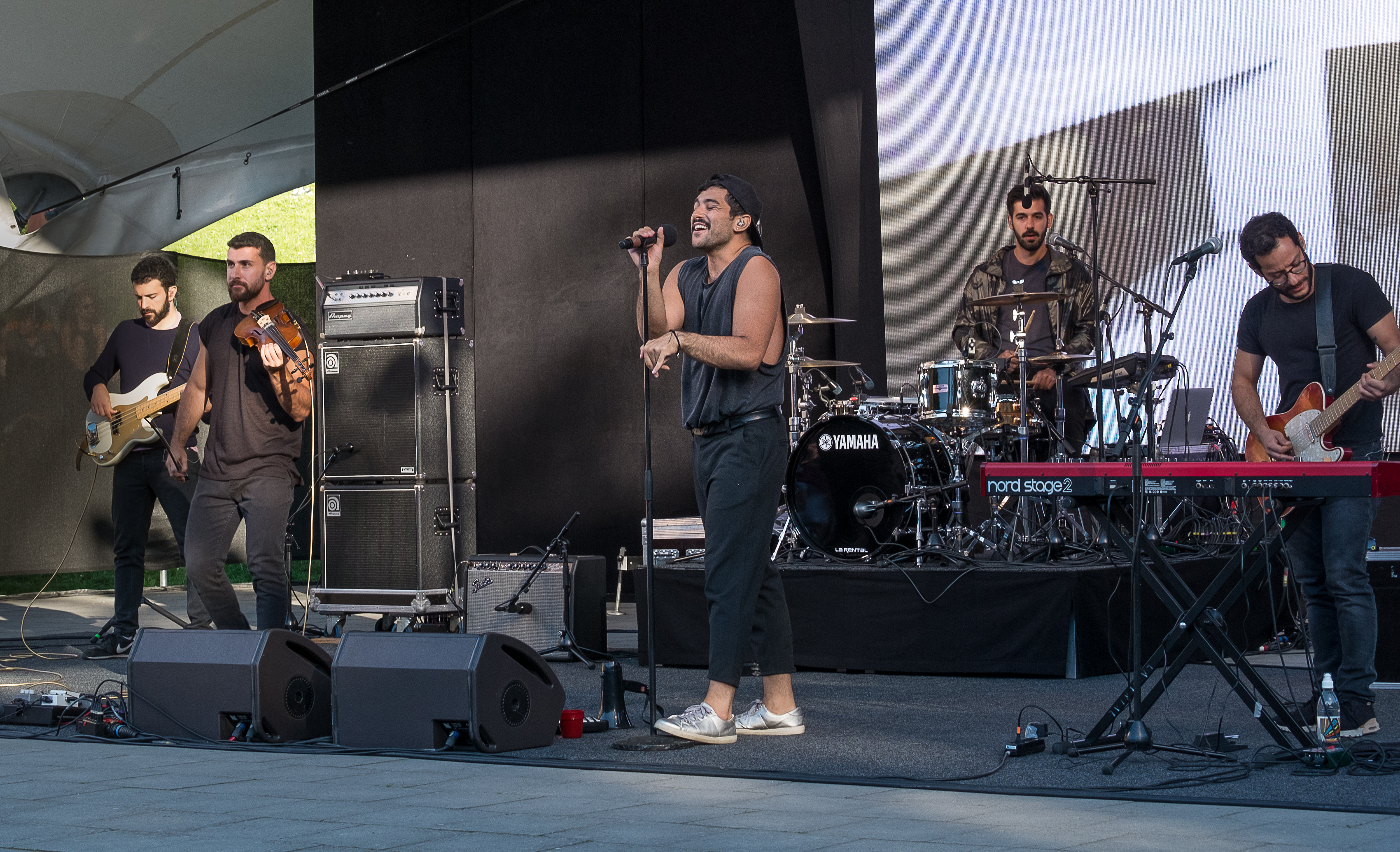
Fans, who call themselves Leilites, remember the band for their electrifying live performances and their unapologetic stance on LGBTQ+ rights and political freedom. Mashrouʿ Leila's impact extends beyond music into activism and cultural representation.
Formation Story
Mashrouʿ Leila started in 2008 as a music workshop at the American University of Beirut. A group of students, including Hamed Sinno (though he later left) and Hussein al-Jisr, gathered to jam and experiment with sounds. The name translates to "Project of One Night," reflecting the transient nature of their early sessions.
They began performing live in 2009, and their self-titled debut album dropped the same year. The band's raw energy and poetic lyrics quickly caught attention in Beirut's underground scene. They released the EP El Hal Romancy in 2011, which gained traction online.
Their breakthrough came with the 2013 album Raasük, featuring the viral hit "Lil Watan." The song became an anthem during the Arab Spring, and the band's popularity soared. They toured internationally, playing at major festivals like Primavera Sound and Sziget.
By 2015, Ibn El Leil solidified their status as global indie stars. The album tackled queer identity and social hypocrisy, earning critical acclaim. However, their outspokenness also made them targets of conservative backlash.
The band released their final album, The Beirut School, in 2019, reflecting the turmoil of Lebanon's economic crisis. In June 2022, they announced their disbandment, citing relentless harassment and death threats that made it impossible to continue.
Members
Musical Style
Mashrouʿ Leila's sound evolved from raw indie rock to a more polished, experimental fusion. Their early work was lo-fi and guitar-driven, drawing from Arcade Fire and Radiohead. As they progressed, they incorporated electronic elements and traditional Middle Eastern instruments like the oud and qanun.
Their lyrics, sung in Lebanese Arabic, were poetic and often political, exploring themes of love, existentialism, and social critique. Songs like "Cavalry" and "Radio Romance" showcased their knack for blending catchy melodies with deep meaning.
On Ibn El Leil, they experimented with Arabic pop structures and synth-heavy arrangements, while The Beirut School delved into darker, more abstract territory. Throughout, their music remained distinctly their own, challenging the dominance of commercial pop in the region.
Discography
| Title | Year |
|---|---|
| The Beirut School | 2019 |
| Ibn El Leil | 2015 |
| Raasük | 2013 |
| El Hal Romancy | 2011 |
| Mashrouʿ Leila | 2009 |
Tours
Ibn El Leil World Tour
2015
The Beirut School Tour
2019
Cultural Impact
Mashrouʿ Leila is widely regarded as the most influential band in modern Arab history. They broke taboos around homosexuality, atheism, and political dissent, giving voice to marginalized communities. Their music became a soundtrack for the Arab Spring and subsequent protests.
They proved that indie rock with socially conscious lyrics could achieve mass popularity in the Arab world, inspiring a wave of independent artists. Their international success also brought global attention to the region's alternative music scene.
Their disbandment highlighted the severe consequences of state-sponsored homophobia and censorship. Yet their legacy endures, with their songs still used as anthems for freedom and equality.
Fandom Culture
Mashrouʿ Leila fans, known as Leilites, are a passionate and dedicated community. They organize flash mobs, sing along in unison at concerts, and use the band's lyrics as slogans for social justice protests. The band's black-and-white aesthetic is often reflected in fan art and merchandise.
There is no official lightstick, but fans have created their own symbols, like the crescent moon from "Cavalry." The fandom is known for its inclusivity, embracing fans of all backgrounds and sexual orientations.
Notable fan moments include the massive sing-along of "Lil Watan" at their 2019 Beirut concert, and the global outpouring of support when the band announced their disbandment.
Awards Won (3)
Mashrouʿ Leila received critical acclaim and several awards despite facing barriers in mainstream Arab ceremonies. They won Best Alternative Album and Best Lyricist at the Arab Music Awards for Ibn El Leil, and were named Band of the Year by regional publications. They also won Best Independent Band at the Beirut International Film Festival.
Best Alternative Album
for: Ibn El Leil
Best Lyricist
for: Ibn El Leil
Best Independent Band
for: Documentary contribution
Milestones
Formed at the American University of Beirut
Released debut album 'Mashrouʿ Leila'
Released 'Raasük' and viral hit 'Lil Watan'
Released 'Ibn El Leil' and gained global recognition
Released final album 'The Beirut School'
Disbanded in June
Trivia
Mashrouʿ Leila's name translates to "Project of One Night," a nod to the fleeting nature of youth and the idea of a temporary escape. They sang primarily in Lebanese Arabic, with occasional English phrases.
The band members were all students or alumni of the American University of Beirut, and they formed as an extracurricular workshop rather than through formal auditions. Their song "Cavalry" gained international attention and was later released in an English version.
Despite their fame, they never signed with a major label, maintaining complete creative independence. Their music videos, particularly "Lil Watan" and "Cavalry," have accumulated over 50 million views combined on YouTube.
Keywords
Sources
Quick Facts
- Type
- Rock Band
- Formed
- 2008
- Origin
- Beirut, Lebanon
- Genres
- indie rock, alternative rock, pop music
- Status
- Disbanded (2022)
Group Info
- Fandom
- Leilites
- Formed
- 2008
- Debut
- 2009
- Debut Song
- Fasateen
- Origin
- Beirut, Lebanon
- Label
- Independent
- Fan Color
- Black and White
- Status
- Disbanded (2022-06)
Social Media
Also Known As
Join the community
fans discussing