 Peru
PeruAbout
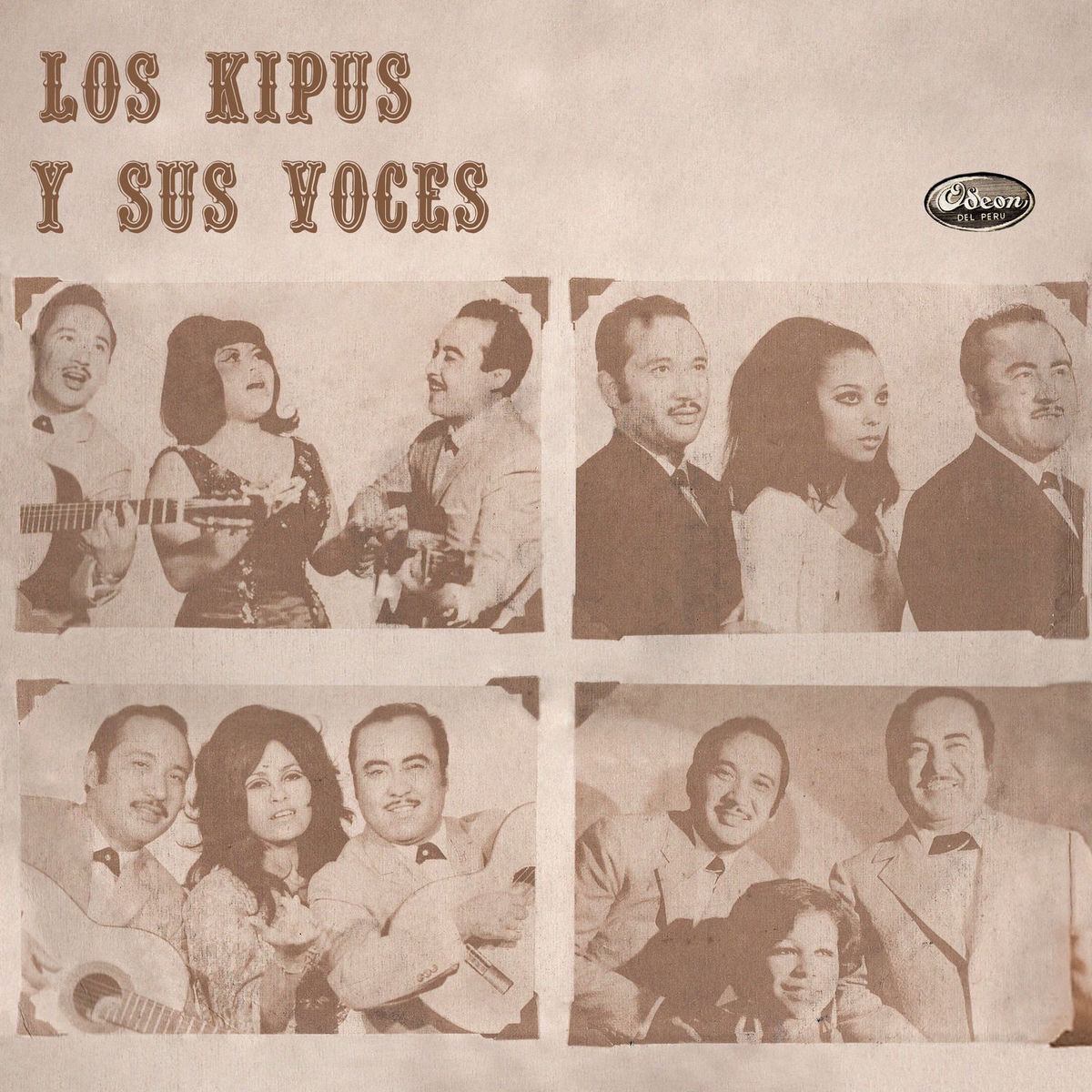
Los Kipus stands as an enduring and pivotal force in Peruvian music, celebrated for their profound connection to the música criolla genre, particularly the elegant vals criollo. Formed in Lima in 1959, the group has cultivated a legacy spanning over six decades, marked by consistently high-quality performances and a deep respect for their musical roots. Their extensive discography is primarily built upon masterful interpretations of the vals criollo, a beloved musical style that forms the heart of their sound. Over the years, Los Kipus has been graced by a succession of talented female vocalists, each contributing their unique vocal texture and artistic flair while preserving the ensemble's characteristic essence. Notable figures who have lent their voices to the group include Eva Ayllón, who performed with them from 1973 to 1975, as well as other significant artists such as Zoraida Villanueva, Charo Alonso, and Pilar Valdivia. The group's name itself, 'Kipus' or 'Quipus,' subtly references the ancient Inca system of knotted strings used for record-keeping, hinting at a deep connection to Peru's historical and cultural heritage. This rich history and consistent artistic output have cemented their status as a legendary criolla musical group with over 60 years of trajectory.
The enduring appeal of Los Kipus is rooted in their profound ability to connect with audiences through emotionally resonant performances. They expertly balance original compositions, many of which have become classics, with beloved criolla tunes from other esteemed songwriters. Their songs, including iconic hits like "Perdiste," "Cariñito," and "Nada soy," have become deeply woven into the fabric of Peru's cultural identity. The group's continued activity, highlighted by recent anniversary celebrations and impactful collaborations, underscores their lasting influence and sustained relevance in the contemporary music scene. Their unwavering dedication to both preserving and evolving the vals criollo tradition ensures their legacy continues to thrive, making them a vital part of Peru's musical landscape.
Formation Story
The genesis of Los Kipus traces back to 1959, a pivotal year that saw the establishment of this seminal Peruvian musical group in the vibrant city of Lima. The ensemble was founded by a talented trio: Paco Maceda, Genaro Ganoza, and Carmen Montoro. From its very inception, Los Kipus harbored a profound dedication to the rich and diverse traditions of Peruvian música criolla, with a special emphasis on the elegant and romantic vals criollo. This early and unwavering commitment to the genre would fundamentally define their unique musical identity and trajectory for decades to come.
The group rapidly ascended to recognition, earning acclaim for their authentic sound and the deeply emotive quality inherent in their performances. Throughout their formative years and extending into their long history, Los Kipus consistently adhered to a distinctive musical approach. This involved not only performing original songs masterfully penned by their own members but also breathing new life and contemporary relevance into compositions originally created by other esteemed Peruvian songwriters. This practice allowed them to showcase a broad and rich spectrum of criolla music, thereby solidifying their crucial role as both custodians and popularizers of this cherished genre. The consistent presence of talented female vocalists became a defining hallmark of the group, contributing a unique vocal texture that captivated listeners and distinctly set Los Kipus apart within the dynamic and competitive Peruvian music scene.
Members
Musical Style
Los Kipus have meticulously crafted their musical identity by drawing from the rich and intricate tapestry of Peruvian música criolla, with a particularly pronounced and celebrated emphasis on the vals criollo. This distinctive genre, widely recognized for its melodic sophistication, intricate harmonies, and often poignant, heartfelt lyrical themes, forms the absolute bedrock of the group's signature sound. Their musical arrangements are characteristically built around traditional instrumentation, which expertly complements the expressive vocal performances, collectively evoking a profound sense of nostalgia, cultural pride, and deep emotional connection. While their core sound remains firmly rooted in the venerable vals criollo tradition, the group has also consistently demonstrated a commendable openness to thoughtfully incorporating contemporary elements. This is particularly evident through strategic collaborations with newer generations of artists, allowing for a dynamic interplay between classic and modern influences.
This carefully cultivated blend of classic heritage and forward-looking approaches enables Los Kipus to maintain a vibrant relevance in the evolving music landscape while simultaneously honoring their deep-seated musical traditions. The lyrical content of Los Kipus' songs frequently delves into universal themes of love, longing, everyday human experiences, and societal observations, resonating deeply with the lived realities and emotions of their diverse audience. Their extensive repertoire thoughtfully includes both original compositions that have achieved classic status in their own right—such as the widely recognized hits "Perdiste" and "Nada soy"—and insightful interpretations of cherished pieces originally composed by other celebrated Peruvian artists. This unwavering dedication to a cohesive yet diverse musical vision has been absolutely instrumental in maintaining their broad appeal across multiple generations of listeners.
Cultural Impact
Los Kipus have undeniably played a significant and instrumental role in both popularizing and diligently preserving the vals criollo, a genre that stands as a vital cornerstone of Peru's rich musical heritage. Their consistent output of high-quality, authentic music, dating back to the early 1960s, has established them as a familiar, beloved, and often indispensable presence in Peruvian households and at significant national celebrations. The group's remarkable ability to adapt to changing musical trends and engage in meaningful collaborations, as exemplified by recent projects like the reimagining of their iconic song "Nada soy" with contemporary artist Tefi Valenzuela in July 2026 for Fiestas Patrias, powerfully demonstrates their ongoing relevance and their willingness to engage with modern artistic expressions without ever losing their essential, defining identity.
Their music functions as a powerful cultural touchstone, consistently evoking a profound sense of national pride and shared identity among Peruvians, both domestically and within the diaspora. By actively championing and celebrating the vals criollo genre, Los Kipus have made invaluable contributions to its continued vitality, widespread recognition, and cultural appreciation, extending their influence both within Peru and on the international stage. The group's extraordinary longevity itself serves as a compelling testament to their enduring appeal and the deep, resonant connection they have successfully forged with their devoted audience over more than six remarkable decades of musical artistry.
Fandom Culture
While Los Kipus may not possess a formally designated fandom name in the vein of contemporary global music phenomena, their audience exhibits a profound and deeply ingrained loyalty, intrinsically connected to the group's rich legacy and artistic contributions. Fans frequently articulate their appreciation and engagement through various social media platforms, with a notable hub being the "Los Kipus Oficial" Facebook page. This online space facilitates vibrant discussions, nostalgic reminiscences, and the sharing of historical insights pertaining to the group's music and extensive career. The group's sustained and enduring popularity ensures that their live performances, particularly those commemorating significant career anniversaries—such as the 65th-anniversary celebrations announced in September 2024 for October 2025, and the 66th-anniversary events in September 2025—are highly anticipated and draw dedicated followers who have grown up cherishing their music.
The shared experience of listening to and connecting with Los Kipus' vals criollo inherently fosters a sense of community among their fans. This organic fan engagement, meticulously built and nurtured over many decades, underscores the deep cultural resonance of the group and the timeless emotional impact of their music. Their concerts, often featuring invited artists and celebrating milestones, become communal gatherings where generations connect over shared musical memories and a mutual appreciation for the quintessential sounds of traditional Peruvian music, reinforcing the group's lasting cultural footprint.
Awards & Accolades
Trivia
Name Origin: The group's name, "Kipus" (or "Quipus"), refers to the ancient Inca system of knotted strings used for recording information and communication. This connection highlights the group's deep roots in Peruvian history and culture., Vocalist Evolution: Throughout their long career, Los Kipus have been fronted by a series of talented female vocalists, with Eva Ayllón being one of the most notable, performing with the group from 1973 to 1975., Musical Reinterpretation: In 2026, singer Tefi Valenzuela collaborated with Los Kipus to release a new version of their hit song "Nada soy," fulfilling a long-held aspiration and showcasing the enduring appeal of their classic hits., Anniversary Celebrations: In recent years, Los Kipus have marked significant career milestones, including celebrating their 65th anniversary in 2024 and their 66th anniversary in 2025 with special concerts and events.
Keywords
Sources
Quick Facts
- Origin
- Lima, Peru
- Genres
- Música Criolla, Vals Criollo
- Active Since
- 1959
- Notable Former Vocalists
- Eva Ayllón, Zoraida Villanueva, Charo Alonso, Pilar Valdivia
Group Info
- Formed
- 1959
- Origin
- Lima, Peru
- Status
- Active
Social Media
Also Known As
Join the community
fans discussing