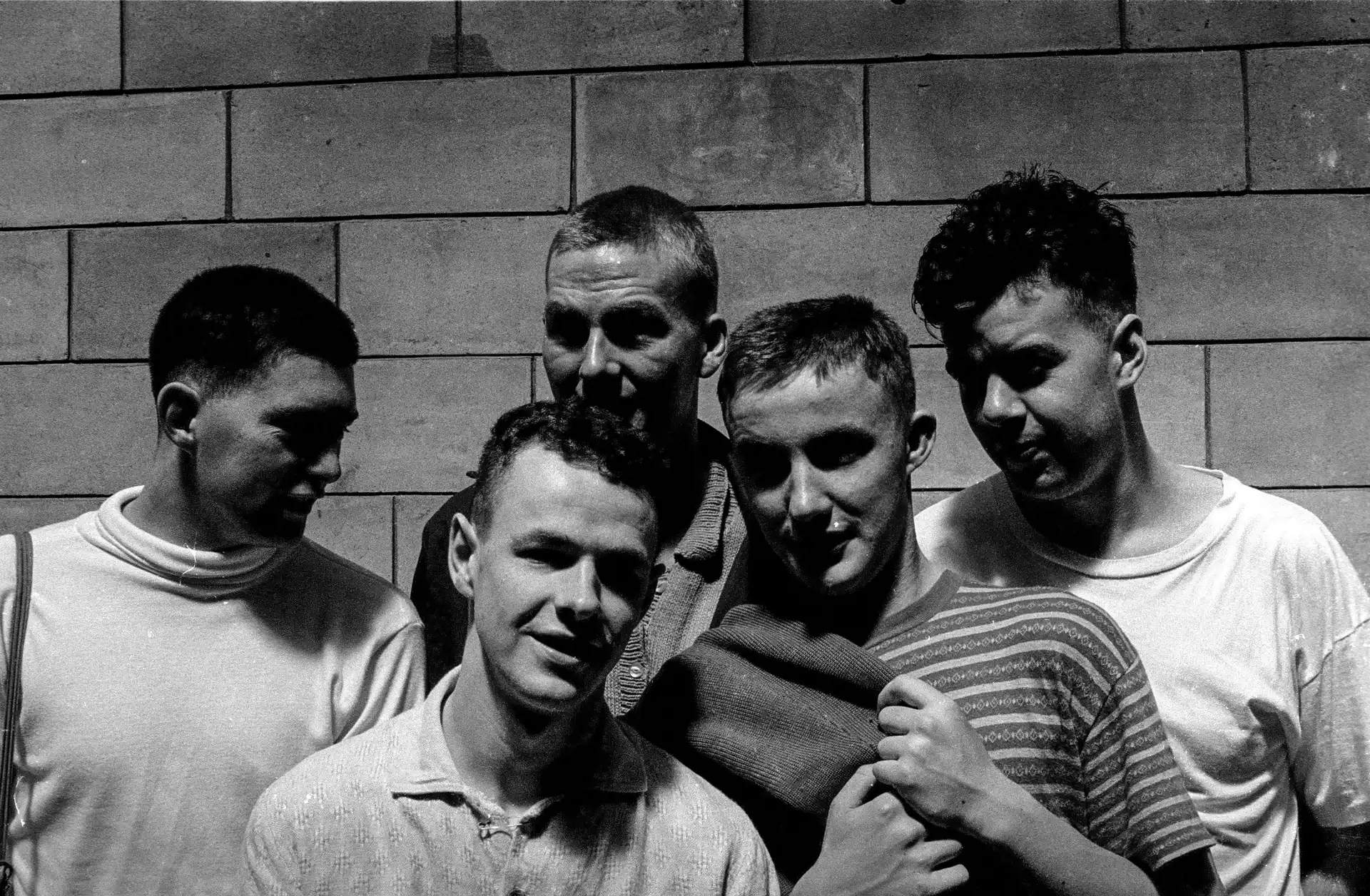
Lingua
 Indonesia
The voices that defined Indonesian R&B
3
Members
About
Today, Lingua remains an active force in the Indonesian music scene, a rare feat for a group that debuted nearly thirty years ago. The trio continues to perform at various venues across the archipelago, drawing crowds who grew up with their hits alongside younger listeners discovering their catalog through streaming platforms. Their sound has evolved from the polished R&B of the 90s to incorporate more contemporary electronic and funk elements without losing their signature vocal blend.
The group's current identity is built on consistency and nostalgia. Fans appreciate their ability to deliver high-quality live performances that honor their classic tracks while occasionally experimenting with new arrangements. Frans Mohede often takes the lead in interviews, discussing the group's journey and their commitment to maintaining musical relevance in a rapidly changing industry.
Formation Story
The story of Lingua begins in the vibrant music capital of Jakarta during the mid-1990s, a time when the Indonesian pop landscape was ripe for change. Three young talents, Frans Mohede, Amara, and Arie Widiawan, came together under the guidance of Musica Studios to form a vocal unit designed to challenge the dominance of dangdut and standard pop ballads. Their formation was not the result of a televised survival show but rather a curated selection process aimed at finding voices capable of complex harmonies and emotional depth.
Training for the group focused heavily on vocal technique and stage presence. The members spent months refining their blend, learning to navigate intricate jazz chords and smooth R&B rhythms. By 1996, they were ready to step onto the stage. Their debut marked a shift in the local market, introducing a sophisticated sound that felt fresh yet accessible. The chemistry between the three members was immediate, allowing them to record their self-titled debut album quickly and release it to positive reception.
Early struggles included gaining traction against established solo artists and competing bands. However, their unique approach to songwriting and arrangement helped them secure a loyal fanbase. The success of their first few singles paved the way for subsequent releases, proving that a vocal trio could sustain a long-term career in Indonesia's competitive music industry.
Members
Musical Style
Lingua's discography showcases a deliberate genre-hopping strategy that kept their music relevant across different eras. They started with a foundation of jazz and contemporary R&B, utilizing tight vocal harmonies and smooth basslines. As the 2000s approached, they began integrating electronic textures and funk rhythms into their production, creating a hybrid sound that appealed to both older and younger audiences.
Lyrical themes often revolve around love, heartbreak, and social observation, delivered with a maturity that set them apart from teen idols of the time. Frans Mohede's powerful vocals anchor the group, while Amara and Arie Widiawan provide the necessary texture and counter-melodies. This dynamic allows their songs to feel full even with just three voices, a testament to their skill as arrangers and performers.
Discography
| Title | Year |
|---|---|
| Lingua III | 2000 |
| Lingua II | 1998 |
| Lingua | 1996 |
Cultural Impact
The group played a significant role in popularizing R&B and jazz fusion within the Indonesian mainstream. Before Lingua's rise, the market was saturated with simpler pop structures. Their introduction of complex harmonies and Western-influenced arrangements influenced a generation of Indonesian singers who sought to emulate their style. They proved that local artists could master international genres without sacrificing their cultural identity.
Beyond music, Lingua's longevity itself became a cultural touchstone. In an industry known for fleeting fame, their continued activity served as a model for sustainability. They are frequently cited in discussions about the evolution of Indonesian pop, representing a bridge between the golden age of 90s music and the digital era.
Fandom Culture
Fans of Lingua, though lacking an official name or specific fan color in public records, are known for their deep loyalty and nostalgic connection to the group's catalog. Concerts often feature sing-alongs to classics like Kau Masih Aku and Terlanjur Mencinta, creating an atmosphere of shared history. The fanbase spans multiple generations, with parents bringing children to shows to introduce them to the music that defined their own youth.
Awards & Accolades
Milestones
Group formed and released debut self-titled album
Released second studio album Lingua II
Released third studio album Lingua III
Trivia
The name "Lingua" means "tongue" or "language" in Latin, symbolizing their mission to communicate emotions through diverse musical styles., Frans Mohede expanded his career beyond singing into acting and television hosting, becoming a multi-talented figure in Indonesian entertainment., Despite the passage of time, the group has reunited for special anniversary concerts, demonstrating their enduring bond and musical chemistry., Their YouTube channel has accumulated over 426,000 views, indicating sustained interest in their catalog among digital-native listeners.
Keywords
Sources
Quick Facts
- Origin
- Jakarta
- Label
- Musica Studios
- Genres
- jazz, contemporary R&B, electronic music, funk, soul, folk music
- Members
- 3
- Status
- Active
Group Info
- Formed
- 1996
- Debut
- 1996
- Origin
- Jakarta, Indonesia
- Company
- Musica Studios
- Label
- Musica Studios
- Status
- Active
Also Known As
Join the community
fans discussing