 Turkey
About
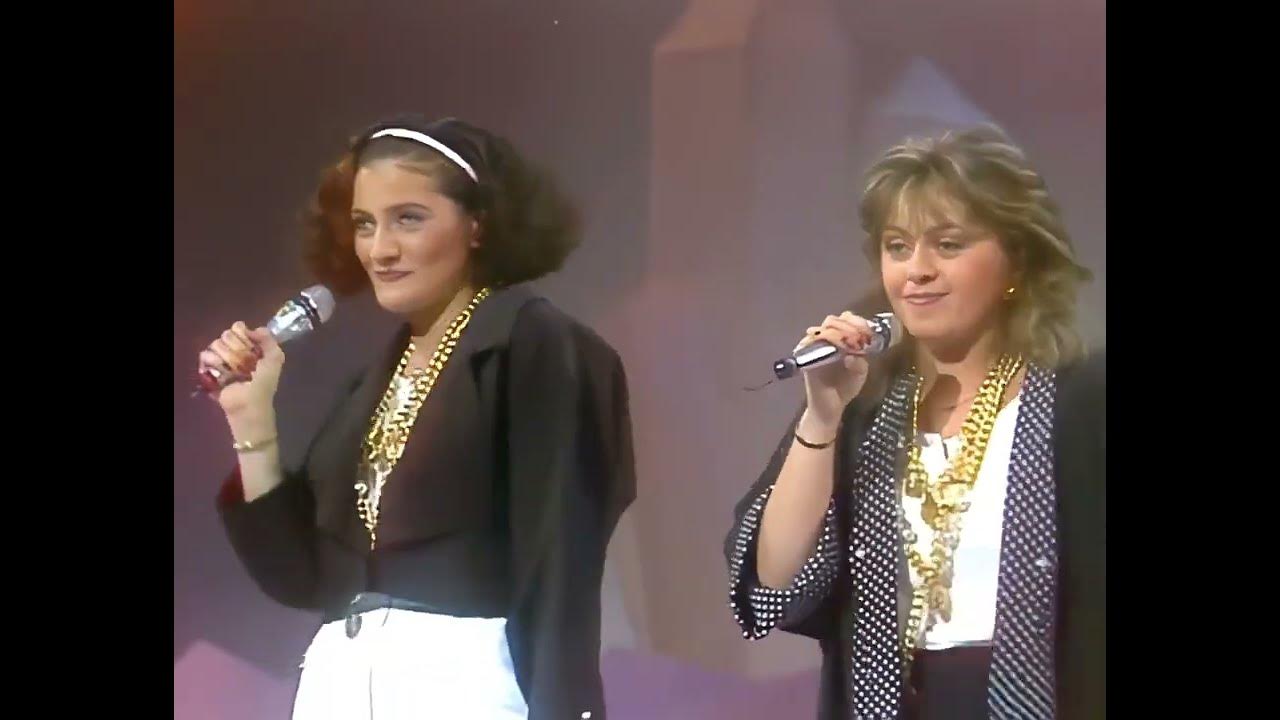
Klips ve Onlar was a Turkish new wave music band formed in the 1980s. The group gained national recognition primarily for representing Turkey at the 1986 Eurovision Song Contest with their song Halley. This marked a significant moment, as their 9th place finish was the highest Turkey had achieved in the competition up to that point, securing 53 points and placing them among the top entries. The song Halley itself, a notable entry in Turkish pop music history, featured music composed by the esteemed Melih Kibar and lyrics penned by İlhan İrem. The band's origin is traced to Ankara, Turkey. The name 'Klips ve Onlar' is thought to carry a playful meaning, with 'klips' suggesting something captured and 'onlar' translating to 'them'. The group's main single, 'Halley,' was released in 1986, and other associated tracks include 'Inanmıyorum' and 'Hatice.' While their active period was primarily in the 1980s, the passing of keyboardist Emre Tukur in November 2024 at the age of 55 marked the group as inactive.
The lineup that represented Turkey in the 1986 Eurovision Song Contest included Sevingül Bahadır, Gür Akad, Emre Tukur, Derya Bozkurt, and Candan Erçetin. Erçetin joined the group specifically for the contest, replacing original member Seden Kutlubay, who had withdrawn after the national selection. This particular lineup performed the song 'Halley' in Bergen, Norway. Gür Akad was born in 1958. Emre Tukur, the keyboardist, passed away in November 2024 at the age of 55. Although the group's career was relatively brief, their performance at Eurovision and the song Halley remain significant elements of Turkish music history.
Formation Story
The origins of Klips ve Onlar trace back to the 1980s in Turkey, a period when new wave music was gaining traction and bands were forming with aspirations for broader recognition. The group was specifically assembled with the intention of competing in the Turkish national selection for the Eurovision Song Contest. The initial lineup that successfully navigated the national selections to earn the right to represent Turkey in 1986 consisted of Sevingül Bahadır, Gür Akad, Emre Tukur, Derya Bozkurt, and Seden Kutlubay. This configuration represented the group's first iteration that achieved national attention.
However, following their victory in the national selection, Seden Kutlubay made the personal decision not to proceed with the Eurovision performance. This unforeseen change necessitated a revision of the group's composition for the international stage. Candan Erçetin, who would later establish a highly successful solo career, was invited and joined the group to replace Kutlubay. This revised lineup then undertook the task of preparing and presenting Turkey's entry, the song Halley, at the 1986 Eurovision Song Contest held in Bergen, Norway. The song itself was a collaborative effort, with the music composed by the renowned musician Melih Kibar and the lyrics written by İlhan İrem. This period marked a crucial juncture for the band, defining their most prominent contribution to music.
An interesting detail from the Turkish national selection process reveals that the votes for Klips ve Onlar and another participant, Seyyal Taner, were initially tied. The tie was ultimately broken by the vote of the jury chairman, who cast his deciding vote in favor of Klips ve Onlar, granting them the opportunity to represent Turkey.
Members
Former Members
Seden Kutlubay (Seden Kutlubay)
Vocalist · 1986 (pre-Eurovision)
Musical Style
Klips ve Onlar operated within the new wave genre, a style that was particularly popular and influential during the 1980s. Their music reflected the characteristic sounds of this era, often incorporating synthesizers, distinctive rhythmic structures, and a melodic sensibility that appealed to a wide audience. The group's most recognized and enduring work, Halley, serves as a prime example of their new wave sound, characterized by its energetic composition and memorable vocal delivery.
Beyond the purely auditory aspects, the visual presentation of their music also played a significant role in its reception and legacy. The music video produced for Halley featured a unique and particularly memorable choreography. This visual element proved to be so impactful that, years later in the early 2000s, the choreography was widely mimicked across popular culture. This widespread imitation underscored the song's lasting cultural footprint and its influence on visual trends within music videos and popular performance styles, extending its impact far beyond its initial release.
Discography
| Title | Year |
|---|---|
| Halley | 1986 |
| Inanmıyorum | 1986 |
| Hatice | 1986 |
Cultural Impact
The primary cultural impact of Klips ve Onlar is inextricably linked to their participation in the 1986 Eurovision Song Contest. Representing Turkey with the song Halley, they achieved a 9th place finish, securing 53 points. This result was a significant milestone, as it was the highest ranking Turkey had attained in the competition up to that point and remained a benchmark for the country's Eurovision performance for a considerable duration. This achievement not only brought national pride but also significantly enhanced the visibility of Turkish pop music on an international platform, introducing Turkish artists to a broader European audience.
Furthermore, the song Halley and its associated music video generated a unique and enduring form of cultural resonance. The distinctive choreography introduced in the Halley video became widely mimicked in the early 2000s, demonstrating its substantial influence on popular culture and visual trends in music videos. This widespread imitation highlighted the song's memorable nature and its ability to transcend its original context. Additionally, the participation of Candan Erçetin, who was a member of the Eurovision lineup, indirectly amplified the group's legacy. Erçetin later achieved significant and highly successful solo career in Turkey, becoming one of the country's most prominent vocalists, and her association with Klips ve Onlar added another layer to the group's historical significance.
Fandom Culture
Specific details regarding a formally organized fandom for Klips ve Onlar, such as an official fandom name, dedicated lightsticks, or unique fan traditions, are not widely documented. Given that the group's primary period of activity and national recognition was concentrated around their impactful 1986 Eurovision participation, a large-scale, modern-style organized fan culture did not extensively develop around them. Their legacy is more often discussed in terms of their musical contributions and historical achievements rather than active fan engagement.
Awards & Accolades
View 2 records, honours and achievementsMilestones
Represented Turkey at the Eurovision Song Contest with "Halley", achieving 9th place.
Trivia
Name Origin: The name 'Klips ve Onlar' is thought to have a playful meaning, with 'klips' possibly referring to something captured or recorded, and 'Onlar' meaning 'They' in Turkish, suggesting 'They and their captured moments'., Eurovision Tie-breaker: In the 1986 Turkish national selection for Eurovision, Klips ve Onlar's entry was tied with Seyyal Taner's. The jury chairman's decisive vote ultimately selected Klips ve Onlar to represent Turkey., Member's Passing: Emre Tukur, the keyboardist for Klips ve Onlar, passed away in November 2024. He was 55 years old at the time of his death.
Keywords
Sources
Quick Facts
- Origin
- Ankara, Turkey
- Genres
- new wave
- Active Years
- 1980s
- Notable Song
- Halley
Group Info
- Formed
- 1980s
- Debut
- 1986
- Debut Song
- Halley
- Origin
- Ankara, Turkey
- Status
- Disbanded
Also Known As
Join the community
fans discussing