
 Japan
JapanAbout
Today, Hello! Project functions as a living archive of J-pop evolution while simultaneously generating new content through its relentless recruitment cycle. The collective currently operates seven main acts, each maintaining distinct musical identities ranging from the high-energy dance pop of Morning Musume to the rock-infused sounds of BEYOOOOONDS. Despite the constant churn of members, the brand maintains a cohesive aesthetic defined by synchronized choreography and colorful stage costumes.
The organization's success stems from its ability to adapt to changing times without losing its core identity. In 2026, the entire catalog became available on global streaming platforms, introducing decades of music to international audiences. The current era features the youngest generation of idols in units like Ocha Norma and Rosy Chronicle, proving that the audition-to-debut pipeline remains the engine driving the franchise forward.
Formation Story
The roots of this massive enterprise trace back to September 1997 when producer Tsunku held the first "Morning Musume Audition." He sought to create a group based on the concept of "graduation," where members would leave upon reaching adulthood or marriage, ensuring a continuous influx of youth. The contest winner Natsumi Abe joined Yuko Nakazawa and five other finalists to form the original lineup. Their debut single "Ai no Tane" reached number five on the Oricon charts, launching a phenomenon that would soon expand beyond a single group.
In 1998, Tsunku officially branded the expanding roster of artists under the name Hello! Project. What began as a fan club designation for Michiyo Heike and Morning Musume quickly evolved into a corporate structure housing multiple units. The establishment of the Hello! Pro Kenshuusei training academy provided a systematic way to scout and prepare young girls for stardom. This rigorous selection process allowed the company to launch sub-units like Berryz Koubou and ℃-ute throughout the early 2000s, creating a diverse portfolio of acts that shared the same management infrastructure but appealed to different segments of the market.
Members
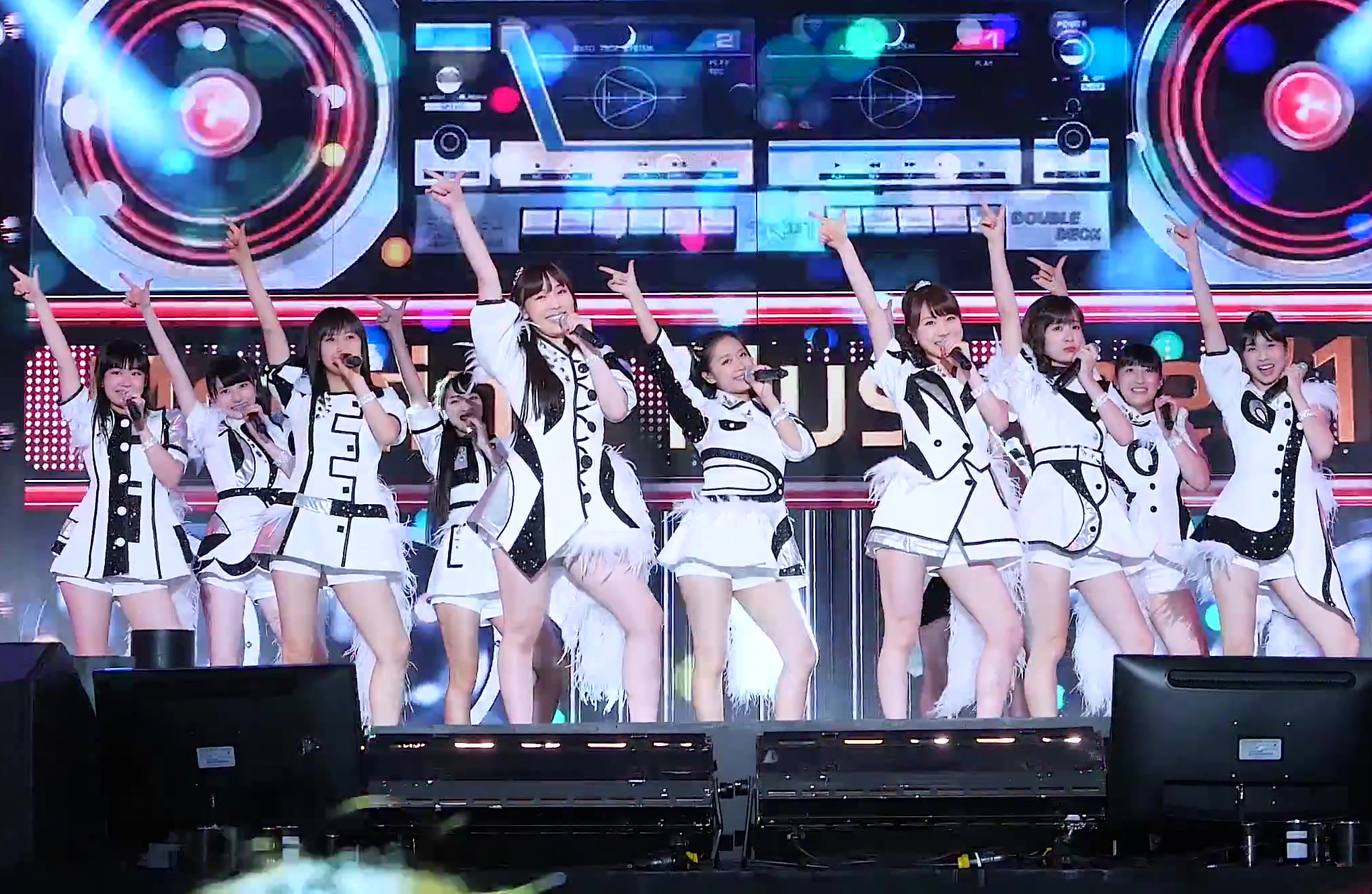
Sub-Units
Mini-Moni (2001)
Maki Goto, Ai Takahashi, Natsumi Abe
W (2001)
Mari Yaguchi, Rika Ishikawa
Melon Kinenbi (2001)
Ayaka Wada, Asami Konno, Kaori Iida, Hitomi Yoshizawa
Berryz Koubou (2004)
Shoko Nakagawa, Momoko Tsugunaga, Saki Shimizu, Natsuyaki Miyabi, Kumai Yurina, Sugaya Risako
℃-ute (2005)
Airi Suzuki, Ayumi Ishida, Yuna Oya, Aika Ohno, Risa Niigaki
Country Girls (2011)
Momoko Okazaki, Kanon Fukuda, Akari Takeuchi, Yuka Tanaka
Tsubaki Factory (2015)
Asuka Fukuda, Yumeno Serina, Ono Mizuho, Yamagishi Riko
Musical Style
Early releases were characterized by upbeat Eurobeat and disco influences designed for mass appeal and simple, memorable choreography. Songs featured repetitive hooks that encouraged audience participation during live performances. By the mid-2000s, the sound diversified significantly. Groups like Berryz Koubou introduced harder-edged rock elements, while others experimented with ballads and electronic arrangements. This period marked a shift toward more complex musical production and mature themes.
Recent years have seen a move toward sophisticated, globalized J-pop sounds. Modern productions incorporate hip-hop beats, funk rhythms, and alternative rock textures. The visual presentation has also evolved from the purely "kawaii" style of the 1990s to fashion-forward aesthetics that align with contemporary trends. Tsunku produced nearly every hit until his retirement in 2014, shaping the sonic identity of the project for over a decade. Today, collaborative production teams continue to refine the sound for new generations.
Discography
| Title | Year |
|---|---|
| First Time | 2000 |
| Seishun Collection | 2006 |
| Chokkan 2 ~Nogashita Sakana wa Ookiizo~ | 2001 |
| Ai no Tane | 1997 |
| Memory Seishun no Hikari | 1998 |
Tours
Hello! Project 20th Anniversary Concert
2018 · 45 shows
Hello! Project COUNTDOWN PARTY
2025 · 12 shows
Cultural Impact
Hello! Project fundamentally altered the Japanese entertainment landscape by institutionalizing the audition-based idol system. Before its rise, many idol groups were formed through existing talent agencies or random casting. The structured path from trainee to debutant set a standard that countless other agencies adopted. The graduation model itself created a unique narrative arc where fans invested emotionally in members knowing their time was finite, fostering intense loyalty and engagement.
The project's influence extends beyond music into fashion and social norms. Stage outfits often sparked nationwide trends, and the disciplined work ethic displayed by members became a cultural touchstone. Several members have served as ambassadors for tourism campaigns, promoting Japan abroad. The sheer longevity of the franchise demonstrates its resilience against shifting industry tides, maintaining relevance across three decades of rapid change.
Fandom Culture
Fans identify themselves as part of the Hello! Project Fan Club community, united by a shared love for the rotating roster. The official fan color is pink, symbolizing love and energy, which appears prominently at concerts and in merchandise. Support traditions include purchasing physical singles to boost sales rankings and attending live shows to cheer for specific members. Lightsticks vary by group but generally feature LED color changes matching the unit's theme.
Community interaction thrives through online forums and social media platforms where fans discuss member progressions and share concert footage. The anticipation for new auditions creates cyclical peaks in engagement, keeping the fandom active even between album releases. Members often interact directly with fans through handshake events and fan club exclusive videos, reinforcing the personal connection that defines the idol experience.
Awards Won (47)
Collective wins span decades of recognition within the Japanese music industry. Major accolades include multiple Japan Gold Disc Awards for Artist of the Year and Best 5 Albums. MTV Video Music Awards Japan has honored the groups for Best New Artist and Best Pop Video categories. Billboard Japan Music Awards frequently recognize top-selling singles and albums from the roster.
Top Selling Single
for: Juice=Juice
Best Pop Video
for: BEYOOOOONDS
Best New Artist
for: Berryz Koubou
Artist of the Year
for: Morning Musume
Best 5 Albums
for: Hello! Project
Milestones
Morning Musume debuts with Ai no Tane
Hello! Project brand name officially established
Mini-Moni and Melon Kinenbi debut
℃-ute forms and begins activities
Tsunku retires from production duties
Full catalog released on streaming services
Trivia
Tsunku produced almost every song for the project until his retirement in 2014., Morning Musume holds the Guinness World Record for the most number-one singles by a female group in Japan., The entire Hello! Project catalog was made available on major streaming platforms in February 2026., New members are added to Morning Musume '26 in 2026, including Moa Suzuki and Hanano Ishikawa., The project operates on a strict graduation system where members leave upon marriage or career changes.
Keywords
Sources
Quick Facts
- Formed
- 1998
- Origin
- Tokyo
- Label
- Zetima, Up-Front Works
- Genres
- J-pop
- Status
- Active
Group Info
- Fandom
- Hello! Project Fan Club
- Formed
- 1998
- Debut
- 1997-09-14
- Debut Song
- Ai no Tane
- Origin
- Tokyo, Japan
- Company
- Up-Front Promotion
- Label
- Zetima, Up-Front Works
- Fan Color
- Pink
- Lightstick
- HP Light Stick
- Status
- Active
Also Known As
Join the community
fans discussing