 Romania
About
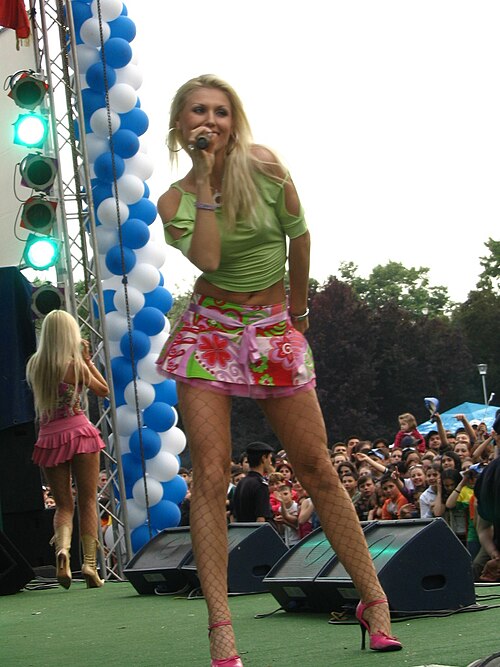
By the time Blondy disbanded in 2005, they had established themselves as a staple of the Romanian pop landscape. The duo benefited significantly from the momentum generated by Andrè, a previous successful pairing that included Andreea Bănică before she teamed up with Cristina Rus. Their collaboration allowed them to inherit a portion of that existing fanbase while carving out their own identity through energetic performances and radio-friendly singles.
Although specific chart-topping numbers are not widely documented in international databases, their success within Romania was substantial enough to sustain a four-year career. The members eventually chose to part ways to explore solo opportunities, a common trajectory for successful duos in the region. Andreea Bănică went on to achieve significant fame as a solo artist, becoming one of the most prominent figures in Romanian entertainment.
Formation Story
The story of Blondy begins in 2001 when the Romanian music market saw a shift following the breakup of the duo Andrè. Andreea Bănică, who had previously performed with Alexandra Ungureanu under that name, sought a new partner to continue her musical journey. She joined forces with Cristina Rus to form Blondy, aiming to replicate the success of their predecessor while establishing a fresh dynamic.
The formation coincided with a period of growth for the local pop industry. The duo released material shortly after forming and quickly gained traction with listeners who were looking for the next big thing in Romanian pop. Their chemistry as a vocal pair helped them navigate the competitive early 2000s market. After four years of activity, the decision was made to dissolve the group in 2005 so both women could focus on their individual artistic paths.
Members
Musical Style
Blondy operated primarily within the pop genre, drawing heavy influence from Euro-pop and dance music trends prevalent in Europe during the early 2000s. Their tracks featured synthesized beats, melodic hooks, and polished production styles that aligned with contemporary radio formats. The duo focused on creating songs that were accessible and suitable for club play or mainstream radio rotation.
As they progressed through their short career, their sound remained consistent with the upbeat, commercial pop aesthetic of the time. There is no record of significant genre experimentation or evolution beyond standard pop refinements. Their musical approach prioritized catchy vocals and rhythmic drive over complex lyrical themes or experimental production techniques.
Cultural Impact
The group played a role in bridging the gap between the Andrè era and the subsequent wave of solo artists in Romania. Their success demonstrated the viability of female pop duos in the domestic market during the post-2000 period. While they did not achieve global recognition, their impact on the local scene was notable enough to be remembered as part of the early 2000s pop revival.
Andreea Bănică's transition to a highly successful solo career later highlighted the foundation laid during the Blondy years. The duo served as a stepping stone for members who would go on to define the Romanian pop landscape for decades. Their work remains a reference point for the evolution of Romanian pop music in the early twenty-first century.
Fandom Culture
Details regarding an official fandom name, lightstick, or organized fan clubs for Blondy are not available in public records. During the early 2000s, many Romanian pop acts did not cultivate formalized fandom structures comparable to modern K-pop standards. Fans likely followed the duo through media appearances and music video releases without organized digital communities or specific traditions.
Awards & Accolades
Milestones
Group formed in Bucharest
Group disbanded
Trivia
The duo was formed immediately after the breakup of Andrè, with Andreea Bănică continuing her musical career with a new partner., They achieved significant popularity in Romania but never released major albums internationally., The group officially ended their activities in 2005 to allow members to pursue solo projects., Their style was heavily influenced by the Euro-pop trends dominating Europe at the start of the millennium.
Keywords
Sources
Quick Facts
- Type
- Duo
- Origin
- Bucharest
- Genres
- pop music
- Status
- Disbanded
Group Info
- Formed
- 2001
- Debut
- 2001
- Origin
- Bucharest, Romania
- Status
- Disbanded (2005)
Social Media
Also Known As
Join the community
fans discussing