Beoga
Vivid rhythms and melodic warmth from the heart of Irish folk
5
Members
About
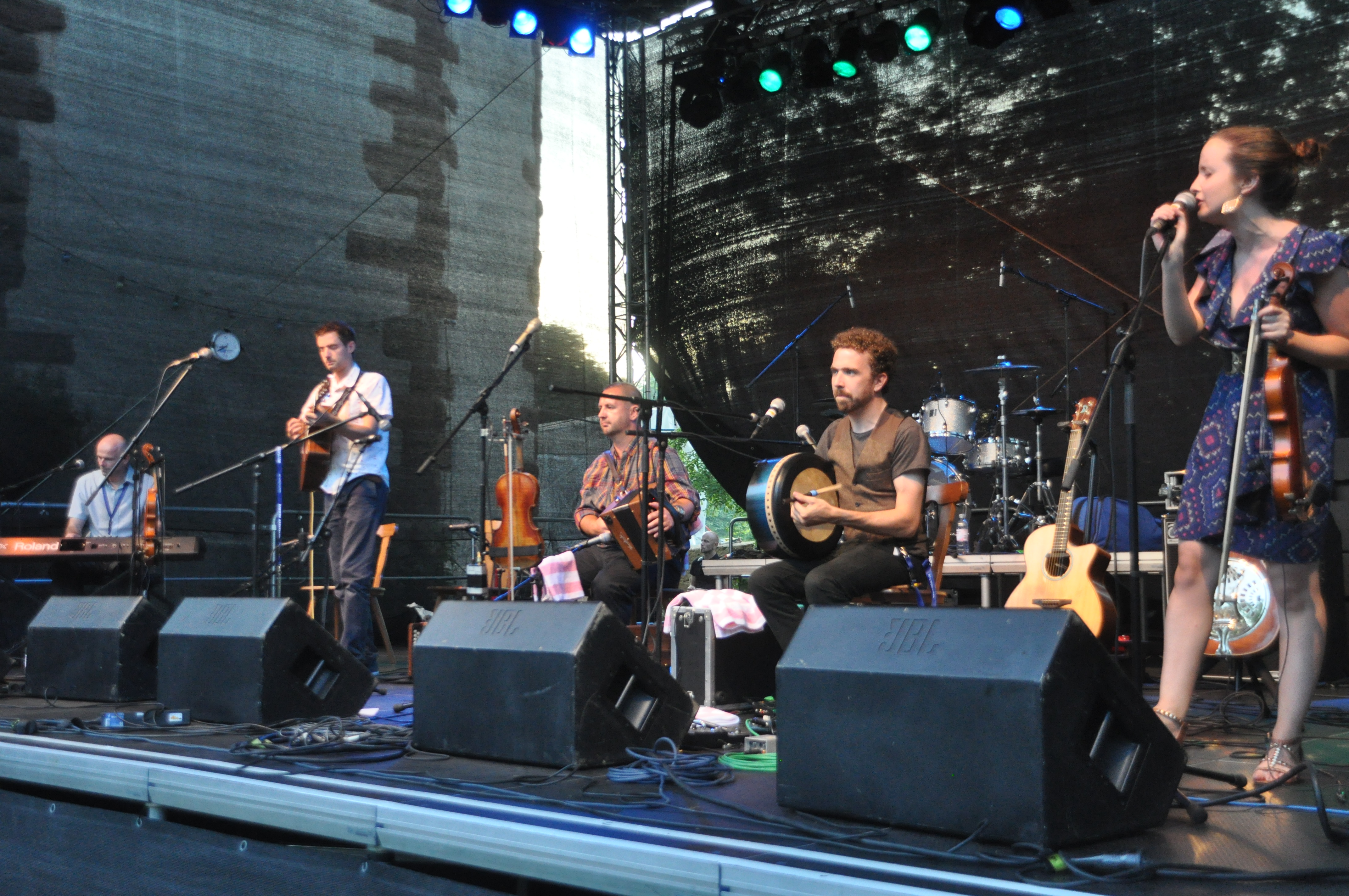
As of late 2026, Beoga stands as an active force within the Irish folk scene, having recently emerged from a four-year hiatus that paused their touring and recording activities. The band is known for injecting a modern, high-energy drive into traditional arrangements, distinguishing themselves through percussive intensity and intricate interplay between instruments. Their current lineup features five members who have solidified a sound that balances authenticity with adventurous sonic exploration.
The group operates under the independent label IF (Innisfree Folk), maintaining a direct connection to the roots of Irish music culture. While they do not chase mainstream pop chart dominance, their reputation rests on live performance energy and a dedicated following that values instrumental proficiency. The name itself, derived from the Irish word for vivid or lively, perfectly encapsulates their approach to playing old tunes with new vitality.
Formation Story
The origins of Beoga trace back to the summer of 2002 at the All-Ireland Fleadh in County Kerry, a major gathering for Irish traditional musicians. Four talented players from Northern Ireland, Damian McKee, Seán Óg Graham, Liam Bradley, and Eamon Murray, decided to collaborate despite hailing from County Antrim and County Londonderry. They chose to establish the group in the Republic of Ireland, bridging the cultural and geographic divide that often characterizes the island's musical landscape.
For the first three years, the quartet operated without a vocalist or fiddler, focusing heavily on the rhythmic and harmonic foundations provided by the accordion, piano, and bodhrán. This instrumental core defined their early identity, prioritizing tight ensemble playing over solo showcases. In 2005, the dynamic shifted when Niamh Dunne joined from County Limerick. Her addition of vocals and fiddle lines expanded the group's textural range, allowing them to explore more melodic territories while retaining their signature rhythmic drive. Since then, the quintet has remained stable, refining their collective voice through years of performance and recording.
Members
Musical Style
Beoga's sound is built on the foundation of traditional Irish instrumentation but pushed forward by a relentless, danceable tempo. The interplay between Damian McKee's accordion and Eamon Murray's bodhrán creates a percussive engine that propels the music, setting them apart from groups that prioritize slow airs or delicate ornamentation. Seán Óg Graham's multi-instrumental contributions add layers of texture that fill out the sonic space without cluttering the arrangement.
Niamh Dunne's entry marked a shift toward a more vocal-centric approach, yet the group never lost its instrumental focus. Their recordings reflect this balance, capturing the raw energy of live sessions rather than smoothing out edges with heavy studio production. The result is a style that feels both ancient and immediate, appealing to listeners who crave the authenticity of traditional music but want it delivered with a contemporary urgency.
Discography
| Title | Year |
|---|---|
| Phases | 2025 |
| Blackbirds & Thrushes | 2026 |
Tours
Ed Sheeran Loop Tour (Withdrawn)
2026 · Multiple US dates shows
Post-Hiatus Return Tour
2026 · Ireland and Europe shows
Cultural Impact
The band's significance extends beyond their musical output, particularly evident in their public stance on social issues. In September 2026, Beoga made headlines by withdrawing from Ed Sheeran's US "Loop Tour" alongside other artists like Finneas and Lukas Graham. This decision was a direct response to Macklemore's continued presence on the tour following resurfaced controversial comments regarding the conflict in Palestine.
By choosing solidarity over commercial opportunity, the group aligned themselves with the organization Irish Artists for Palestine. This move highlighted a growing trend among traditional musicians to engage actively with global political discourse, demonstrating that folk artists can wield influence far beyond the concert hall. Their withdrawal signaled a commitment to ethical consistency that resonated deeply within the industry and with their fanbase.
Fandom Culture
While traditional folk bands rarely cultivate the structured fandom infrastructure seen in pop or idol genres, Beoga maintains a loyal community of followers who attend live shows and support independent releases. Fans connect primarily through social media platforms like Instagram and Facebook, where the band shares updates on tours and new music. The absence of a specific fandom name or lightstick reflects the genre's organic nature, where appreciation is driven by shared love for the music rather than organized fan clubs.
Awards & Accolades
Milestones
Formed at the All-Ireland Fledh in County Kerry
Niamh Dunne joined the lineup as vocalist and fiddler
Entered a four-year hiatus from touring and recording
Withdrew from Ed Sheeran's US tour in protest
Released album Phases and resumed touring
Trivia
The name 'Beoga' translates directly from Irish to mean 'vivid' or 'lively', reflecting the band's energetic performance style., Despite forming in County Kerry, all original members originated from Northern Ireland, specifically County Antrim and County Londonderry., The band took a four-year hiatus from touring and releasing new music starting around 2022 before returning in late 2026., In 2026, the group withdrew from Ed Sheeran's US tour in solidarity with Macklemore and the Palestinian cause., They are signed to the independent label IF (Innisfree Folk), which supports niche Irish folk artists.
Keywords
Sources
Quick Facts
- Formed
- +2002
- Origin
- County Antrim
- Status
- Active
Group Info
- Formed
- +2002
- Debut
- +2002
- Origin
- County Antrim
- Company
- IF (Innisfree Folk)
- Label
- IF (Innisfree Folk)
- Status
- Active
Join the community
fans discussing