 Italy
ItalyAbout
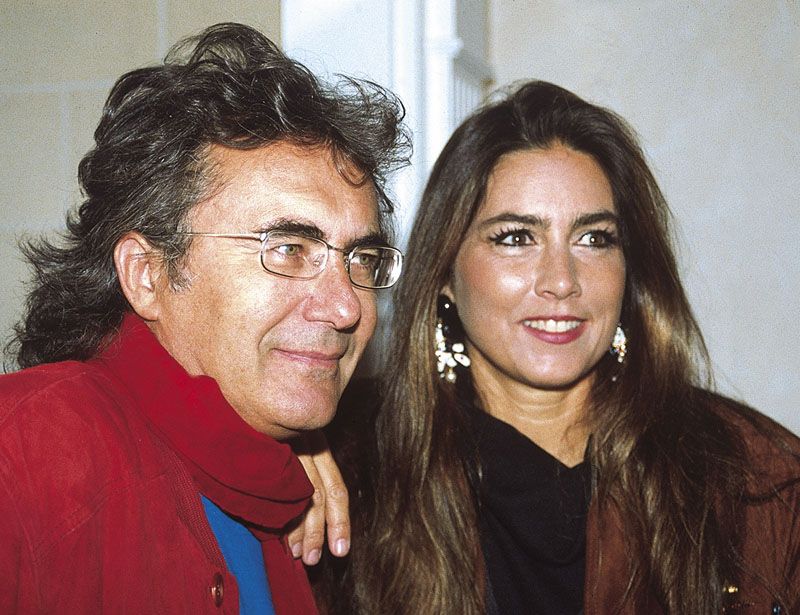
As of 2026, Al Bano and Romina Power remain an active performing entity despite a long hiatus from joint touring between 1999 and 2013. The duo continues to draw large crowds in Italy and abroad, relying on a catalog of timeless hits rather than new chart-toppers. Their current identity is defined by nostalgia and the sheer scale of their past achievements, having become a staple of Italian cultural life. Fans recognize them not just as singers but as a family unit that survived public scrutiny and personal tragedy to maintain a professional partnership.
Their sound is instantly recognizable for its operatic pop style, blending Al Bano's powerful tenor with Romina's clear, melodic soprano. This combination created a unique sonic signature that dominated European radio waves during the 1980s and 1990s. While they have released new material periodically, their live performances focus heavily on reinterpreting classics like "Felicità" and "Sharazan" for modern audiences. The group represents a bridge between the classic Italian songbook and the global pop era.
Formation Story
The story of this duo begins long before their first album release. Albano Carrisi and Romina Power first met in 1963 on the set of the film Cimarron, where Romina was appearing as a child actress and Albano was a young singer. Their relationship blossomed quickly, leading to marriage in 1967. Before forming their official musical partnership, both had already established individual careers in Italy. Albano won the Sanremo Music Festival in 1968 with his song "Ciao amore ciao," while Romina found success as a solo artist and actress.
The decision to launch their musical career as a duo came in 1975. They recorded their debut album Baciati that same year, marking the start of a collaboration that would span over fifty years. The early years were characterized by a mix of light rock and pop, often featuring acoustic arrangements that highlighted their vocal chemistry. They quickly gained popularity in Italy and began expanding their reach into other markets. Their transition from individual stars to a unified act was seamless, driven by their shared history and complementary vocal styles. The duo faced challenges in balancing their personal lives with their demanding schedules, but their commitment to the project kept them together through the ups and downs of the music industry.
Members
Musical Style
Their musical evolution reflects the changing tides of popular music over six decades. In the 1970s, their sound was rooted in Italian pop and light rock, utilizing orchestral strings and acoustic guitars to create a warm, intimate atmosphere. Songs from this era often featured simple melodies that allowed their voices to take center stage. By the 1980s, the duo embraced the disco trend, incorporating synthesizers and driving beats into their repertoire. Tracks like "Sharazan" showcased a polished Euro-disco aesthetic that resonated with international audiences.
Following their separation in 1999, their music shifted toward more mature themes, focusing on love, spirituality, and reflection. The production became softer, emphasizing emotional delivery over danceable rhythms. Upon reuniting in 2013, they returned to a hybrid style that blended their classic hits with updated arrangements suitable for contemporary concert venues. Their lyrical themes consistently revolve around universal emotions such as passion, heartbreak, and hope, making their songs relatable across generations and cultures.
Discography
| Title | Year |
|---|---|
| Al Bano & Romina Power | 1975 |
| Baciati | 1975 |
| Felicità | 1978 |
| Sharazan | 1980 |
| Ci sarà | 1984 |
| Romantica | 1987 |
| Libertà! | 1996 |
| Live in Rome | 2014 |
Tours
Encore Tour
2015 · 25 shows
2025 Reunion Tour
2025 · 30 shows
Cultural Impact
Al Bano and Romina Power played a pivotal role in popularizing Italian pop music globally, particularly in Latin America and Eastern Europe. Their songs have been covered by artists worldwide, influencing the development of Euro-pop and regional music scenes. In Italy, they are considered national treasures, with their hits becoming fixtures at weddings, celebrations, and public events. Their participation in the Eurovision Song Contest in 1976 and 1985 brought further attention to Italian music on the international stage.
The duo's influence extends beyond music into the realm of cinema and television. They starred in seven films based on their songs, blending their musical and acting careers seamlessly. Their ability to connect with audiences across different demographics helped solidify their status as cultural icons. Even after their personal separation, their professional collaboration demonstrated the power of artistic partnership, inspiring countless duos and couples in the entertainment industry.
Fandom Culture
Fans of Al Bano and Romina Power do not follow the structured fandom culture seen in K-pop or boy bands. Instead, supporters are generally referred to as fans of the "Duo" or simply followers of their work. There is no official fandom name, lightstick, or designated fan color associated with the group. Concerts are attended by multi-generational audiences who appreciate the duo's legacy and timeless appeal. Fan interactions typically occur through social media platforms and during meet-and-greet events, where fans express their admiration for the couple's enduring career.
Milestones
Albano wins Sanremo Music Festival with "Ciao amore ciao"
Official formation of the duo and release of debut album "Baciati"
Represented Italy at Eurovision Song Contest, finishing third with "We'll Meet Again"
Won Sanremo Music Festival with "Ci sarà"
Represented Italy at Eurovision Song Contest, finishing fourth with "Magic, Oh Magic"
Personal separation of the couple
Official divorce finalized
Professional reunion announced
Trivia
Al Bano and Romina Power were the first Italian act to achieve significant commercial success in the Soviet Union during the Cold War era., They starred in seven films between 1967 and 1984, often based on their songs, blending their musical and acting careers., Romina Power is the only child of Hollywood legend Tyrone Power to continue the family's artistic legacy in the entertainment industry., Their song "Felicità" is often played at weddings and celebrations across Italy and Latin America, becoming a cultural staple., Romina Power's daughter, Ylenia Carrisi, disappeared in New Orleans in 1994 and is presumed dead, though Romina has stated she has not "felt" her death.
Keywords
Sources
Quick Facts
- Type
- Duo
- Formed
- 1975
- Origin
- Italy
- Label
- Baby Records, Warner Music Group, Universal Music Group, Sony Music, La Voce del Padrone, Durium
- Genres
- pop music, disco
- Status
- Active
Group Info
- Formed
- 1975
- Debut
- 1975
- Debut Song
- Baciati
- Origin
- Italy
- Company
- Baby Records / Al Bano & Romina Power Productions
- Label
- Baby Records, Durium, La Voce del Padrone, Warner Music Group, Universal Music Group, Sony Music
- Status
- Active
Also Known As
Join the community
fans discussing