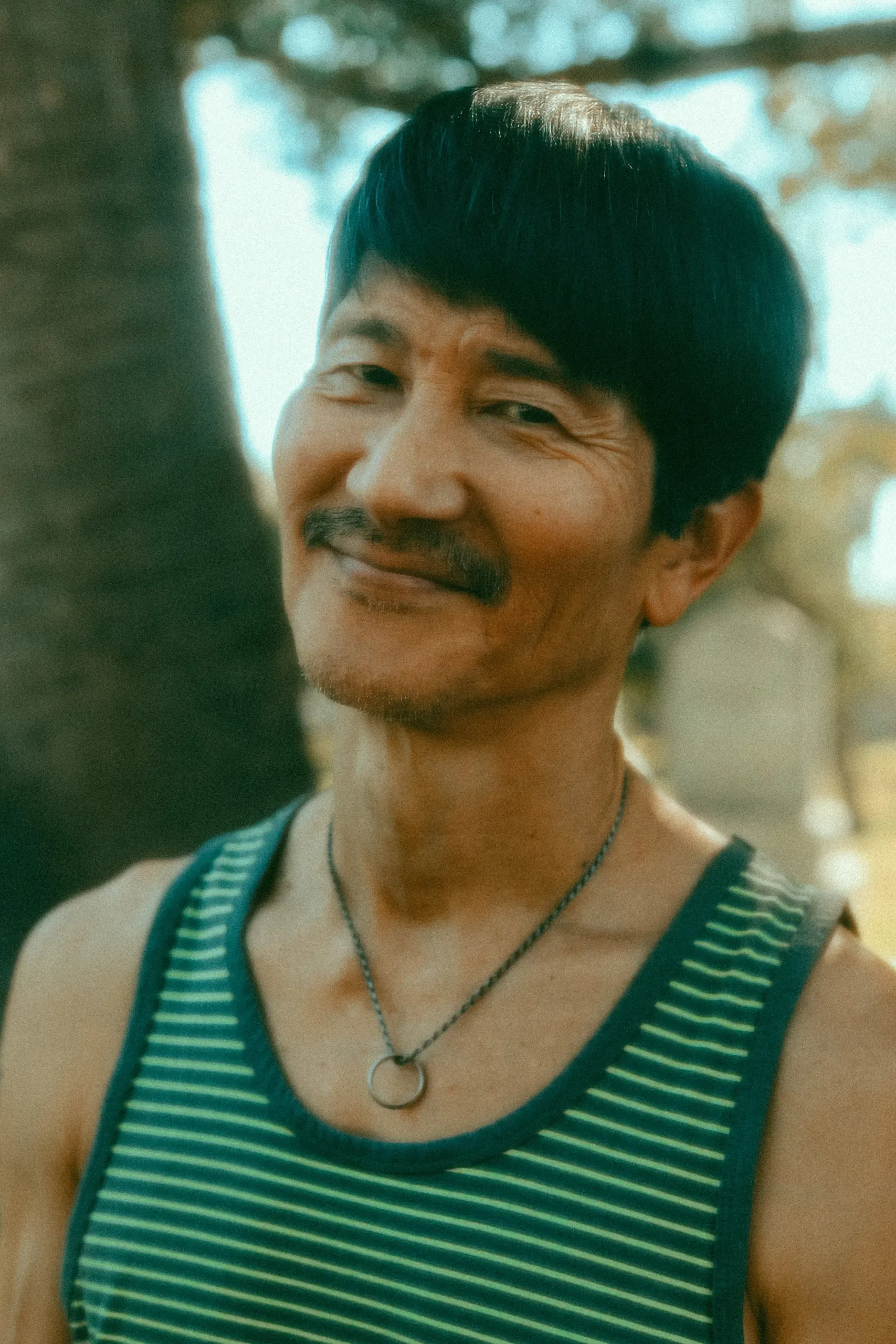
Gregg Araki
 United States
film director•screenwriter•film editor
Birthday
December 17, 1959
Birth Sign
Sagittarius
Birthplace
Los Angeles, California, USA
Age
66 years old
About
Gregg Araki is an American filmmaker known for his provocative, darkly humorous films that explore alienation, sexuality, and societal critique. He emerged as a key figure in the New Queer Cinema movement of the 1990s, creating a distinctive aesthetic that blends punk energy with surreal, often transgressive storytelling. His work has garnered a devoted cult following, particularly his Teenage Apocalypse Trilogy, and he made history in 2010 when Kaboom won the inaugural Queer Palm at the Cannes Film Festival. As of 2026, Araki continues to be regarded as an influential auteur whose films resonate with outsiders and counterculture audiences.
Early Life & Background
Gregg Araki was born in Los Angeles but grew up in Santa Barbara, California, about 100 miles north of Hollywood. He later described this distance as perfect for nurturing his film aspirations, allowing him to dream about cinema without being overwhelmed by the industry. As a child, he devoured the arts pages of the Los Angeles Times and was deeply immersed in music, reading concert and album reviews that shaped his cultural sensibility.
His teenage years coincided with the rise of punk, new wave, and post-punk, which would profoundly influence his worldview and filmmaking style. After graduating from high school, he enrolled at the University of California, Santa Barbara, earning a Bachelor of Arts in 1982. He then pursued graduate studies at the University of Southern California's School of Cinematic Arts, graduating with a Master of Fine Arts in 1985.
To support himself during and after film school, Araki worked a series of jobs, including a stint at a fast-food restaurant and later at a pet store. These experiences, along with his film school training, instilled in him a guerilla filmmaking sensibility. He emerged from USC ready to make low-budget, independent films that would eventually cement his status as a pioneer of New Queer Cinema.
Career Growth
Araki's breakthrough came in 1992 with The Living End, a low-budget road movie starring Warhol icon Mary Woronov that announced his arrival as a distinctive voice in queer cinema. He followed this with his quintessential Teenage Apocalypse Trilogy: Totally F***ed Up (1993), The Doom Generation (1995), and Nowhere (1997). These films, marked by anarchic spirit and unforgettable imagery, became cult classics and defined his reputation as the crown prince of queer slacker punk.
In 2004, Araki released Mysterious Skin, a critical high point that dealt with childhood trauma and featured a soundtrack by Cocteau Twins and Robin Guthrie. The film earned widespread acclaim for its sensitive handling of difficult subject matter. Six years later, Kaboom won the inaugural Queer Palm at the Cannes Film Festival, underscoring Araki's continued relevance. In 2019, he created and produced the Starz television series Now Apocalypse, co-written with Karley Sciortino, expanding his reach to the small screen.
Career Timeline
Public Image & Style
Araki is known as the crown prince of queer slacker punk, a label that captures the rebellious, anarchic spirit of his films. His work is characterized by dark humor, transgressive themes, and a distinctive visual style that blends pop culture with surrealism. Media portrayals often emphasize his role as a pioneering auteur of New Queer Cinema, while his audience consists of punks, queers, and weirdos who identify with his outsider perspective. Araki's social media presence is minimal, and he has not cultivated a large public persona outside his films, preferring to let his work speak for itself.
Fame & Fandom
Gregg Araki commands a global attention defined by deep cultural resonance rather than mass-market saturation, anchoring a devoted niche within independent cinema and queer studies. The iFANN Global Fame Engine has evaluated this profile in August 2026 and determined that he currently holds no placement in the published rankings for the Global Top 1,000 or any Top-100 scope list. While his work permeates film history as a cornerstone of the New Queer Cinema movement, the data indicates he does not currently register a specific numeric rank or score within the system's tiered hierarchy. His audience remains a distinct collective of cinephiles, LGBTQ+ activists, and followers of the Teenage Apocalypse Trilogy who identify with his outsider perspective, though no formal fandom name exists to unite them under a single moniker like those seen in pop culture. Unlike celebrities with organized fan armies driving chart pushes or charity campaigns, Araki's supporters engage through academic discourse, festival attendance, and sustained appreciation of his transgressive filmography. He participates in standard auteur interactions such as juror duties at Sundance and panel discussions, fostering a community built on shared artistic values rather than idol worship. This lack of a formalized fanbase name reflects the nature of his influence: profound but specialized, resonating strongly within counterculture circles without expanding into the broad, ritualistic engagement typical of modern celebrity phenomena.
Interesting Facts and Legends
Gregg Araki maintains a sedate daily routine that stands in stark contrast to the wild energy of his films; he reportedly writes his scripts at Starbucks while adhering to a vegetarian diet and regular workout regimen, noting that gay guys always work out. His musical foundation was laid during his late teens and early twenties by punk, new wave, and post-punk sounds, a taste that still informs his cinematic rhythm. For the soundtrack of Mysterious Skin, he initially utilized Cocteau Twins' The Moon and the Melodies as a temp track before successfully securing the rights. Araki also cherished the early Coachella festivals, finding their atmosphere reminiscent of the chaotic vibe in his film Nowhere. Beyond personal habits, his legend is cemented by the creation of the Teenage Apocalypse Trilogy, which includes Totally F***ed Up, The Doom Generation, and Mysterious Skin. These films are widely retold as groundbreaking works that captured the ennui and sexuality of queer teens in California. A verified event central to his lore is the impact of The Living End, frequently cited as a seminal work that helped define the New Queer Cinema movement alongside directors like Todd Haynes and Gus Van Sant. In recent years, his mythos has expanded with the release of I Want Your Sex, where he sparked significant discussion by stating that all terrible things happen due to sexual repression, reinforcing his status as an unapologetic provocateur.
Notable Quotes
“My movies are for the punks and queers and the weirdos. My movies are about outsiders, and that's who they're for.”
“People think that I live this crazy, wild life, but it's very sedate and boring. My daily life is not like my movies.”
“I grew up at the exact right time. I lived a very charmed life.”
Family & Personal Life
Araki is married to actress Kathleen Robertson, known for her role on Beverly Hills, 90210 and appearances in Araki's films. The couple lives in Hollywood, Los Angeles. Araki has described his personal life as very sedate and boring, contrasting sharply with the wildness of his films. No public records indicate that he has children. He has not shared details about his parents or siblings in available interviews.
Notable Connections
Araki has collaborated with several notable figures. Karley Sciortino co-wrote and produced his television series Now Apocalypse. Robin Guthrie of Cocteau Twins composed music for Mysterious Skin and Now Apocalypse. Mary Woronov starred in his breakthrough film The Living End. His spouse, Kathleen Robertson, has appeared in some of his films.
Relationships & Dating History
Araki is married to actress Kathleen Robertson, known for her role on Beverly Hills, 90210 and appearances in Araki's films. The couple has been together for many years, and Araki has described their life as very sedate and boring. No public records of previous relationships, engagements, or divorces exist in credible sources. As of 2026, Araki remains married to Robertson.
- MarriedKathleen RobertsonCurrentAraki's spouse; Robertson is an actress known for Beverly Hills, 90210 and has appeared in Araki's films.
Salary, Net Worth In 2026
No credible public net worth estimate is available for Gregg Araki. His income derives from directing, writing, producing, and editing independent films and television, including the Starz series Now Apocalypse. He maintains a modest lifestyle in Hollywood, Los Angeles, and has not pursued major commercial ventures or endorsements. Given the independent nature of his work, his wealth is likely modest compared to mainstream Hollywood filmmakers.
Awards Won (1)
Araki won the inaugural Queer Palm at the Cannes Film Festival in 2010 for his film Kaboom, a historic achievement that recognized his contribution to queer cinema. He has not won other major competitive awards such as Oscars or Golden Globes, but his work has received critical acclaim and cult status.
2010 · Best Film
Kaboom
Known For
The Doom Generation
1995 · Director, Writer, Editor
Nowhere
1997 · Director, Writer, Editor
Mysterious Skin
2004 · Director, Writer, Editor
Kaboom
2010 · Director, Writer, Editor
Totally F***ed Up
1993 · Director, Writer, Editor
Keywords
Sources
Quick Facts
- Profession
- film director, screenwriter, film editor
- Born
- +1959-12-17
- Birthplace
- Los Angeles
- Gender
- Male
- Spouse
- Kathleen Robertson
- Birth Sign
- Sagittarius
Personal Details
- Full Name
- Gregg Araki
- Spouse
- Kathleen Robertson
- Education
- University of California, Santa Barbara (BA, 1982); University of Southern California School of Cinematic Arts (MFA, 1985)
Frequently Asked Questions
How old is Gregg Araki?
Is Gregg Araki married?
What is Gregg Araki best known for?
Does Gregg Araki have children?
What is Gregg Araki's net worth?
Join the community
fans discussing