 Syria
SyriaAbout
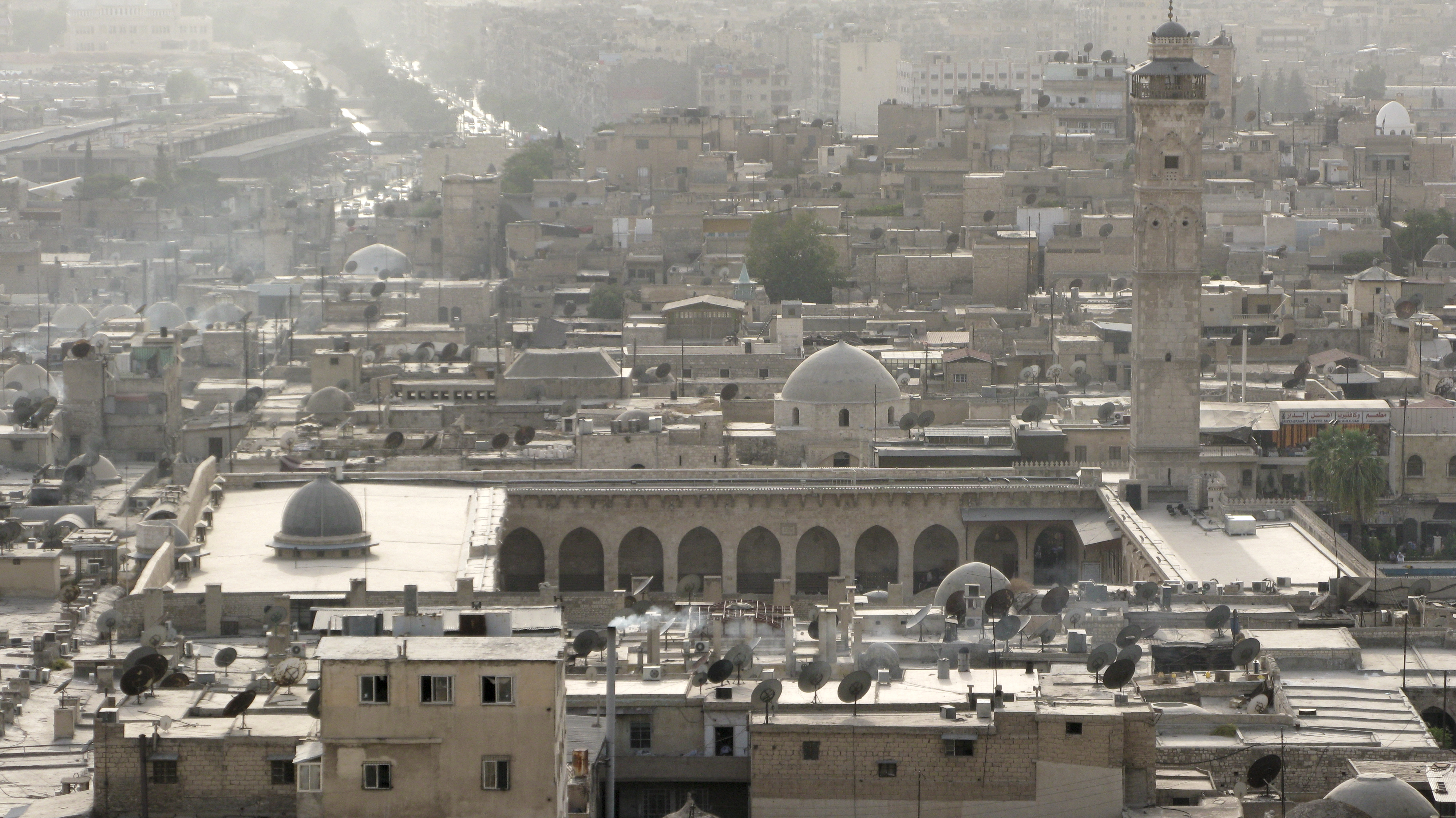
The Great Mosque of Aleppo, also known as the Great Umayyad Mosque, sits in the al-Jalloum district of the Ancient City of Aleppo, a UNESCO World Heritage Site. For centuries it was the largest and oldest mosque in the city, a place where generations gathered for prayer, learning, and community life. Its architecture is a layered palimpsest: the Umayyads founded it in the early 8th century, and later the Seljuks, Ayyubids, and Mamluks each added their own elements, from intricate mihrabs to ornate facades, creating a blend that scholars still study.
The mosque's most famous feature was its 11th-century Seljuk minaret, a square tower that became an emblem of Aleppo's skyline. It survived earthquakes, invasions, and the passage of time, only to be destroyed in 2013 during the Syrian civil war. The loss sent shockwaves through the cultural heritage world, and the BBC featured it in its 'Museum of Lost Objects' series. Photographs from 2010, 2017, and 2025 show the mosque's transformation from intact monument to war-torn ruin and now, slowly, to a site under reconstruction.
Restoration work has been underway for years, spearheaded by architect Sakher Oulabi, who calls it a national priority. The mosque partially reopened after significant efforts, though the scars of conflict remain visible. It still holds deep religious significance, with tradition placing the tomb of Zechariah, father of John the Baptist, within its walls. For Aleppans and Muslims worldwide, the mosque is more than stone and mortar; it's a symbol of resilience and faith.
Mission
The Great Mosque of Aleppo serves as a place of congregational worship, a center for Islamic scholarship, and a living link to the city's heritage. Its mission, historically, was to provide a spiritual home for the Muslim community of Aleppo and to stand as a testament to the enduring presence of Islam in the region. Today, that mission extends to reconstruction and preservation, ensuring the mosque can continue to fulfill its role for future generations.
History
The mosque's origins trace back to around 710 AD, during the reign of Caliph al-Walid I or his successor Sulayman. The Umayyad caliphs commissioned it to establish their authority in Aleppo, making it the city's main congregational mosque. The original structure, however, did not survive intact. Over the centuries, it faced destruction from fires, earthquakes, and the Crusades, leading to major rebuilds.
In the 12th century, under the Zengid dynasty, the mosque underwent extensive restoration after heavy damage during the Crusades. The Seljuk minaret, built in the 11th century, remained a constant through these changes, anchoring the mosque's identity. The Ayyubids and Mamluks later added their own touches, from intricate mihrabs to ornate facades, creating the architectural palimpsest that visitors admired.
The modern era brought new challenges. The Syrian civil war, which began in 2011, turned the old city of Aleppo into a battlefield. The mosque, caught in the crossfire, suffered catastrophic damage. In 2013, the minaret collapsed, and the prayer hall was heavily shelled. By 2016, pro-government forces had recaptured the area, and photographs showed soldiers walking through the ruined mosque. Reconstruction began soon after, with a focus on stabilizing the structure and restoring key elements. The work is ongoing, and the mosque remains a symbol of both loss and hope.
Notable People
al-Walid I
Umayyad Caliph · r. 705-715
Commissioned the original construction of the mosque
Sulayman ibn Abd al-Malik
Umayyad Caliph · r. 715-717
Alternative founder credited with starting the mosque
Sakher Oulabi
Restoration Architect · 2010s-present
Leading the reconstruction efforts after the civil war damage
Milestones
715
Initial construction under the Umayyad caliphs
1090
Construction of the Seljuk minaret
12th century
Major restoration under the Zengid dynasty after Crusader damage
1986
Ancient City of Aleppo designated a UNESCO World Heritage Site
2013
Minaret destroyed during the Syrian civil war
2016
Pro-government forces captured the area and walked through the mosque
2025
Partial reopening after restoration efforts
Sources
Organization Info
- Founded
- c. 715 AD
- Headquarters
- al-Jalloum district, Ancient City of Aleppo
- Country
- Syria
- Restoration Architect
- Sakher Oulabi
- Type
- Religious
- Location
- al-Jalloum district, Ancient City of Aleppo
- Architectural styles
- Umayyad, Seljuk, Ayyubid, Mamluk
- UNESCO status
- Part of Ancient City of Aleppo World Heritage Site
Join the community
fans discussing