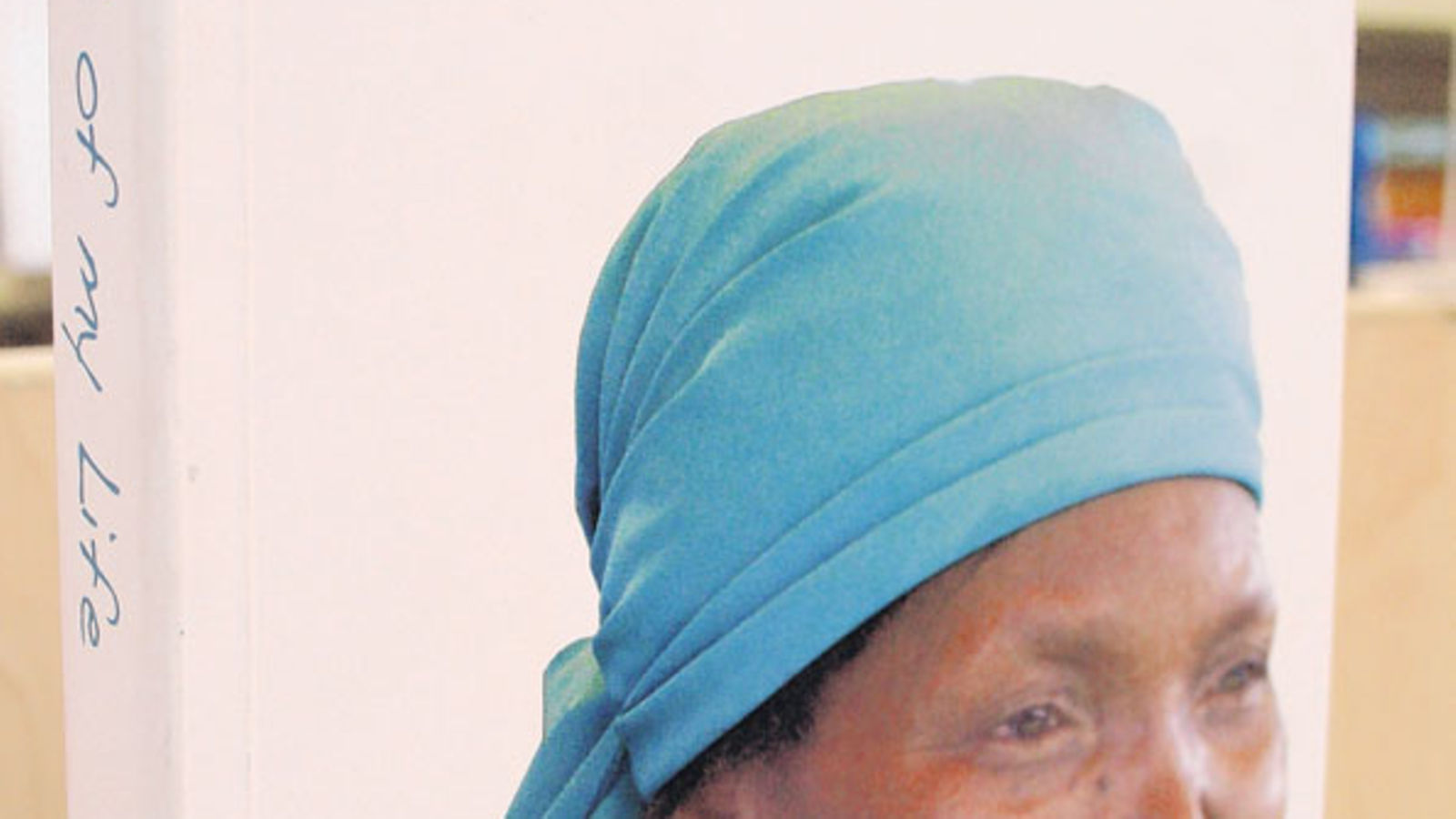
Grace Ogot
 Kenya
Kenyaauthor•nurse•politician•diplomat
Also known as: Grace Emily Ogot, Grace Akinyi
Birthday
May 15, 1930
Birth Sign
Taurus
Birthplace
Kisumu, Kenya
Age
Died at 84
About
Grace Ogot was a pioneering Kenyan author, nurse, journalist, politician, and diplomat whose life bridged the colonial and post-independence eras of East Africa. Born Grace Akinyi on May 15, 1930, in Kisumu, she is widely celebrated as the first Anglophone female Kenyan writer to have fiction published, a milestone that opened literary doors for generations of African women. Her works seamlessly integrated Luo folklore and oral traditions into English prose, creating a unique narrative voice that challenged colonial literary norms. She served as a founding member of the Writers' Association of Kenya and later held significant government roles, including Assistant Minister for Home Affairs. Her legacy endures as a foundational figure in East African literature and a trailblazer in public service, recognized nationally as the 'Mother of East African Literature.'
Early Life & Background
Grace Akinyi grew up in the Nyanza region of Kenya within a Luo community where she absorbed oral traditions from her grandmother. These stories would later become the bedrock of her writing style. Her early education took place at St. Mary's School Yala and the Uganda Christian Mission (UCM) School in Mbale, Uganda, where she completed her secondary education. Before achieving fame as a writer, Ogot pursued a career in healthcare. She trained as a nurse at the University College Hospital in Nairobi, graduating in the late 1940s. This profession provided her with deep insight into the social and medical realities of the communities she served. During this period, she also worked as a journalist, contributing to various publications and developing a voice that blended factual reporting with storytelling. She began her professional journey in the 1950s, laying the groundwork for her future dual career in medicine and letters.
Career Growth
Ogot's transition from nursing to literature marked a historic turning point. In 1966, she became the first Anglophone woman in East Africa to publish a collection of short stories, Land Without Thunder. This work, along with her novel The Promised Land, established her as a literary giant. Her writing is characterized by the seamless integration of Luo folklore, myths, and oral traditions into the English language. She became a founding member of the Writers' Association of Kenya in the 1970s. In the 1980s, she entered public service, serving as an Assistant Minister in the Kenyan government. In 1989, she was appointed Assistant Minister for Home Affairs under President Daniel arap Moi. She later served as a diplomat representing Kenya internationally throughout the 1990s. She continued to write and advocate for literature until her death in 2015, leaving behind a corpus that remains a staple in university curricula across Africa and the diaspora.
Career Timeline
Public Image & Style
Portrayed as a sage, a mother figure to the literary world, and a dignified stateswoman, Ogot's image is one of quiet strength and intellectual rigor. Her public persona blended the empathy of a nurse with the authority of a politician and the creativity of a storyteller. Media outlets like Face2Face Africa highlighted her life through retrospective quotes, cementing her reputation as a sage of East African letters. She remained a powerful storyteller throughout her diverse career, spanning nursing, journalism, politics, and diplomacy. Her demeanor was often described as reserved yet commanding, reflecting the seriousness she brought to both her literary and political endeavors.
Fame & Fandom (iFAMOUS Rankings)
Grace Ogot stands as a monumental figure in East African literature, yet the iFANN Global Fame Engine has evaluated her profile and found she currently holds no placement within the published rankings of the Global Top 1,000 or any Top-100 scope list. This absence from the current charts reflects the unique nature of her legacy rather than a lack of impact; her influence is measured in the quiet, enduring shifts she effected in writing and governance rather than in the volatile metrics that drive modern celebrity lists. While many contemporary icons chase viral visibility, Ogot's stature remains rooted in her historical role as a pioneer who broke barriers for Anglophone female Kenyan writers long before such achievements were common knowledge.
The audience surrounding Grace Ogot does not organize under a formal fandom name, nor do sources document a specific moniker for those who revere her work. This is consistent with her status as a foundational author and public servant rather than a pop culture star whose following generates fan campaigns, birthday billboards, or subway ads. Her admirers are primarily academics, students of literature, and cultural historians who engage with her writings like The Promised Land and her contributions to the Writers' Association of Kenya. There are no records of fan-funded projects, chart pushes, or organized rituals dedicated solely to her memory. Instead, the reverence she commands manifests through annual tributes by figures like Prof. Bethwel Ogot and continued study of her blending of Luo oral tradition with written English. Her interaction with readers remained professional throughout her life, leaving behind a legacy defined by verified historical milestones rather than the chaotic energy of a fanbase.
Interesting Facts and Legends
Her writing style uniquely incorporated Luo mythology, making her a crucial link between indigenous oral culture and the written English canon. She began her career as a nurse, a profession that deeply influenced her empathetic portrayal of human struggles in her writing. A widely retold story among scholars highlights her role as the mother of East African literature, specifically noted for being the first East African woman published in English during the colonial era. Unlike celebrities known for dramatic crowd reactions, her iconic moments remain the profound structural changes she made to the literary canon and the political sphere. She is often cited for her ability to translate complex oral narratives into accessible English prose, a feat considered legendary by contemporaries.
Notable Quotes
“I am a storyteller... I tell stories of my people.”
“My writing is about the people and their traditions.”
Family & Personal Life
Grace Ogot was born into a Luo family in the Nyanza region, growing up in a household where oral storytelling was central to daily life. Her grandmother played a pivotal role in shaping her cultural identity through the tales she shared. While specific details about siblings or extended family members are not extensively documented in public records, her upbringing in Central Nyanza provided the rich cultural soil for her future literary achievements. The family environment fostered a deep respect for tradition, which she later translated into her written works. Her connection to her roots remained strong throughout her life, influencing her perspective on modernity and heritage.
Notable Connections
Bethwell Allan Ogot, Charity Waciuma, Daniel arap Moi.
Relationships & Dating History
Grace Ogot was married to Bethwell Allan Ogot, a renowned Kenyan historian and academic. They met through academic and literary circles in Kenya, and their union was known for its intellectual depth and mutual support in their respective fields. Their marriage endured until Grace Ogot's death in 2015, after which Bethwell Ogot lived as a widower for a decade before passing away in February 2025. The couple did not have biological children, though some accounts suggest they may have had no children or kept such details private. The focus remains on their shared legacy and the profound impact they had on Kenyan intellectual history.
- MarriedBethwell Allan Ogot? - 2015Met through academic circles; shared intellectual partnership until her death.
Death & Aftermath
Died
March 18, 2015 (aged 84)
Death Place
Nairobi, Kenya
Cause of Death
Sudden illness en route to hospital
Grace Ogot spent her final years in Nairobi as a respected elder stateswoman of Kenyan literature and politics. On Wednesday, March 18, 2015, she fell ill while traveling to receive medical attention and passed away before reaching a hospital. Reports from AllAfrica described a sudden decline during the journey, marking the end of a life that bridged colonial and post-independence eras. Tributes poured in from literary peers, political leaders, and institutions across Kenya who recognized her status as the first Anglophone female writer to publish fiction in East Africa and a founding member of the Writers' Association of Kenya. Standard state tributes marked her passing, though specific details regarding the funeral service or burial location were not widely documented in available records. In the years following her death, her estate became the subject of significant legal scrutiny rather than private settlement. In July 2026, the Ethics and Anti-Corruption Commission filed a suit seeking to recover land assets valued at approximately KSh 4.3 billion, including properties linked to her tenure as Assistant Minister for Home Affairs. These proceedings addressed alleged corruption during her political career in 1989 rather than the circumstances of her demise, leaving her literary contributions to stand apart from the civil recovery actions. Her husband, Bethwell Allan Ogot, survived her by ten years, passing away in February 2025, ensuring their shared legacy continued to be honored in academic circles well into the new decade.
Net Worth (Estate Value)
$0
iFANN Editorial Team estimate
As a public servant and author in mid-20th century Kenya, Ogot did not accumulate wealth in the manner of modern celebrities. Her financial standing was modest, derived from her salary as a nurse, journalist, and later, a government minister. The iFANN Editorial Team estimates her estate value based on available records of her public service and literary royalties, which were likely modest compared to modern bestsellers but significant for the region. As of 2026, there is no credible public record of a specific net worth figure for Grace Ogot as she has been deceased since 2015. The estate value is currently contested due to the 2026 EACC lawsuit alleging the misappropriation of state land worth KSh 4.3 billion during her political tenure. This figure represents alleged state assets, not personal liquid wealth.
Awards & Accolades
View 3 records, honours and achievementsKnown For
Land Without Thunder
1966 · Author
The Promised Land
1966 · Author
Keywords
Sources
Quick Facts
- Profession
- nurse, journalist, politician, author
- Born
- May 15, 1930
- Birthplace
- Kisumu, Kenya
- Died
- March 18, 2015
- Death Place
- Nairobi, Kenya
- Gender
- Female
- Spouse
- Bethwell Allan Ogot
- Birth Sign
- Taurus
Personal Details
- Full Name
- Grace Emily Ogot (née Akinyi)
- Spouse
- Bethwell Allan Ogot
- Children
- Education
- St. Mary's School Yala; Uganda Christian Mission School, Mbale; University College Hospital, Nairobi (Nursing)
Frequently Asked Questions
Who was Grace Ogot?
When did Grace Ogot die?
What is Grace Ogot's most famous book?
Was Grace Ogot married?
Why is Grace Ogot important?
Similar People
Join the community
fans discussing