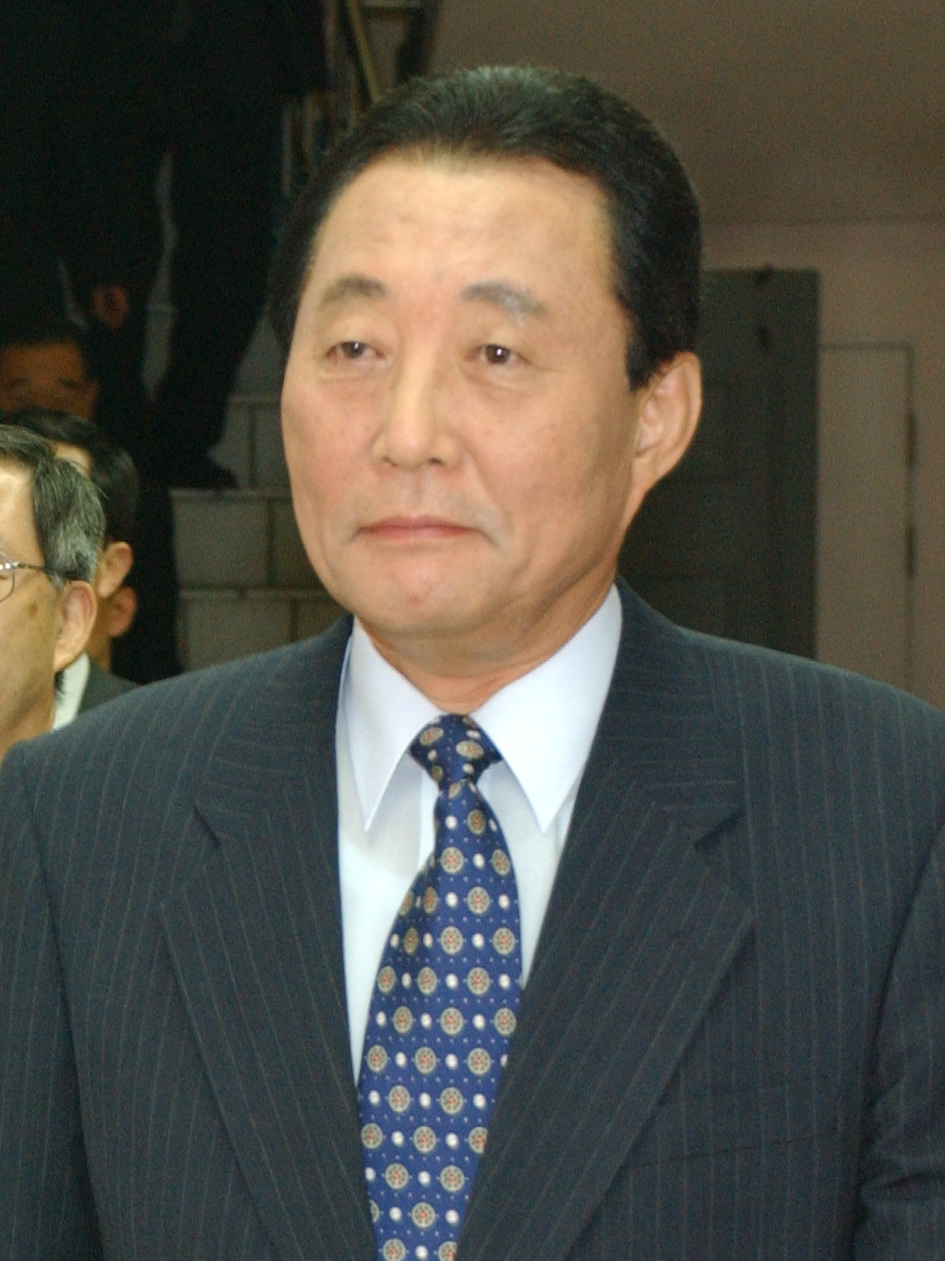
Goh Kun
 South Korea
Birthday
January 2, 1938
Birth Sign
Capricorn
Birthplace
Seoul, South Korea
Age
88 years old
About
Goh Kun is a veteran South Korean politician who has held some of the nation's highest offices over a career spanning more than four decades. He is best known for serving as Prime Minister of South Korea twice, from 1997 to 1998 and again from 2003 to 2004, and for stepping into the role of Acting President for two months in 2004 when President Roh Moo-hyun was impeached. He also led Seoul as its mayor for two separate terms, from 1988 to 1990 and from 1998 to 2002.
Known for his steady, administrative style, Goh is widely regarded as an institutional figure in South Korean politics rather than a flashy one. His long record of public service has earned him respect across party lines, and he is often cited as a model of bureaucratic competence. Even in retirement, he remains a reference point for how South Korea handles political crises. His career has been defined by his ability to navigate both national and municipal governance, and his tenure as acting president during a constitutional crisis solidified his reputation as a stabilizing force.
Early Life & Background
Goh Kun was born on January 2, 1938, in Seoul, at a time when Korea was under Japanese colonial rule. Growing up in the capital during the turbulence of the Korean War and its aftermath shaped his commitment to public service. He entered government early in his career, holding the portfolios of Interior Minister and Agriculture Minister before rising to higher office. These roles gave him a deep understanding of both local governance and national policy, which later proved essential when he became mayor and prime minister.
Specific details about his childhood and formal education are limited in available sources, but his career trajectory indicates he pursued a path in public administration from relatively early in his adult life. His first government roles suggested an early commitment to public service that predated his higher-profile positions.
Career Growth
Goh Kun's breakthrough came when he was appointed Mayor of Seoul for the first time in 1988, a position he held until 1990. He returned to the mayoralty in 1998, and it was during this second term that he oversaw the early stages of the Cheonggyecheon restoration, a project that would transform a congested highway into a celebrated urban park. He served as Prime Minister for the first time from 1997 to 1998, then returned to the role on February 27, 2003, under President Roh Moo-hyun. When Roh was impeached on March 12, 2004, Goh assumed the role of Acting President, a position he held until the Constitutional Court reinstated Roh on May 14, 2004. His steady hand during this constitutional crisis is often credited with maintaining stability. His second prime ministership ended on May 24, 2004.
In May 2003, he visited the U.S. 2nd Infantry Division with Defense Minister Cho Yung-kil to discuss the American troop presence in South Korea. After his second prime ministership ended, he remained a respected elder statesman, and in January 2007, at age 69, he was photographed walking to a press conference in Seoul.
Career Timeline
Public Image & Style
Goh Kun's public image is that of a steady, experienced administrator, a career civil servant who moved through multiple senior government roles with quiet competence. He is not a celebrity figure with a fandom; rather, he is regarded as an institutional statesman. Media portrayals emphasize his longevity in public service and his role as a stabilizing force during the 2004 constitutional crisis. His signature contribution is his administrative ability across both national and municipal levels, and he remains respected for his calm demeanor during times of political turmoil.
He has been compared to later Acting President Hwang Kyo-ahn in political commentary, drawing parallels between their roles during presidential crises. His 2004 acting presidency is often cited as a model of constitutional continuity.
Fame & Fandom (iFAMOUS Rankings)
Goh Kun exists outside the realm of celebrity culture, a reality that defines his unique standing in public life. Unlike pop idols or entertainers who cultivate devoted followings with specific names and rituals, he commands respect as an institutional statesman rather than a figure with a fandom. There is no organized fanbase for him to rally behind chart pushes, subway advertisements, or birthday campaigns; the people who admire his work are constituents and political observers, not fans in the traditional sense. This distinction places him in a category where fame is measured by historical impact rather than viral engagement or consumer consumption.
When evaluating his global reach through the lens of contemporary metrics, the iFANN Global Fame Engine has assessed his profile and determined that Goh Kun currently holds no placement within the published Global Top 1,000 rankings or any specialized Top-100 scope lists. The data confirms there is no documented formal name for his fanbase. He is evaluated as an influential figure whose fame is concentrated in specific historical and regional contexts rather than sustained worldwide popularity across entertainment or media sectors. While he does not appear on the current charts, his presence remains significant in the annals of South Korean governance, reflecting a type of recognition that transcends standard fame indicators.
The scale of his influence is evident in how he navigated complex geopolitical currents without seeking the spotlight, a contrast to modern figures who rely on constant media visibility. His legacy is built on administrative competence during crises like the 2004 constitutional upheaval, a period where his steady hand was crucial. In the broader landscape of global figures, those who serve as stabilizing forces often achieve a different kind of renown, one rooted in duty and continuity rather than the fleeting attention spans of the digital age. For Goh Kun, the absence of a formal ranking simply underscores that his value lies in his service, not in his position on a leaderboard.
Interesting Facts and Legends
Goh Kun stands as one of the rare South Korean politicians to exercise presidential powers without ever being elected president himself. His assumption of the presidency was entirely situational, triggered solely by the impeachment of Roh Moo-hyun. That 2004 saga contained an unexpected twist: the public backlash against the National Assembly's decision ultimately strengthened Roh's political position once he was reinstated. During his second term as mayor, Goh oversaw the Cheonggyecheon project, which transformed a four-lane highway into a five-mile-long public park, becoming one of Seoul's most beloved urban renewal efforts. His brief acting presidency coincided with the launch of South Korea's first bullet train service in March 2004, marking a major national milestone.
Beyond these established facts, his tenure is remembered for navigating intense geopolitical currents. In May 2003, shortly after beginning his second prime ministership, Goh publicly advocated for the continued stationing of U.S. troops in South Korea. This stance drew significant attention given the sensitivity of the issue at the time. He also addressed troop movements and base relocations earlier that year, while simultaneously managing domestic decisions such as the choice not to send South Korean troops to a specific Iraqi city in March 2004. These moments defined his legacy not as a celebrity icon, but as a steady hand guiding the nation through complex transitions.
Family & Personal Life
Goh Kun is married to Cho Hyun-sook. Details about their wedding date, children, and family life have not been made public, reflecting his preference for keeping his personal life private. He had a younger brother named Goh Kyung, who passed away at an early age. Beyond that, little is known about his extended family or upbringing.
Notable Connections
Goh Kun worked closely with President Roh Moo-hyun, serving as his prime minister and acting president during the 2004 impeachment crisis. He also served alongside Defense Minister Cho Yung-kil, with whom he visited U.S. forces in 2003. His predecessor as prime minister was Kim Suk-soo, and he is often compared to later Acting President Hwang Kyo-ahn in political commentary.
Relationships & Dating History
Goh Kun is married to Cho Hyun-sook, though the couple has kept the details of their relationship largely private. No information about the start of their marriage, children, or any prior relationships is publicly available. As a politician from an older generation, Goh has maintained a low profile regarding his personal life, and no reports of divorce or separation have surfaced.
- MarriedCho Hyun-sookCurrentMarried; details about the wedding date are not public.
Salary, Net Worth In 2026
$5 Million
iFANN Editorial Team estimate
iFANN currently estimates Goh Kun's net worth at $5 Million as of 2026. This figure reflects a lifetime of compensation earned through decades of high-level public service rather than private enterprise. As a career politician, his wealth stems from government salaries and pensions accumulated across roles including Interior Minister, Agriculture Minister, Mayor of Seoul, and Prime Minister. Unlike corporate leaders or entertainment figures, South Korean politicians of his generation typically do not amass large public fortunes. His financial growth has remained modest over the years, driven by pension adjustments and savings. No major business ventures or investments are publicly documented, and he has not participated in commercial endorsements. His financial profile mirrors a life dedicated to public service rather than personal enrichment.
Awards Won (1)
While Goh Kun has received various state honours commensurate with his rank as a senior statesman, specific award titles and dates are not publicly documented. His most significant distinctions are his two terms as Prime Minister and his role as Acting President, which themselves represent the highest honours in South Korean public service.
1985
Known For
Prime Minister of South Korea
1997-1998, 2003-2004 · Prime Minister
Acting President of South Korea
2004 · Acting President
Mayor of Seoul
1988-1990, 1998-2002 · Mayor
Keywords
Sources
Quick Facts
- Profession
- politician
- Born
- January 2, 1938
- Birthplace
- Seoul, South Korea
- Gender
- Male
- Spouse
- Cho Hyun-sook
- Birth Sign
- Capricorn
Personal Details
- Full Name
- Goh Kun
- Spouse
- Cho Hyun-sook
Frequently Asked Questions
How old is Goh Kun in 2026?
Was Goh Kun ever acting president?
How many times was Goh Kun prime minister?
Was Goh Kun mayor of Seoul?
Who is Goh Kun's wife?
Join the community
fans discussing