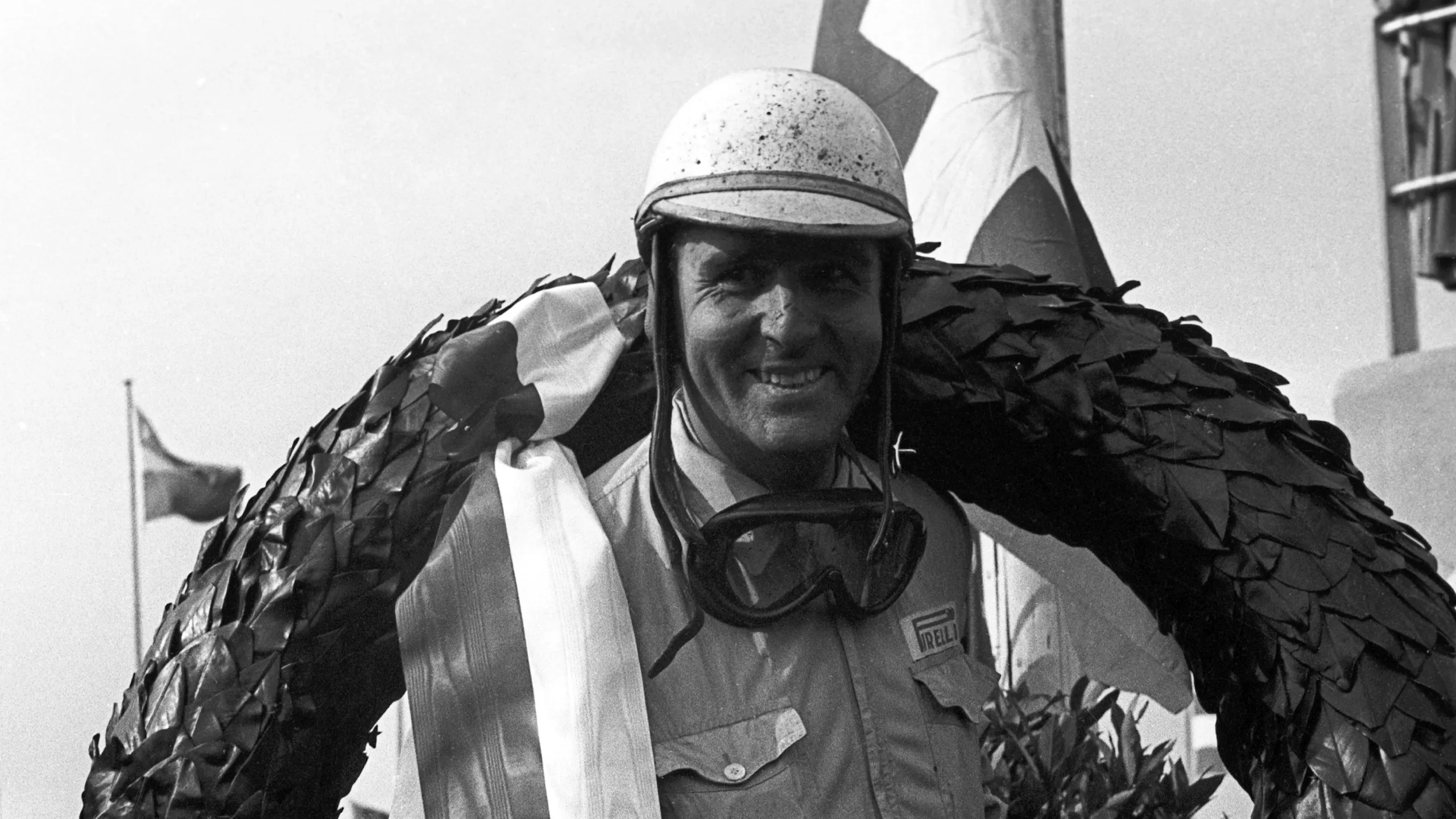
Giuseppe Farina
 Italy
racing automobile driver•Formula One driver
Also known as: Nino Farina, Emilio Giuseppe Farina
Birthday
October 30, 1906
Birth Sign
Sagittarius
Birthplace
Turin, Italy
Age
Died at 59
Height
5 ft 9 in (175 cm)
About
Emilio Giuseppe "Nino" Farina (30 October 1906 – 30 June 1966) was an Italian racing driver and the first-ever Formula One World Drivers' Champion. A pioneer of motorsport, he competed in Formula One from 1950 to 1956, winning five Grands Prix across seven seasons. Farina is historically significant not only for his 1950 championship but also for being the first driver to win a Formula One race, securing victory at the inaugural British Grand Prix in Silverstone on May 13, 1950. His career established the foundation for modern motorsport, blending technical precision with the daring spirit of early racing.
Farina's legacy extends beyond his single-seater achievements. He contributed to the inaugural World Sportscar Championship by winning the Nürburgring 1000 km, the 24 Hours of Spa, and the 12 Hours of Casablanca in 1953 while driving for Ferrari. His ability to read a car's behavior earned him respect from peers like Juan Manuel Fangio and Enzo Ferrari. Born into a wealthy family in Turin, his background as the son of Giovanni Farina provided him with unique access to engineering knowledge and high-performance vehicles from a young age.
Throughout his life, Farina maintained a reputation for elegance and professionalism. He represented the aristocracy of pre-war Italy mixed with the grit required for professional competition. His image remains that of a gentleman driver who brought sophistication to the dangerous world of early motor racing. Posthumous recognition includes induction into the FIA Hall of Fame and frequent appearances in retrospectives ranking him among the greatest motorsports figures. The "Nino Farina Trophy" continues to honor his memory in Italian motorsport events, cementing his place as a foundational figure in the history of racing.
Early Life & Background
Nino Farina grew up in the industrial heart of Turin, surrounded by engineering and automotive innovation. His father Giovanni Farina ran Stabilimenti Farina, a renowned carrozzeria that crafted bodies for high-end vehicles including Alfa Romeo and Lancia. This environment shaped Nino's destiny long before he ever stepped onto a racetrack. By the time he was just nine years old, in 1915, he was already behind the wheel of a two-cylinder Temperino, a small car produced by his family's workshop. This early exposure to machinery fostered a deep understanding of automotive mechanics.
Despite his early passion for speed, Farina pursued a formal education in law at the University of Turin. He balanced his academic studies with a growing obsession for competition, eventually graduating as a qualified lawyer. He also served in the Italian army during the interwar period, gaining discipline that would later serve him well on the track. In 1925, he began participating in hillclimbing events, testing his skills against challenging terrain and building a reputation for daring driving. These early experiences honed his instincts and prepared him for the rigors of professional racing.
His rise accelerated under the mentorship of Tazio Nuvolari, widely considered one of the greatest drivers of all time. Nuvolari recognized Farina's raw talent and guided his development. In 1936, Enzo Ferrari, then sporting director of Alfa Corse, signed Farina to the factory team. That same year, he finished second at the grueling Mille Miglia endurance race driving an Alfa Romeo 8C. Shortly after, he claimed his maiden Grand Prix victory at the Naples Grand Prix in 1937. From 1937 to 1939, he won three consecutive Italian Championships, establishing himself as a dominant force in European motorsport before the outbreak of World War II halted international competition. He also claimed the prestigious Tripoli Grand Prix in 1939, his last major victory before the conflict.
Career Growth
The post-war era marked the beginning of Farina's most significant achievements. He returned to Alfa Corse in 1946, winning the Nations Grand Prix shortly after hostilities ceased. His form peaked in 1948 when he secured four major victories, including a historic triumph at the Monaco Grand Prix. When Formula One officially launched in 1950, Farina was ready. He won the opening British Grand Prix at Silverstone on May 13, becoming the first driver to win a Formula One race. That same year, he clinched the inaugural Formula One World Drivers' Championship, adding wins at the Swiss and Italian Grands Prix to secure the title ahead of his teammate Juan Manuel Fangio.
Although he won the Belgian Grand Prix in 1951, he could not defend his crown as Fangio rose to prominence. In 1952, Farina joined Scuderia Ferrari to drive alongside Alberto Ascari. While unable to challenge Ascari's dominance during those two seasons, he claimed his final Formula One victory at the German Grand Prix in 1953. A string of injuries in 1954 reduced his competitive presence. He retired from Formula One in 1955 following the fatal accident of his friend Alberto Ascari at Monza. He made a brief return in 1956 to compete in the Indianapolis 500 with Kurtis Kraft but failed to qualify. He withdrew from the 1957 race after his teammate Keith Andrews died during practice. Beyond single-seaters, he won the Nürburgring 1000 km, the 24 Hours of Spa, and the 12 Hours of Casablanca in 1953 with Ferrari, contributing to the inaugural World Sportscar Championship.
Career Timeline
Public Image & Style
Farina is portrayed in media as a stylish, daring, yet gentlemanly driver. He represented the elegance of the pre-war Italian aristocracy mixed with the grit of the racing track. His style was characterized by his sharp suits and calm demeanor, contrasting with the more flamboyant personalities of later eras. Standing approximately 1.75 meters tall with an athletic build, he fit the physical profile of a professional racing driver of his era. He was known for his technical precision and ability to read a car's behavior, earning respect from peers and rivals alike. His image remains that of a pioneer who brought sophistication to the dangerous world of early motor racing. Contemporary reports sometimes humorously referred to him as a "doctor of speed," reflecting his legal background and passion for velocity.
Fame & Fandom (iFAMOUS Rankings)
iFANN has not yet collected fame data for this person. He does not appear on the September 2026 iFAMOUS Rankings flagship list.
There is no organized fandom with a specific name for Giuseppe Farina in the modern sense. His supporters are enthusiasts of classic motorsport and Formula One history who often refer to themselves as purists or historians when discussing his era. Fans frequently display his car at events like the Goodwood Revival and participate in annual commemorations of his 1950 championship. The narrative around him focuses on his status as the first champion and his role in establishing the sport's foundation. Articles published in late 2025 and 2026 discuss the lineage of Italian F1 champions, tracing the path from Farina and Alberto Ascari to modern talents like Andrea Kimi Antonelli. Official accounts dedicated to Formula One history and Alfa Romeo heritage frequently post content featuring his image and career highlights, garnering millions of views collectively.
Interesting Facts and Legends
Before becoming a full-time racing driver, Farina was a qualified lawyer who graduated from the University of Turin. His family business, Stabilimenti Farina, designed the bodies for many iconic Alfa Romeos, meaning he literally helped shape the cars he raced. Contemporary reports sometimes humorously referred to him as a "doctor of speed," though this was likely a nickname rather than a medical degree. Despite his European dominance, he struggled with the unique demands of American oval racing. He failed to qualify for the 1956 Indianapolis 500 and withdrew from the 1957 event after a teammate's fatal practice crash. Some historical accounts note his involvement in fatal accidents involving Marcel Lehoux in 1936 and László Hartmann in 1938, incidents now viewed as part of the dangerous, unregulated nature of pre-war racing. He appeared on the covers of contemporary automotive magazines such as Auto Italiana, La Gazzetta dello Sport, and international racing publications like Autocar and Motor Sport. His philosophy centered on the purity of driving and the machine, famously paraphrased as driving because he loved the speed, not the glory.
Notable Quotes
“I drive because I love the speed, not the glory.”
Family & Personal Life
Giuseppe Farina was the son of Giovanni Farina, the founder of Stabilimenti Farina, a prestigious coachbuilder in Turin. His father's business provided Nino with early access to automobiles and engineering knowledge, allowing him to drive a Temperino by age nine. There are no widely documented public records of siblings or extended household members playing a significant role in his biography. Unlike many modern celebrities, Farina did not court the media spotlight in his personal affairs. He remained unmarried throughout his life, dedicating himself entirely to his career and his family's coachbuilding business. He had no children. His private nature meant that historical accounts focus almost exclusively on his professional achievements and his role within the racing community. The family business continued to be managed by descendants after his death, preserving the brand as a symbol of Italian design excellence.
Notable Connections
Relationships & Dating History
Giuseppe Farina was known to be a private man regarding his romantic life, and there are no widely documented public records of marriages, engagements, or long-term relationships in credible biographical sources. Unlike many modern celebrities, Farina did not court the media spotlight in his personal affairs. Historical accounts focus almost exclusively on his professional achievements and his role within the racing community. Consequently, there is no verified dating history, list of partners, or information regarding children born out of wedlock or marriage available in standard motorsport archives or biographies. He remained unmarried throughout his life, dedicating himself entirely to his career and his family's coachbuilding business. As of his death in 1966, his relationship status was single/unmarried. His close relationships were primarily professional, centered around mentors like Tazio Nuvolari and teammates like Alberto Ascari and Juan Manuel Fangio.
Death & Aftermath
Died
June 30, 1966 (aged 59)
Death Place
Chambéry, France
Cause of Death
Car accident trauma
Giuseppe Farina's life ended abruptly on June 30, 1966, while traveling through the French Alps near Chambéry, specifically reported as Aiguebelle in some sources. He was driving his Lotus Cortina to watch the French Grand Prix when he lost control on a winding mountain road and crashed into a tree. The impact caused fatal injuries that took his life at age 59. The official cause of death was trauma sustained in the accident. This tragedy struck deep within the motorsport community, coming just eleven years after the death of his close friend and rival Alberto Ascari. His death sent shockwaves through the racing world, particularly given the recent loss of Ascari.
The racing world mourned deeply with tributes pouring in from legends like Juan Manuel Fangio and Enzo Ferrari, who remembered him as a true gentleman and a pioneer who helped define the sport. His body was returned to Turin for burial in his hometown. Following his death, his legacy continued to grow rather than fade. The Stabilimenti Farina coachbuilding business remained a symbol of Italian design excellence under family management, while his name became synonymous with the dawn of Formula One. Posthumous recognition has been substantial. Documentaries and archival footage keep his story alive for new generations of fans. The "Nino Farina Trophy" honors his memory in Italian motorsport events. Historical retrospectives consistently highlight his role as the first World Drivers' Champion, cementing his place as a foundational figure in the history of racing. His estate continues to generate value through licensing deals and merchandise, preserving the brand associated with his name.
Net Worth (Estate Value)
$5 Million
iFANN Editorial Team estimate
As Giuseppe Farina passed away in 1966, his net worth at the time of death is estimated based on the value of his assets, including his share in the Stabilimenti Farina coachbuilding firm and his racing earnings. Exact figures from 1966 are difficult to pinpoint due to inflation and the private nature of the family business. However, the Farina estate continues to generate revenue through licensing deals, merchandise, and the preservation of his legacy. The brand "Stabilimenti Farina" remains a symbol of Italian design excellence, managed by descendants. There is no publicly available "2026 net worth" figure for Farina himself, as he is deceased; any current valuation refers to the ongoing value of his estate and intellectual property. iFANN currently estimates the estate's value at approximately $5 million based on asset holdings and licensing revenue streams. His racing earnings were substantial for the era, particularly given his success in the 1950s, though exact income figures remain private.
Awards Won (2)
Giuseppe Farina won the Formula One World Drivers' Championship in 1950, the most significant achievement in his career. He is also inducted into the FIA Hall of Fame for his pioneering role in the sport. His contributions to Italian industry and sport are recognized through various national memorials and the "Nino Farina Trophy." He is frequently listed among the greatest motorsports figures in historical retrospectives.
1950 · Driver
Alfa Romeo C50
2006 · Induction
Career Achievement
Known For
Formula One World Drivers' Championship
1950 · Winner
British Grand Prix
1950 · First F1 Race Winner
Monaco Grand Prix
1948 · Winner
Keywords
Sources
Quick Facts
- Profession
- racing automobile driver, Formula One driver
- Born
- October 30, 1906
- Birthplace
- Turin, Italy
- Died
- June 30, 1966
- Death Place
- Chambéry, France
- Gender
- Male
- Birth Sign
- Sagittarius
Personal Details
- Full Name
- Emilio Giuseppe Farina
- Height
- 5 ft 9 in (175 cm)
- Children
- Education
- University of Turin (Law)
Frequently Asked Questions
Who was Giuseppe Farina?
What happened to Giuseppe Farina?
What is Giuseppe Farina's nickname?
Was Giuseppe Farina married?
How many Formula One races did Giuseppe Farina win?
Social Media
Similar People
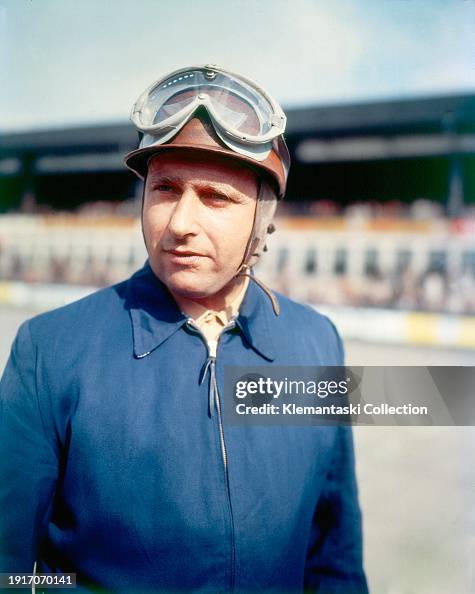

Join the community
fans discussing