 France
About
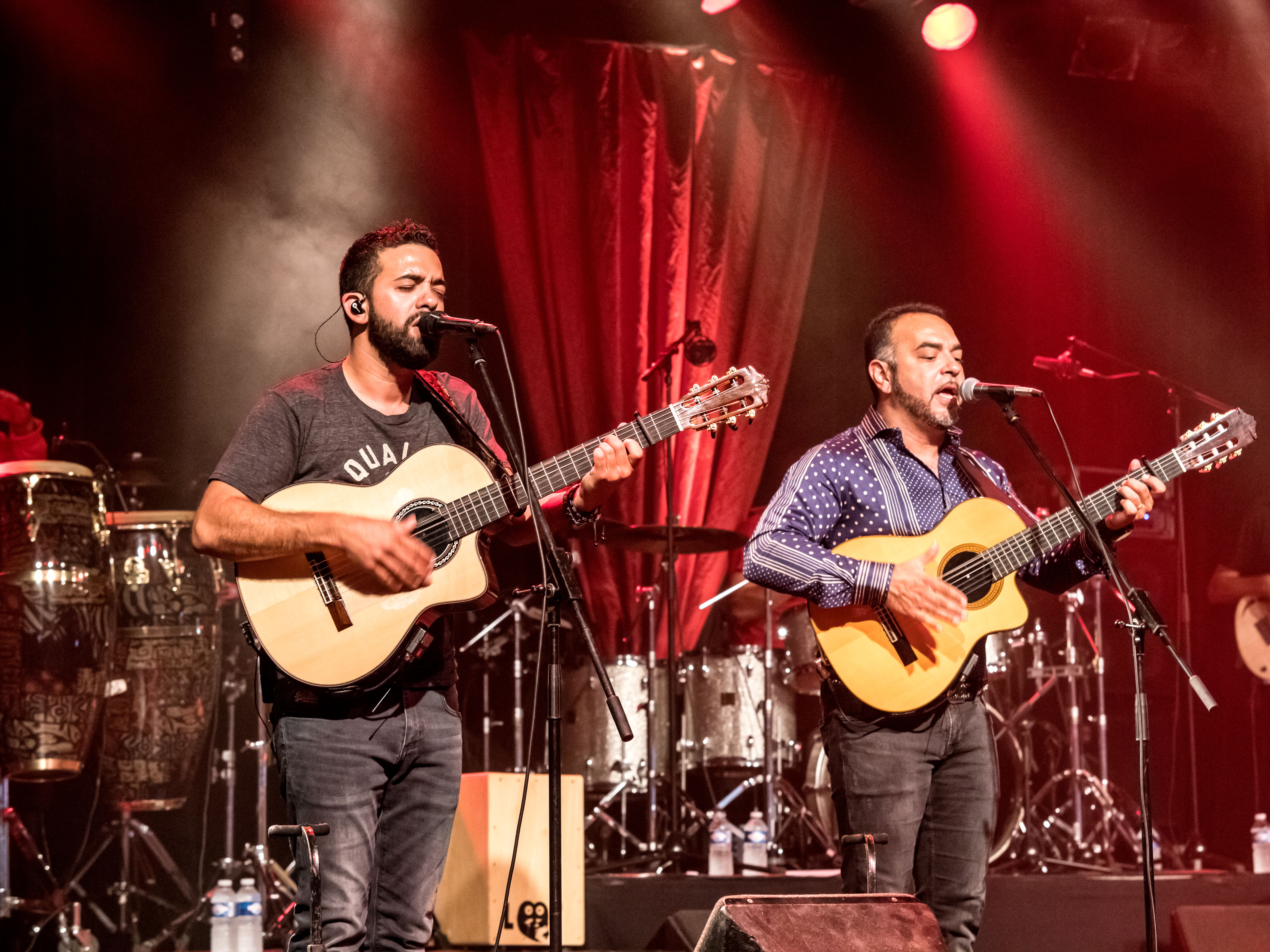
The Gipsy Kings, as of 2026, remain active, though the group has split into two touring entities. One, featuring Nicolas Reyes and Tonino Baliardo, continues to release new music and tour extensively, with their latest album Historia released in 2026. The other, led by André Reyes, also performs under the same name, maintaining a parallel schedule. This unusual arrangement reflects the family dynamics that have always defined the ensemble.
Their legacy is built on a distinctive fusion of flamenco guitar and pop melodies, sung in Spanish, which has earned them a Grammy and a devoted global following. With over 1 million YouTube subscribers and 881 million views, their music continues to reach new generations. The group's concerts draw audiences who come to dance, and their songs like “Bamboléo” remain staples of world music playlists.
Formation Story
The Gipsy Kings began as Los Reyes in Arles, France, in the late 1970s. The Reyes and Baliardo families, both of Spanish Romani descent, had settled in the south of France after their parents fled the Spanish Civil War in the 1930s. Music was a constant in their households, and the younger generation grew up playing guitar and singing at family gatherings.
The group initially performed under the name Los Reyes, playing at local weddings and festivals. In 1982, they changed their name to the Gipsy Kings, a nod to their nomadic heritage and the perpetual motion of the gypsy lifestyle. Their breakthrough came with the 1987 self-titled album, released on Elektra Records, which introduced their rumba flamenca sound to the world. The album's success was propelled by the hit single “Bamboléo,” which became an international sensation.
Before that, the band had struggled to find a foothold, performing in the streets of Saint-Tropez and at private parties. Their big break came when they were invited to open for the French singer Jean-Michel Jarre, which led to a record deal. The recording of the 1987 album was a collaborative effort, with members contributing to the songwriting and arrangements. The album's blend of traditional flamenco guitar with pop structures was fresh and accessible, setting the stage for their long career.
Members
Musical Style
The Gipsy Kings' sound is rooted in rumba flamenca, a style that fuses traditional flamenco guitar techniques with the rhythms of Cuban rumba and the melodies of Western pop. Their music features rapid guitar arpeggios, handclaps, and passionate vocals, often sung in Spanish. Over the years, they have incorporated elements of salsa, pop, and even rock, but the core remains the flamenco guitar of Tonino Baliardo, whose playing is both percussive and melodic.
Their lyrics often touch on love, celebration, and the struggles of life, delivered with an infectious energy that invites dancing. The group's approach to covers, such as their version of “Hotel California,” showcases their ability to reinterpret familiar songs in a distinctly flamenco style. Their 2026 album Historia reflects on their career while pushing their sound forward, with Baliardo noting a desire to “push and keep on going” after more than 40 years.
Discography
| Title | Year |
|---|---|
| Historia | 2026 |
| Savor Flamenco | 2013 |
| Pasajero | 2006 |
| Roots | 2004 |
| Somos Gitanos | 2001 |
| Compas | 1997 |
| Love and Liberté | 1993 |
| Gipsy Kings | 1987 |
Tours
Historia Tour
2026
Cultural Impact
The Gipsy Kings are widely credited with bringing rumba flamenca to a worldwide audience, breaking down barriers for Spanish-language music in the mainstream. Their success in the late 1980s demonstrated that non-English music could achieve global commercial success, paving the way for later Latin music explosions. Their music has been featured in numerous films, most notably “Bamboléo” in The Big Blue (1989), and has been used in countless commercials and TV shows.
The group's influence extends beyond music; they have become cultural ambassadors for flamenco and Romani culture. Their family-based lineup, spanning generations, has inspired other musical dynasties. The Gipsy Kings' enduring popularity, with a career spanning over 45 years, is a testament to the universal appeal of their sound, which transcends language and cultural boundaries.
Fandom Culture
The Gipsy Kings do not have an official fandom name or a distinct fan culture like K-pop groups, but their fans are dedicated and global. Their concerts are known for their lively, dance-friendly atmosphere, with audiences often breaking into spontaneous dancing. The group's music has become a staple at weddings and celebrations worldwide, and their songs are often passed down through generations.
Fan projects are less formal, but the group's YouTube channel and social media pages serve as gathering places for fans to share memories and concert footage. The 2026 release of Historia and its accompanying documentary gave fans a chance to celebrate the group's legacy, with special screening events and tour dates. The split into two touring entities has created a unique situation where fans can choose which lineup to see, each offering a slightly different experience.
Awards Won (2)
Best World Music Album
for: Gipsy Kings
Milestones
Formed as Los Reyes in Arles, France
Changed name to Gipsy Kings
Released breakthrough self-titled album with hit 'Bamboléo'
Released album 'Historia' and accompanying documentary
Fame & Fandom (iFAMOUS Rankings)
Trivia
The group's original name, Los Reyes, means “The Kings” in Spanish, and they changed it to Gipsy Kings to reflect their Romani heritage and nomadic lifestyle.
The band members were born in France, but their parents were Spanish Romani who fled during the 1930s Spanish Civil War.
The Gipsy Kings perform in multiple languages, including Spanish, Catalan, French, and Occitan.
The 2026 album Historia is tied to a documentary about the group, creating a multimedia retrospective of their career.
The group has been described as a “living dynasty” in the music world, reflecting the multi-generational family nature of the ensemble.
Keywords
Sources
Quick Facts
- Formed
- 1979
- Origin
- Arles, France
- Label
- Elektra, Columbia Records, Nonesuch Records
- Genres
- flamenco, rumba, salsa, pop
- Members
- 7
- Status
- Active
Group Info
- Formed
- 1979
- Debut
- 1982
- Debut Song
- Bamboléo
- Origin
- Arles, France
- Label
- Elektra, Columbia Records, Nonesuch Records
- Status
- Active
Also Known As
Join the community
fans discussing