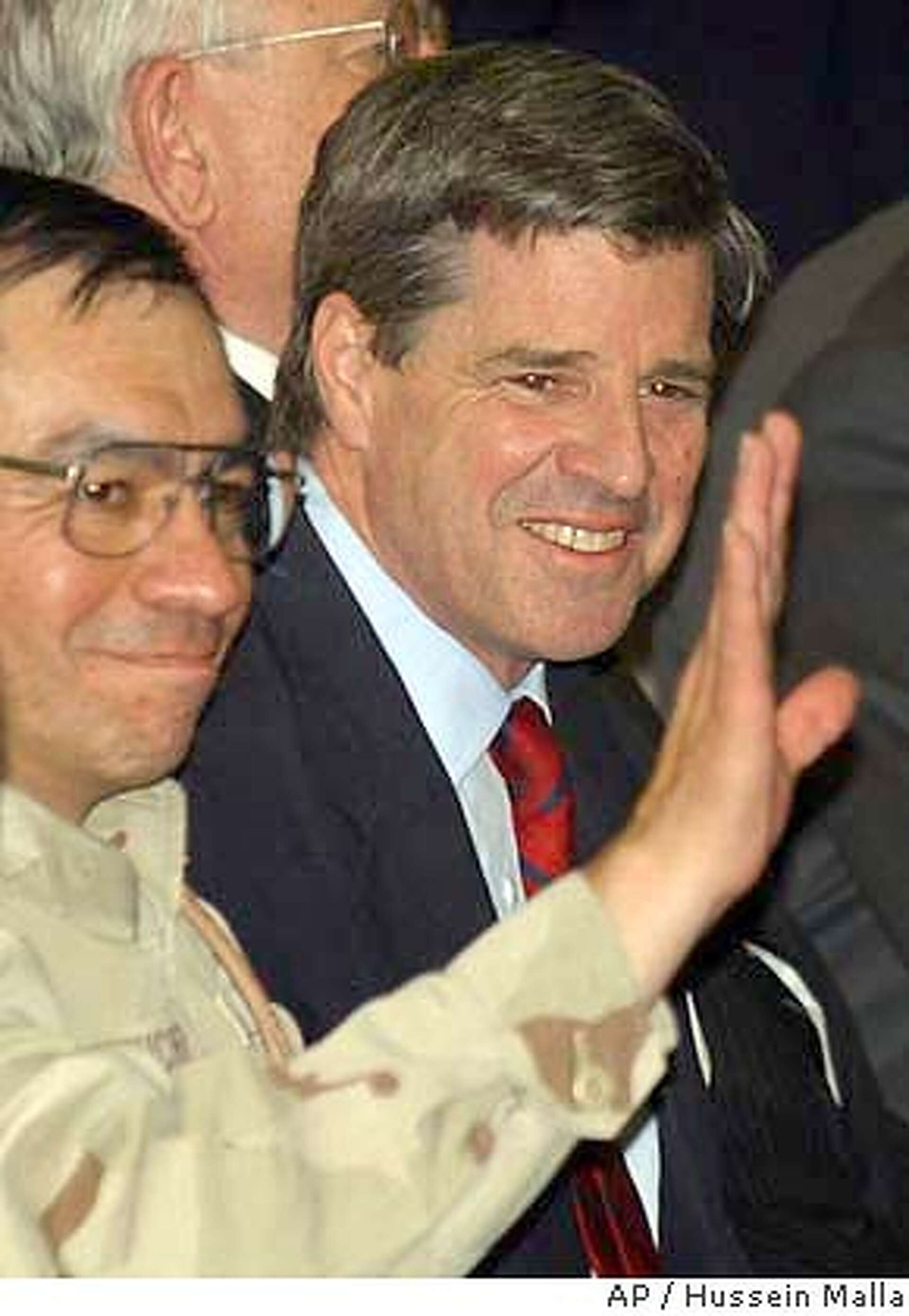
Ghazi Mashal Ajil al-Yawer
 Iraq
Also known as: Ghazi Mashal Ajil al-Yawar
Birthday
March 11, 1958
Birth Sign
Pisces
Birthplace
Mosul, Iraq
Age
68 years old
About
Ghazi Mashal Ajil al-Yawer is an Iraqi politician and engineer who served as the Interim President of Iraq from June 2004 to April 2005. Born in Mosul in 1958, he rose to prominence during the turbulent period following the 2003 US-led invasion. His appointment to the presidency was a pivotal moment for the nation, marking the transition of sovereignty from the Coalition Provisional Authority back to the Iraqi people.
Before taking the highest office in the land, Al-Yawer was a member of the Iraqi Governing Council. He later served as Vice President under the Transitional Government from 2005 to 2006. As a hereditary tribal leader of the Shammar tribe, his influence bridged traditional social structures with modern statecraft, making him a key figure in early post-Saddam governance.
Early Life & Background
Ghazi Mashal Ajil al-Yawer was born into a prominent family in Mosul, a city in northern Iraq known for its complex tribal dynamics. His upbringing was deeply rooted in the region's social fabric, where loyalty to one's tribe often dictated political and social standing. While specific details about his childhood schooling remain sparse in public records, it is well-documented that he pursued higher education in engineering. This technical background became a defining feature of his approach to governance, blending modern administrative skills with traditional values.
Before entering the national spotlight, Al-Yawer was already embedded in the local political landscape of Nineveh province. His status as a hereditary Sheikh of the Shammar tribe, a large confederation spanning both Sunni and Shia members, gave him significant influence among the local population. This tribal leadership provided a foundation of support that would later prove essential when he was selected for national roles. His early career focused on navigating the delicate balance between tribal authority and the demands of a changing political environment in Iraq.
Career Growth
Al-Yawer's political ascent accelerated rapidly after the fall of Saddam Hussein in 2003. In May 2004, he was appointed President of the Iraqi Governing Council, a role he assumed after the initial US-preferred candidate declined the position due to security concerns. This appointment was a strategic compromise designed to ensure broad acceptance across Iraq's sectarian lines. On June 28, 2004, on the day Iraq officially regained sovereignty, Al-Yawer was sworn in as the first President of the Iraqi Interim Government.
In this largely ceremonial but symbolically crucial role, he famously declared that Iraq would not become a puppet of the United States, asserting national dignity during a tense period of insurgency. Following the ratification of the Iraqi Constitution and subsequent elections, he continued his service by serving as Vice President of Iraq from April 2005 to April 2006. During this time, he worked alongside President Jalal Talabani and Prime Minister Ibrahim al-Jaafari to manage sectarian tensions and finalize the country's new constitutional framework. After his term ended in 2006, he stepped back from frontline executive politics but remained a respected elder statesman within the Shammar tribe and the broader Iraqi political establishment.
Career Timeline
Public Image & Style
Al-Yawer is often depicted in photographs wearing traditional Iraqi attire, including the dishdasha (long robe) and the keffiyeh (headdress), which underscores his connection to tribal heritage. He is described as having a dignified and pragmatic demeanor. His public image was that of a bridge-builder, a modern engineer willing to wear traditional robes to unite a fractured nation. Media portrayals highlighted his ability to navigate the complex intersection of tribal loyalty and modern statecraft.
Fame & Fandom (iFAMOUS Rankings)
Ghazi Mashal Ajil al-Yawer has been evaluated by the iFANN Global Fame Engine, but he does not currently hold a placement in the published rankings. He is recognized primarily within the context of Iraqi history and political science rather than global pop culture metrics. As of the September 2026 assessment, he remains outside the Top 1,000 most famous people globally.
There is no documented fanbase name or organized community rituals associated with him. His audience consists primarily of political observers, historians, and citizens interested in Iraq's modern history. Unlike entertainers, he has not cultivated a fandom through merchandise, social media campaigns, or fan projects. His impact is measured in the stability of the institutions he helped establish rather than in popular culture engagement.
Interesting Facts and Legends
Ghazi Mashal Ajil al-Yawer was chosen as president after the US-preferred candidate, nuclear scientist Adnan Pachachi, declined the largely ceremonial post. His selection was seen as a necessary compromise to ensure a balance between tribal representation and the need for a Sunni Arab leader. One of his most publicly significant statements came on June 5, 2004, when he declared that Iraq would not become a US "puppet," a position that resonated internationally and became a defining moment of his tenure.
Earlier, in May 2004, he had publicly called for better security protection for Iraqi officials. This request highlighted the extreme danger faced by leaders at the time, particularly after the assassination of his predecessor in a car bomb just weeks prior. His tribal leadership of the Shammar tribe adds a layer of historical depth to his political role, as he navigated the intersection of ancient tribal loyalties and modern statecraft.
Notable Quotes
“Iraq will not become a puppet of the United States.”
“We must ensure better security for our officials.”
Family & Personal Life
As a high-profile statesman in a conservative society, Al-Yawer maintains a low profile regarding his private life. There is no publicly available information detailing his romantic history, dating life, or specific marital partners. Unlike entertainment figures, politicians of his stature in Iraq often keep their family lives strictly out of the public eye to protect them from the dangers associated with political violence. No credible sources document any engagements, divorces, or public relationships. Consequently, there is no record of children or spouses in open biographical databases. The absence of such data reflects a cultural norm rather than a lack of significance.
Notable Connections
Jalal Talabani, Adnan Pachachi, Paul Bremer
Relationships & Dating History
As a high-profile statesman in a conservative society, Al-Yawer maintains a low profile regarding his private life. There is no publicly available information detailing his romantic history, dating life, or specific marital partners. Unlike entertainment figures, politicians of his stature in Iraq often keep their family lives strictly out of the public eye to protect them from the dangers associated with political violence. No credible sources document any engagements, divorces, or public relationships. Consequently, there is no record of children or spouses in open biographical databases. As of 2026, his relationship status remains private; however, given his age and the nature of his public service, he is widely assumed to be married or widowed, though no official confirmation exists. The absence of such data reflects a cultural norm rather than a lack of significance.
Salary, Net Worth In 2026
$5 Million
iFANN Editorial Team estimate
Specific net worth figures for Ghazi Mashal Ajil al-Yawer are not publicly disclosed. As a politician in a developing nation emerging from war, his income likely consisted of government salaries and potentially tribal assets. Unlike celebrity figures, he does not have a public portfolio of business ventures, endorsement deals, or real estate holdings reported in financial outlets. Estimates of his wealth are speculative and generally considered modest relative to the vast resources controlled by the state or oil magnates. The iFANN Editorial Team estimates his current net worth at approximately $5 Million based on available data regarding senior civil servant compensation and tribal assets in the region.
Awards & Accolades
View 2 records, honours and achievementsKnown For
Interim President of Iraq
2004-2005 · Political Office
Vice President of Iraq
2005-2006 · Political Office
Keywords
Sources
Quick Facts
- Profession
- politician, engineer
- Born
- March 11, 1958
- Birthplace
- Mosul, Iraq
- Gender
- Male
- Birth Sign
- Pisces
Personal Details
- Full Name
- Ghazi Mashal Ajil al-Yawar
- Children
- Education
- Engineering degree
Frequently Asked Questions
Who is Ghazi Mashal Ajil al-Yawer?
When was Ghazi Mashal Ajil al-Yawer born?
What did Ghazi Mashal Ajil al-Yawer do before becoming president?
Is Ghazi Mashal Ajil al-Yawer still alive?
Why was Ghazi Mashal Ajil al-Yawer appointed president?
Similar People
Join the community
fans discussing