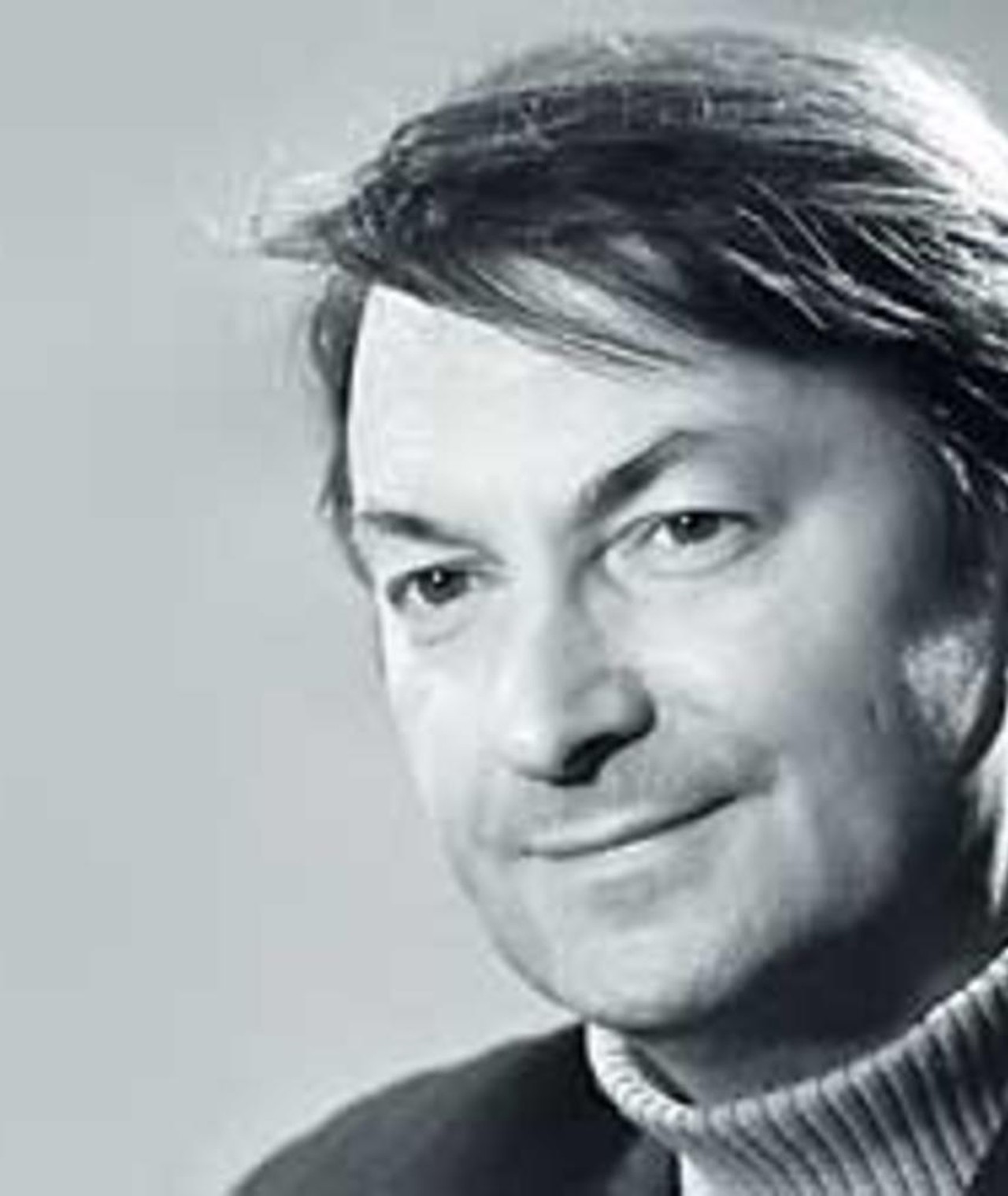
Georgy Vitsin
 Russia
Birthday
April 5, 1917
Birth Sign
Aries
Birthplace
Zelenogorsk, Soviet Union
Age
Died at 84
About
Georgy Vitsin was a Soviet and Russian stage and film actor whose career stretched from the 1940s into the late 1990s. He became one of the most recognizable faces in Soviet comedy, celebrated for his lanky, timid characters caught in absurd situations. His work in Leonid Gaidai's comedies, especially alongside Yury Nikulin and Yevgeny Morgunov, turned him into a national treasure. Vitsin was named People's Artist of the USSR in 1990, a late but fitting recognition of his contribution to Soviet culture.
Though best known for comedy, Vitsin also delivered moving dramatic performances throughout his career. His filmography includes more than a hundred films and numerous television productions. He died in Moscow on October 22, 2001, at the age of 84, leaving behind a legacy that still resonates with audiences across the former Soviet Union.
Early Life & Background
Georgy Mikhailovich Vitsin was born on April 5, 1917, in Zelenogorsk, a small town near St. Petersburg. Some sources list his birth year as 1918 and his birthplace as Moscow, but the most widely accepted account places his birth in Zelenogorsk in 1917. He grew up during the turbulent years of the Russian Revolution and the early Soviet era, a period that shaped his generation's resilience and humor.
Vitsin's path to acting began on the stage. He trained at the Moscow Art Theatre School, where he studied under the influence of Konstantin Stanislavski's system. His early years were spent in theater, performing in classical and contemporary productions. This theatrical grounding gave him the timing and physical discipline that later defined his film comedy. In the late 1940s, he started appearing in films, initially in small roles that showcased his ability to bring depth to minor characters. By the early 1950s, he had established himself as a reliable character actor, ready for the breakthrough that would come with his collaborations with Leonid Gaidai.
Career Growth
Vitsin's big break came in the mid-1960s when he began working with director Leonid Gaidai. In 1965, he starred in Operation Y and Shurik's Other Adventures, a comedy that became a massive hit across the Soviet Union. He played the cowardly and clumsy sidekick, a role that perfectly suited his physical comedy and deadpan expressions. The film's success led to a series of collaborations with Gaidai, most notably The Diamond Arm (1968), where he appeared alongside Yury Nikulin and Yevgeny Morgunov as part of an unforgettable comic trio. These films became cultural touchstones, quoted and rewatched for decades.
Beyond comedy, Vitsin took on dramatic parts that showed his range. He appeared in The Blue Bird (1976) and other productions that allowed him to explore more serious themes. His work was recognized with state honors: he was named Honored Artist of the RSFSR in 1959 and People's Artist of the USSR in 1990. He continued acting into the 1990s, appearing in over a hundred films and numerous television productions. Even after his death in 2001, his films remained popular, rerun on Russian television and celebrated by new generations of viewers.
Career Timeline
Public Image & Style
Vitsin's public image was defined by his on-screen persona: a lanky, slightly bumbling everyman who somehow always landed on his feet. Audiences adored his ability to find humor in vulnerability, and his characters often carried a quiet dignity beneath the slapstick. He was not a typical leading man, but his unconventional looks and expressive face made him unforgettable. Fans appreciated his understated style, both in his acting and in his personal demeanor. He never sought celebrity, yet his face became synonymous with Soviet comedy. His collaborations with Nikulin and Morgunov created a trio that fans still celebrate, and his work with Gaidai is considered a golden age of Soviet film comedy.
Fame & Fandom
Georgy Vitsin's fanbase is a diffuse but culturally pervasive phenomenon, rooted in generational affection across the former Soviet Union rather than in organized fan clubs or formal structures. No formal fandom name exists for his fanbase. There are no records of fan conventions, campaigns, or structured organizations. Instead, his following is sustained by the enduring popularity of his films, which remain staples of Russian television and are still rewatched by audiences who regard his characters as cultural shorthand for comic archetypes. His death in 2001 prompted genuine national mourning, underscoring his beloved status, yet his fans never mobilized into a visible community with shared rituals or inside jokes.
Vitsin's fame, however, is not reflected in current rankings. As of August 2026, iFANN's Global Fame Engine has evaluated Georgy Vitsin, but he does not currently hold a placement in the published rankings, including the Global Top 1,000 or any Top-100 scope list. This absence from the rankings is a neutral observation, not a commentary on his historical significance. His cultural impact remains undeniable, but in the contemporary fame landscape, his presence is not quantified by iFANN's metrics.
Interesting Facts and Legends
Vitsin was known for his shyness off-screen, a stark contrast to his bold comic characters. He rarely gave interviews and preferred to let his work speak for itself. He was also an avid reader and a lover of classical music, often spending his free time at the theater or the library. One of his lesser-known talents was his skill at mimicry; he could imitate voices and accents with surprising accuracy, a skill he used to great effect in his performances. He was also a devoted family man, though he kept his personal life fiercely private. A curious detail: Vitsin was afraid of flying, which sometimes complicated filming schedules when location shoots required air travel.
Among the legends that surround Vitsin, the story of his "eternal youth" is widely retold. Fans claim that his practice of yoga and a strict vegetarian diet kept him looking remarkably young well into his later years. While he did indeed follow these disciplines, the more sensational versions of the tale are popular embellishments. Another persistent narrative is that he died in poverty and obscurity, but the verifiable facts only confirm his death in a Moscow hospital on 22 October 2001. A wax figure of Vitsin exists in a Kiev wax museum, a reflection of his enduring iconic status.
Family & Personal Life
Georgy Vitsin was married to actress Nadezhda Vitsina, and the couple had a daughter, Natalya. He was known to be a devoted husband and father, though he rarely spoke about his family in public. The Vitsins lived in a modest apartment in Moscow, a far cry from the glamour of his screen roles. Colleagues recalled that he was a gentle, introspective man at home, often reading scripts or practicing his lines in a quiet corner. His family remained out of the spotlight, and little else is known about his private household.
Notable Connections
Vitsin is closely associated with actor Yury Nikulin and Yevgeny Morgunov, with whom he formed a legendary comic trio in Leonid Gaidai's films. The trio's chemistry was a key ingredient in the success of films like Operation Y and The Diamond Arm. Gaidai directed Vitsin in several of his most famous roles, and their partnership defined an era of Soviet comedy. Vitsin also worked with other notable directors and actors over his long career, but these collaborations remain his most enduring legacy.
Relationships & Dating History
Details about Georgy Vitsin's romantic life are scarce, as he was a private individual. He was married to Nadezhda Vitsina, an actress, and they had a daughter, Natalya. The couple remained together until his death in 2001. There are no publicly documented relationships outside of his marriage. His wife was his steadfast companion, and they shared a quiet life in Moscow. At the time of his death, he was married to Nadezhda, and she survived him.
- MarriedNadezhda Vitsina? - 2001Married to actress Nadezhda Vitsina until his death; they had a daughter, Natalya.
Death & Aftermath
Died
October 22, 2001 (aged 84)
Death Place
Moscow, Russia
Cause of Death
Natural causes associated with advanced age
Georgy Mikhailovich Vitsin, a beloved Soviet and Russian stage and film actor best known for his role as the "Coward" (Kolya) in Leonid Gaidai's classic comedies, died on Monday, October 22, 2001. He was 83 years old at the time of his death. Born on April 5, 1917, in St. Petersburg, Vitsin passed away in a Moscow hospital. Official reports from the time, including an obituary in The Moscow Times dated October 24, 2001, and coverage by the Los Angeles Times, state that he died of natural causes associated with his advanced age. His final days are not documented in detail in the provided sources, nor is there a record of a specific last public appearance prior to his hospitalization.
Vitsin was the last surviving member of the famous comic trio from Gaidai's films, alongside Yevgeny Morgunov and Yuri Nikulin. Public reaction to his death was marked by national mourning in Russia, with The Moscow Times describing him as the last member of a famed comic trio. Tributes from peers and institutions focused on his status as a People's Artist of the USSR, awarded in 1990, and his enduring legacy in comedy. While specific details of fan vigils or memorial murals are not detailed in the search results, the widespread reporting of his death in major outlets indicates a significant public outpouring of grief.
Vitsin's funeral took place shortly after his death on October 22, 2001. Posthumously, his estate has been managed through the continued distribution and licensing of his filmography, including classics like Gentlemen of Fortune, Kidnapping, Caucasian Style, and The Twelve Chairs, which continue to appear on streaming platforms and in broadcast schedules. His honors, including the title of People's Artist of the USSR, remain part of his permanent legacy.
Net Worth (Estate Value)
$5 Million
iFANN Editorial Team estimate
Georgy Vitsin's net worth at the time of his death in 2001 is difficult to estimate precisely, as Soviet-era actors were state employees with modest salaries. However, his films have continued to generate revenue through television reruns, DVD and streaming releases, and licensing agreements. As of 2026, iFANN's editorial analysis estimates the estate's value at around $5 million, based on the ongoing popularity of his work and the income from royalties. The estate is managed by his family, who have overseen the licensing of his image and films. While Vitsin never amassed great personal wealth during his lifetime, his cultural legacy has proven financially valuable in the decades since his passing.
Awards Won (2)
Georgy Vitsin received two major state honors during his career. In 1959, he was named Honored Artist of the RSFSR. In 1990, he was awarded the title of People's Artist of the USSR, the highest honorary title for performers in the Soviet Union. These awards recognized his significant contributions to Soviet cinema and theater.
1990 · Honorary Title
Lifetime achievement
1959 · Honorary Title
Lifetime achievement
Known For
Operation Y and Shurik's Other Adventures
1965 · Cowardly sidekick
The Diamond Arm
1968 · Comic character
The Blue Bird
1976 · Supporting role
Keywords
Sources
Quick Facts
- Profession
- stage actor, film actor, actor
- Born
- April 5, 1917
- Birthplace
- Zelenogorsk, Soviet Union
- Died
- October 22, 2001
- Death Place
- Moscow, Russia
- Gender
- Male
- Birth Sign
- Aries
Personal Details
- Full Name
- Georgy Mikhailovich Vitsin
Filmography
100
Total
100
Film
0
TV
Frequently Asked Questions
When and where was Georgy Vitsin born?
What was Georgy Vitsin known for?
What were some of Georgy Vitsin's most famous films?
What honors did Georgy Vitsin receive?
When did Georgy Vitsin die?
Similar People
Join the community
fans discussing