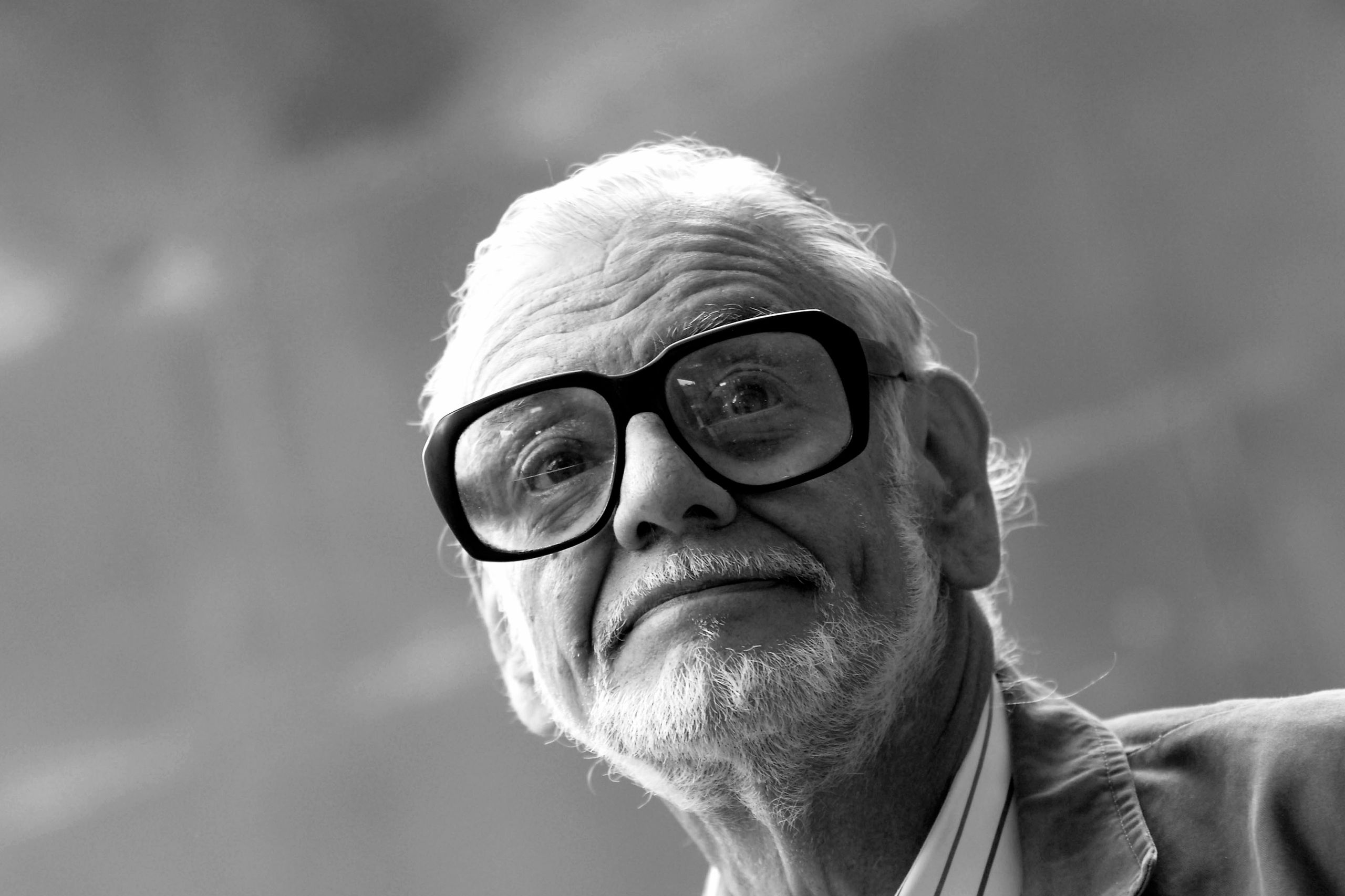
George A. Romero
 Canada
film director•film producer•film editor
Also known as: George Romero, George A. Romero, Grandfather of Zombies
Birthday
February 4, 1940
Birth Sign
Aquarius
Birthplace
New York City, New York, USA
Age
Died at 77
Height
5 ft 10 in (178 cm)
About
George Andrew Romero was an American-Canadian filmmaker who redefined the horror genre through his iconic zombie films and sharp social commentary. Born in New York City on February 4, 1940, to Italian-American parents, he spent much of his career in Pittsburgh before settling in Toronto, where he passed away on July 16, 2017, at the age of 77 due to lung cancer. Known as the "Father of the Modern Zombie" and the "Grandfather of Zombies," his work transformed the undead from voodoo-controlled slaves into mindless, flesh-eating hordes that serve as metaphors for consumerism, war, and societal decay.
His legacy is defined by a body of work that continues to influence cinema decades after his death. The Living Dead trilogy, Night of the Living Dead, Dawn of the Dead, and Day of the Dead, stands as a cornerstone of horror history, blending practical effects with biting satire. He was granted Canadian citizenship in 2009 and received honorary doctorates from Carnegie Mellon University and the University of Pittsburgh. Even in 2026, his unfinished script for Twilight of the Dead remains a focal point for fans and filmmakers alike, ensuring his creative vision endures beyond his passing. His unique ability to ground fantastical stories in gritty realism through natural lighting and non-professional actors set him apart as a working-class storyteller who cared more about message than glamour.
Early Life & Background
George Andrew Romero grew up in the boroughs of Queens and later the Bronx, developing an early fascination with visual storytelling. His childhood was marked by a rebellious spirit that would later define his filmmaking style. As a teenager, he demonstrated an audacious approach to practical effects that often landed him in trouble. In one notable incident, he was arrested for hurling a flaming dummy off a roof while filming an 8mm short titled The Man from the... This act highlighted his commitment to cinematic experimentation, even at the risk of legal consequences.
After high school, Romero attended Carnegie Mellon University in Pittsburgh, Pennsylvania, where he studied advertising and film. It was here that he met future collaborator John A. Russo. Following graduation, he worked as a commercial director and editor for DuMont Television Network and later for WQED in Pittsburgh. His early career focused on creating industrial films and commercials, which honed his skills in low-budget production and efficient storytelling. In 1963, he co-founded Image Ten, a non-profit organization dedicated to independent filmmaking. This collective would eventually produce his breakthrough work, setting the stage for a revolution in horror cinema. Before this success, he had no major public recognition, relying on these industrial projects to build the technical foundation for his future masterpieces.
Career Growth
1968 marked the pivotal moment in Romero's career and horror history with the release of Night of the Living Dead. Made on a shoestring budget of roughly $114,000, this black-and-white film revolutionized the zombie genre by introducing mindless, flesh-eating ghouls rising from the dead. The film became a cultural phenomenon, grossing over $30 million despite its lack of stars and open ending. Its casting of a Black protagonist, Duane Jones, sparked intense debate during a time of racial tension.
Romero expanded his universe with 1978's Dawn of the Dead, often considered his masterpiece. Set in a shopping mall, this sequel offered a biting satire of consumerism and became a massive commercial success. He followed this with 1985's Day of the Dead, set in a military bunker, which explored themes of human degradation and the futility of war. While initially divisive, it gained a cult following for its complex character studies. Beyond the Living Dead saga, he directed The Crazies in 1973, exploring government conspiracy, and collaborated with Stephen King on the anthology film Creepshow in 1982. He also made Knightriders in 1981, a departure from horror focusing on medieval reenactors. His later works included Bruiser in 2000 and Diary of the Dead in 2007. His final original zombie film, Survival of the Dead, arrived in 2009, continuing his exploration of societal fractures. Throughout his career, he won multiple Fangoria Chainsaw Awards and a Saturn Award for Best Director, cementing his status as a legendary figure in speculative fiction.
Career Timeline
Public Image & Style
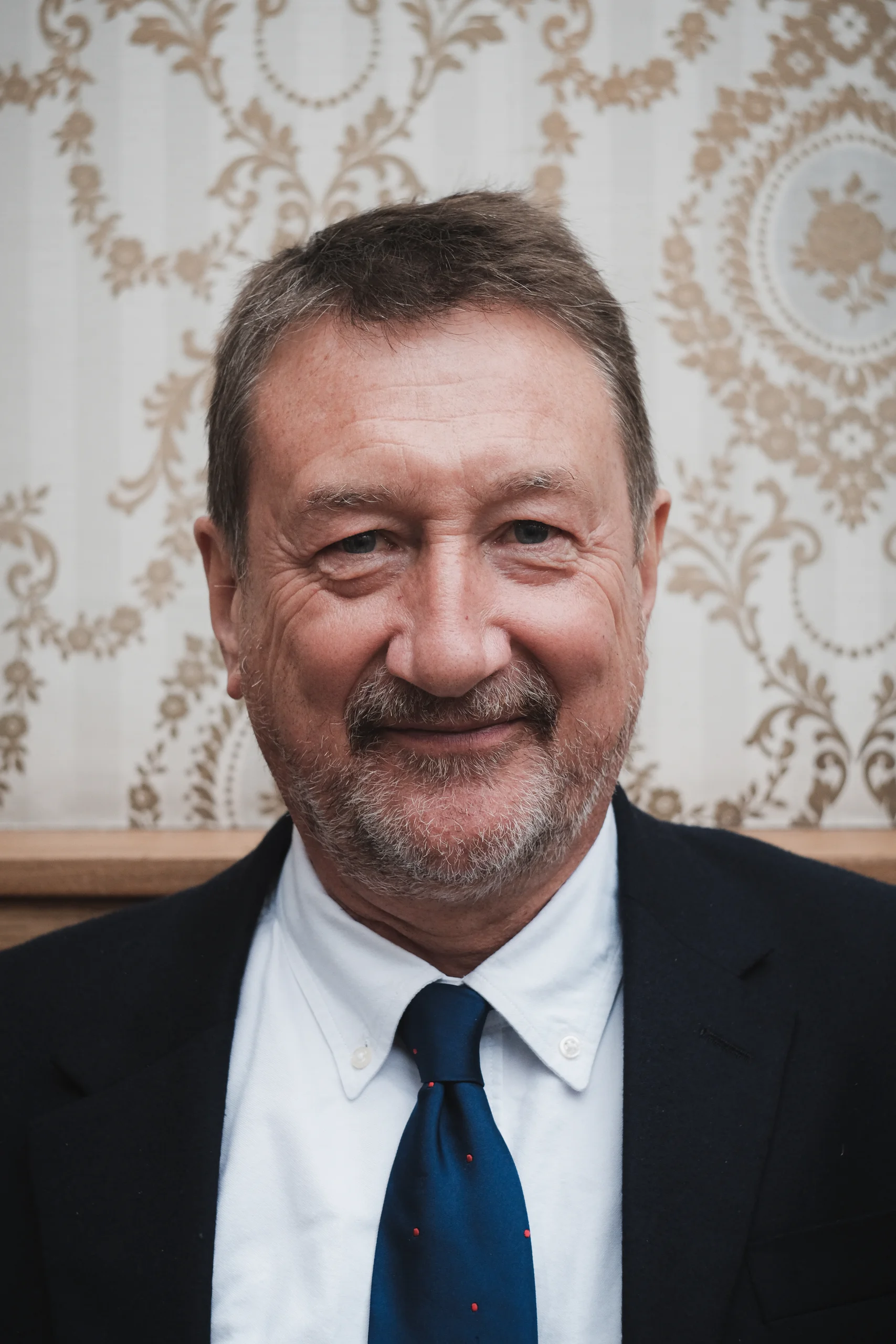
Romero was portrayed in the media as a humble, intellectual, and deeply humane artist. Unlike the stereotypical "mad scientist" director, he was seen as a thoughtful observer of society who used horror to critique capitalism, racism, and war. His signature style was gritty realism, utilizing natural lighting and non-professional actors to ground his fantastical stories in reality. He was known for his casual attire, often wearing t-shirts and jeans, and his approachable demeanor at conventions. Standing approximately 5' 10", he possessed a distinctively unpretentious presence that endeared him to fans worldwide.
He frequently attended fan events without pretension, spending hours talking to admirers and signing autographs. This accessibility made him beloved within the community, distinguishing him from other directors of his era. His public image was that of a working-class storyteller who cared more about the message of his films than the glamour of Hollywood. He rarely appeared on major fashion or celebrity covers, preferring to remain behind the camera, yet his influence permeated global culture. Tributes poured in from directors like Steven Spielberg and Guillermo del Toro upon his death, solidifying his reputation as a mentor and inspiration to a generation of filmmakers.
Fame & Fandom (iFAMOUS Rankings)
George A. Romero's global fame rests on a singular legacy: he redefined the zombie genre and became a cultural touchstone whose influence extends far beyond horror cinema. His name is synonymous with the modern zombie, and his films continue to be studied, referenced, and celebrated worldwide. According to the iFANN Global Fame Rankings data from September 2026, Romero holds the position of the 96th most famous person from Canada, a placement reflecting his enduring impact on Canadian culture and international cinema. Rolling Stone and TIME Magazine have ranked his key films among the greatest movies of all time.
While there is no single formal name for Romero's fandom, his followers are deeply engaged and organized. Fans refer to themselves as horror enthusiasts or zombie aficionados, treating his entire filmography with serious attention. The Monroeville Mall in Pennsylvania has become a pilgrimage site, with annual events and screenings that draw visitors from around the globe. The fanbase has also been instrumental in advocating for the completion of his final film, Twilight of the Dead, which saw new developments in 2026 with the casting of Kate Beckinsale and the involvement of Greg Nicotero. Such efforts underscore a community that treats Romero's work as worthy of preservation and celebration. Social media pages managed by his estate maintain active followings, keeping the conversation alive across platforms.
Interesting Facts and Legends
George A. Romero composed the eerie, dissonant soundtrack for Night of the Living Dead himself using a tape recorder and various household objects rather than hiring a professional composer. The line "They're coming to get you, Barbara" from that film has become arguably the most quoted line in zombie cinema, serving as a rallying cry for fans worldwide. Another famous phrase, "Hello Aunt Alicia," from Day of the Dead, has been embraced by devotees and even inspired a retrospective review title in March 2026.
Romero mentored Greg Nicotero, who went on to create the special effects for The Walking Dead TV series, carrying the torch of Romero's practical effects legacy. In 2026, a previously unknown 1973 horror film commissioned by a church surfaced after being hidden for fifty years, receiving a 97% score on Rotten Tomatoes. Fans also celebrate the Monroeville Mall in Pennsylvania, the setting for Dawn of the Dead, as a pilgrimage site with annual events drawing thousands of visitors. Additionally, in August 2026, reports emerged regarding the discovery of the original ending for Night of the Living Dead, which featured the character Barbra surviving, contrasting with the famous tragic ending. Korean director Yeon Sang-ho discussed Romero's influence on his film Colony in interviews in August 2026, highlighting how Romero's themes reflect modern societal anxieties. These facts illustrate the enduring and evolving nature of his creative footprint.
Notable Quotes
“I think the zombie is the ultimate metaphor for the consumer. We just keep eating, eating, eating.”
“I'm not interested in making movies that just scare people. I want them to think.”
“The living dead are a reflection of our own society.”
Family & Personal Life
George A. Romero was born to Italian-American parents in New York City and grew up in Queens and the Bronx. His family life was relatively private compared to his public persona, though they were known for their warmth and dedication to preserving his work. He maintained close ties with his hometown of Pittsburgh and later established roots in Toronto, Canada. His personal circle included his daughter Kristine Romero from his first marriage. The family unit was central to his life, providing a grounding force amidst his chaotic professional world. They were known for their support of his artistic endeavors and their efforts to keep his memory alive after his passing. The family's dedication ensured that his legacy remained intact and respected within both the industry and the general public.
Notable Connections
Relationships & Dating History
George A. Romero was married twice throughout his life. His first marriage was to Nancy Loomis in 1964. Nancy played a significant role in his early career, serving as a producer and manager for many of his projects, including Night of the Living Dead. They had one daughter together, Kristine Romero. The couple divorced in 1987 after a long marriage, marking the end of their professional and personal partnership. Nancy remained involved in the industry but stepped back from active management roles following the split.
In 1992, Romero married Christine Forrest. She became his primary partner during his later years and was instrumental in managing his estate and legacy after his death. They did not have children together. Christine survived him and has continued to guard his intellectual property and lead the George A. Romero Foundation. As of 2026, Romero is deceased and was widowed by Christine Forrest, who continues to manage his affairs. There are no reported dating relationships or new partnerships following his passing. His second wife's stewardship has been crucial in maintaining the integrity and value of his extensive catalog of work.
- MarriedNancy Loomis1964 - 1987First wife and producer; divorced after 23 years; had one daughter together.
- MarriedChristine Forrest1992 - 2017Second wife; managed his estate and legacy after his death; no children together.
Death & Aftermath
Died
July 16, 2017 (aged 77)
Death Place
Toronto, Ontario, Canada
Cause of Death
Lung cancer
George A. Romero spent his final years residing in Toronto, Ontario, where he maintained a private life away from the public eye while continuing to oversee projects for his estate. On July 16, 2017, the filmmaker passed away at St. Michael's Hospital in that city at the age of 77 after battling lung cancer for several years. His family released a statement confirming the cause of death as natural causes resulting from the disease. The announcement drew immediate tributes from major publications such as The New York Times and the Los Angeles Times, which honored him as the creator of the modern zombie genre and an inspiration for generations of filmmakers.
Following the news, streaming platforms and retailers reported significant surges in interest and sales for his filmography, particularly Night of the Living Dead from 1968. Specific details regarding funeral arrangements, burial locations, or attendee lists remain undisclosed by the family, suggesting the services were held privately. In the years since his passing, the George A. Romero Foundation has continued to operate and support new talent while his estate manages ongoing developments, including a treatment for Twilight of the Dead intended to conclude his Living Dead series.
Net Worth (Estate Value)
$20 Million
iFANN Editorial Team estimate
George A. Romero died in 2017 with an estimated net worth between $10 million and $15 million, derived primarily from royalties, residuals, and the sale of his film rights. Research by the iFANN Editorial Team puts his estate's value at approximately $20–25 million as of 2026, reflecting significant growth due to posthumous licensing, merchandise, and the development of new projects. Forbes estimates total earnings from his filmography exceed $100 million globally.
The estate is managed by his widow, Christine Forrest, and the George A. Romero Foundation. Revenue streams include continuous royalties from streaming rights of the Living Dead trilogy and other films, licensing deals for merchandise, video games like the Dead Rising series, and theme park attractions. The upcoming Twilight of the Dead and related media projects contribute to the estate's income, ensuring his financial legacy continues to expand. The Foundation supports aspiring filmmakers, funded by estate proceeds, ensuring his wealth serves a charitable purpose. Conservative estimates place the current liquid and IP value around $20–25 million, with projections suggesting continued growth as new adaptations and retrospectives are released.
Awards Won (5)
While Romero was often overlooked by mainstream award ceremonies during his lifetime, his impact has been recognized through numerous lifetime achievement awards and hall of fame inductions. He won multiple Fangoria Chainsaw Awards for Best Director and received a Saturn Award for Day of the Dead. The Directors Guild of America honored him with a Special Achievement Award, and he was inducted into the Horror Hall of Fame. His contributions to speculative fiction earned him a Hugo Award, and he received honorary doctorates from Carnegie Mellon University and the University of Pittsburgh.
1985 · Best Director
Day of the Dead
1978 · Best Director
Dawn of the Dead
1985 · Best Director
Day of the Dead
Known For
Night of the Living Dead
1968 · Director
Dawn of the Dead
1978 · Director
Day of the Dead
1985 · Director
Creepshow
1982 · Director
The Crazies
1973 · Director
Keywords
Sources
Quick Facts
- Profession
- film director, film producer, film editor
- Born
- February 4, 1940
- Birthplace
- New York City
- Died
- July 16, 2017
- Death Place
- Toronto
- Gender
- Male
- Spouse
- Nancy Romero, Christine Forrest
- Birth Sign
- Aquarius
Personal Details
- Full Name
- George Andrew Romero
- Height
- 5 ft 10 in (178 cm)
- Spouse
- Nancy Loomis, Christine Forrest
- Children
- Kristine Romero
- Education
- Carnegie Mellon University
Filmography
42
Total
35
Film
7
TV
Frequently Asked Questions
How did George A. Romero die?
What is George A. Romero best known for?
Is George A. Romero still alive in 2026?
Who manages George A. Romero's estate?
Why is George A. Romero so important to horror?
Similar People
Join the community
fans discussing