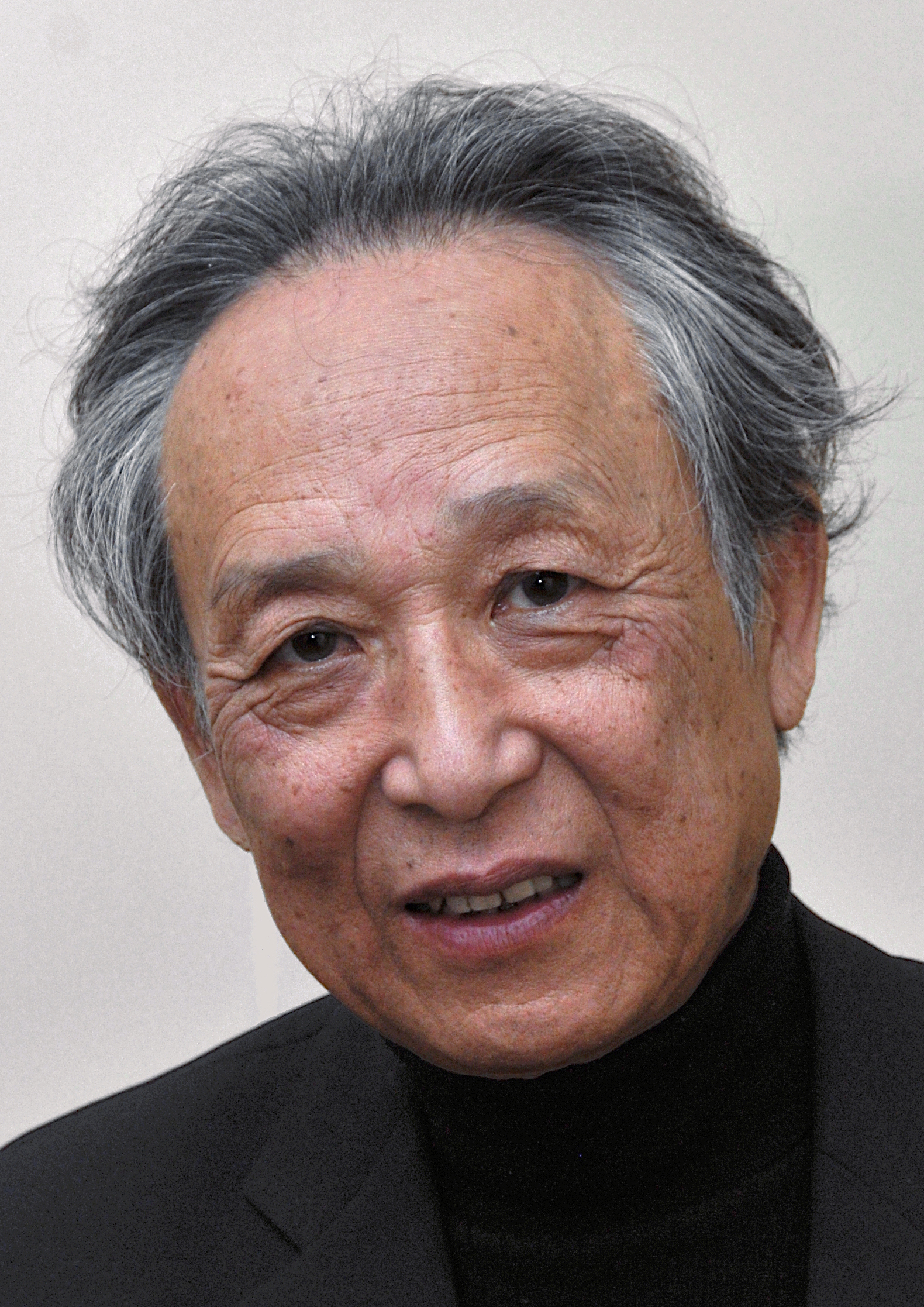
Gao Xingjian
 China
ChinaBirthday
+1940-01-04
Birth Sign
Capricorn
Birthplace
Ganxian District
Age
86 years old
About
Born on January 4, 1940, in Ganxian District, China, Gao Xingjian is a writer, painter, translator, and filmmaker whose work earned him the Nobel Prize in Literature in 2000. The Swedish Academy recognized him "for an oeuvre of universal validity, bitter insights and linguistic ingenuity." Beyond literature, Gao has also made his mark as a critic, photographer, stage director, and a painter, with a notable talent for translating influential European playwrights like Samuel Beckett and Eugène Ionesco into Chinese. Gao's early theatrical work in China pushed boundaries, often exploring absurdist and avant-garde themes. His 1982 play, Absolute Signal, marked a significant moment for experimental theater in the country. However, his creative freedom faced restrictions; productions of The Bus Stop (1983) and The Other Shore (1986) were halted by the government. Even his 1985 play, Wild Man, the last to be publicly performed in China during that period, faced censorship. Gao left China in 1987, and his subsequent plays began to address broader, universal concerns. His 1989 work, Exile, stirred controversy, drawing criticism from both the Chinese government for its portrayal of the nation and from overseas democracy advocates for its depiction of intellectuals. Seeking a new artistic home, Gao was granted French citizenship in 1997. His writing and artistic influences are diverse, drawing from classical Chinese opera, folk traditions, and the radical approaches of 20th-century European dramatists like Antonin Artaud. Gao himself described his position as a writer in 1987 as being at the crossroads of Eastern and Western cultures. While a private individual who has stated he belongs to no political or literary school, his prose, particularly the novel Soul Mountain, has gained significant international recognition, especially in Europe and the West, far outweighing its reception within China.
Fame & Fandom
Gao Xingjian's fame is a curious thing: globally recognized as the first Chinese-language Nobel laureate in Literature, yet his name rarely appears on mainstream celebrity lists. As of August 2026, iFANN's Global Fame Engine has evaluated his standing, but he holds no placement in the published rankings, neither the Global Top 1,000 nor any Top-100 scope list. This absence is telling: his renown is deep among literary scholars, theatre practitioners, and art collectors, but diffuse in the broader cultural zeitgeist. He is not a figure of viral moments or chart-topping fame; his influence is measured in academic citations, gallery exhibitions, and the quiet persistence of his plays and novels.
His fanbase reflects this, there is no formal fandom name, no organized fan clubs, no hashtag movements. Instead, his following is institutional: the Gao Xingjian Center at National Chengchi University in Taipei, opened in 2021, serves as a permanent archive and exhibition space. His ink paintings sell through galleries like Alisan Fine Arts, and his Nobel lecture, 'The Case for Literature,' remains a touchstone for readers worldwide. This is a fandom of quiet dedication, built on intellectual engagement rather than spectacle.
Interesting Facts and Legends
Gao Xingjian's life is studded with legendary moments. The most iconic: in October 2000, he became the first Chinese-language writer to win the Nobel Prize in Literature, an award the Chinese government refused to acknowledge, having already banned his works. This political friction is a story fans still retell, it frames his entire career as a defiance of state censorship.
Before his exile, his 1983 play Bus Stop scandalized Beijing with its absurdist style, only to be banned after a few performances during the 'anti-spiritual pollution' campaign. That suppression is often cited as the catalyst for his departure from China in 1987, a timeline sometimes conflated with the 1989 Tiananmen events in popular folklore, though he had already left.
His magnum opus, Soul Mountain, written during that turbulent period, is legendary for its 'soul journey' through Chinese landscape and memory, a work that emerged from the shadow of political repression. During a rare 2014 Hong Kong visit, he advised audiences to 'live true to yourself', a glimpse of the reclusive artist's philosophy.
Awards & Accolades
Keywords
Quick Facts
- Profession
- writer, painter, translator
- Born
- +1940-01-04
- Birthplace
- Ganxian District
- Gender
- Male
- Birth Sign
- Capricorn
Join the community
fans discussing