Part of the Dragon Quest series
Series community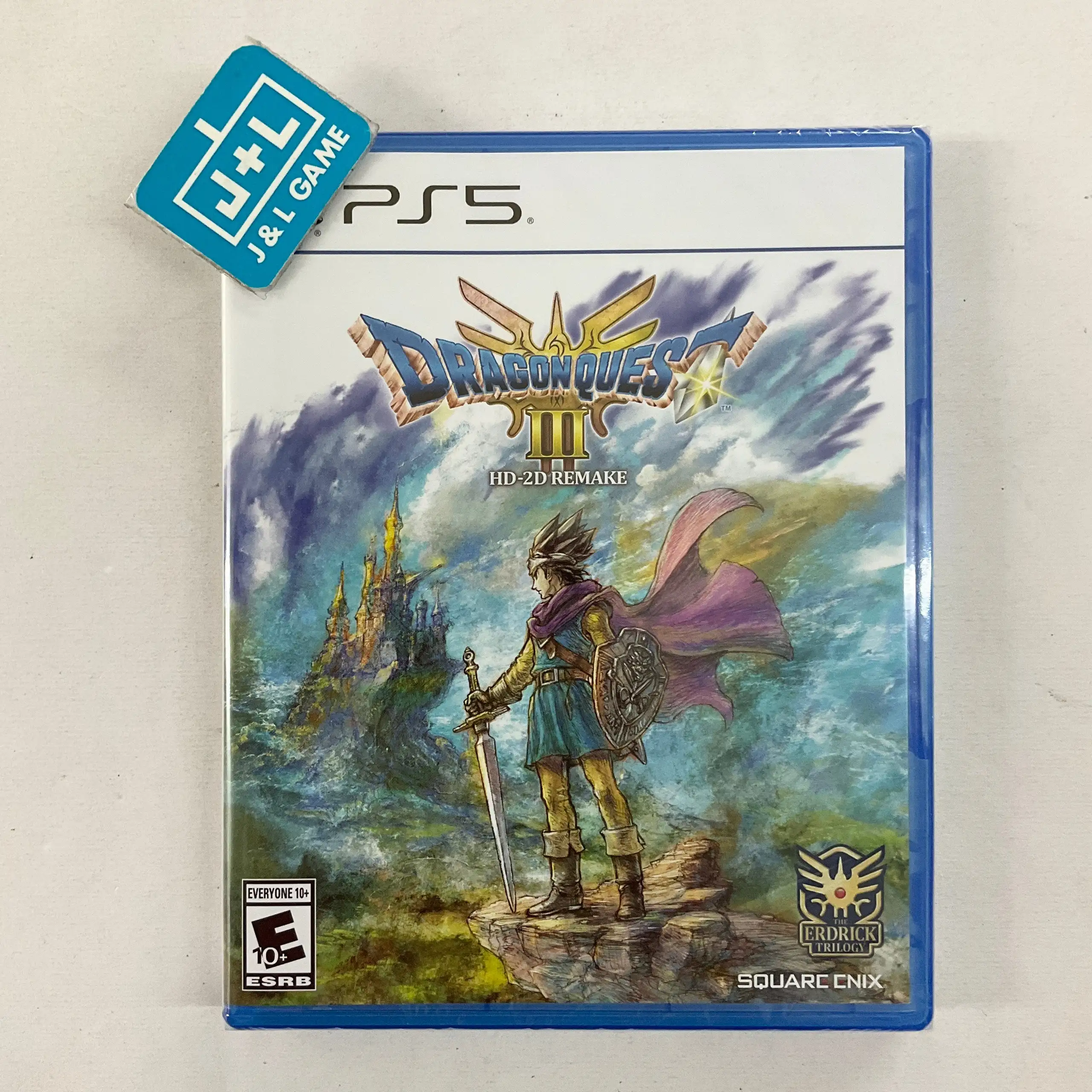
Dragon Quest III
"The prequel that turned a cult RPG into a national ritual."
Overview
On February 10, 1988, Japanese players lined up before dawn for a Famicom cartridge that would sell out across the country. Dragon Quest III arrived as the final chapter of the Erdrick trilogy, yet it was actually a prequel, set generations before the first game. Chunsoft developed it for Enix, with Yuji Horii writing and Koichi Sugiyama returning to compose. The North American NES version, retitled Dragon Warrior III, did not reach store shelves until 1992.
What separated III from its predecessors was scale. The world spans multiple continents, the party system lets you build a team of four from scratch, and a day and night cycle changes which monsters appear and which NPCs will speak. Once you acquire a ship, the map opens up dramatically. The vocation system at Luisa's Tavern in Aliahan offers warrior, mage, priest, merchant, and the notoriously unreliable gadabout, and characters can be reclassed later while keeping some skills. Combat remains turn-based and first-person, the series standard at the time.
Square Enix has reissued the game many times. A Super Famicom remake arrived in 1996, a Game Boy Color version in 2001, and mobile and Wii ports in 2009 and 2011. The Android and iOS release came to Japan on September 25, 2014, and worldwide that December 4 as Dragon Quest III: The Seeds of Salvation, the first time the game carried an official English subtitle. The most recent version is the HD-2D remake, which launched worldwide on November 14, 2024, for Nintendo Switch, PlayStation 5, Windows, and Xbox Series X and S.
Gameplay
Building a party is the core of Dragon Quest III. At Luisa's Tavern in Aliahan, you recruit companions from a roster of vocations that includes warrior, mage, priest, merchant, and the gadabout, a class that occasionally disobeys orders but can pay off later. Characters can be reclassed at the Temple of Dharma, and they retain some spells and abilities from their previous class. That flexibility lets you experiment with combinations, such as a martial artist who keeps healing magic or a merchant who becomes a sage. Combat is turn-based and presented from a first-person perspective, the series standard at the time. The world opens up substantially once the party acquires a ship, and day and night cycles change which monsters appear and which townspeople will speak. Compared with its predecessors, the game features a much larger world and a far larger array of items, equipment, magic, and enemies. It is a single-player RPG with no multiplayer mode and no formal content rating on its original platforms, though later releases carried ratings such as ESRB Everyone. The Switch version of the modern remake advertises over 30 hours of gameplay with added features beyond the original.
Story
The hero's father never came home. On the morning of the protagonist's sixteenth birthday, the king of Aliahan hands over a quest that has already claimed one generation: the archfiend Baramos must be stopped. The narrative scope is considerably larger than its predecessors, spanning multiple continents and, eventually, the revelation of the game's connection to the earlier titles in the trilogy. Series creator Yuji Horii has said that Dragon Quest III is what turned the series into a cultural phenomenon, although the scale of that success was completely unexpected.
Keywords
Sources
Game Info
- Developer
- Chunsoft
- Publisher
- Enix
- Release Date
- 1988-02-10
- Modes
- single-player
- Platforms
- Nintendo Entertainment System, Super Nintendo Entertainment System, Game Boy Color, Wii, Android, iOS, Nintendo Switch, PlayStation 5, Xbox Series X and Series S, Windows
- Composer
- Koichi Sugiyama
- Original Platform
- Famicom
- HD-2D Remake Release
- November 14, 2024
Join the community
fans discussing