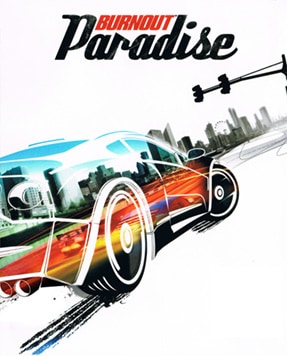
Overview
Burnout throws you into the driver's seat of high-performance cars and demands reckless speed through traffic-packed city streets. Developed by Criterion Games and published by Acclaim Entertainment, this 2001 racing game launched on PlayStation 2 before arriving on GameCube and Xbox in 2002. Unlike traditional racers where clean driving wins, Burnout rewards aggression. The core mechanic is boosting: you fill your boost meter by driving dangerously, then unleash it for bursts of speed. The risk-reward loop is immediate and addictive. Crash into another vehicle and you trigger spectacular slow-motion pileups, a signature feature that would define the series. The game launched during the early 2000s racing boom, offering an arcade alternative to more simulation-focused titles like Gran Turismo. Its emphasis on high-risk driving and crash physics set it apart, earning a Teen rating from the ESRB. Burnout established the template for a franchise that would become synonymous with speed and destruction.
At the heart of Burnout is the Boost system. Drive in oncoming traffic, drift around corners, and narrowly miss other cars to fill your boost gauge. Each near miss and close call adds to the meter, which you can then spend for a temporary speed surge. The catch: one mistake sends you into a crash sequence, playing out in slow motion as your car tumbles and debris flies. You can even trigger a Crashbreaker by detonating your wrecked vehicle for one last explosion. The game features four modes: Championship, Single Race, Time Attack, and Face-Off (one-on-one). Eight city-based tracks provide the battlegrounds, each filled with traffic and shortcuts. AI opponents are aggressive, mirroring your own risk-taking. The game runs at a smooth 60 frames per second across all platforms, a technical feat that heightens the sense of speed.
Gameplay
Burnout is an arcade racer that flips the script: collisions are bad, but driving dangerously is good. The Boost meter is your key resource. Charge it by driving in oncoming traffic, drifting, and earning near misses. Each dangerous act fills the meter, and once you have enough, you can activate a speed boost. The more boost you have, the longer the burst. But one crash ends your run, triggering a slow-motion crash sequence. You can also use the Crashbreaker to blow up your wrecked car, though it's more for show than gameplay advantage in this first entry.
The game offers four modes. Championship mode strings together multiple races across different tracks, with points awarded for placement. Single Race lets you pick any track and race against AI opponents. Time Attack is you against the clock. Face-Off is a one-on-one duel. Each race takes place on one of eight city circuits, filled with traffic and shortcuts. The AI is aggressive, often taking risks similar to the player. The split-screen multiplayer supports two players, allowing head-to-head races or Face-Off matches. There is no online play.
The controls are simple: accelerate, brake, steer, and boost. Drifting is handled by braking and steering, and it fills the boost meter. Near misses occur when you pass within inches of another car, rewarding you with a boost fill and a visual flash. The game's physics are arcadey but weighty enough to make crashes feel impactful. Each track has multiple routes, encouraging exploration for shortcuts. The sense of speed is intense, thanks to motion blur and a camera that shakes at high velocities.
Awards & Acclaim
Interactive Achievement Awards: Best Racing Game: (2002)
BAFTA Games Awards: Best Original Game: (2002)
Keywords
Game Info
- Developer
- Criterion Games
- Publisher
- Acclaim Entertainment
- Engine
- RenderWare-based proprietary engine
- Release Date
- 2001-11-01
- Age Rating
- T (Teen)
- Modes
- Single-player, Multiplayer
- Platforms
- PlayStation 2, Xbox, Nintendo GameCube
- Framerate
- 60 FPS
- Tracks
- 8
- Multiplayer
- 2-player split-screen
Join the community
fans discussing