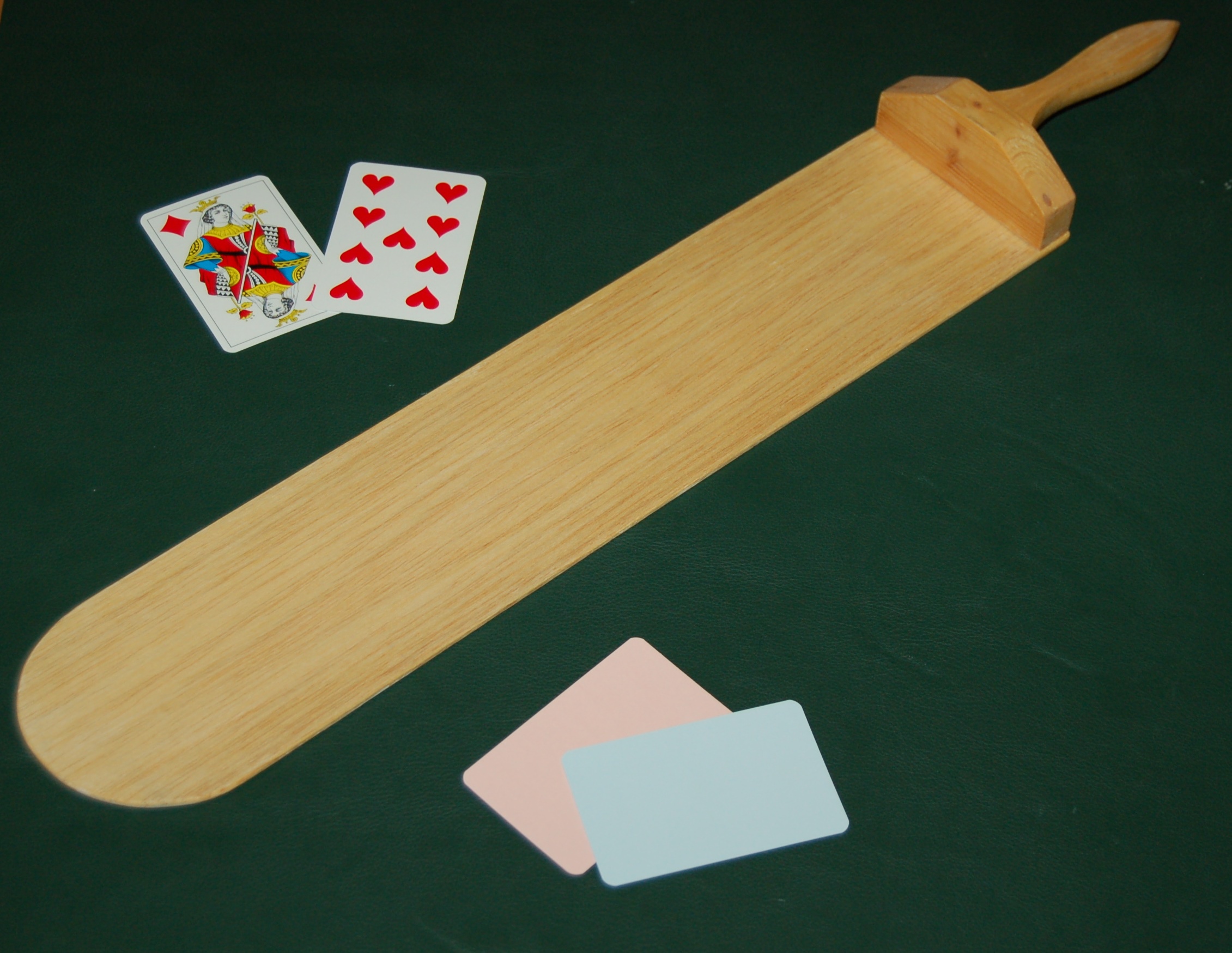
Overview
Baccarat traces its roots to private gatherings in China, Japan, and Korea before evolving into European social events. The modern version most players encounter today stems from Cuban adaptations of faster French variants. This comparing card game pits two hands against each other: the player and the banker. Each round ends with one of three results, a win for the player, a win for the banker, or a tie.
Unlike many table games, standard baccarat removes decision-making power from participants. Players place their wagers on either hand or a potential tie before any cards are dealt. Once the bets are locked in, the dealer follows fixed drawing rules to determine if a third card is drawn based on the initial totals. The hand with a value closest to nine wins the round.
Digital versions of this game appear frequently within online casinos and mobile apps rather than as standalone video titles. Operators like Lucky Box Baccarat have launched real-money simulations in jurisdictions such as Florida. These digital iterations replicate the physical mechanics without altering the core probability structure that has defined the game for centuries.
Gameplay
The objective involves betting on which of two hands will finish with a point total nearest to nine. Card values range from zero to nine, with face cards and tens counting as zero and aces worth one. If a hand exceeds nine, only the second digit counts toward the final score. For example, a seven and an eight combine for fifteen, which registers as five points.
Standard play follows strict automated rules known as Punto Banco. If the Player hand totals zero through five, it must draw a third card; six or seven forces a stand. The Banker's action depends on its own total and the specific value of the Player's third card if one was drawn. These rules leave no room for strategy regarding card selection.
Payout structures vary slightly by venue but generally award even money on Player bets. Banker bets typically pay 1:1 minus a five percent commission due to their higher statistical probability of winning. Tie bets offer significantly higher returns, usually paying 8:1 or 9:1 depending on the house rules.
Keywords
Sources
Game Info
- Modes
- Single Player, Multiplayer
- Platforms
- Online Casino, Mobile App
- Origin
- China, Japan, Korea (15th century)
- Primary Betting Options
- Player, Banker, Tie
- Banker Commission
- Typically 5%
- Tie Payout
- 8:1 or 9:1
- Q3 2026 VIP Revenue Trend
- Held flat while mass-market dropped 5.07%
Links
Join the community
fans discussing