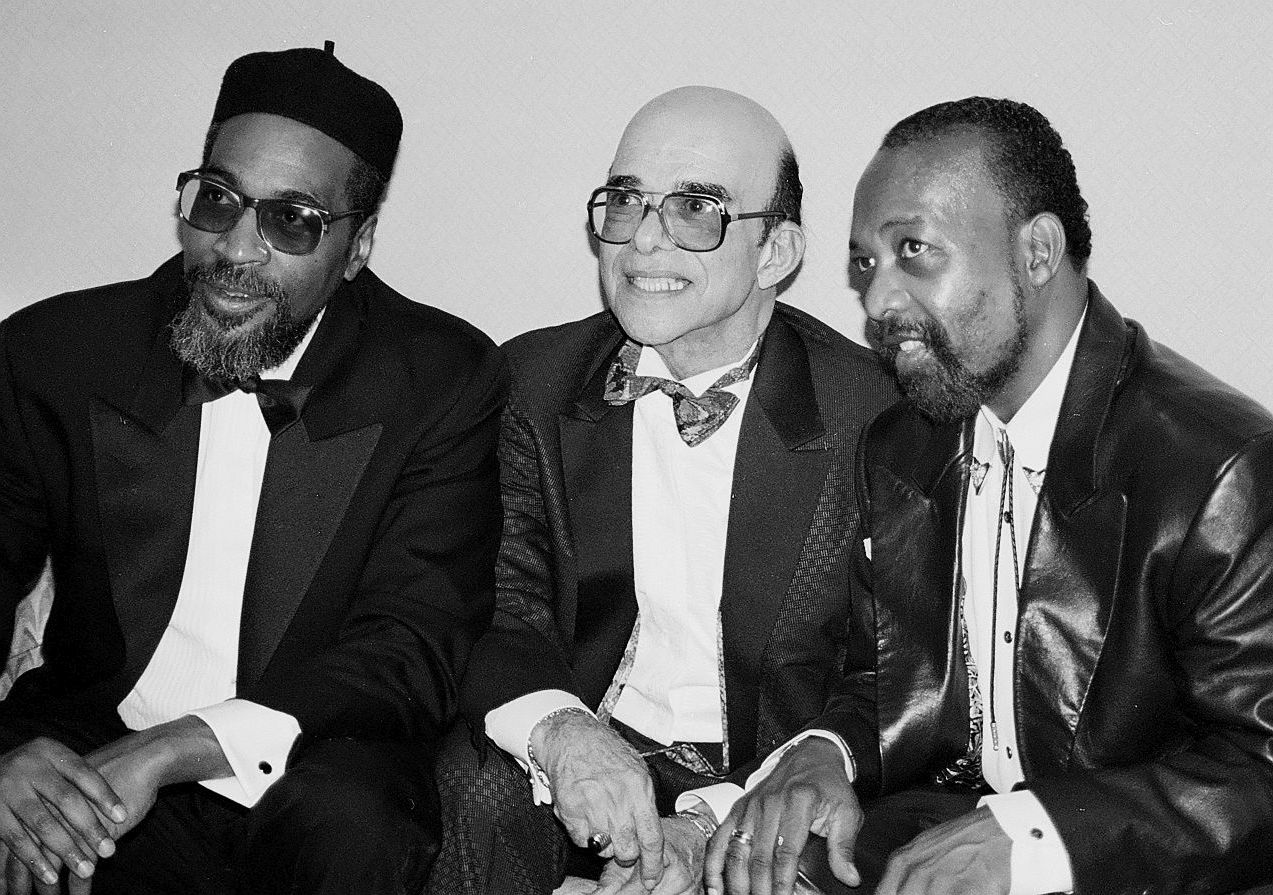
Gamble and Huff
 United States
Architects of the Philadelphia Sound
2
Members
About
Kenneth Gamble (born August 11, 1943) and Leon A. Huff (born April 8, 1942) stand as the primary architects of the Philadelphia Soul genre. Unlike traditional performing groups, this partnership functioned as a behind-the-scenes engine room where songwriting, arranging, and production merged into a singular vision. They founded Philadelphia International Records in 1971, creating a platform that allowed artists like The O'Jays and Harold Melvin & the Blue Notes to thrive with artistic autonomy.
Their output includes approximately 175 gold and platinum records. While they did not release solo albums as performers, their compilation releases and the vast catalog of productions under their name dominate charts across decades. Their induction into the Rock and Roll Hall of Fame in 2008 recognized their specific contribution to non-performing roles, highlighting how their work reshaped the sonic landscape of American music.
Formation Story
The partnership began in the late 1960s when both men were navigating the competitive music scene of Philadelphia and New York. Kenny Gamble started as a singer and songwriter for local acts before shifting his focus to production. Leon Huff, originally a pianist who had toured with Bobby Womack, brought a sophisticated musicality to the table. They met while working on various projects and quickly realized their shared vision for a richer, more orchestral approach to soul music.
After years of writing for other labels like Cameo-Parkway and Dunhill, they sought independence. In 1971, they secured a distribution deal with CBS/Columbia Records that was revolutionary at the time: it allowed them to retain ownership of their master recordings. This bold move led to the launch of Philadelphia International Records. Their first major hit, "Love Train" by The O'Jays, arrived shortly after in 1972, becoming a global anthem that solidified the aesthetic of the Philly Sound. The duo operated out of a headquarters in Philadelphia, serving as the epicenter for the city's cultural output throughout the 1970s.
Members
Musical Style
Gamble and Huff’s style evolved from the raw, gospel-infused R&B of the late 1960s into a sophisticated, lush, and orchestral sound known as "Philly Soul." This style fused gospel fervor with string sections, horns, and complex arrangements, creating a "cinematic" quality often described as "symphonic soul." Early works featured tighter, funkier rhythms, while later productions incorporated disco elements and balladry, maintaining a consistent emphasis on emotional depth and social consciousness.
Their music is characterized by soaring strings, driving basslines, and harmonized choirs, setting a template for R&B production that influenced generations of artists across genres. Leon Huff provided the musical arrangements and instrumentation, while Kenneth Gamble focused on lyrical themes and overall business direction. Both men occasionally contributed backing vocals or piano on tracks, but their primary identity remained that of creators rather than frontmen.
Discography
| Title | Year |
|---|---|
| For the Love of Money | 1973 |
| Love Train | 1972 |
| If You Don't Know Me by Now | 1972 |
| TSOP (The Sound of Philadelphia) | 1974 |
| My Eyes Adored You | 1975 |
| When Will I See You Again | 1977 |
Cultural Impact
Gamble and Huff's influence extends far beyond the charts. They revolutionized the music industry by establishing a blueprint for Black-owned independent labels with artistic autonomy. Their "Philly Sound" became a global phenomenon, influencing funk, disco, hip-hop, and contemporary R&B. Producers like D'Angelo, Erykah Badu, and modern soul artists cite their work as a foundational influence.
They also played a crucial role in the civil rights movement by providing a soundtrack of empowerment and unity through songs like "For the Love of Money" and "Love Train," which addressed social issues and community solidarity. The label's policy of granting Black artists unprecedented creative control over their music, image, and touring schedules set a new standard for artist management in the industry.
Fandom Culture
As non-performers, Gamble and Huff do not have a formal fandom, lightstick, or official fan color. However, they are celebrated by music historians, soul enthusiasts, and fans of the artists they produced. Their legacy is kept alive through tribute concerts, documentaries, and academic study of the "Philly Sound." Recent tributes, such as the one at the Dell Music Center in 2026, highlight their enduring popularity among audiences and peers alike.
Milestones
Founded Philadelphia International Records
"Love Train" reaches #1 on Billboard Hot 100
"TSOP" wins Academy Award for Best Original Song Score
Inducted into Songwriters Hall of Fame
Inducted into Rock and Roll Hall of Fame
Trivia
The duo famously met while waiting for an elevator at the Miller Theater in Philadelphia, a chance encounter that changed the trajectory of soul music., Their 1971 deal with CBS/Columbia was revolutionary because it allowed them to own their masters, a rarity for Black artists at the time., Dexter Wansel, a key producer and keyboardist at Philadelphia International Records who passed away in June 2026, was instrumental in shaping the sonic texture of many Gamble and Huff productions., In April 2026, there was public outrage when Gamble and Huff were omitted from the New York Times Magazine's list of the "30 Best Living American Songwriters," despite their historic status., In July 2026, Mayor Cherelle Parker presented Kenny Gamble with the Key to the City of Philadelphia during a sold-out tribute concert honoring the legendary songwriters.
Keywords
Sources
Quick Facts
- Total Gold/Platinum Records
- 175+
- BMI Awards Won
- 93
- Hall of Fame Inductions
- 2
- Years Active
- 1969-Present
Group Info
- Formed
- 1969
- Debut
- 1971-07-01
- Debut Song
- Love Train (The O'Jays)
- Origin
- Philadelphia, Pennsylvania
- Company
- Philadelphia International Records
- Label
- Philadelphia International Records
- Status
- Active
Also Known As
Join the community
fans discussing