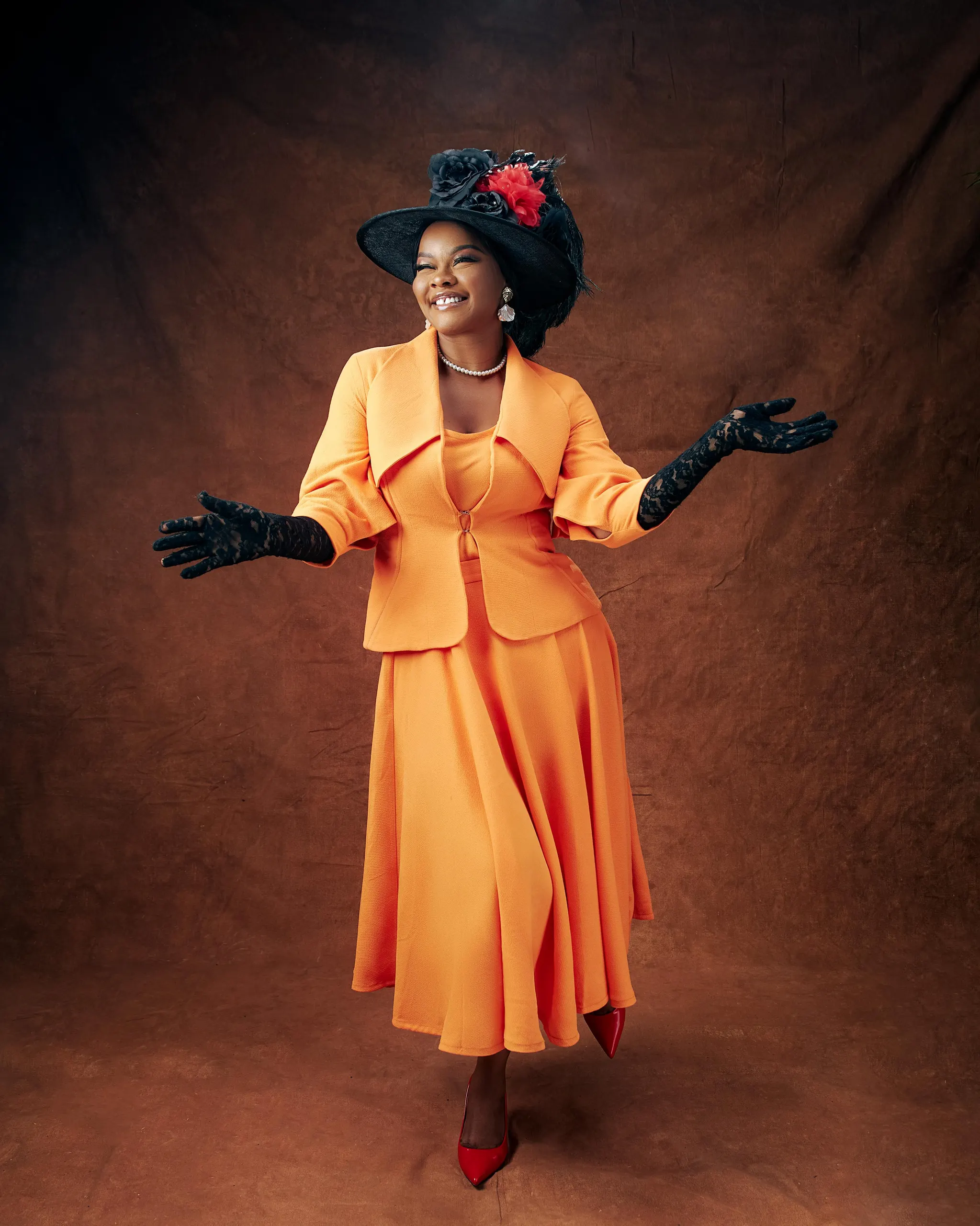
Funmilayo Ransome-Kuti
 Nigeria
Also known as: The Mother of Africa, Frances Abigail Olufunmilayo Olufela Folorunso Thomas, Lioness of Lisabi
Birthday
October 25, 1900
Birth Sign
Sagittarius
Birthplace
Abeokuta, Nigeria
Age
Died at 77
About
Chief Funmilayo Ransome-Kuti was a towering Nigerian educator, political organizer, and women's rights advocate born Frances Abigail Olufunmilayo Olufela Folorunso Thomas on October 25, 1900. She is best known as the "Mother of Africa" for her relentless fight against colonialism and patriarchy. As the first female student at Abeokuta Grammar School, she broke significant gender barriers early in her life before becoming a teacher and establishing some of Nigeria's earliest preschool classes and literacy programs for low-income women.
Her activism reached its peak in the 1940s when she founded the Abeokuta Women's Union to campaign against unfair taxes and demand representation for market women. She led mass protests involving up to 10,000 women, forcing the Alake of Egba to abdicate temporarily in 1949. Her influence extended internationally, where she served as Vice President of the Women's International Democratic Federation and received the Lenin Peace Prize. Despite travel restrictions imposed by British and American authorities during the Cold War, she remained a key figure in Nigeria's independence movement until her tragic death in 1978.
Early Life & Background
Born into the Thomas family in Abeokuta, Funmilayo faced a society where girls were rarely given the chance to pursue formal education. Her parents initially opposed her schooling, but she eventually convinced them to let her attend Abeokuta Grammar School, where she became the first female student to enroll. This achievement marked the beginning of a lifelong commitment to educational access for women in Nigeria. After completing her secondary education, she traveled to the United Kingdom to train as a teacher, returning home to apply her skills in local communities.
Before launching her national political career, Funmilayo worked tirelessly as an educator. She established some of the country's earliest preschool classes and literacy programs specifically designed for low-income women in Abeokuta. These initiatives were not just about teaching reading and writing; they were about empowering women to understand their rights and navigate a colonial system that often excluded them. Her reputation as a dedicated teacher grew, and she began organizing community groups to address social issues affecting women. By the early 1940s, her focus shifted from purely educational work to political activism, setting the stage for the formation of the Abeokuta Women's Union in 1944.
Career Growth
The turning point for Funmilayo Ransome-Kuti came in 1944 when she founded the Abeokuta Women's Union (AWU). This organization quickly mobilized thousands of market women against the oppressive taxation policies imposed by the Egba Council. The campaign escalated into the famous Abeokuta Women's Revolt of 1946, where she led up to 10,000 women in a march that forced the Alake of Egba to abdicate temporarily in 1949 after his palace was stormed and set ablaze. This event made her a household name across Nigeria and drew international attention to the struggle for women's rights in Africa.
Her success expanded beyond local borders as she co-founded the Nigerian Women's Union and served as Vice President of the Women's International Democratic Federation starting in 1953. During the Cold War, her radical stance against colonial powers led to travel bans; British authorities refused to renew her passport in 1957, and the United States denied her a visa in 1958. Despite these restrictions, she continued her work, leading the Nigerian branch of the Women's International League for Peace and Freedom in 1963. She was awarded the Order of the Niger and the Lenin Peace Prize for her contributions to peace and women's rights. Her later years were marked by support for her sons' criticism of military governments, culminating in her arrest and death in 1978.
Career Timeline
Public Image & Style
Funmilayo Ransome-Kuti is portrayed as a fearless, dignified, and uncompromising leader. Her public image is rooted in activism, justice, and resistance against both traditional patriarchal structures and colonial powers. She is remembered for her ability to mobilize masses and her unwavering commitment to the principles of equality and freedom. Media outlets consistently refer to her as the "Lioness of Lisabi" or the "Mother of Africa," emphasizing her courage in confronting authority figures. Her refusal to bow to colonial officials and her insistence on wearing traditional Yoruba attire as a form of defiance are iconic elements of her persona.
Fame & Fandom (iFAMOUS Rankings)
Funmilayo Ransome-Kuti commands a legacy defined not by social media virality or fan-driven chart campaigns, but by the enduring reverence of historians, students, and Nigerian citizens who honor her as a pillar of anti-colonial resistance. Her audience does not gather for autograph signings or birthday billboards; instead, they engage through academic study and patriotic commemoration of her life's work. While her son Fela Kuti cultivated a massive, chaotic international following known simply as the 'Fela Kuti Fans,' Funmilayo operated within a political sphere where the distinction between leader and follower was rooted in activism rather than parasocial adoration. She had no official fandom name, nor did she have organized fan rituals or projects during her lifetime.
In August 2026, iFANN's Global Fame Engine evaluated her standing and confirmed that she is currently unranked in the published Global Top 1,000 or any Top-100 scope list. This absence of a numeric placement reflects her status as a historical figure whose fame transcends contemporary celebrity metrics, anchored instead in verified national mythology and educational importance. Recent cultural productions, such as the 2024 biographical film Funmilayo, have revitalized interest among new global audiences, yet these acts function as tributes rather than fan movements. Her influence remains a matter of documented history rather than fluctuating search trends or consumption signals.
Interesting Facts and Legends
Funmilayo Ransome-Kuti was known for her distinctive style, often wearing traditional Yoruba attire as a form of defiance against colonial norms. She was a skilled orator who could speak multiple languages, including English and Yoruba, which helped her connect with diverse audiences across Nigeria. One of her most famous declarations during the Abeokuta Women's Revolt was "We shall fight, we shall win," a phrase that became a rallying cry for activists. She also famously stated, "I do not come to you by chance," referring to her determination to lead the struggle against injustice. Google honored her 119th birthday with a special Doodle on October 15, 2019, recognizing her enduring impact on history.
Notable Quotes
“We shall fight, we shall win.”
“I do not come to you by chance.”
“I will not bow to anyone.”
Family & Personal Life
Funmilayo married Israel Olutodun Ransome-Kuti, a wealthy trader and prominent politician, in the early 1920s. Their marriage lasted until his death, and they were deeply involved in politics together, with Israel often supporting her campaigns. They had four children: Fela Anikulapo Kuti, the legendary Afrobeat musician; Olikoye Ransome-Kuti, a former Minister of Health; Folashade Ransome-Kuti, who became a physician; and Beko Ransome-Kuti, an activist. Funmilayo never remarried after Israel's death and remained a devoted mother and matriarch until her own tragic end. The family home in Ibadu/Lisabi became a hub for political activity and resistance.
Notable Connections
Relationships & Dating History
Funmilayo Ransome-Kuti was married only once to Israel Olutodun Ransome-Kuti. Their marriage began in the early 1920s and lasted until his death. They were deeply involved in politics together, with Israel often supporting her campaigns. There are no public records of other romantic relationships, engagements, or divorces; she remained a widow for the latter part of her life. As of her death in 1978, she was widowed. She had four children with Israel: Fela, Olikoye, Folashade, and Beko.
- MarriedIsrael Olutodun Ransome-Kuti1920 - 1950Married in early 1920s; he supported her political campaigns until his death.
Death & Aftermath
Died
April 13, 1978 (aged 77)
Death Place
Abeokuta, Nigeria
Cause of Death
Injuries sustained from being thrown from a second-story window
Funmilayo Ransome-Kuti died on April 13, 1978, at the General Hospital in Abeokuta, roughly three weeks after soldiers threw her from a second-story window during a military raid on her family home in Ibadu. The raid occurred in October 1977 following a coup attempt under General Olusegun Obasanjo's regime, and she was detained without trial. She never recovered from the severe trauma to her head and body, passing away at age 77.
Her death sparked profound grief across Nigeria and among Pan-Africanist circles worldwide. Peers and students recognized her as a foundational figure in African feminism, with vigils held to honor her sacrifice against military brutality. Her funeral took place shortly after her death in Abeokuta, attended by her son Fela Anikulapo Kuti and numerous political allies who had fought alongside her for women's rights and independence.
Posthumously, her legacy has been cemented through streets named after her, scholarships established in her name, and cultural productions that keep her story alive. A biographical film titled Funmilayo released in 2024, starring Kehinde Bankole and Joke Silva, revitalized global interest in her life. In September 2026, the film was scheduled for screening at CANEX alongside the documentary I Do Not Come to You by Chance. Her estate remains managed by the Kuti family, with ongoing royalties from Fela's music and licensing deals supporting the family's continued advocacy work.
Net Worth (Estate Value)
$0
iFANN Editorial Team estimate
As a historical figure who passed away decades ago, Funmilayo Ransome-Kuti does not have a net worth in the contemporary sense of liquid assets or current earnings. Her estate is managed by the Kuti family, and while specific financial valuations of her estate are not publicly disclosed in recent years, the family continues to benefit from royalties related to Fela Kuti's music and licensing deals involving the Kuti name. The estate's value is tied to the intellectual property and cultural heritage of the family rather than active commercial ventures by Funmilayo herself. There are no celebrity-net-worth figures for her as of 2026 because she is deceased and her wealth was not accumulated through modern celebrity mechanisms but through her status as a respected elder and activist.
Awards Won (2)
Funmilayo Ransome-Kuti received the Lenin Peace Prize and the Order of the Niger for her contributions to peace and women's rights. While she did not receive modern entertainment industry awards like Grammys or Oscars, her legacy is honored through honorary degrees, national honors, and induction into various halls of fame recognizing African feminism and anti-colonial leadership.
1958 · Peace
Global Anti-Colonial Activism
1960 · National Honor
Service to Nigeria
Known For
Abeokuta Women's Revolt
1946 · Leader
Funmilayo
2024 · Subject of Biographical Film
Keywords
Sources
Quick Facts
- Profession
- teacher, politician, activist
- Born
- October 25, 1900
- Birthplace
- Abeokuta, Nigeria
- Died
- April 13, 1978
- Death Place
- Abeokuta, Nigeria
- Gender
- Female
- Spouse
- Israel Olutodun Ransome-Kuti
- Birth Sign
- Sagittarius
Personal Details
- Full Name
- Frances Abigail Olufunmilayo Olufela Folorunso Thomas
- Spouse
- Israel Olutodun Ransome-Kuti
- Children
- Fela Anikulapo Kuti · Olikoye Ransome-Kuti · Folashade Ransome-Kuti · Beko Ransome-Kuti
- Education
- Abeokuta Grammar School (first female student), University of London (training)
Filmography
1
Total
1
Film
0
TV
Frequently Asked Questions
Who was Funmilayo Ransome-Kuti?
How did Funmilayo Ransome-Kuti die?
What is Funmilayo Ransome-Kuti famous for?
Who are Funmilayo Ransome-Kuti's children?
Did Funmilayo Ransome-Kuti receive any awards?
Similar People
Join the community
fans discussing