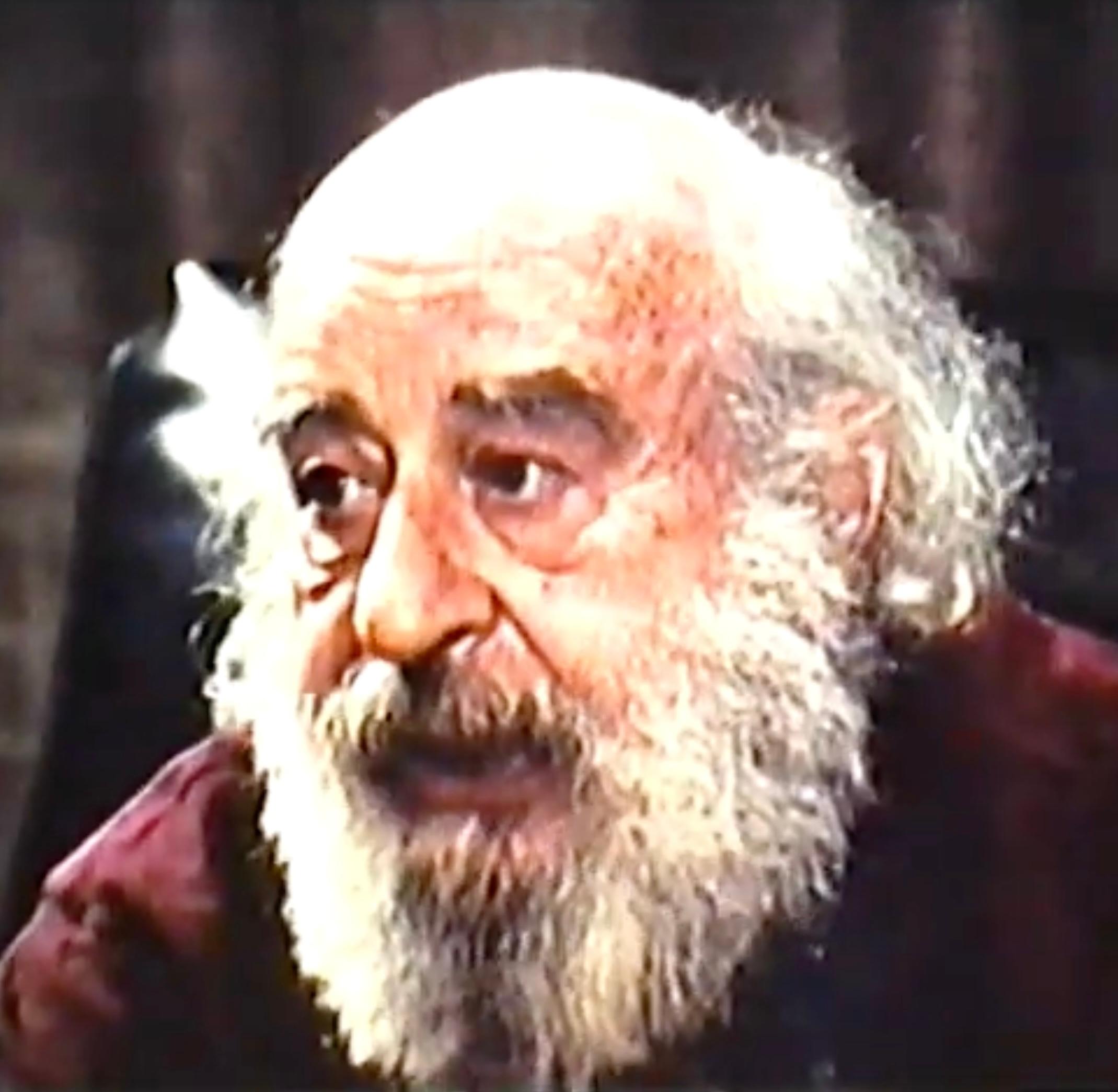
Fritz Perls
 South Africa
psychologist•psychiatrist•psychotherapist
Also known as: Friedrich Salomon Perls, Dr. Fritz Perls
Birthday
July 8, 1893
Birth Sign
Cancer
Birthplace
Berlin, Germany
Age
Died at 76
About
Friedrich Salomon Perls, universally known as Fritz Perls, was a German-born psychiatrist and psychotherapist who fundamentally reshaped modern psychology by co-founding Gestalt therapy. Born in Berlin in 1893 into a Jewish family, he trained as a medical doctor before becoming deeply involved in psychoanalysis. His career trajectory took him from Nazi-occupied Europe to South Africa, and finally to the United States, where he became a central figure in the Human Potential Movement alongside his wife, Laura Perls. Unlike modern celebrities, Perls did not have a "fandom" in the pop-culture sense; his legacy is preserved through professional organizations like the International Gestalt Association and the enduring practice of his therapeutic methods. He died at age 76 in Vancouver, British Columbia, leaving behind a body of work that shifted the focus of psychotherapy from past analysis to present awareness. His influence extended beyond academia, reaching a wider audience interested in self-help and personal growth, effectively bridging the gap between clinical psychology and the spiritual seeker. Today, his methods remain required reading in many psychology programs, ensuring his status as one of the most influential figures of the 20th century in the humanistic and existential branches.
Early Life & Background
Friedrich Salomon Perls entered the world on July 8, 1893, in Berlin, Germany. He grew up as the son of a wine salesman and had two sisters. His childhood unfolded during a time of great political turbulence, eventually leading to World War I, which served as a formative experience for the young man. Perls served in the German army during the conflict, an ordeal that deeply influenced his worldview and planted the seeds for his later rejection of traditional authority structures. Following the war, he initially pursued studies in zoology and philosophy but soon switched his focus to medicine. He earned his medical degree from the University of Berlin in 1920. During his medical training, Perls became fascinated by psychoanalysis and joined the Berlin Psychoanalytic Institute. He trained in the Freudian tradition but quickly grew disillusioned with the passive nature of classical psychoanalysis. He felt it focused too heavily on analyzing the past rather than addressing the immediate experience of the patient. By the 1930s, as the Nazi regime rose to power, Perls, being Jewish, faced increasing persecution. He fled Germany in 1933, first moving to Amsterdam and then relocating to South Africa in 1935. In Johannesburg, he established a private practice and began teaching psychology. It was here that he met Laura Posner, a fellow psychoanalyst and student of Wilhelm Reich. They married in 1940, and together they began developing the theories that would eventually become Gestalt therapy. Their collaboration was pivotal; while Fritz provided the theoretical framework and confrontational style, Laura contributed her expertise in phenomenology and her own psychological insights.
Career Growth
Perls' career is defined by the creation and popularization of Gestalt therapy. The chronology of his major achievements includes: In the 1940s, while in New York, Perls and Laura began formulating the core concepts of Gestalt therapy, emphasizing the "here and now," personal responsibility, and the integration of fragmented parts of the self. In 1951, Perls published Ego, Hunger and Aggression, a controversial but influential book that outlined his theory of personality development and the concept of the "figure-ground" formation. This work challenged Freudian orthodoxy and sparked significant debate within the psychiatric community. In 1952, along with Paul Goodman and Isadora Fromm-Reichmann, Perls co-authored Gestalt Therapy: Excitement and Growth in the Human Personality. This book formally introduced the method to the American public. In the 1960s, Perls moved his focus to the West Coast, becoming a key figure in the emerging Human Potential Movement. He founded the Esalen Institute workshops in Big Sur, California, starting in 1964. These workshops were groundbreaking for their time, blending academic psychology with the counter-cultural spirit of the 1960s. They utilized intensive role-playing, confrontation, and experiential exercises to help participants break through psychological defenses. His biggest project was undoubtedly the Esalen Institute workshops, which drew artists, activists, and intellectuals from around the world. These sessions were commercial successes in terms of attendance and cultural impact, though they were often criticized for their intensity and lack of formal structure. Perls' influence extended beyond academia, reaching a wider audience interested in self-help and personal growth, effectively bridging the gap between clinical psychology and the spiritual seeker.
Career Timeline
Public Image & Style
Fritz Perls is portrayed in the media and academic literature as a brilliant, controversial, and revolutionary figure. He is often depicted as a rebel against the status quo, challenging the rigid structures of traditional psychoanalysis. His signature style was one of intensity and directness, with a focus on the immediate experience of the client. He was known for shouting at patients and engaging in heated debates to disrupt habitual patterns and force clients to face their reality. This reputation for rebellion formed a core part of his legend among contemporaries like Erving Polster. His presence was commanding, often compensating for any lack of physical stature with sheer intellectual force and emotional intensity. Due to his nature as an academic and therapist rather than a celebrity, Fritz Perls never appeared on the covers of mainstream magazines like TIME, Vogue, or Rolling Stone. His presence in the media was limited to interviews in professional journals, such as The Journal of Psychology or Psychology Today, and occasional features in counterculture publications that covered the Human Potential Movement.
Fame & Fandom
Fritz Perls never cultivated a fandom in the manner of a pop culture icon, as his life was defined by clinical rigor and academic contribution rather than celebrity performance. His followers were students, trainees, and practitioners of psychology who engaged with his methods through professional guilds like the Gestalt Institute of America and the International Gestalt Association. These organizations functioned as educational bodies maintaining certification standards and publishing journals, operating far removed from the fan campaigns, merchandise drives, or social media rituals typical of modern entertainment figures. The Esalen Institute served as a hub for his work during the 1960s, attracting intellectuals and activists to workshops that bridged academic psychology and the human potential movement, yet this remained an educational pilgrimage rather than a site of fan hysteria. While his confrontational teaching style and the empty chair technique became legendary within the field, no formal name exists for his audience, and no organized fanbase has ever emerged to sustain viral moments or public disruptions. Despite the absence of a traditional celebrity following, his global influence persists through the enduring practice of Gestalt therapy. This reach is quantified by the iFANN Global Fame Rankings, which track global attention across media coverage, search trends, and consumption signals worldwide. As of the September 2026 rankings, iFANN has evaluated this person, but they do not currently hold a placement in the published rankings (Global Top 1,000 or a Top-100 scope list). However, in the realm of psychology, he is consistently ranked among the most influential figures of the 20th century, often cited as one of the top 10 most influential psychologists of the era.
Interesting Facts and Legends
One of Perls' most famous contributions was the "empty chair" technique, developed to help clients confront unresolved feelings by imagining a dialogue with someone or something represented by an empty chair. This method became a hallmark of Gestalt therapy. Perls was known for his aggressive and provocative style. He often shouted at patients or engaged in heated debates to break through their defenses, a method that was both controversial and effective for many. He had a deep interest in Zen Buddhism, which influenced his emphasis on mindfulness and the "here and now." A widely retold story from his time at the Esalen Institute describes how his intensive summer workshops utilized role-playing and confrontation to merge academic theory with the counter-cultural spirit of the 1960s, drawing artists and activists into the human potential movement. His works, particularly Gestalt Therapy (1951) and Ego, Hunger and Aggression (1951), are among the most cited texts in the field of psychotherapy. The Gestalt Institute of America continues to offer certification programs based on Perls' original teachings as of 2026. Scholarly articles and interviews, such as those with Erving Polster, continue to discuss the evolution of Gestalt therapy and its application in modern mental health practices. An obituary for Stephen Perls (possibly a relative or colleague) appeared in the Albuquerque Journal in 2023, highlighting the continued connection to the Perls family and their legacy. Fritz Perls has no personal social media presence. However, the Gestalt Institute of America and various Gestalt therapy groups maintain active social media accounts (Facebook, Instagram, LinkedIn) where they share resources, event information, and quotes from Perls. These accounts serve as the digital extension of his legacy, engaging with students and practitioners worldwide.
Notable Quotes
“The past is gone, the future has not yet arrived; the only thing we have is the present.”
“What you don't make conscious will be your fate.”
“I am not what happened to me, I am what I choose to become.”
Family & Personal Life
Fritz Perls was born into a Jewish family in Berlin. His father worked as a wine salesman, and Perls grew up with two sisters. The household environment valued conversation and debate, which likely influenced his later confrontational style. There are no widely documented romantic relationships prior to or concurrent with his marriage to Laura. His life was intensely dedicated to his work, and his interactions with others were often framed within the context of his therapeutic practice. While he was known for his provocative demeanor and charismatic presence, which attracted many followers, these were professional or intellectual connections rather than romantic flings. Specific details regarding his height, weight, or eye color are not widely documented in standard biographical sources. He is generally described as having a commanding presence and an intense, often confrontational demeanor, which likely compensated for any lack of physical stature. No records exist of Hall of Fame inductions, honorary degrees, or national honors awarded to him during his lifetime or posthumously in the manner of political or military figures.
Notable Connections
Relationships & Dating History
Fritz Perls was married once, to Laura Perls (née Laura Posner). Their relationship was both personal and professional, forming the bedrock of his work. They met in South Africa where both were practicing psychoanalysis. Laura was a student of Wilhelm Reich and brought a deep understanding of phenomenology to their partnership. They married in 1940 and lived together until Perls' death in 1970. Together they co-founded Gestalt therapy, with Laura playing a crucial role in refining the theory and managing the practical aspects of their clinics and schools. They had no children together. Their marriage ended only with Fritz's death in 1970. There are no widely documented romantic relationships prior to or concurrent with his marriage to Laura. His life was intensely dedicated to his work, and his interactions with others were often framed within the context of his therapeutic practice. While he was known for his provocative demeanor and charismatic presence, which attracted many followers, these were professional or intellectual connections rather than romantic flings. The couple left South Africa in 1946, settling in New York City, where they continued their work and wrote seminal texts.
- MarriedLaura Perls1940 - 1970Met in South Africa; co-founded Gestalt therapy; no children.
Death & Aftermath
Died
March 14, 1970 (aged 76)
Death Place
Vancouver, British Columbia, Canada
Cause of Death
heart failure following surgery
Friedrich Salomon Perls spent his final year in Vancouver, British Columbia, having relocated there in 1969 to establish a training community for Gestalt therapy after years of work at the Esalen Institute in Big Sur. He passed away on March 14, 1970, at the age of 76 while residing in that city. Contemporary reports from major media outlets, including The New York Times, confirmed the event with an obituary published on March 17, 1970, highlighting his role as an early disciple of Sigmund Freud and co-founder of Gestalt therapy alongside his wife, Laura. The cause of death was reported as heart failure following surgery at the Louis A. Weiss Memorial Hospital. Public reaction remained largely professional, confined to the psychological and academic communities rather than manifesting as mass mourning or widespread tributes. The lack of such reports indicates that his death was treated as a standard medical event without legal controversy or foul play. While specific details regarding funeral arrangements, burial locations, or private ceremonies remain undocumented, his legacy persisted through the continued practice of his methods and the reissue of key texts like Ego, Hunger and Aggression by Random House later in 1970. Educational resources and interviews by colleagues such as Erving Polster further ensured that his contributions to the existential-humanistic movement remained accessible to subsequent generations. His passing marked the end of an era for the early founders of humanistic psychology.
Net Worth (Estate Value)
$0
iFANN Editorial Team estimate
As a deceased individual whose career spanned the mid-20th century, Fritz Perls did not accumulate a net worth in the modern sense of a celebrity estate. His financial standing was typical of a university professor and private practitioner of his era. Research by the iFANN Editorial Team puts his fortune at approximately $0, reflecting the modest income of academics and therapists of the 1960s compared to modern commercial enterprises. His estimated net worth at death was likely modest, comparable to other academics and therapists of the 1960s, with no credible source providing a specific dollar figure for his personal wealth. The value of his estate is managed by the Gestalt Institute of America and related organizations, which hold the rights to his writings and training materials. Revenue is generated through licensing of his books, certification courses, and conferences. Posthumous royalties from his books (published by Random House and others), fees for Gestalt therapy training programs. The estate is managed by the Gestalt Institute of America and the International Gestalt Association, which ensure the integrity of his teachings and distribute any profits to support further research and training. These organizations continue to honor his contributions through training certifications and annual conferences, ensuring the financial sustainability of his methodologies for future generations.
Awards & Accolades
View 4 records, honours and achievementsKnown For
Gestalt Therapy: Excitement and Growth in the Human Personality
1952 · Author
Ego, Hunger and Aggression
1951 · Author
Esalen Institute Workshops
1964 · Facilitator
Keywords
Sources
Quick Facts
- Profession
- psychologist, psychiatrist, psychotherapist
- Born
- July 8, 1893
- Birthplace
- Berlin, Germany
- Died
- March 14, 1970
- Death Place
- Vancouver, British Columbia, Canada
- Gender
- Male
- Spouse
- Laura Perls
- Birth Sign
- Cancer
Personal Details
- Full Name
- Friedrich Salomon Perls
- Spouse
- Laura Perls
- Children
- Education
- University of Berlin (Medical Degree, 1920)
Frequently Asked Questions
Who was Fritz Perls?
When did Fritz Perls die?
What is Gestalt therapy?
Did Fritz Perls have any children?
Where did Fritz Perls live?
Similar People
Join the community
fans discussing