 Germany
About
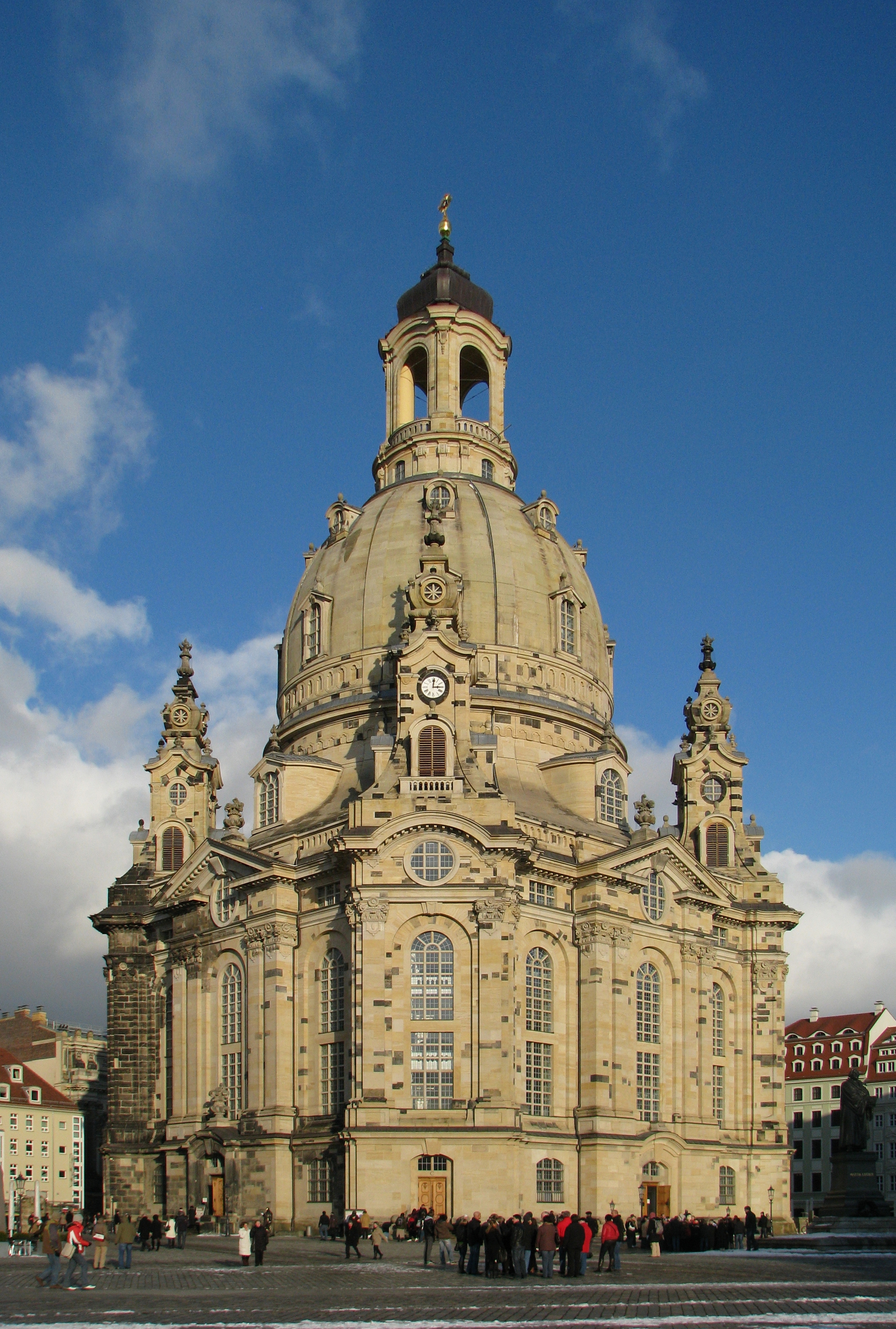
The Frauenkirche, Dresden's Church of Our Lady, rises above the Neumarkt with its massive stone dome, a sight that draws millions of visitors each year. This Lutheran church is not just an architectural marvel; it is a living congregation and a global symbol of peace. The current building is the third to stand on this spot, and its story is one of destruction, remembrance, and rebirth.
Designed by George Bähr and completed in 1743, the original Baroque church was a masterpiece of engineering, featuring the largest stone dome north of the Alps. It stood for over two centuries until the Allied firebombing of Dresden in February 1945 reduced it to a pile of rubble. For decades, the ruins were left as a stark war memorial. Then, after German reunification, a remarkable international effort began to rebuild the church, funded largely by private donations from around the world, including a significant contribution from the UK. The reconstruction, completed in 2005, used original plans and as many salvaged stones as possible, creating a structure that honors the past while serving the present.
Today, the Frauenkirche operates as a vibrant religious and cultural center. The Stiftung Frauenkirche Dresden (Foundation) oversees its preservation and programming, while the congregation holds regular worship services, concerts, and events. It has become a top tourist attraction and a venue for cultural diplomacy, hosting everything from classical music performances to science-for-peace symposiums. Its chamber choir tours internationally, and recent partnerships, such as one with the football club SG Dynamo Dresden, underscore its role as a unifying force in the community.
Mission
The Frauenkirche's mission extends far beyond worship. It stands as a place of peace, reconciliation, and international understanding, a role it has embraced since its reconstruction. The church actively promotes dialogue between cultures and nations, hosting events like the annual Science4Peace symposium in cooperation with UNU-FLORES and Technische Sammlungen Dresden, which links scientific research to societal challenges.
Its partnership with SG Dynamo Dresden, under the motto "Frieden auf unseren Plätzen" (Peace on our Places), uses the power of sport and faith to foster social cohesion and bridge divides. The church also serves as a venue for cultural diplomacy, welcoming performers and audiences from across the globe. Through its worship services, concerts, and community programs, the Frauenkirche aims to be a living testament to the possibility of healing and unity in the face of devastation.
History
The first church on the site was a Catholic structure, which became Protestant during the Reformation. By the early 18th century, it was deemed inadequate, and the city commissioned a new, grander building. George Bähr, the city's master carpenter, designed an innovative church with a central octagonal layout and a towering stone dome. Construction began in 1726 and took 17 years, with the church consecrated in 1743. Bähr did not live to see it finished, but his design became a defining example of Protestant Baroque architecture.
The church survived the centuries, witnessing the rise and fall of empires, until the night of February 13, 1945. During the Allied firebombing of Dresden, the city was engulfed in a firestorm, and the Frauenkirche, unable to withstand the extreme heat, collapsed in on itself. The ruins remained as a haunting memorial for over four decades, a deliberate reminder of the horrors of war.
After German reunification, a grassroots movement in Dresden and abroad pushed for reconstruction. The project, which began in 1993 and lasted until 2005, was funded by donations from around the world, including a notable contribution from the British people, a gesture of reconciliation. The reconstruction used original plans and over 8,000 salvaged stones, carefully catalogued and reincorporated. The church was reconsecrated on October 30, 2005, and has since become a powerful symbol of peace and a thriving cultural hub.
Subdivisions
Stiftung Frauenkirche Dresden
Foundation responsible for the preservation, maintenance, and programming of the church.
Kammerchor der Frauenkirche Dresden
Chamber choir of the church, performing nationally and internationally.
Congregation of the Frauenkirche
Active Lutheran congregation holding regular worship services and devotions.
Notable People
George Bähr
Architect · 1726-1743
Designed the Baroque Frauenkirche, completed in 1743.
Jeanine De Bique
Soprano · June 2024
Performed a concert at the Frauenkirche, receiving high acclaim.
Milestones
1726-1743
Construction of the Baroque Frauenkirche designed by George Bähr.
1945
Destruction during the Allied firebombing of Dresden.
1993
Reconstruction begins.
2005
Reconsecration of the rebuilt church.
2024
Hosted a concert by soprano Jeanine De Bique.
2025
Announced cooperation with SG Dynamo Dresden under the motto 'Frieden auf unseren Plätzen'.
2026
Planned anniversary event with SG Dynamo Dresden on August 26.
Departments
Sources
Organization Info
- Founded
- 1726
- Headquarters
- Neumarkt, Dresden, Saxony, Germany
- Country
- Germany
- Parent
- Evangelical-Lutheran Church of Saxony
- Type
- Religious
- Architect
- George Bähr
- Height
- 91 meters
- Dome
- Largest stone dome north of the Alps
- Reconstruction
- 1993-2005
Official Website
www.frauenkirche-dresden.de
Join the community
fans discussing