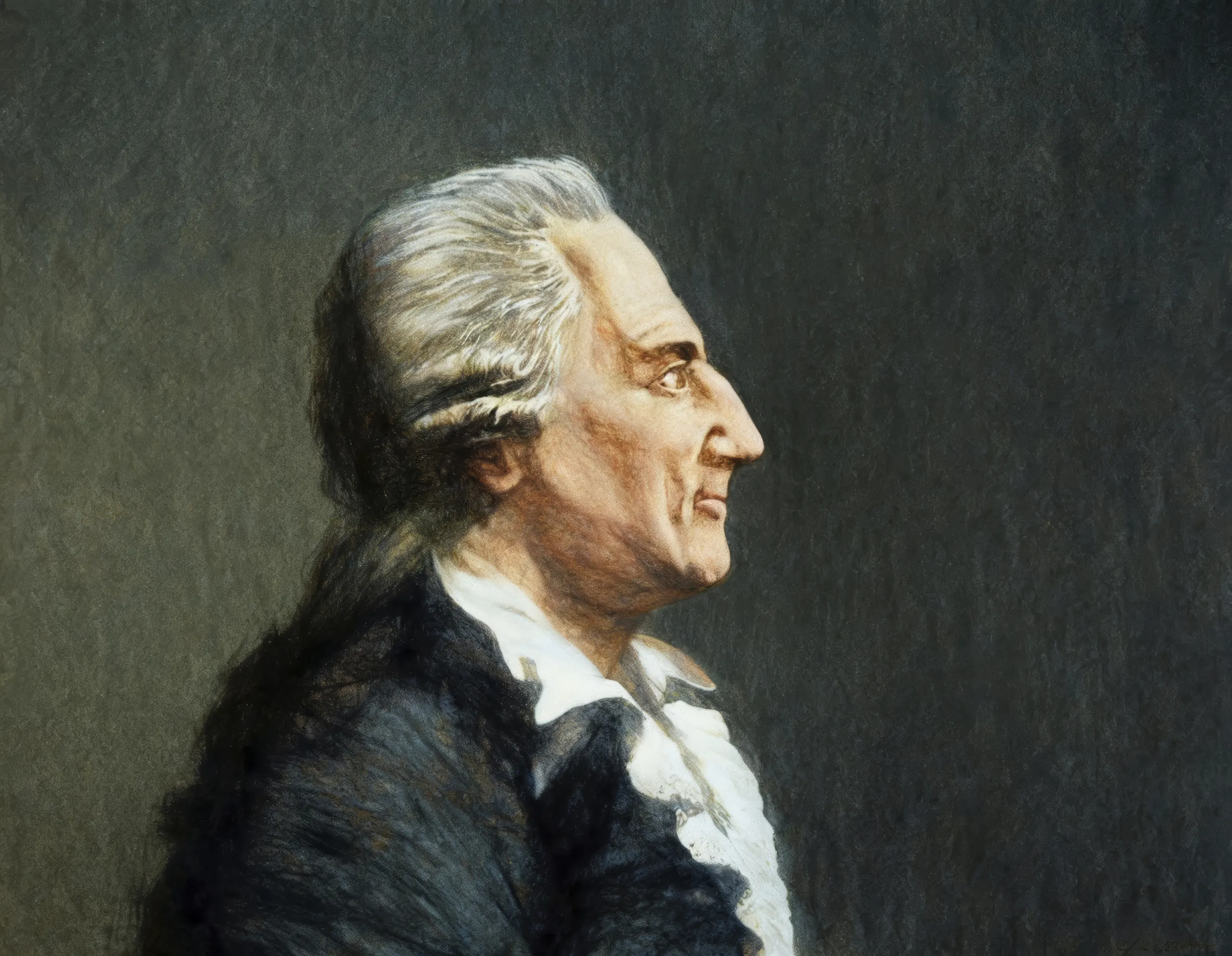
François Cheng
 China
Chinawriter•poet•essayist•novelist•calligrapher•art historian
Also known as: 程抱一, Francois Cheng
Birthday
August 30, 1929
Birth Sign
Virgo
Birthplace
Nanchang, China
Age
97 years old
About
François Cheng is a Chinese-born French writer, poet, essayist, novelist, calligrapher, and art historian. He is a member of the Académie Française, the first person of Asian origin to hold that honor, and his work bridges the cultural divide between East and West with rare elegance.
Cheng's writing, composed in French, explores themes of identity, exile, and the human condition through a bicultural lens. His major works include The Tree, When the Soul Faces East, and Five Meditations on Death, all translated into multiple languages. Beyond literature, he is an accomplished calligrapher, and his essays on Chinese art and poetry are widely respected.
As of 2026, Cheng remains an active and revered figure in French letters, celebrated for his lifelong dedication to cultural dialogue.
Early Life & Background
François Cheng was born on August 30, 1929, in Nanchang, China. His childhood unfolded against the backdrop of war and displacement; the family moved frequently to escape conflict. He grew up immersed in Chinese classical poetry and calligraphy, disciplines his father taught him from an early age.
In 1948, at age nineteen, Cheng left China for France on a scholarship, a journey that would become a pivotal turning point. He arrived in Paris in 1949, just as the Chinese Civil War was ending, and he would not see his family again for decades. Struggling to adapt, he threw himself into learning French and studying Western philosophy and literature at the Sorbonne.
Before his literary breakthrough, Cheng worked as a translator and interpreter, and he taught Chinese at the École des Langues Orientales. These early years of exile and reinvention deeply shaped his artistic vision, infusing his later work with a profound sense of loss and the search for belonging.
Career Growth
Cheng's literary career took off in the 1970s with the publication of his essays on Chinese poetry and art, which introduced French readers to the subtleties of Chinese aesthetics. His 1977 book Analyse du vide was a landmark, and he followed with influential studies like Espace du rêve (1979).
In 1998, he published his first novel, Le Dit de Tianyi, which won the Prix Femina and brought him wide recognition. The novel, drawing on his own experiences, tells the story of a Chinese intellectual in exile. He continued to produce poetry collections and essays, including Quand l'âme se souvient (2003) and Cinq méditations sur la beauté (2006), which have been translated into many languages.
His election to the Académie Française in 2002 was a historic milestone, and he has since received numerous honors, including elevation to Grand Officer of the National Order of Merit in December 2025. Cheng's work remains a vital bridge between cultures, and he continues to write and lecture into his nineties.
Career Timeline
Public Image & Style
François Cheng is regarded as a sage-like figure in French cultural life, respected for his calm wisdom and cross-cultural insight. He is known for his elegant, understated style, both in his writing and his personal demeanor. Media profiles often describe him as a bridge between civilizations, and he is frequently invited to speak on topics of East-West dialogue. Fans and readers appreciate his philosophical depth and the lyrical quality of his prose. He maintains a low-key presence, though his Instagram account shares moments from his public appearances and honors. His fandom, though niche, is devoted and international.
Fame & Fandom (iFAMOUS Rankings)
François Cheng's readership is a quiet, devoted one, literary pilgrims who find in his prose a refuge and a kind of healing. There's no formal fandom name, no fan-run accounts or birthday billboards; instead, his followers gather in book clubs, academic seminars, and the quiet corners of French cultural life. They are the kind of fans who write long letters, who quote his lines in wedding vows, who see his calligraphy as a meditation. His official Instagram (@francois_cheng) offers glimpses of his honors, like his elevation to Grand Officer of the Ordre national du Mérite in December 2025, but the community's energy is less about spectacle and more about shared reverence.
As for legendary moments, there are few viral incidents, his life is one of steady, luminous achievement. The story fans still tell is the 2002 election to the Académie Française, when he became the first person of Asian origin to hold that seat, and his acceptance speech, delivered in both French and Chinese, broke institutional tradition. That moment, more than any single event, defines his iconic status: a bridge between civilizations, acknowledged by the highest cultural body in France.
On the global fame scale, iFANN's Global Fame Engine has evaluated François Cheng, but he does not currently hold a placement in the published rankings, neither the Global Top 1,000 nor any Top-100 scope list. His fame is real but niche, the fame of a sage rather than a celebrity, measured in the depth of his influence rather than the breadth of his reach.
Interesting Facts and Legends
François Cheng is an accomplished calligrapher, and his ink paintings have been exhibited in Paris galleries. He is also a translator, having rendered the poetry of French poets like René Char into Chinese. Cheng's pen name in Chinese is 程抱一, and he is known to have a deep love for the music of Bach, which he says helps him meditate. He holds dual French citizenship and has often spoken of his dual cultural identity as a source of creative tension. In 2002, when he was elected to the Académie Française, he gave his acceptance speech in both French and Chinese, a first for the institution. He is also a vegetarian and an avid gardener.
A story fans still retell: when he received the Grand Officer distinction in the Ordre national du Mérite in December 2025, at the age of 96, he responded with characteristic humility, thanking the French people for adopting him as one of their own. Another legend, less documented but widely whispered, involves his habit of writing every morning before dawn, a ritual he has kept for decades, and which he credits for the clarity of his prose.
Notable Quotes
“Exile is a wound that never completely heals, but it can become a source of creation.”
“Poetry is the language of the soul, the only one that can cross all borders.”
“I have two cultures, and I am forever in between, but that is my richness.”
“Beauty is a promise of meaning in a world that often seems meaningless.”
Family & Personal Life
François Cheng is married to Micheline Cheng, who has been his companion for many decades. The couple lives in Paris. They have no children. Cheng has spoken publicly about the pain of being separated from his parents and siblings after he left China in 1948; he did not see his mother again until 1975, when he was finally able to visit China. His family's experiences during the war and the revolution are a recurring theme in his writing.
Notable Connections
François Cheng's wife, Micheline Cheng, has been a constant support throughout his career. He is also associated with French literary figures such as André Malraux, who encouraged his early work, and the poet René Char, whose work he translated. In the academic world, he has collaborated with sinologists and philosophers, and his election to the Académie Française placed him among France's intellectual elite.
Relationships & Dating History
François Cheng has been married to Micheline Cheng for many decades. The couple met in Paris in the 1950s, and they have been inseparable ever since. Micheline, who is of French origin, has been his lifelong companion and muse. They have no children. Their relationship has been remarkably stable, and Cheng has often credited his wife for her patience and support during his long years of literary struggle. As of 2026, he is still married to Micheline.
- MarriedMicheline Cheng1955 - presentCurrentMet in Paris in the 1950s and have been married for decades.
Salary, Net Worth In 2026
$5 Million
iFANN Editorial Team estimate
iFANN currently estimates François Cheng's net worth at $5 million. His income derives primarily from his extensive literary output, including royalties from his novels, poetry collections, and essays, many of which have been translated into numerous languages and continue to sell worldwide. He has also earned from his work as a translator and from academic positions. As a member of the Académie Française, he receives a modest stipend. Cheng's financial standing has grown steadily over the years, reflecting his enduring popularity and the continued relevance of his books. His estate also benefits from the sales of his calligraphy and art, which are collected by connoisseurs.
Awards Won (2)
François Cheng has received numerous prestigious awards for his literary work. He won the Prix Femina in 1998 for his novel Le Dit de Tianyi. In 2002, he was elected to the Académie Française, one of the highest honors in French letters. He has also been decorated with the Grand Officer of the National Order of Merit in 2025.
2025 · National Honor
Lifetime achievement
1998 · Literary Award
Le Dit de Tianyi
Known For
Le Dit de Tianyi
1998 · Novel
Cinq méditations sur la beauté
2006 · Essay
Quand l'âme se souvient
2003 · Poetry
Analyse du vide
1977 · Essay
Keywords
Sources
Quick Facts
- Profession
- writer, poet, essayist, novelist, calligrapher, art historian
- Born
- August 30, 1929
- Birthplace
- Nanchang, China
- Gender
- Male
- Spouse
- Micheline Cheng
- Birth Sign
- Virgo
- Nationality
- French
- Member of
- Académie Française
Personal Details
- Full Name
- François Cheng
- Spouse
- Micheline Cheng
Frequently Asked Questions
Who is François Cheng?
How old is François Cheng in 2026?
What is François Cheng's net worth?
What is François Cheng best known for?
Is François Cheng still alive?
Social Media
Join the community
fans discussing