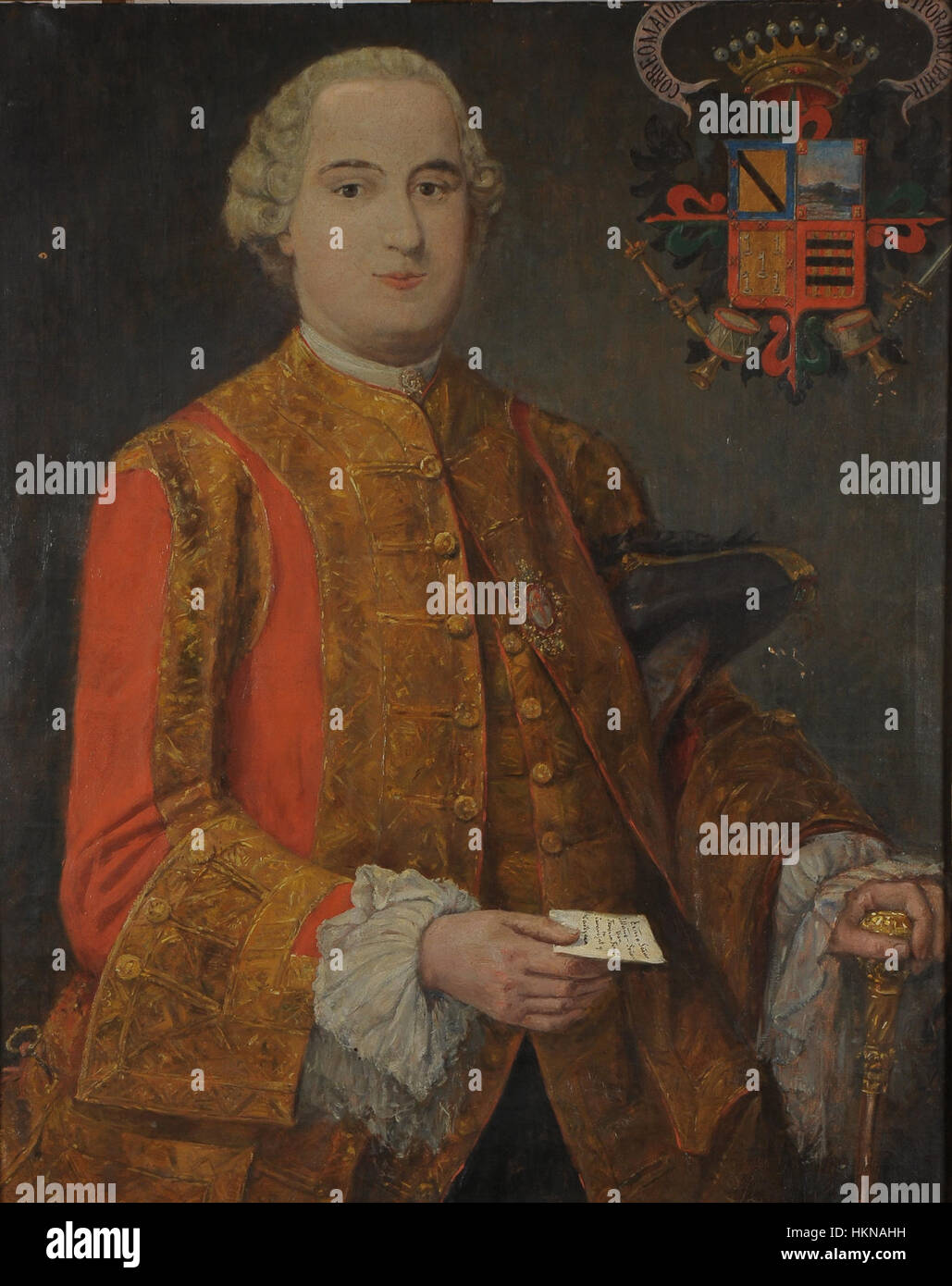
Francisco S. Carvajal
 Mexico
Birthday
December 9, 1870
Birth Sign
Sagittarius
Birthplace
San Francisco de Campeche, Mexico
Age
Died at 61
About
Francisco S. Carvajal was a Mexican lawyer and politician who held the country's presidency for a brief, turbulent period in 1914. His tenure occurred during a particularly volatile phase of the Mexican Revolution, placing him at the helm of a nation in deep conflict. Before his unexpected rise to the highest office, Carvajal built a career in law and diplomacy, serving in various governmental capacities, including as foreign minister. He is primarily remembered as a transitional figure, one who briefly occupied the presidential chair as power shifted dramatically from the Huerta regime to the revolutionary forces. His short time in office, marked by a swift resignation, underscores the intense political instability of Mexico during that era and his role in facilitating the transfer of power to the constitutionalist movement.
Early Life & Background
Francisco Sebastián Carvajal y Gual entered the world on December 9, 1870, in San Francisco de Campeche, a coastal city with a rich history in Mexico. His formative years were spent there, where he began his initial studies. He later pursued a legal education, a path that would define much of his professional life. This rigorous training in law was a foundational stepping stone into public service, equipping him with the analytical skills and understanding of governance that would characterize his career. Carvajal held a series of governmental appointments, steadily building his experience and reputation within Mexico's political machinery. He served in various capacities, often in diplomatic or legal advisory roles, before the tumultuous period of the Mexican Revolution. These early assignments honed his skills in negotiation and administration, giving him a firsthand perspective on the nation's unfolding challenges. His work in the diplomatic corps was particularly significant, preparing him for the complexities of international relations. As the political landscape grew increasingly unstable, his competence and experience eventually led to his appointment as Mexico's foreign minister under the Victoriano Huerta administration. This cabinet position placed him directly within the inner circle of power, just as Huerta's presidency was beginning to crumble under the weight of widespread rebellion.
Career Growth
A pivotal moment arrived for Carvajal on July 15, 1914, when he unexpectedly assumed the presidency of Mexico. This swift ascent followed the resignation of Victoriano Huerta, who departed amidst intense revolutionary pressure. Carvajal, serving as foreign minister at the time, was constitutionally next in line for the office. His primary task upon taking power was to navigate the escalating conflict with the Constitutionalist Army, led by Venustiano Carranza. The nation was deeply embroiled in the Mexican Revolution, and the new president faced an immediate and overwhelming challenge. He attempted to negotiate a peaceful transfer of power, but the revolutionary forces were insistent on a complete overhaul of the existing government. Facing insurmountable military pressure and concerns for his personal safety, Carvajal's presidency proved exceptionally brief. Just under a month after taking office, on August 13, 1914, he formally resigned. This act effectively yielded power to the Constitutionalists, marking a significant turning point in the Revolution. After his resignation, Carvajal left Mexico, living for a period in the United States before eventually returning to his home country. He passed away on September 30, 1932, in Mexico City, concluding a life marked by legal service and a brief, yet impactful, presidential interlude during one of Mexico's most defining historical periods.
Career Timeline
Public Image & Style
Francisco S. Carvajal is primarily viewed through the lens of history as a transitional figure rather than a leader who shaped a specific public image. His brief presidential term, occurring at a highly tumultuous point during the Mexican Revolution, meant that his public perception was largely defined by the circumstances of his ascension and swift resignation. He was seen as the interim figure who facilitated the transfer of power from the embattled Victoriano Huerta to the ascendant Constitutionalist forces led by Venustiano Carranza. There is no evidence of a distinct personal brand, signature style, or a dedicated fan following in the modern sense. His legacy rests on his role in a critical historical moment, remembered more for the political events he was part of than for any individual charisma or public persona he cultivated.
Fame & Fandom (iFAMOUS Rankings)
Francisco S. Carvajal's fame is a curious case: a man who held the highest office in Mexico for less than a month, yet whose name barely registers in the global consciousness. iFANN's Global Fame Engine has evaluated him, but as of August 2026, he holds no placement in the published rankings, neither in the Global Top 1,000 nor in any Top-100 scope list. This is not a slight; it's a reflection of his historical footprint. He is not a name that trends or sparks debates; he is a footnote, albeit a significant one, in the grand narrative of the Mexican Revolution. His fame, such as it is, is confined to history books and the occasional documentary, where he is mentioned as the transitional figure who briefly occupied the presidential chair. There is no formal fandom, no dedicated following, no fan clubs or online communities that rally around his legacy. The only 'community' that engages with him is the broader circle of Mexican history enthusiasts, who might pause to note his unique place as the only president from Campeche. But that's not fandom; that's scholarship. His story is not one of adulation but of historical curiosity, a man who, for 29 days, held the reins of a nation in chaos, and then stepped aside. In the grand scheme of fame, he is a whisper, not a roar, and iFANN's data confirms that his impact, while historically notable, does not translate into contemporary fame.
Interesting Facts and Legends
Francisco S. Carvajal holds a unique place in Mexican history as the 36th President of the nation. His full birth name was Francisco Sebastián Carvajal y Gual, reflecting his family lineage. During his brief time in office, his administration was headquartered in Mexico City, a city he would later return to and pass away in. A notable aspect of his political career is that his presidency lasted for only 29 days, from July 15 to August 13, 1914. This makes him one of the shortest-serving presidents in Mexico's history. Before reaching the highest office, he had established himself as a respected lawyer, a profession that formed the backbone of his early public service. Beyond these facts, there are no legends or iconic moments associated with Carvajal, no dramatic stories of last-minute heroics or cultural myths that have grown around his brief tenure. The only 'legend' is the historical narrative itself: that he was the interim president who facilitated the transfer of power from Victoriano Huerta to the revolutionary forces, a role that, while crucial, has not inspired folklore. He remains a figure of historical record, not of legend, his story told in the dry tones of textbooks rather than in the vibrant colors of myth.
Family & Personal Life
Details regarding Francisco S. Carvajal's family life remain largely unrecorded in public historical accounts. There is no widely available information about his parents, siblings, or any personal household beyond his professional activities. Historical records do not indicate that he was married or had any children. His life story, as documented, focuses almost exclusively on his legal career and his brief, but consequential, political service during the Mexican Revolution. This lack of personal information suggests a private individual whose public persona was strictly tied to his official roles rather than his domestic sphere.
Notable Connections
Francisco S. Carvajal is most closely associated with two key figures of the Mexican Revolution: Victoriano Huerta, his predecessor, and Venustiano Carranza, to whom he yielded power. Huerta's resignation directly led to Carvajal's brief presidency. Carvajal's decision to resign and transfer power to Carranza's Constitutionalist forces marked a significant moment in the conflict. Another figure linked to Carvajal's final days in office was Eduardo Iturbide, who was the Governor of the Federal District at the time and received Carvajal's resignation.
Relationships & Dating History
Francisco S. Carvajal's personal life, particularly his romantic relationships, remains largely undocumented in historical records. Public accounts of his life focus almost entirely on his professional and political career, offering no details about any partners, marriages, or significant romantic involvements. There is no information suggesting he was ever married, engaged, or in a long-term relationship. Similarly, historical sources do not indicate that he fathered any children. This absence of personal relationship details is common for many public figures from the early 20th century, where private lives were often kept out of the public eye unless they directly intersected with political events or scandals. The social norms of his era, coupled with the intense political upheaval of the Mexican Revolution, meant that personal relationships of public figures were rarely scrutinized or documented in the same way they are today. His life story, as preserved, paints a picture of a man dedicated to his legal and governmental duties, with his private sphere remaining outside the scope of historical documentation. Therefore, as of his death in 1932, Francisco S. Carvajal was reportedly single, with no known marital status or romantic partners.
Death & Aftermath
Died
September 30, 1932 (aged 61)
Death Place
Unknown
Cause of Death
Unknown
Francisco S. Carvajal died on September 30, 1932, at the age of sixty-one. Born on December 9, 1870, in San Francisco de Campeche, he served as President of Mexico in 1914 before stepping down from office in August of that year. The available historical records confirm his date of death but do not specify the exact location where he passed away or provide details regarding his final days and activities between 1914 and 1932.
The funeral details, including the specific date, location, and nature of the service, remain unreported in the provided archives. While a memorial entry exists for him, the records do not identify the burial plot, cemetery name, or notable attendees present at any ceremony.
In the years since 1932, Carvajal's legacy has endured primarily through academic examination of the Mexican Revolution rather than through posthumous honors or dedicated releases. He is remembered today as a transitional figure who navigated the shift from the Huerta regime to the Constitutionalists before retreating from public life. His story concludes with the same discretion that marked his exit from the presidency, leaving the historical record focused on his political role during a turbulent era rather than the circumstances of his end.
Net Worth (Estate Value)
Information regarding Francisco S. Carvajal's personal net worth or the value of his estate at the time of his death in 1932 is not publicly available in historical records. His career was primarily in public service, as a lawyer, diplomat, and briefly as president, roles that generally did not accumulate vast personal fortunes during that era. Unlike many modern public figures, there are no documented business ventures, major investments, or significant real estate holdings attributed to him that would contribute to a calculable estate value. During the early 20th century in Mexico, public officials' salaries were typically modest, and the concept of personal wealth accumulation through public office was less transparently reported than it is today. Historical accounts focus almost entirely on his political contributions and the events surrounding his short presidency, with no mention of substantial financial assets or a notable legacy of wealth. The turbulent period of the Mexican Revolution also meant economic instability, which likely impacted any personal finances. Therefore, any specific figures for his net worth would be purely speculative.
Awards & Accolades
Keywords
Sources
Quick Facts
- Profession
- Lawyer, Politician
- Death Place
- Mexico City
Personal Details
- Full Name
- Francisco Sebastián Carvajal y Gual
- Education
- Legal studies
Frequently Asked Questions
Who was Francisco S. Carvajal?
Francisco S. Carvajal was a Mexican lawyer and politician who briefly served as president of Mexico in 1914. His short tenure occurred during a tumultuous period of the Mexican Revolution, where he played a transitional role in the transfer of power from the Victoriano Huerta regime to the Constitutionalist forces.
When was Francisco S. Carvajal president?
He served as president from July 15, 1914, until August 13, 1914. This period, lasting just 29 days, made his presidency one of the shortest in Mexico's history, occurring amidst the escalating conflicts of the Mexican Revolution.
When and where was Francisco S. Carvajal born?
Francisco S. Carvajal was born on December 9, 1870, in San Francisco de Campeche, Mexico. He spent his early years and began his legal studies in his hometown before embarking on a career in public service.
When did Francisco S. Carvajal die?
He passed away on September 30, 1932, in Mexico City, Mexico, at the age of 61. His death occurred years after his brief presidency, concluding a life dedicated to law and public administration.
Why did Francisco S. Carvajal resign as president?
Carvajal resigned due to the overwhelming military pressure from the revolutionary forces led by Venustiano Carranza and concerns for his personal safety. His resignation facilitated the peaceful transfer of power to the Constitutionalist Army, marking a a key moment in the Mexican Revolution.
Join the community
fans discussing