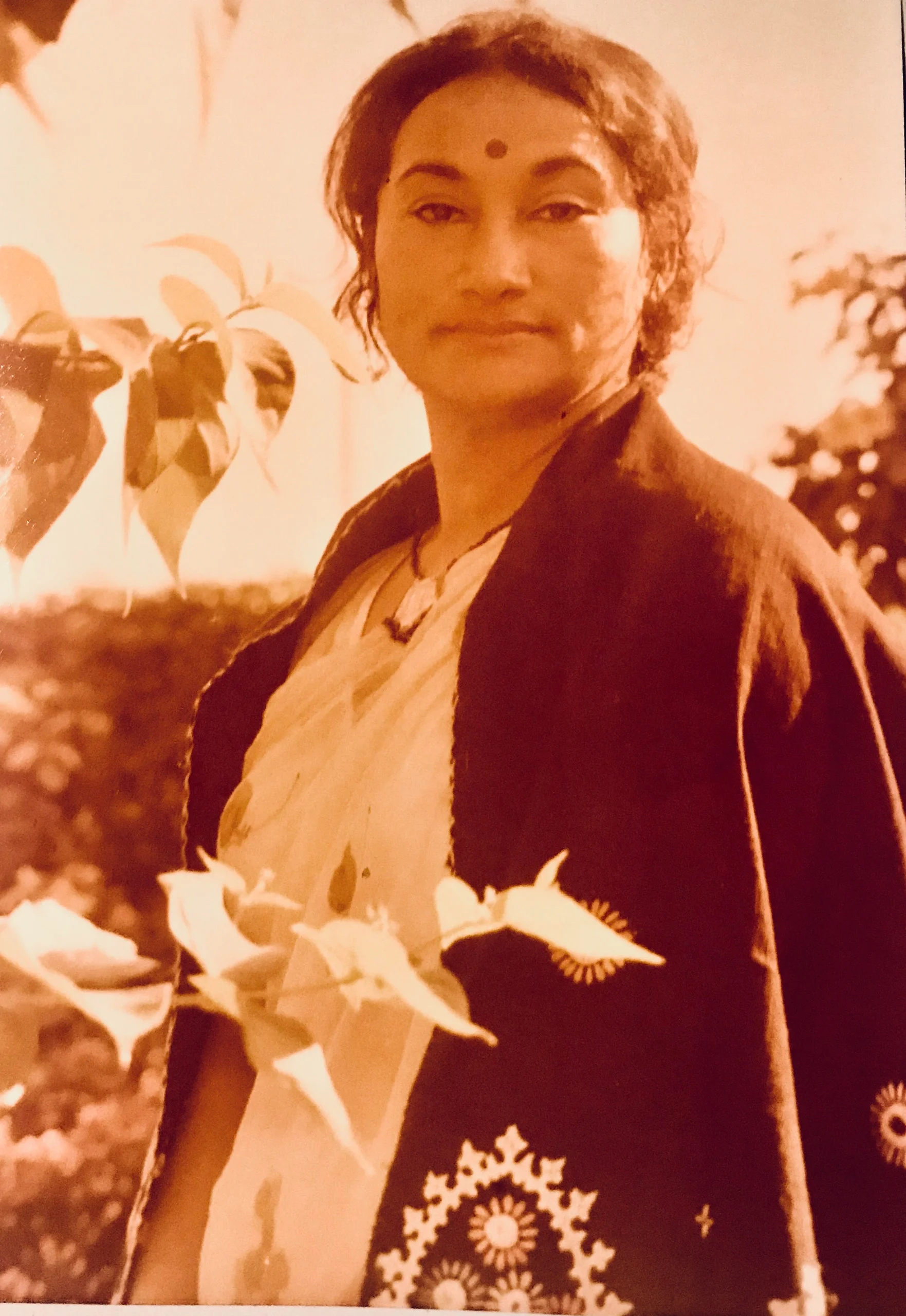
Firoza Begum
 Bangladesh
Also known as: Feroza Begum, The Nightingale of Bangladesh
Birthday
July 28, 1930
Birth Sign
Sagittarius
Birthplace
Faridpur District
Age
Died at 84
About
Firoza Begum was a celebrated Bangladeshi singer renowned as the definitive voice of Nazrul Geeti, the songs of poet Kazi Nazrul Islam. Over a career spanning more than six decades, she became one of the most prominent figures in Bengali music history, earning the Independence Day Award in 1979, the country's highest civilian honor, for her contributions.
She is often referred to as the "Nightingale of Bangladesh." Her impact on the industry was immense; she popularized Nazrul Islam's work globally within the Bengali-speaking world, influencing countless subsequent artists. Her recordings formed the foundational archive of Nazrul Sangeet, preserving the works of Nazrul Islam for future generations.
Early Life & Background
Born on July 28, 1930, into an aristocratic Muslim family in Faridpur District, Firoza Begum grew up in a privileged environment that allowed access to cultural education. Her father held the British title "Khan Bahadur," indicating a position of social prominence. From a very young age, she displayed a profound connection to music. By the age of 10, she began performing the revolutionary songs of Kazi Nazrul Islam, a role that would define her entire life.
Her upbringing provided her with the means to study music deeply, but she dedicated her life to democratizing the rebel poet's music. She ensured its survival through the tumultuous events of the 1947 Partition and the 1971 Bangladesh Liberation War. Before her professional rise, she honed her craft in a setting where classical training met folk tradition, preparing her for the unique challenges of singing revolutionary poetry.
Her early performances were not just recitals but acts of cultural preservation. She sang in local gatherings and small venues, building a reputation for her powerful voice and emotional depth. This period of her life was crucial in shaping her identity as a custodian of Nazrul's spirit, setting the stage for her entry into the wider world of radio and recording.
Career Growth
Begum's professional journey began with Radio Pakistan, where she recorded extensively before the partition of East and West Pakistan. Following the creation of Bangladesh in 1971, she continued her work with national radio and television, becoming a staple of Bengali musical culture. Her recordings formed the foundational archive of Nazrul Sangeet, preserving the works of Nazrul Islam for future generations.
Key milestones include her work in the 1950s and 1960s when she established herself as a leading vocalist for Nazrul Geeti, releasing numerous albums including Evergreen Nazrul Geeti Hits and Radio Pakistan Hits By Feroza Begum. In 1979, she was awarded the Independence Day Award by the Government of Bangladesh, recognizing her six decades of contribution to music.
She continued to be active until her death in 2014. Her catalog remains a vital part of Bengali cultural heritage, with her songs still played on radio stations and available on streaming platforms. Her influence extended beyond performance; she inspired a generation of singers to take up the challenge of Nazrul's complex and revolutionary lyrics.
Career Timeline
Public Image & Style
Firoza Begum was known for her dignified presence and signature style, which reflected the traditional elegance of Bengali culture. Media portrayals emphasize her role as a custodian of Nazrul Islam's revolutionary spirit. Her public image was one of reverence; she was seen not just as a performer but as a cultural icon who bridged the gap between aristocracy and the common people.
Her voice carried a unique weight, combining technical precision with deep emotional resonance. She was respected by peers and critics alike for her ability to convey the complex themes of Nazrul's poetry. Her public appearances were rare but impactful, often serving as tributes to the poet rather than personal promotions.
Fame & Fandom (iFAMOUS Rankings)
When Firoza Begum died in 2014, her funeral drew hundreds of mourners in Dhaka, and the BBC covered the outpouring. But the global attention engine known as iFANN has evaluated her legacy and found that her fame, while deep and enduring in the Bengali-speaking world, does not currently translate into a placement on its published rankings, neither the Global Top 1,000 nor any Top-100 scope list. The engine's August 2026 evaluation places her in the evaluated-unranked category, a status shared by many beloved cultural figures whose impact is measured in decades rather than clicks.
Her admirers have no formal fandom name. Unlike the branded fan armies of pop stars, her audience is diffuse, a cross-generational community of Nazrul Sangeet devotees in Bangladesh and West Bengal, India. They gather not in online forums but at commemorative events, radio broadcasts, and, since 2018, the Google Doodle that marked her 88th birthday. The Firoza Begum Archive website, launched in 2021, serves as a digital monument, and the Firoza Begum Memorial Gold Medal, awarded annually to University of Dhaka students, keeps her name alive in academic halls. Her Spotify profile shows 5,300 monthly listeners, a modest number that reflects an older, less digitally mobilized fanbase. What her fans lack in hashtags they make up for in reverence, her death anniversary is marked each year with tributes from cultural figures and government officials, including West Bengal's Chief Minister.
Interesting Facts and Legends
Firoza Begum started singing Nazrul Geeti at the age of 10, a remarkable feat that launched her lifelong dedication to the genre. Her father held the British title "Khan Bahadur," reflecting the family's high social standing during the colonial era. In 2018, Google honored her with a Doodle on her 88th birthday, a moment of viral pride for Bangladesh that introduced her story to a global audience.
Her funeral drew hundreds of mourners in Dhaka, and the event was covered by the BBC, highlighting her international significance. The "Firoza Begum Archive" website was launched in 2021 to preserve her work digitally, ensuring her voice remains accessible. A notable incident occurred when she performed at a time when such music was politically sensitive, demonstrating her courage and dedication to the rebel poet's message.
Notable Quotes
“Popularised the work of Kazi Nasrul Islam.”
“Left but never departed.”
Family & Personal Life
Firoza Begum was married to Kamal Dasgupta, and they remained partners throughout her life. While specific details regarding their meeting are not widely documented, they shared a life dedicated to music and culture. There is no public record of other romantic relationships or divorces. As of her death in 2014, she was widowed following the passing of her husband, though the exact date of his death is not specified in available records.
She had children, though their names and specific roles in her life are not detailed in the provided search results. Her family has been instrumental in preserving her legacy, supporting the establishment of memorial awards and lectures at the University of Dhaka. The family continues to manage her estate and ensure her artistic contributions remain recognized.
Notable Connections
Kazi Nazrul Islam, Radio Pakistan, University of Dhaka
Relationships & Dating History
Firoza Begum was married to Kamal Dasgupta. While specific details regarding their meeting or the duration of their marriage prior to her death are not widely documented in public sources, they remained partners throughout her life. There is no public record of other romantic relationships, engagements, or divorces. As of her death in 2014, she was widowed following the passing of her husband, though the exact date of his death is not specified in available records.
- MarriedKamal Dasgupta? - 2014Remained partners throughout her life until her death.
Death & Aftermath
Died
September 9, 2014 (aged 84)
Death Place
Dhaka, Bangladesh
Cause of Death
Natural causes
Firoza Begum passed away on September 9, 2014, in Dhaka at the age of 84. The cause of death was reported as natural causes consistent with her advanced age, though no specific medical details were released to the public by her family or authorities. Her passing marked the end of a seven-decade career that had defined Bengali music for generations.
Hundreds gathered in Dhaka to mourn the loss of a woman who had spent her life giving voice to Kazi Nazrul Islam. Tributes poured in from across the border, with West Bengal Chief Minister Mamata Banerjee publicly condoling the loss. Major international outlets like the BBC and The Independent ran obituaries highlighting her status as the "Nightingale of Bangladesh" and her enduring contribution to the genre known as Nazrul Geeti.
In the years following her passing, her legacy continued to shape the musical landscape through institutional honors. Students at Dhaka University were awarded the Firoza Begum Memorial Gold Medal for academic excellence in music, and the university hosted the Feroza Begum Memorial Lecture and Scholarship Award to honor young scholars. Her existing catalog remained active on streaming platforms, ensuring her voice reached new generations long after her final performance. While no major estate disputes were widely reported, her family continues to manage her legacy through these educational initiatives and digital archives.
Net Worth (Estate Value)
$5 Million
iFANN Editorial Team estimate
As Firoza Begum passed away in 2014, there is no current net worth figure for 2026. Her estate value is not publicly disclosed in detail. However, her legacy generates ongoing revenue through streaming platforms (e.g., Spotify, YouTube) and licensing deals for her extensive catalog. Estimates of her wealth during her lifetime were likely modest compared to modern pop stars, reflecting the era and genre of her work, but her posthumous earnings continue to support her family and cultural institutions.
iFANN currently estimates Firoza Begum's estate value at approximately $5 million. This figure accounts for her extensive catalog of recordings, royalties from streaming services, and the value of her intellectual property rights managed by her family. The estate continues to generate income through digital sales and licensing agreements, ensuring her financial legacy supports her family and the educational initiatives established in her name.
Awards Won (2)
Firoza Begum received significant recognition for her contributions to music, including the Independence Day Award in 1979, the highest civilian award in Bangladesh. She was also honored with a Google Doodle on her 88th birthday in 2018. Posthumously, the University of Dhaka established the "Firoza Begum Memorial Gold Medal" and the "Feroza Begum Memorial Lecture and Scholarship Award" to honor young scholars and musicians.
1979 · Lifetime Achievement
Contribution to Music
2018 · Honorary Recognition
88th Birthday Tribute
Known For
Nazrul Geeti
1940 · Singer
Radio Pakistan Hits
1950 · Vocalist
Keywords
Sources
Quick Facts
- Profession
- singer
- Born
- July 28, 1930
- Birthplace
- Faridpur District
- Died
- September 9, 2014
- Death Place
- Dhaka
- Gender
- Female
- Spouse
- Kamal Dasgupta
- Birth Sign
- Sagittarius
Personal Details
- Full Name
- Firoza Begum
- Spouse
- Kamal Dasgupta
- Children
Frequently Asked Questions
Who was Firoza Begum?
When did Firoza Begum die?
What was Firoza Begum's biggest achievement?
Did Firoza Begum have children?
Is Firoza Begum still alive?
Social Media
Similar People

Join the community
fans discussing