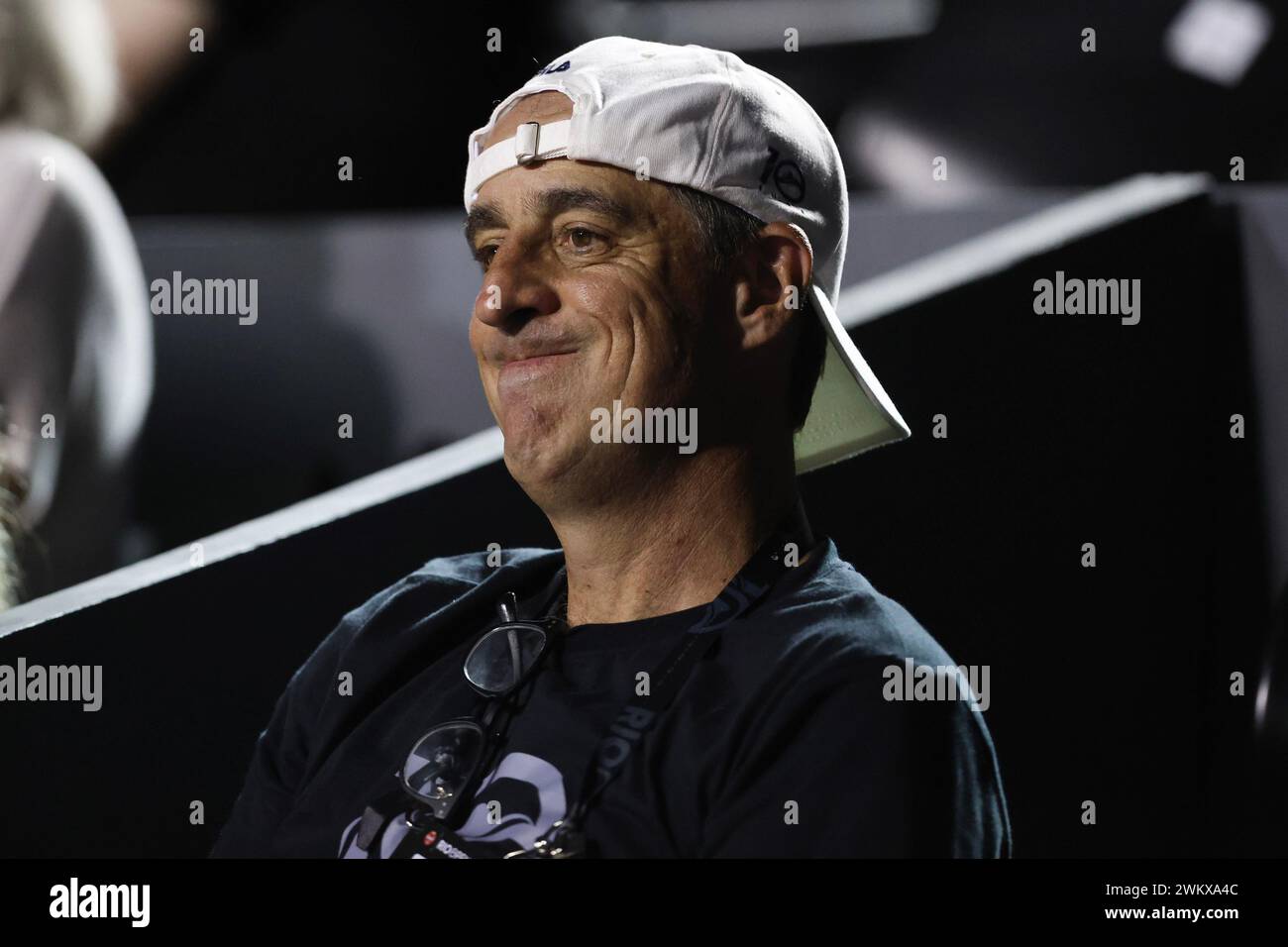
Fernando Meligeni
 Brazil
Also known as: Fininho, Fino
Birthday
April 12, 1971
Birth Sign
Aries
Birthplace
Buenos Aires, Argentina
Age
55 years old
Height
5 ft 11 in (180 cm)
About
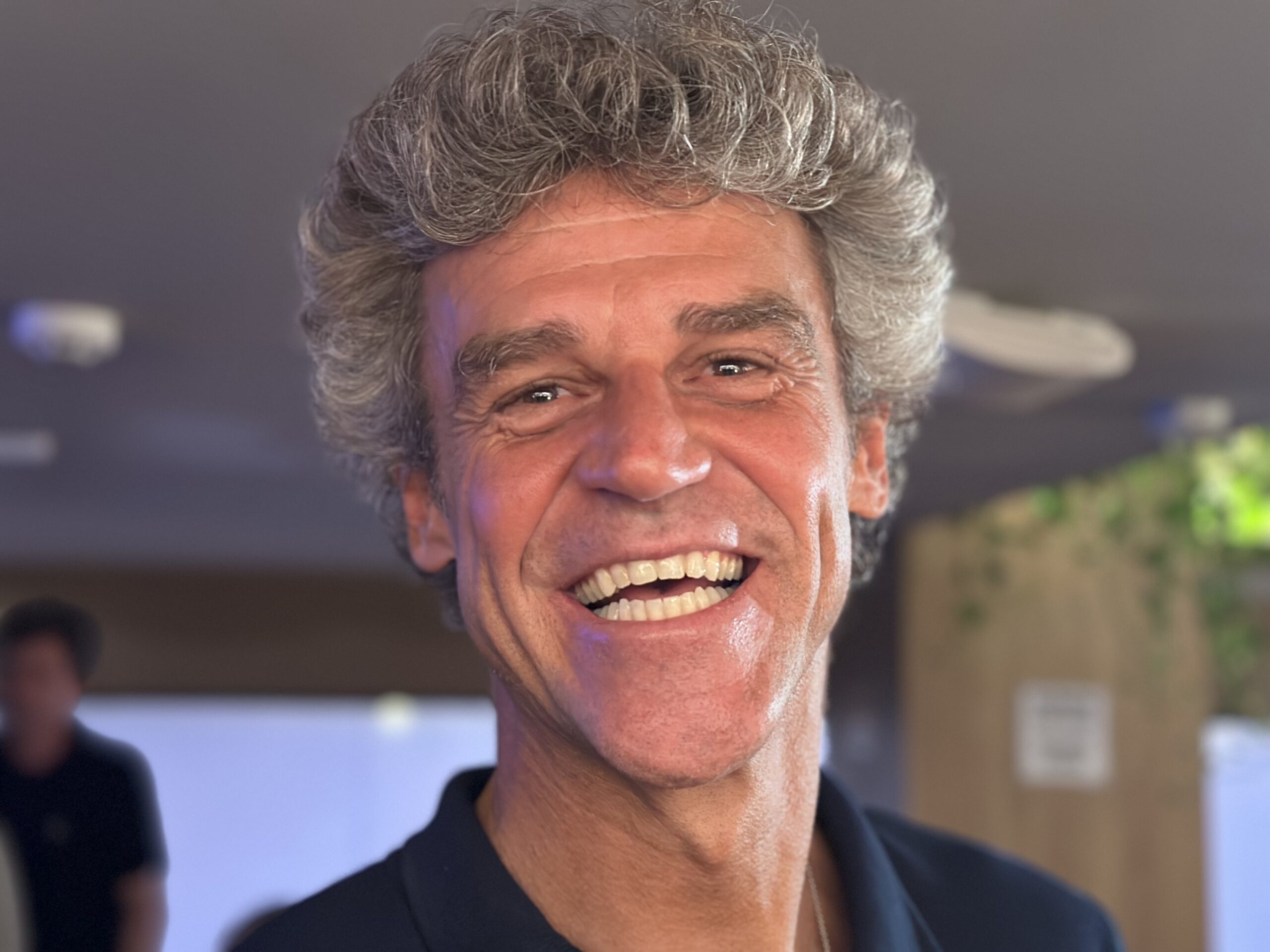
Fernando Ariel Meligeni is an Argentine-born Brazilian former professional tennis player and coach. Known affectionately as "Fininho" (Portuguese for "thin"), he built a reputation as a fierce competitor on clay courts, often outlasting opponents in five-set epics and tiebreaks. Over a 13-year career, he won three ATP singles titles and seven doubles titles, reached a career-high singles ranking of No. 25, and represented Brazil at the highest levels of the sport.
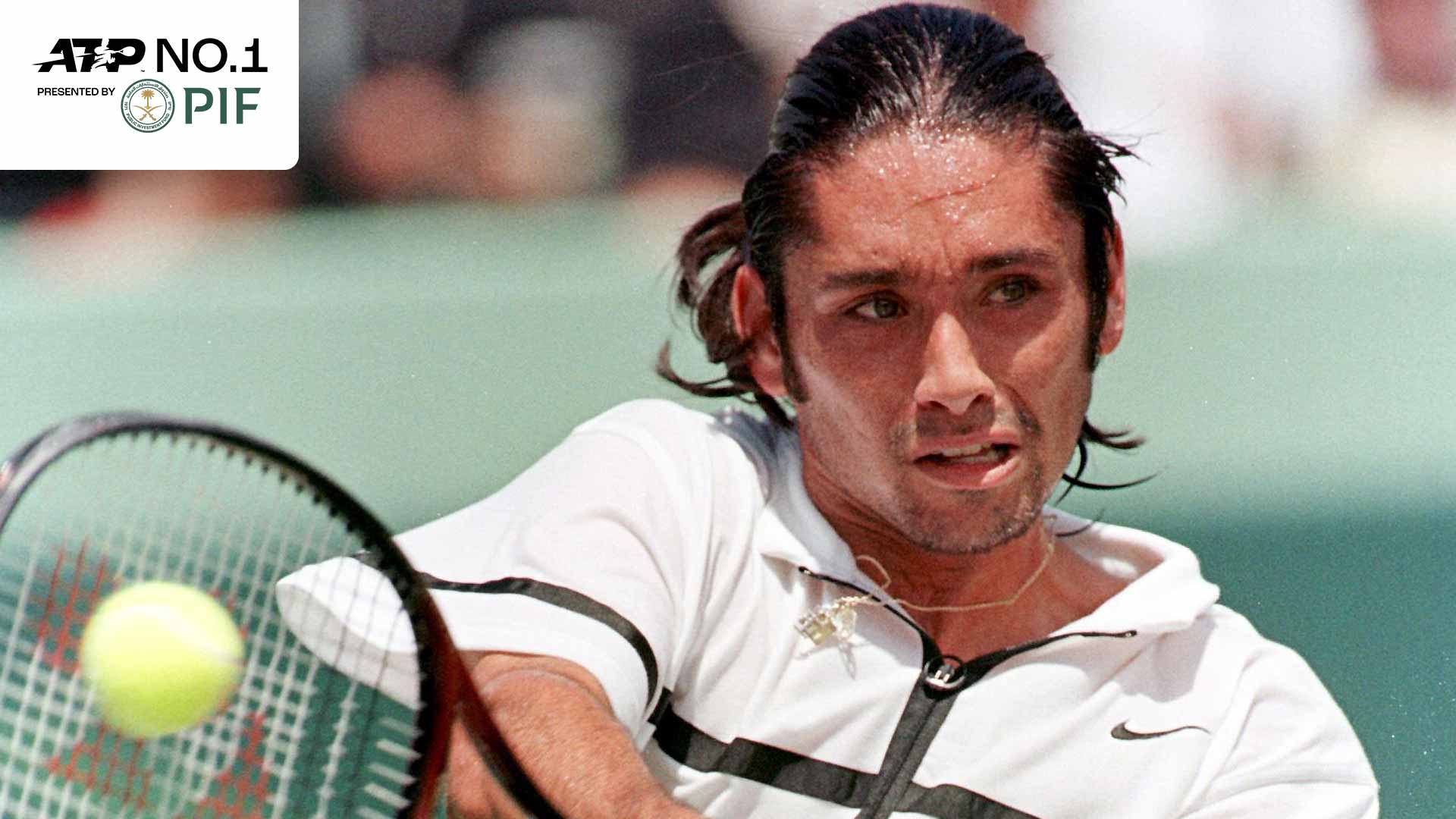
Meligeni's most memorable achievements include a semifinal run at the 1999 French Open and a fourth-place finish at the 1996 Atlanta Olympics. He closed his playing days by winning the gold medal at the 2003 Pan American Games, defeating former world No. 1 Marcelo Rios in the final. Since retiring, he has worked as a Davis Cup captain and a tennis commentator, staying close to the game he loves.
Early Life & Background
Fernando Meligeni was born on April 12, 1971, in Buenos Aires, Argentina, to a family of Italian descent. He grew up in the Argentine capital before relocating to Brazil, where he developed his tennis skills. His slender build earned him the nickname "Fininho," a Portuguese diminutive meaning "thin," which stuck with him throughout his career.
Coached by Enrique Perez, Meligeni turned professional in 1990. His early years on the tour were spent honing his game on clay, his preferred surface. In 1993, he won three Challenger titles and a doubles title, and reached the fourth round at Roland Garros, signaling his arrival as a clay-court threat. The following year, he reached the semifinals in Coral Springs and added another Challenger title in Ribeirão Preto.
Meligeni's fighting spirit and tenacity were evident from the start, traits that would define his professional career. He became a naturalized Brazilian citizen and chose to represent Brazil internationally, a decision that endeared him to Brazilian tennis fans.
Career Growth
Meligeni's breakthrough came in 1995 when he won his first ATP title in Bastad, beating Christian Ruud in the final. Earlier that year, he had reached the final in Mexico City, losing to Thomas Muster. In 1996, he captured his second ATP title in Pinehurst, defeating Mats Wilander, and won his first doubles title in Santiago with Gustavo Kuerten.
The 1996 Atlanta Olympics brought Meligeni to the world stage. He reached the semifinals with wins over Alberto Costa and Mark Philippoussis, then lost to Sergi Bruguera and fell to Leander Paes in the bronze medal match, finishing fourth. In 1998, he won his third singles title in Prague, beating Slava Dosedel.
His career peaked in 1999 when he reached the semifinals of the French Open and achieved his highest ranking, No. 25, on October 11 of that year. He also qualified for the Grand Slam Cup. Meligeni continued to compete at a high level, reaching finals at Costa do Sauipe in 2001 and Acapulco in 2002, losing to Jan Vacek and Carlos Moya respectively.
He retired in 2003 after a gold-medal performance at the Pan American Games, defeating Marcelo Rios in the final. Two years later, he became captain of the Brazilian Davis Cup team, a role he held until 2007 when he resigned over differences with the tennis federation.
Career Timeline
Public Image & Style
Meligeni is remembered as a tenacious competitor who maximized his abilities through fighting spirit rather than natural athletic gifts. The Times once described him as "never going to set the world alight but on his day and on his surface he can grind down even the most confident of opponents," noting his nickname "Fino" and his "walk of a man who is never completely sure that his knees will bend in the right direction."
He is considered one of Brazil's finest tennis representatives in both singles and doubles, and his determination made him a fan favorite. As a commentator, he brings that same passion to his analysis, offering insights into the modern game.
Fame & Fandom (iFAMOUS Rankings)
Fernando Meligeni, the Argentine-born Brazilian tennis stalwart, has been evaluated by iFANN's Global Fame Engine but currently holds no placement in the published rankings, whether in the Global Top 1,000 or any Top-100 scope list. This absence from the ranks is not a measure of his legacy, which remains firmly etched in Brazilian tennis lore, but rather a reflection of the engine's current focus on contemporary cultural footprint. His fame today is largely carried by a dedicated but informal following of Brazilian tennis enthusiasts who remember his gritty 1990s battles and now tune in for his sharp commentary. Unlike the codified fan armies of some modern stars, Meligeni's supporters have no formal name or organized structure; they engage through his active social media presence, where he playfully describes himself as 'born in Argentina, plays for Brazil, quarterfinalist of ATP and champion of Challenger events.' This understated fandom mirrors his career, respected, passionate, but never flashy. His influence manifests in his outspoken media roles, such as his September 2025 remarks on rising star João Fonseca, whom he called 'phenomenal,' adding that 'not even Guga played at his level when he was 18 or 19.' Such candor keeps him in the public conversation, yet his fame remains that of a beloved former player and commentator rather than a global celebrity. iFANN's evaluation, while unranked, acknowledges his enduring presence in the sport's narrative, a reflection of a career built on grit and dedication.
Interesting Facts and Legends
Meligeni's nickname 'Fininho' means 'thin' in Portuguese, a nod to his slender frame. He was known for his ability to grind down opponents, often winning matches in tiebreaks and five sets. His favorite surface was clay, which suited his aggressive style. In 1999, at age 28 and ranked No. 51, he defeated Tim Henman at the Monte Carlo Open in a grueling match, showcasing his endurance. He is of Italian descent and Argentine birth, but became a naturalized Brazilian citizen. His nephew Felipe and niece Carolina Meligeni Alves are also professional tennis players. A story fans still retell is his run to the semifinals at the 1996 Atlanta Olympics, where he fell just short of a medal but cemented his place as one of Brazil's finest competitors on the global stage. His career also featured remarkable consistency, as he was one of only five active players to finish in the Top 100 for ten consecutive years. In his post-playing days, Meligeni has become known for his contrarian commentary, notably his September 2025 remarks questioning Roger Federer's greatness, which sparked debate among tennis fans. These moments, along with his reputation for boundless dedication, have turned him into a folk hero of Brazilian tennis.
Notable Quotes
“I always gave everything on the court. That was my style.”
“Clay is my home. I know every bounce.”
“The Olympics are special. Representing Brazil was an honor.”
Family & Personal Life
Meligeni married Carol Hubner in 2007, and the couple has a son named Gael. The family resides in São Paulo, Brazil. Meligeni's nephew Felipe Meligeni Alves and niece Carolina Meligeni Alves are both professional tennis players, following in his footsteps. They are of Argentine descent through their mother.
Notable Connections
Meligeni's career intersected with many notable tennis figures. He won his first doubles title with Gustavo Kuerten in Santiago in 1996. He defeated Mats Wilander in the 1996 Pinehurst final and Christian Ruud in the 1995 Bastad final. He lost finals to Thomas Muster (Mexico City 1995), Carlos Moya (Acapulco 2002), and Jan Vacek (Costa do Sauipe 2001). His nephew Felipe Meligeni Alves and niece Carolina Meligeni Alves are also professional tennis players.
Relationships & Dating History
Public information about Meligeni's romantic relationships is limited. The only confirmed long-term relationship is with his wife, Carol Hubner, whom he married in 2007. The couple has one child together, a son named Gael. No other public romantic relationships, engagements, or high-profile flings have been documented in credible sources.
As of 2026, Meligeni is married to Carol Hubner and resides in São Paulo, Brazil.
- MarriedCarol Hubner2007 - presentCurrentMarried in 2007; they have a son named Gael.
Salary, Net Worth In 2026
$10 Million
iFANN Editorial Team estimate
iFANN currently estimates Fernando Meligeni's net worth at $10 million. His career prize money totaled $2,555,367, and he has supplemented his earnings through coaching, commentary, and appearances. As a former Davis Cup captain and a respected analyst, Meligeni has remained involved in tennis, contributing to his financial stability after retirement. While he never reached the superstar earnings of some contemporaries, his consistent performance over 13 years on tour, combined with post-retirement roles, has built a solid financial foundation. His net worth reflects a career built on steady achievement rather than flashy endorsements.
Awards Won (4)
Meligeni's trophy case includes three ATP singles titles and seven doubles titles. He won a gold medal at the 2003 Pan American Games and reached the semifinals at the 1996 Olympics. His greatest Grand Slam achievement was a semifinal appearance at the 1999 French Open.
2003 · Men's Singles
2003 Pan American Games
1995 · Singles
Bastad
Known For
1999 French Open Semifinalist
1999 · Singles
1996 Atlanta Olympics Semifinalist
1996 · Singles
2003 Pan American Games Gold Medal
2003 · Singles
Keywords
Sources
Quick Facts
- Profession
- tennis player, tennis coach
- Born
- April 12, 1971
- Birthplace
- Buenos Aires, Argentina
- Height
- 5 ft 11 in (180 cm)
- Career Prize Money
- $2,555,367
- Highest Singles Ranking
- No. 25 (October 11, 1999)
- Plays
- Left-handed (one-handed backhand)
Personal Details
- Full Name
- Fernando Ariel Meligeni
- Height
- 5 ft 11 in (180 cm)
- Spouse
- Carol Hubner
- Children
- Gael Meligeni
Frequently Asked Questions
Is Fernando Meligeni married?
What is Fernando Meligeni's net worth?
What happened to Fernando Meligeni at the 1996 Olympics?
How many ATP titles did Fernando Meligeni win?
Why is Fernando Meligeni called Fininho?
Social Media

Join the community
fans discussing