Fazul Abdullah Mohammed
 Kenya
KenyaAlso known as: Fadil Harun, Harun Fazul, Abdullah Muhammad Fazul Husseine Mullah Ati
Birthday
August 25, 1972
Birth Sign
Sagittarius
Birthplace
Moroni, Comoros
Age
Died at 38
About
Fazul Abdullah Mohammed, born Abdullah Muhammad Fazul Husseine Mullah Ati on August 25, 1972, in Moroni, Comoros, was a senior al-Qaeda operative and the primary architect of the group's operations in East Africa. He is best known as the mastermind behind the coordinated bombings of the United States embassies in Nairobi, Kenya, and Dar es Salaam, Tanzania, in August 1998, which killed 224 people and injured over 4,000. Operating under several aliases, most notably "Fadil Harun," he remained one of the world's most wanted terrorists for over a decade before his death in June 2011. His leadership style was characterized by a unique ability to facilitate complex logistical operations while maintaining a low profile across multiple national borders.
Mohammed's influence extended beyond the initial embassy attacks, as he continued to direct al-Qaeda activities in the region for years following the incident. He served as a critical link between the central al-Qaeda leadership in Afghanistan and its expanding cells in East Africa, working closely with figures like Osama bin Laden. Despite intense international pressure and a massive bounty placed on his head, he successfully evaded capture until the final days of his life. His death on June 8, 2011, marked the end of a significant chapter in the history of global terrorism, leaving behind a legacy defined by operational success and strategic evasion.
Early Life & Background
Abdullah Muhammad Fazul Husseine Mullah Ati was born into a family with ties to both the Comoros and Kenya, growing up in the capital city of Moroni. He attended local schools there before moving to Kenya, likely during the period of political instability that characterized the region in the late 20th century. While specific details regarding his early education are sparse in public records, his fluency in multiple languages including English, French, Arabic, and Swahili suggests a cosmopolitan upbringing or extensive travel during his youth. This linguistic versatility would later become a defining asset in his clandestine career.
Before entering the sphere of international terrorism, there is no record of a conventional career path. Instead, his early life was marked by radicalization and involvement with extremist networks emerging from the Afghan war veteran community in East Africa. By the mid-1990s, he had already established himself as a key logistical coordinator for al-Qaeda in the region. During this formative period, he helped establish training camps and financial networks across Kenya, Tanzania, and Somalia, leveraging his dual citizenship to facilitate movement and funding. This groundwork laid the foundation for his eventual role as the lead planner of the 1998 embassy bombings.
Career Growth
Mohammed's trajectory is defined entirely by his role within al-Qaeda's East African branch. In the mid-1990s, he joined the organization as a logistics officer, helping to build the infrastructure for their operations. On August 7, 1998, he orchestrated the simultaneous truck bombings of the U.S. embassies in Nairobi and Dar es Salaam. The attacks killed 224 people, including 12 Americans, and injured thousands. This event marked his emergence as a high-value target and solidified his reputation as a master strategist.
Following the bombings, Mohammed went underground. He was indicted by a U.S. grand jury in October 1998 and relocated frequently between Kenya, Somalia, and Ethiopia. After the September 11 attacks in 2001, he became a top priority for global intelligence agencies. In 2007, he was added to the FBI's "Most Wanted Terrorists" list with a $5 million bounty. A widely reported incident that year claimed he was killed in an airstrike in Somalia, but this turned out to be a case of mistaken identity. Mohammed survived and continued to operate, evading capture for another four years despite intense pressure from Somali Transitional Federal Government forces and international partners.
Career Timeline
Public Image & Style
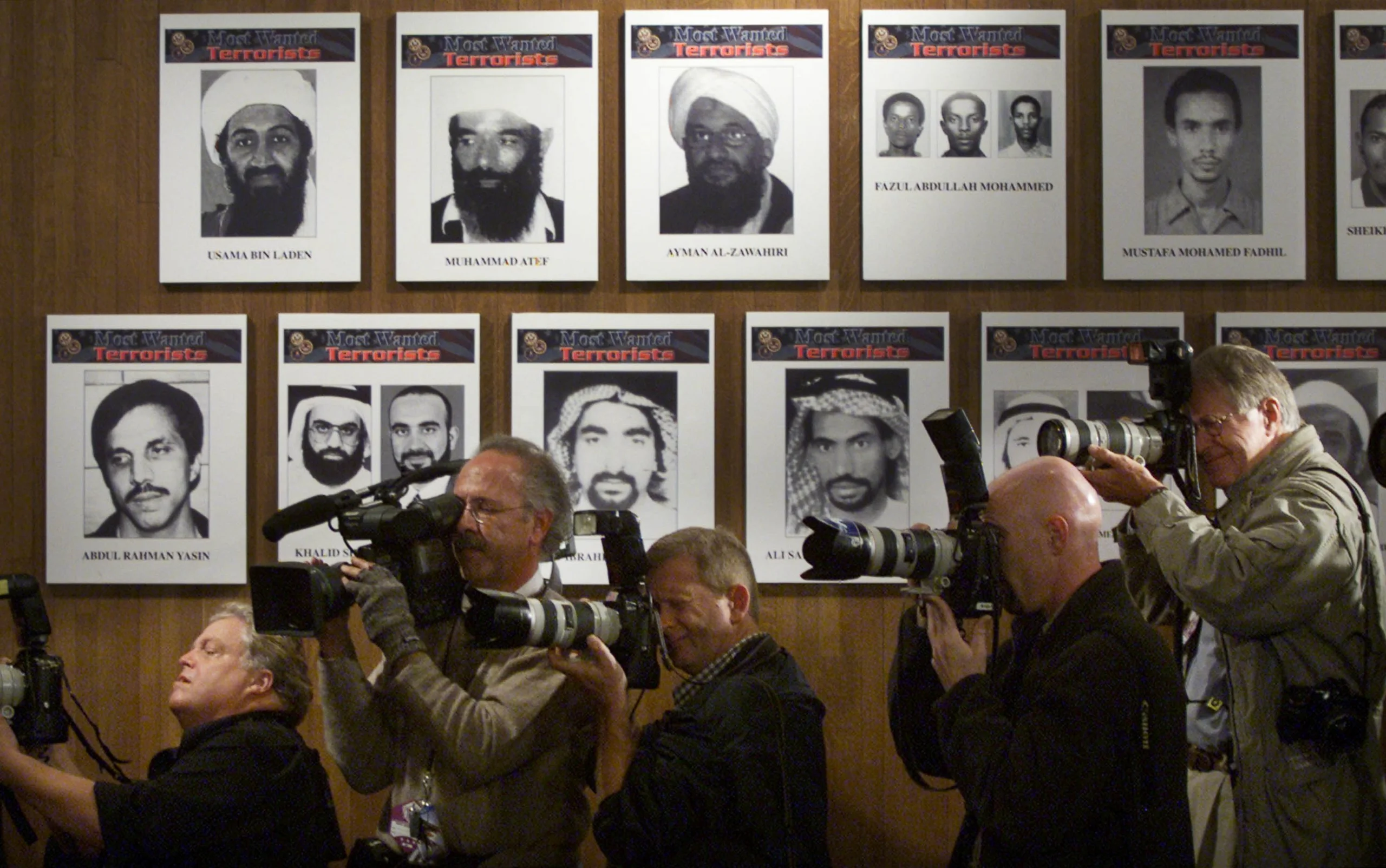
Mohammed is portrayed in media and historical archives as a ruthless terrorist mastermind. The narrative surrounding him is one of cautionary tales regarding operational security failures and the resilience of extremist networks. He was designated as a Specially Designated Global Terrorist (SDGT) by the U.S. Treasury Department. His image is strictly tied to his criminal actions rather than any artistic or cultural persona. He had no social media presence, as his activities predated the era of digital celebrity culture and his need for anonymity made online activity impossible. Specific physical attributes such as height or weight are not consistently recorded, though photographs released by intelligence agencies depict a man of average build.
Fame & Fandom (iFAMOUS Rankings)
Fazul Abdullah Mohammed commands a legacy defined entirely by the gravity of his actions rather than any form of public adoration. There exists no organized fanbase, no collective moniker for supporters, and no cultural movement dedicated to his memory. The search records confirm that he was never a figure of entertainment or art, but a fugitive designated as one of the United States Government's most wanted terrorists. His notoriety stems exclusively from his role in orchestrating the 1998 embassy bombings and his subsequent years evading capture across East Africa. Consequently, the interactions surrounding him were limited to law enforcement operations, international sanctions, and counter-terrorism efforts rather than fan rituals, campaigns, or charitable drives. He remains a subject of historical study regarding global security threats rather than a celebrity with a following. While some narratives of his survival against odds have entered the lore of counterterrorism circles, these are cautionary tales about operational failures rather than celebrations of a public figure. The absence of a fandom name reflects the reality that his life ended in conflict, leaving behind no community of admirers to sustain a cultural presence after his death at a police checkpoint in Mogadishu in 2011. In the realm of global fame metrics, Fazul Abdullah Mohammed is currently evaluated by the iFANN system but does not hold a placement in the published rankings. He is not ranked within the Global Top 1,000 nor included in any Top-100 scope list, reflecting the specialized nature of his infamy which falls outside standard celebrity popularity scales. This lack of a numerical ranking confirms that while his historical impact is significant, he does not generate the broad consumption signals required for inclusion in the current fame hierarchy.
Interesting Facts and Legends
Fazul Abdullah Mohammed left behind a 1,500-page memoir titled The War against Islam: the Story of Fazul Harun. This document was recovered by U.S. forces and analyzed by the Combating Terrorism Center at West Point, providing a detailed, firsthand account of his life in al-Qaeda. His ability to speak multiple languages including English, French, Arabic, and Swahili was a critical asset in his role as a logistician and planner. He held dual citizenship in the Comoros and Kenya, which he used to facilitate travel and evade border controls. Another notable aspect of his history involves the 2007 false death report. Reports circulated that he had been killed in a U.S. airstrike, allowing him to continue operating for four more years. His eventual demise on June 8, 2011, at a police checkpoint in Mogadishu was widely noted for its irony; one of Africa's most wanted terrorists with a $5 million bounty was killed by local security forces when he failed to stop.
Notable Quotes
“Today, we have removed one of the world's most dangerous terrorists.”
Family & Personal Life
As a fugitive terrorist who spent decades living off the grid, Fazul Abdullah Mohammed did not maintain a public personal life. There are no credible records of marriages, romantic relationships, or children. His existence was defined by secrecy, and any family members he may have had were likely kept hidden or were unaware of the full extent of his activities until his death. Consequently, there is no dating history, engagement, or divorce record to report. He died single, with no surviving spouse or offspring documented in public records.
Notable Connections
Relationships & Dating History
As a fugitive terrorist who spent decades living off the grid, Fazul Abdullah Mohammed did not maintain a public personal life. There are no credible records of marriages, romantic relationships, or children. His existence was defined by secrecy, and any family members he may have had were likely kept hidden or were unaware of the full extent of his activities until his death. Consequently, there is no dating history, engagement, or divorce record to report. He died single, with no surviving spouse or offspring documented in public records.
Death & Aftermath
Died
June 8, 2011 (aged 38)
Death Place
Mogadishu, Somalia
Cause of Death
Gunshot wounds sustained during a firefight with Somali security forces
On June 8, 2011, Fazul Abdullah Mohammed met his end in the north-western district of Mogadishu, Somalia, during a confrontation with local security forces. The senior al-Qaeda operative was attempting to evade capture when he encountered a police checkpoint and failed to stop. An ensuing firefight left him with fatal gunshot wounds. U.S. officials later confirmed his identity through facial recognition software and fingerprint analysis conducted at the scene. The cause of death was ruled as multiple gunshot wounds, marking the culmination of a decade-long manhunt.
The death marked a significant victory against global terrorism, announced by President Barack Obama who stated, "Today, we have removed one of the world's most dangerous terrorists." Secretary of State Hillary Clinton echoed these sentiments, calling it a win for the United States and the world. The Somali Transitional Federal Government did not hold a public funeral. Standard protocol for high-profile targets typically involves burial in unmarked graves or disposal without ceremony to prevent the site from becoming a shrine. If a burial occurred, it was restricted to immediate units involved or local religious figures.
Following the incident, Al-Qaeda and its affiliate Al-Shabaab issued eulogies portraying Mohammed as a martyr, but no major public tributes were held by state institutions. His memoir, The War against Islam: the Story of Fazul Harun, recovered by U.S. forces, provided a detailed account of his life and operations. No estate disputes arose, as any assets he possessed were likely seized or destroyed during the conflict. His legacy remains one of infamy, serving as a case study in the evolution of al-Qaeda in East Africa.
Net Worth (Estate Value)
$0
iFANN Editorial Team estimate
There is no verifiable net worth for Fazul Abdullah Mohammed in the context of personal wealth accumulation. As a terrorist operative, his funds were derived from illicit sources, including donations, extortion, and money laundering for al-Qaeda. These assets were used to fund operations, travel, and bribes rather than personal investment or real estate holdings. A $5 million bounty was placed on his head by the U.S. State Department in 2007, which was a reward for information leading to his capture or death, not a reflection of his personal assets. Upon his death, there was no estate to manage. Any assets he possessed were likely seized or destroyed during the conflict. Posthumous revenue streams do not exist, as he left no intellectual property, music, films, or business ventures.
Awards & Accolades
Known For
1998 United States Embassy Bombings
1998 · Mastermind
Keywords
Sources
Quick Facts
- Born
- August 25, 1972
- Birthplace
- Moroni, Comoros
- Died
- June 8, 2011
- Death Place
- Mogadishu, Somalia
- Gender
- Male
- Birth Sign
- Sagittarius
Personal Details
- Full Name
- Abdullah Muhammad Fazul Husseine Mullah Ati
- Children
Frequently Asked Questions
Who was Fazul Abdullah Mohammed?
How did Fazul Abdullah Mohammed die?
What was Fazul Abdullah Mohammed's alias?
Was Fazul Abdullah Mohammed ever caught alive?
Did Fazul Abdullah Mohammed leave behind a family?
Similar People
Join the community
fans discussing