 Turkey
About
Fatma Aliye Topuz stands as a foundational figure in Turkish and Islamic literature, universally recognized as the first female novelist to emerge from both traditions. Born in Istanbul during the late Ottoman period, she distinguished herself by publishing five novels and numerous essays that boldly challenged the rigid gender norms of her time. Unlike many women of her era who were confined strictly to domestic spheres, she received extensive education and utilized her literary platform to advocate passionately for women's rights and humanitarian causes. Her active career spanned several decades until her death in 1936, leaving an indelible mark on the cultural landscape of the Middle East.
Her work is celebrated for seamlessly blending Western narrative styles with traditional Islamic themes, addressing complex social issues such as polygamy, the critical need for women's education, and the plight of the poor. She achieved a historic milestone as the first Muslim woman to receive a pension from the Ottoman state in formal recognition of her contributions. Today, she remains a potent symbol of intellectual resistance and a key figure in the history of women's writing.
Early Life & Background
Born on October 9, 1862, Fatma Aliye Topuz entered the world in Istanbul into an intellectually vibrant family. She was the eldest daughter of Ahmet Cevdet Paşa, a renowned historian, jurist, and high-ranking state official, and Adviye Hanım. Her upbringing was steeped in rigorous education; unlike many women of her era who were confined to domestic spheres, she received extensive instruction in Arabic, Persian, French, and literature from her father and private tutors. This privileged access to knowledge allowed her to develop a unique literary voice that would challenge the gender norms of the late Ottoman period.
Before achieving fame, Topuz's early life was marked by the intellectual ferment of the Tanzimat era. While she initially wrote under the pseudonym "Bir Kadın" ("A Woman") to navigate the constraints placed on female authorship, her talent quickly garnered attention. Her first major step toward public recognition came in 1889 when she published a translation of George Ohnet's novel Meram (The Garden of Love). This work was significant not only for its literary merit but because it was the first time a woman had published a translated novel in Turkish under her own name, albeit with a gender-neutral pen name.
In 1891, she co-authored Hayal ve Hakikat (Dream and Reality) with the prominent writer Ahmed Midhat Efendi, a collaboration that legitimized her status as a serious literary figure and sparked public debate about women's roles in society. Her first original novel, Muhadarat (Lectures), appeared in 1892, followed by Udi, Ref'et, Enin, and Levayih-i Hayat. These works established her as a prolific writer who blended Western narrative styles with traditional Islamic themes, addressing social issues such as polygamy, women's education, and the plight of the poor.
Career Growth
Topuz's career success was defined by her pioneering role as a novelist and essayist. She authored five novels and numerous essays, becoming the first Muslim woman to receive a pension from the Ottoman state in recognition of her contributions. Her writing extended beyond fiction; she was a tireless journalist and columnist, using her platform to advocate for women's rights and humanitarian causes. In 1898, she published Umut (Hope), and later works like Kuvvet-i Hissiye (The Power of Emotion) in 1900 further cemented her reputation.
Her impact on Turkish literature is immeasurable; she paved the way for future generations of female writers and remains a symbol of intellectual resistance against patriarchal constraints. Despite the limited opportunities for women in the 19th century, she managed to publish extensively and maintain a respected position in literary circles. She maintained a respectful position in literary circles despite the limited opportunities for women in the 19th century. After her husband's death, she continued to write and advocate for social reform until her passing.
Career Timeline
Public Image & Style
Fatma Aliye Topuz is portrayed as a dignified, intellectual pioneer who challenged societal norms through her writing. She is often depicted in media and educational materials as a beacon of female empowerment in the Ottoman era. Her content tone was serious yet accessible, blending social critique with literary artistry. She maintained a respectful position in literary circles despite the limited opportunities for women in the 19th century.
Fame & Fandom (iFAMOUS Rankings)
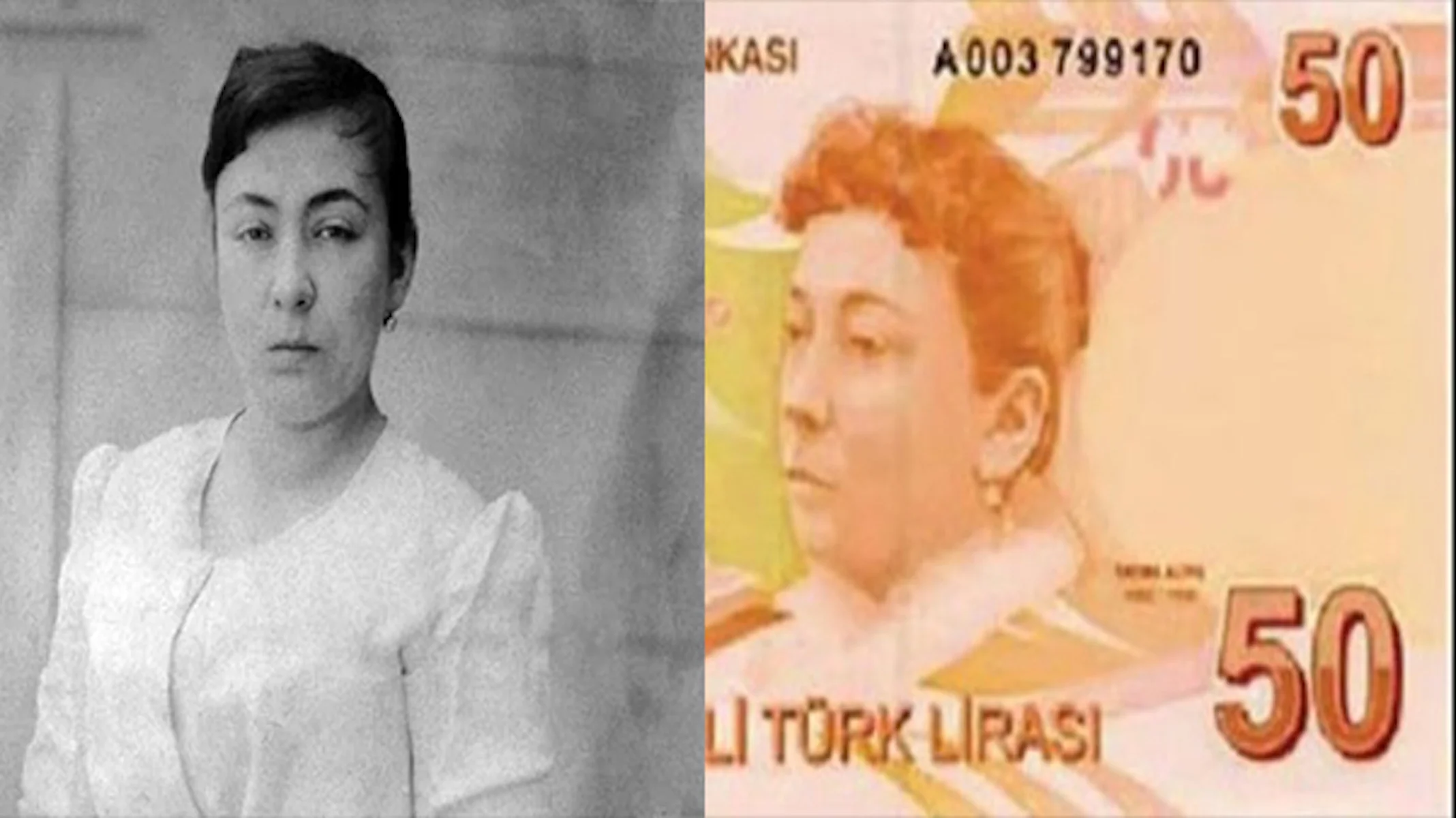
Fatma Aliye Topuz's modern audience is not a conventional fandom but a cultural and historical appreciation network, sustained by institutions rather than grassroots campaigns. Her admirers are readers, literary historians, and advocates for women's rights who honor her as a foundational figure in Turkish literature. While there is no formal fandom name or organized fan base, her legacy is celebrated through state and cultural channels: her portrait appeared on the Turkish 50 lira banknote in 2023, making her the first woman featured on Turkish currency, and the Istanbul Women's Museum profiles her pioneering opposition to polygamy. Schools, including the Fatma Aliye Primary School, bear her name, and her works remain in print through publishers like İş Kültür.
Fan campaigns and rituals are undocumented; instead, her recognition is institutional and commemorative. The most significant modern moment was the banknote announcement, which transformed her from a historical literary figure into a national symbol. The story of her debut under the pseudonym 'Bir Kadın' ('A Woman') in 1889 remains a central part of her legend, retold in nearly every profile as the founding myth of a woman constrained by Ottoman gender norms.
In the iFANN Global Fame Engine's September 2026 evaluation, Fatma Aliye Topuz has been assessed but does not currently hold a placement in the published rankings, whether global or scope-specific. Her fame is thus not quantified by a rank but by her enduring cultural and literary impact.
Interesting Facts and Legends
This pseudonym is so iconic that a 2024 essay dubbed her 'the unsigned signature of Turkish literature.' A 2024 news article also highlighted that her granddaughter is the famous actress Suna Selen, who was once married to the legendary actor Münir Özkul, adding a personal dimension to her legacy that continues to spark public interest. Her granddaughter, Suna Selen, became a celebrated actress married to the legendary actor Münir Özkul, keeping the family name prominent in Turkish arts. While there is no formal fandom name or organized fan base, her legacy is celebrated through state and cultural channels: her portrait appeared on the Turkish 50 lira banknote in 2023, making her the first woman featured on Turkish currency, and the Istanbul Women's Museum profiles her pioneering opposition to polygamy.
In 2023, her portrait was announced for the Turkish 50 lira banknote, making her the first woman ever featured on Turkish currency, a milestone that cemented her as a national symbol. She is often cited in lists of 'Greatest Turkish Writers' and is a subject of academic study regarding women's literature in the Islamic world. One notable quote attributed to her reflects her belief in the power of literature: 'Literature is the mirror of society, and if we wish to see our reflection clearly, we must look at it without fear.' Physical attributes such as height are not recorded in historical documents.
Notable Quotes
“Literature is the mirror of society, and if we wish to see our reflection clearly, we must look at it without fear.”
Family & Personal Life
Fatma Aliye Topuz was the eldest daughter of Ahmet Cevdet Paşa, a renowned historian and high-ranking state official, and Adviye Hanım. Her upbringing was deeply intellectual, shaped by her father's influence and private tutoring. She was married to İsmail Hakkı Topuz, a civil servant, and the couple had four daughters: Hatice Faik Topuz Muhtar, along with three other sisters. There is no public record of romantic relationships outside of this marriage, nor any documented divorces or affairs. Her husband supported her literary endeavors, and together they navigated the complexities of Ottoman society while raising their family. After her husband's death, she continued to write and advocate for social reform until her passing.
Notable Connections
Ahmet Cevdet Paşa (father), İsmail Hakkı Topuz (husband), Ahmed Midhat Efendi (collaborator), Suna Selen (granddaughter), Münir Özkul (grandson-in-law)
Relationships & Dating History
Fatma Aliye Topuz was married to İsmail Hakkı Topuz, a civil servant. The couple had four daughters: Hatice Faik Topuz Muhtar, along with three other sisters. There is no public record of romantic relationships outside of this marriage, nor any documented divorces or affairs. Her husband supported her literary endeavors, and together they navigated the complexities of Ottoman society while raising their family. After her husband's death, she continued to write and advocate for social reform until her passing. As of 2026, she is remembered as having been widowed after her husband's death.
- Marriedİsmail Hakkı Topuz1880 - 1930Civil servant; father of her four daughters.
Death & Aftermath
Died
July 13, 1936 (aged 73)
Death Place
Istanbul, Ottoman Empire
Cause of Death
Natural causes
Fatma Aliye Topuz passed away on July 13, 1936, in Istanbul at the age of 73. While historical records do not specify a precise medical cause, accounts indicate she died of natural causes following a long life dedicated to literature and social advocacy. Her death marked the end of an era for Ottoman intellectualism, as she was one of the last surviving voices from the Tanzimat period who had actively championed women's education and rights.
The public reaction to her passing was profound. Prominent figures in Turkish society attended her funeral, reflecting her stature as a national icon rather than just a private citizen. Tributes poured in from literary circles and state institutions that recognized her unique contribution to breaking gender barriers in writing. She was mourned not only for her personal loss but for the silence left by a voice that had dared to speak publicly about the constraints placed on women.
Posthumously, her legacy has grown significantly beyond the boundaries of her lifetime. For decades, she remained a subject of academic study and a symbol of resistance against patriarchal norms. A major milestone occurred in 2023 when her portrait was selected for the Turkish 50 lira banknote, making her the first woman ever featured on Turkish currency. This decision transformed her from a historical literary figure into a modern national symbol, celebrating her enduring cultural significance and contributions to Turkish identity. The image on the banknote serves as a daily reminder to millions of citizens of her pioneering role in history.
Her family continued to honor her memory through various means. Her granddaughter, Suna Selen, became a celebrated actress married to the legendary actor Münir Özkul, keeping the family name prominent in Turkish arts. Educational institutions, including the Fatma Aliye Primary School, bear her name, ensuring that future generations learn of her struggles and achievements. Publishers continue to keep her works in print, allowing new readers to engage with her critiques of polygamy, her advocacy for education, and her humanistic worldview.
Net Worth (Estate Value)
$0
iFANN Editorial Team estimate
Specific financial figures for Fatma Aliye Topuz are not available due to the historical context of her life (1862–1936). As a state pensioner and writer in the Ottoman era, her wealth would have been modest by modern standards, derived from her salary, book sales, and state support. Today, her estate value is not quantified in monetary terms, as her legacy is primarily cultural rather than financial. However, the 2023 decision to place her image on the 50 lira banknote represents a symbolic valuation of her contribution to Turkish heritage. Her grandfather was a high-ranking state official, which may have provided some initial stability, but her primary income sources were her literary output and the subsequent state pension.
Awards & Accolades
View 5 records, honours and achievementsKnown For
Muhadarat
1892 · Novel
Meram
1889 · Translator
Turkish 50 Lira Banknote
2023 · Featured Portrait
Keywords
Sources
Quick Facts
- Profession
- novelist, essayist, columnist
- Born
- October 9, 1862
- Birthplace
- Istanbul, Ottoman Empire
- Died
- July 13, 1936
- Death Place
- Istanbul, Ottoman Empire
- Gender
- Female
- Birth Sign
- Libra
Personal Details
- Full Name
- Fatma Aliye Hanım
- Spouse
- İsmail Hakkı Topuz
- Children
- Hatice Faik Topuz Muhtar and three other daughters
- Education
- Private instruction in Arabic, Persian, French, and literature; tutored by father Ahmet Cevdet Paşa
Frequently Asked Questions
Who was Fatma Aliye Topuz?
When did Fatma Aliye Topuz die?
What is Fatma Aliye Topuz's most famous work?
Is Fatma Aliye Topuz on Turkish currency?
Did Fatma Aliye Topuz have children?
Similar People
Join the community
fans discussing