Fatahillah
 Indonesia
Also known as: Fadhillah Khan, Falatehan
Birthday
1448
Birth Sign
Capricorn
Birthplace
Indonesia
Age
Died at 578
About
Fatahillah was an Indonesian military commander and national hero, best known for leading the Sultanate of Demak's conquest of Sunda Kelapa in 1527. That victory, which he followed by renaming the port Jayakarta, marked a turning point in the spread of Islam across West Java. His actions reshaped the region's political and religious landscape, and his name remains woven into Jakarta's identity. Today, Fatahillah Square in the Old Town and the Indonesian Navy's KRI Fatahillah (361) both carry his legacy. He is remembered as a figure who combined military skill with religious purpose, and his story is taught in schools and celebrated in public memory.
Early Life & Background
Fatahillah was born around 1448, likely in the region that is now Indonesia, though details of his early life are scarce. He rose to prominence as a military leader under the Sultanate of Demak, one of the first Islamic kingdoms on Java. Before his famous conquest, he had already gained a reputation for strategic thinking and loyalty to the sultanate. He may have spent time in the Sultanate of Banten, as some accounts link him to that court. His formative years were shaped by the growing influence of Islam in the archipelago, and he became a key figure in extending that influence through both diplomacy and force. By the time he turned his attention to Sunda Kelapa, he was a seasoned commander ready for a decisive campaign.
Career Growth
Fatahillah's defining achievement came in 1527 when he led Demak's forces to capture Sunda Kelapa, a thriving port controlled by the Sunda Kingdom with Portuguese backing. The victory was swift and decisive, and he renamed the city Jayakarta, meaning "victorious city." This conquest not only secured a strategic harbor for Demak but also curtailed Portuguese ambitions in the region. It was a key step in the Islamization of West Java, as the new rulers promoted the faith while establishing a strong administrative base. Fatahillah's success made him a celebrated figure in Demak and beyond, and his name became synonymous with resistance against colonial encroachment. His military career, however, is primarily remembered through this single, transformative act, which had lasting consequences for the archipelago.
Career Timeline
Public Image & Style
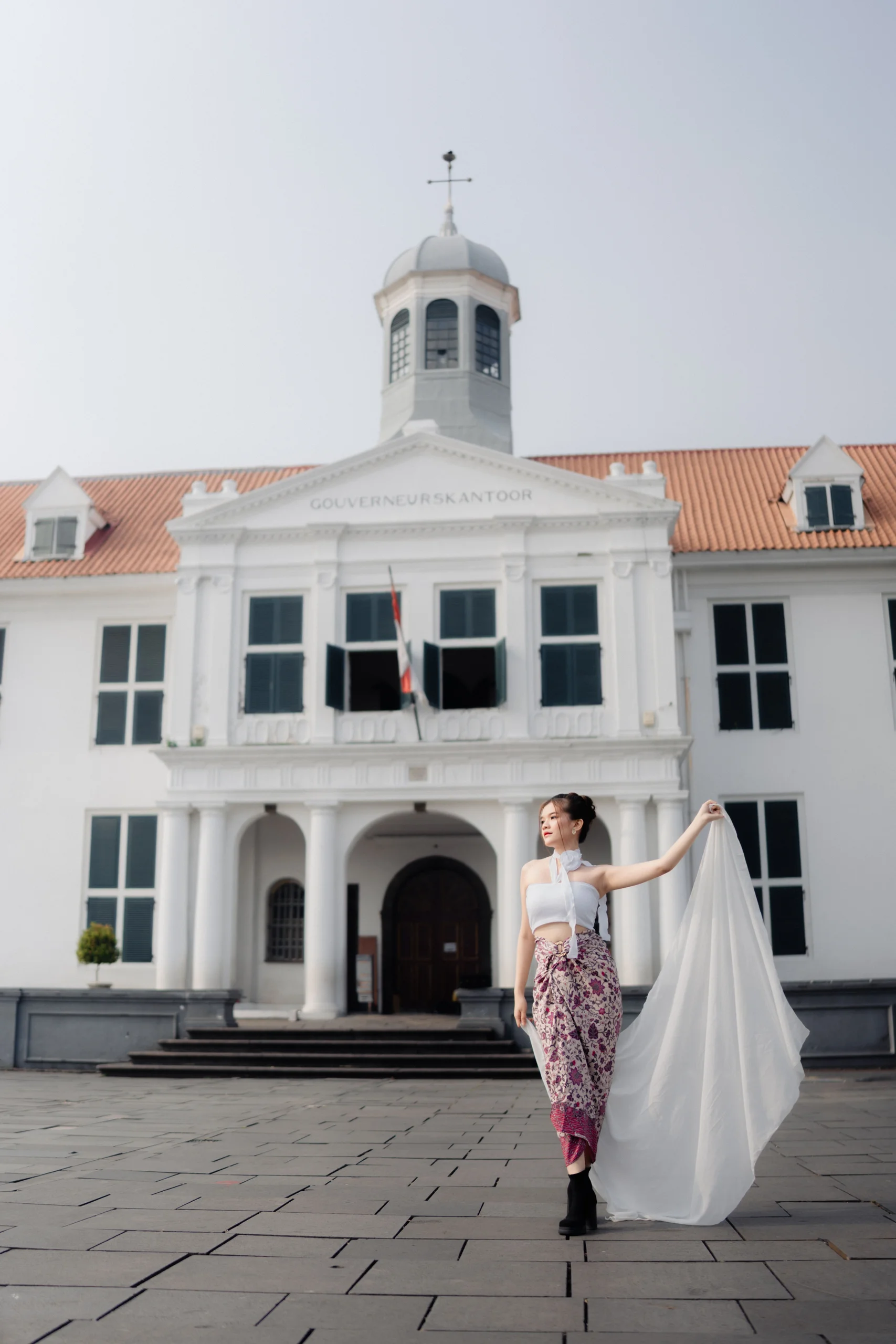
Fatahillah is revered in Indonesia as a national hero, a symbol of resistance and Islamic expansion. His image is that of a fearless leader who stood up to foreign powers, particularly the Portuguese, and secured a vital port for his sultanate. In popular culture, he is often depicted in traditional warrior attire, and his name adorns public spaces, including the bustling Fatahillah Square in Jakarta's Old Town. That square, with its cobblestones and colonial-era buildings, serves as a daily reminder of his impact. His story is celebrated in school textbooks and local folklore, and he remains a point of pride for many Indonesians who see him as a founder of their capital's identity.
Fame & Fandom (iFAMOUS Rankings)
Fatahillah commands a global attention defined by historical legacy rather than contemporary celebrity metrics. His name resonates through institutional recognition and educational curricula across Indonesia, yet he does not currently hold a placement in the published iFANN Global Top 1,000 rankings or any Top-100 scope list. The iFANN Global Fame Engine has evaluated his profile, confirming that while his historical impact is substantial, he lacks a specific numeric rank within the current fame hierarchy. Consequently, no official fandom name exists for this figure. Unlike modern entertainers who cultivate organized fanbases with distinct titles and rituals, Fatahillah is remembered through state-sponsored monuments, museum designations, and academic study rather than active fan campaigns. There are no fan clubs, social media interactions, or collective fan behaviors associated with him today. While individuals sharing his name or figures appearing near sites named after him may generate localized interest, these instances do not constitute a fandom dedicated to the 16th-century commander himself. The absence of a formal fanbase reflects his status as a distant historical icon whose influence persists through geography and education rather than the dynamic engagement typical of living public figures.
Interesting Facts and Legends
Fatahillah, also known by the appellations Fadhillah Khan and Falatehan, was a military commander noted for his role in the Sultanate of Demak's conquest of Sunda Kelapa in 1527. This victory led to the renaming of the port to Jayakarta, an event considered pivotal in the spread of Islam across West Java and a foundational moment in the history of modern Jakarta. Historical accounts suggest he may have been responsible for constructing the first mosque in Jayakarta, though definitive evidence remains limited. The Jakarta History Museum, established in a 1710 city hall, is frequently referred to as the Fatahillah Museum, a designation honoring his historical significance. A street named Jalan Fatahillah exists in Cirebon, West Java, where in 2026, provincial authorities initiated improvements to its water channels. In the same year, Fatahillah Square, a prominent public space in Jakarta's Old Town, hosted an Easter celebration attended by 5,000 individuals, including the Deputy Governor of DKI Jakarta, underscoring its continued civic relevance. Popular narratives often recount his journey from Aceh to Mecca for Islamic studies before leading the Demak forces, a story widely retold in regional textbooks. The enduring legend of his conquest is cemented by the annual commemoration of Jayakarta, which transforms the site into a focal point for national historical reflection.
Family & Personal Life
Little is documented about Fatahillah's family. Historical records from the period are sparse, and no reliable information exists about his parents, siblings, or spouse. He is believed to have been of noble or high-ranking birth, given his position as a military commander, but specifics are unknown. His personal household and any descendants are not mentioned in the available sources. What is clear is that his legacy overshadowed his private life, leaving historians with only his public achievements to study.
Notable Connections
Fatahillah served the Sultanate of Demak, one of the most powerful Islamic states on Java in the 16th century. His main adversaries were the Portuguese, who had established a presence in Sunda Kelapa. He may also have been affiliated with the Sultanate of Banten earlier in his career. His legacy is closely tied to Jakarta, where landmarks like Fatahillah Square and the Fatahillah Museum bear his name.
Relationships & Dating History
There is no documented information about Fatahillah's personal relationships. Historical sources from his era do not record his marital status or any romantic partnerships. As a military commander, his public life dominated the narrative, leaving little trace of his private affairs. Consequently, any details about his spouse, children, or romantic life remain unknown to historians.
Death & Aftermath
Fatahillah, the commander who secured Sunda Kelapa for the Sultanate of Demak in 1527 and established Jayakarta, lived through the early decades of the sixteenth century before his life ended in the turbulent political landscape of Java. Historical chronicles from the period do not preserve a specific calendar date, place, or medical cause for his passing, as modern forensic documentation did not exist during his era. The exact circumstances of his final days remain obscured by the sparse nature of surviving records from the pre-modern archipelago. Instead of a funeral service with known attendees or a formal investigation into his death, his legacy was immediately absorbed into the administrative and religious structures he helped build. His name became permanently enshrined in the geography and institutions of the region, transforming him from a historical actor into a foundational element of Indonesian identity.
The public reaction to his passing was not one of mourning a recent event but rather the solidification of his status as a national hero, a recognition that evolved over centuries. Permanent memorials such as Fatahillah Square and the Jakarta History Museum now serve as enduring tributes, while the Indonesian Navy continues to bear his name on active vessels. His personal estate is not recorded in available sources, and no descendants are mentioned in the historical narrative, leaving his memory to stand solely on his military achievements and their long-term impact on the Islamization of West Java.
Net Worth (Estate Value)
As a historical figure from the 15th century, Fatahillah's personal net worth is not applicable. He lived in a pre-modern economy, and no records of his wealth exist. His legacy, however, has generated cultural and economic value that endures. The Fatahillah Museum, a major tourist attraction in Jakarta, draws visitors from around the world, contributing to the local economy. Fatahillah Square is a hub for tourism and events, and his name is used in various commercial and institutional contexts. While his monetary worth is unknown, his symbolic value to Indonesia is immeasurable.
Awards Won (1)
Fatahillah was posthumously honored as a national hero of Indonesia, a recognition that reflects his lasting impact on the nation's history. While he did not receive formal awards during his lifetime, this honor is the highest civic recognition in the country.
National Honor
Service to the nation
Known For
Conquest of Sunda Kelapa
1527 · Military commander
Renaming of Jayakarta
1527 · Military commander
Keywords
Sources
Quick Facts
- Profession
- Military commander
- Born
- 1448
- Birthplace
- Indonesia
- Gender
- Male
- Birth Sign
- Capricorn
- National Hero
- Yes
Frequently Asked Questions
Who was Fatahillah?
What is Fatahillah known for?
Where is Fatahillah Square?
What is the Fatahillah Museum?
Is Fatahillah still relevant in 2026?
Join the community
fans discussing