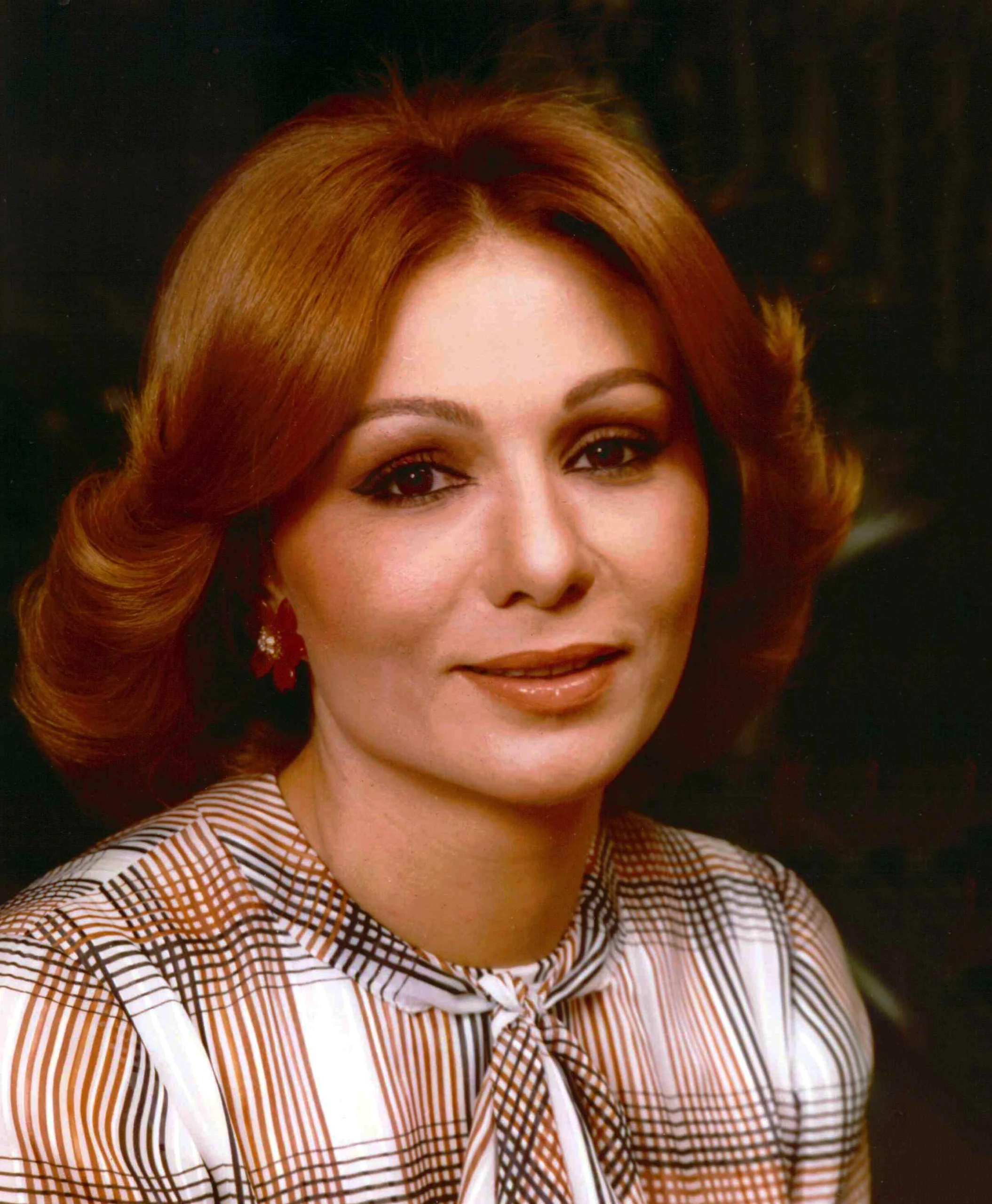
Farah Pahlavi
 Iran
IranAlso known as: Farah Diba, Farah Diba Pahlavi
Birthday
October 14, 1938
Birth Sign
Libra
Birthplace
Tehran, Iran
Age
87 years old
Height
5 ft 7 in (170 cm)
About
Farah Pahlavi is the last Empress of Iran and a prominent figure in modern Middle Eastern history. Born Farah Diba in Tehran on October 14, 1938, she became the third wife of Mohammad Reza Pahlavi, the Shah of Iran, in December 1959. Her marriage ended the Shah's two previous childless unions and secured the dynasty's succession with the birth of Crown Prince Reza in 1960. A trained architect and lifelong writer, she leveraged her position to champion women's rights, education, and cultural preservation across Iran.
Her influence extended far beyond ceremonial duties. She founded Shiraz University, established the Museum of Contemporary Art in Tehran, and led major reconstruction projects including the Azadi Tower. Following the 1979 Islamic Revolution, she fled Iran with her husband and settled in exile. As of 2026, the 87-year-old empress remains an active voice for the Iranian diaspora, advocating for democracy and human rights while preserving the legacy of her former kingdom through writing and public appearances.
Early Life & Background
Farah Diba was born into the aristocratic Diba family in Tehran. Her father, Sohrab Diba, served as an officer in the Imperial Iranian Army before becoming a diplomat, while her mother, Fatemeh Afkhami, came from a prominent noble lineage. The family moved frequently due to diplomatic postings, exposing young Farah to cosmopolitan environments early in life. She attended the French convent school Collège de Sion in Tehran, where she excelled academically and developed a fluency in French that would serve her throughout her career.
Unlike many women of her station who focused solely on domestic arts, Farah pursued higher education in architecture at the University of Tehran. She became one of the first women in Iran to enter this male-dominated field. Before entering the royal court, she worked briefly as an architect and translator, rendering works by authors like André Gide and Jean Cocteau into Persian. These early years shaped her intellectual approach to governance and her deep appreciation for art and culture. She spent time studying European fashion and design, which later influenced her own style and patronage of Iranian artists.
Her path crossed with the Shah through mutual acquaintances within the Iranian court. Their relationship began quietly but quickly evolved into a formal engagement. The marriage was strategically arranged to produce an heir for the Pahlavi dynasty, a goal achieved just months after their wedding when Crown Prince Reza was born in October 1960. This event marked the transition from a private architect to a global royal figure, setting the stage for her transformative role in Iranian society.
Career Growth
The marriage to Mohammad Reza Pahlavi in December 1959 launched Farah into the highest echelons of global royalty. Her coronation as Empress (Shahbanu) took place on October 26, 1967, in a lavish ceremony where she wore a gown designed by Marc Bohan for Dior. The event was broadcast worldwide and cemented her status as a symbol of modern Iranian monarchy. During her reign, she spearheaded the White Revolution, a series of reforms that included land redistribution and granting women the right to vote and hold office.
Her architectural background informed her most significant contributions to the nation. In 1964, she founded Shiraz University, Iran's first American-style institution of higher learning. She also oversaw the establishment of the Museum of Contemporary Art in Tehran, which now houses one of the finest collections of Western art outside Europe and the United States. Other major projects included the reconstruction of the National Library and the iconic Azadi Tower, originally known as the Shahyad Tower.
The 1979 Islamic Revolution forced her to flee Iran on January 16, 1979. After the Shah's death in July 1980, she served as regent for the Pahlavi dynasty until October 1980. Since then, she has lived in exile, primarily in France and the United States. In 2004, she published her memoir An Enduring Love, reflecting on her life and the fall of the monarchy. Recently, she has remained politically active, speaking out against the current Iranian regime and supporting democratic movements abroad.
Career Timeline
Public Image & Style
Farah Pahlavi is portrayed as a dignified, intellectual, and resilient figure. Media coverage consistently highlights her role as a bridge between tradition and modernity. Her signature style blends traditional Persian elements with Parisian haute couture, making her a fashion icon of the 20th century. In recent years, she has been depicted as a moral voice for the Iranian diaspora, advocating for democracy and human rights. Her public persona emphasizes grace under pressure and a deep commitment to her heritage.
Fame & Fandom
Farah Pahlavi remains a towering figure in global memory, currently ranked as the 80th most famous person in Iran and the 13th most famous person from Iran. These positions reflect her enduring presence across media coverage, search activity, and cultural consumption worldwide. She holds steady standing in both categories, maintaining visibility decades after leaving Tehran. Her influence extends beyond historical archives into active political discourse and fashion history.
Supporters of the former empress do not operate under a single formal name like pop stars do. Instead, her base is a diffuse network of Iranian royalists, diaspora communities, and admirers of her style legacy. Older generations recall her reign firsthand, while younger Iranians rediscover her through social media nostalgia and recent interviews. In March 2026, she spoke to international outlets about the shifting political landscape in Iran, reinforcing her role as a symbolic leader for exiles. Her official website serves as the primary hub for her biography and current views. No organized fan campaigns or coordinated streaming efforts exist for her. Memorial events remain family-driven rather than fan-organized gatherings. The iFANN Global Fame Rankings capture this unique blend of historical reverence and contemporary relevance without reducing her to a mere celebrity.
Interesting Facts and Legends
Farah Pahlavi holds the distinction of being the first woman in Iran to be formally crowned as Empress. Her coronation gown, created by Marc Bohan for Dior, is widely cited in fashion history as one of the most iconic royal gowns of the 20th century. Another legendary detail involves her escape from Iran in 1979; accounts often specify she fled wearing a Valentino coat, a sartorial choice that has become a semi-mythical symbol of her dignity amidst chaos.
Beyond her royal duties, she was a fluent speaker of French, English, and Persian, with reading knowledge of German and Italian. Her personal collection of Persian rugs and carpets is considered one of the finest private collections globally. In 2024, she received the Architect of Peace Award from the Nixon Foundation for her contributions to cultural diplomacy. Despite decades in exile, she continues to translate literary works and advocate for the restoration of historical accuracy regarding Iran's pre-revolutionary era.
Notable Quotes
“I am not a politician. I am a woman who loves her country.”
“The revolution was a tragedy for the Iranian people, but it did not erase our history.”
“We must remember that the past was not just about the Shah, but about the people who built this nation.”
Family & Personal Life
Farah comes from the distinguished Diba family. Her father, Sohrab Diba, was a high-ranking military officer and diplomat, while her mother, Fatemeh Afkhami, hailed from a prominent noble family. She has no siblings mentioned in public records. Her only children are Crown Prince Reza Pahlavi, born in 1960, and Princess Farahnaz Pahlavi, born in 1963. Both children remain active in the diaspora community, with Reza serving as the claimant to the former throne and Farahnaz focusing on charitable work and cultural preservation.
Farah lives primarily in exile in the United States and France. She maintains a close relationship with her children and grandchildren, though much of her time is dedicated to advocacy and writing. Her household reflects a blend of traditional values and modern international living. She has never remarried since the death of her husband in 1980, remaining devoted to his memory and the legacy of the Pahlavi dynasty.
Notable Connections
Mohammad Reza Pahlavi, Reza Pahlavi, Princess Farahnaz Pahlavi, Marc Bohan, Valentino Garavani
Relationships & Dating History
Farah Pahlavi has had only one public romantic relationship, which resulted in her sole marriage. She met Mohammad Reza Pahlavi through mutual acquaintances within the Iranian court in the late 1950s. Their union was arranged to secure an heir for the Pahlavi dynasty. They married on December 21, 1959, ending the Shah's two previous childless unions. The marriage brought immense relief to the court when Crown Prince Reza was born in October 1960, securing the dynasty's line of succession.
The couple remained legally married until the Shah's death on July 27, 1980. Although they separated emotionally in the years leading up to the revolution, they maintained a united front during the crisis. Farah has never remarried since her husband's passing. As of 2026, she remains widowed and lives in exile, having dedicated her life to preserving the memory of her late husband and their shared legacy.
- MarriedMohammad Reza Pahlavi1959 - 1980Married until his death; had two children together.
Salary, Net Worth In 2026
$18 Million
iFANN Editorial Team estimate
iFANN Editorial Team research places Farah Pahlavi's net worth at approximately $18 million as of 2026. This estimate reflects her personal savings, investments, and the value of her private collection of art and jewelry. While exact figures vary due to the complexity of post-revolutionary asset recovery, sources generally cluster between $10 million and $15 million for liquid assets, with potential claims to former royal properties pushing estimates higher.
Income is derived from book royalties, particularly from her memoir An Enduring Love, speaking engagements, and investments in real estate primarily located in the United States and France. No active business ventures are currently reported. The financial trajectory has stabilized in recent years, supported by her continued public profile and the enduring interest in her legacy. The estate manages her assets carefully, ensuring her lifestyle in exile remains comfortable despite the loss of state resources.
Awards Won (2)
While Farah Pahlavi did not compete in entertainment awards, she received numerous state honors and lifetime achievement awards for her humanitarian and cultural work. Notable accolades include the Architect of Peace Award from the Nixon Foundation in 2024, the Order of the Rose from Brazil, and various national orders from France and Germany. She also received honorary doctorates from universities for her contributions to education and women's rights, along with UNESCO recognition for preserving Iranian heritage.
2024 · Humanitarian
Contributions to peace and cultural diplomacy
1970 · International Arts
Support of international arts
Known For
An Enduring Love
2004 · Author
Empress of Iran
1967 · Historical Figure
Keywords
Sources
Quick Facts
- Profession
- writer, translator, architect
- Born
- October 14, 1938
- Birthplace
- Tehran
- Gender
- Female
- Spouse
- Mohammad Reza I of Iran
- Birth Sign
- Libra
Personal Details
- Full Name
- Farah Diba
- Height
- 5 ft 7 in (170 cm)
- Spouse
- Mohammad Reza Pahlavi
- Children
- Reza Pahlavi · Princess Farahnaz Pahlavi
- Education
- Collège de Sion; University of Tehran
Frequently Asked Questions
How old is Farah Pahlavi?
Is Farah Pahlavi still alive?
What is Farah Pahlavi's net worth?
Does Farah Pahlavi have any children?
Why did Farah Pahlavi leave Iran?
Social Media
Similar People
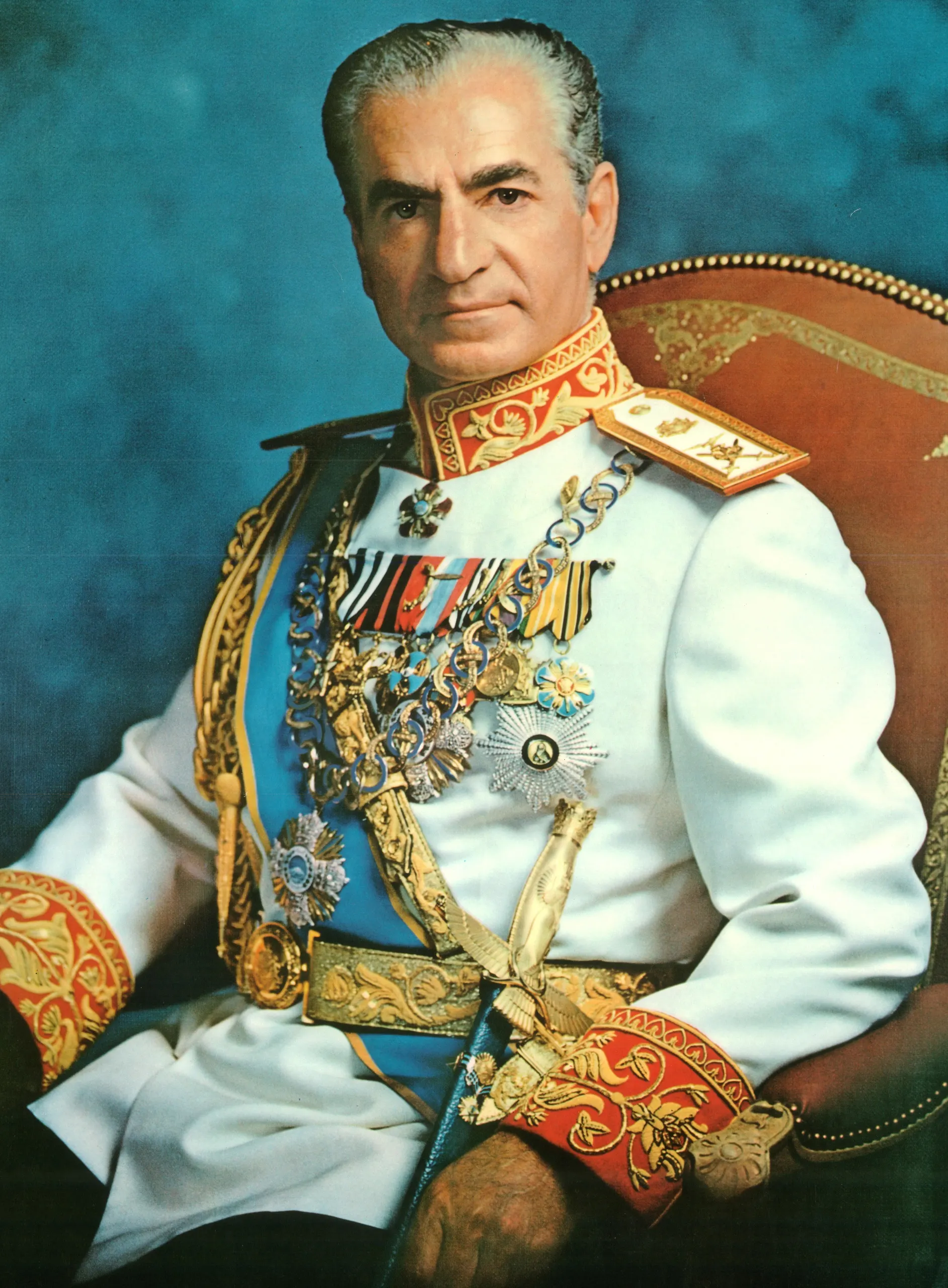
Join the community
fans discussing