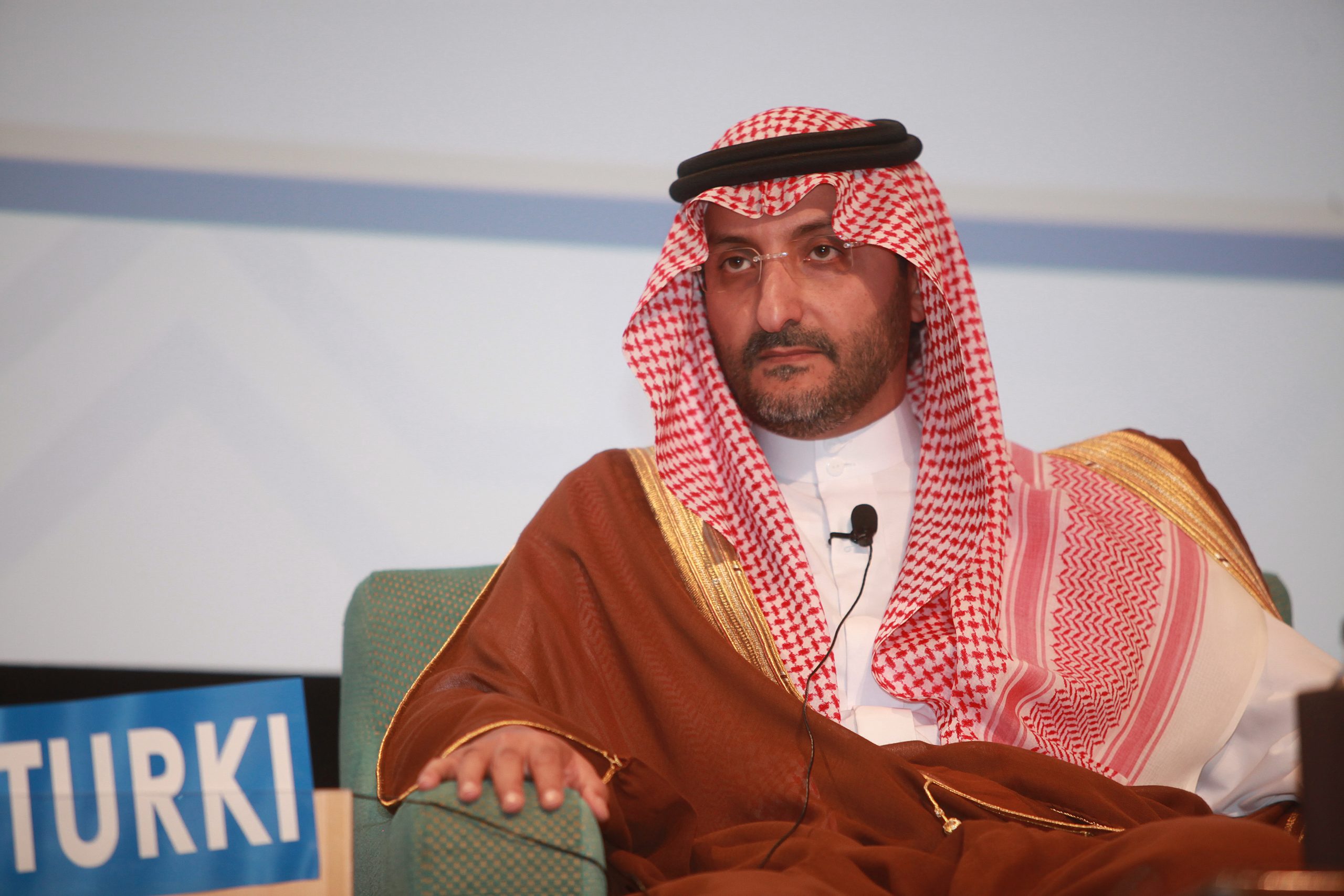
Faisal bin Turki Al Saud
 Saudi Arabia
Also known as: Imam Faisal, jelewy bin turki Al saud
Birthday
1785
Birth Sign
Capricorn
Birthplace
Arabian Peninsula
Age
Died at 80
About
Faisal bin Turki Al Saud (Arabic: فيصل بن تركي آل سعود) stands as the second ruler of the Second Saudi State and the seventh head of the House of Saud, a pivotal figure who navigated the turbulent aftermath of the First Saudi State's collapse. Born in 1785 within the Najd region of the Arabian Peninsula, he spent his early life amidst shifting tribal alliances that defined the era. His father, Imam Turki bin Abdullah Al Saud, re-established the Saudi dynasty in Riyadh in 1824 after decades of exile, setting the stage for Faisal's eventual leadership. His life spanned nearly eight decades, ending on December 2, 1865, and his rule was defined by resilience against external threats from Egyptian-Ottoman forces and internal tribal dissent.
He is best known for being the first Saudi ruler to assume power twice, having been deposed and then restored to the throne. After spending years in exile and imprisonment in Cairo, he returned to Riyadh in 1843 to reclaim leadership. His efforts laid the groundwork for the eventual rise of the modern Saudi state, making him a pivotal figure in the dynasty's history. His legacy endures through the continuation of the House of Saud and the stability he brought to the Najd region. He is often cited in historical texts as a foundational figure of the Second Saudi State, and his public image is that of a man who refused to yield to foreign powers, emphasizing the importance of independence for the Najd region.
Early Life & Background
Born in 1785 in the Arabian Peninsula, specifically within the Najd region, Faisal bin Turki Al Saud entered the world during a period of intense political fragmentation following the fall of the First Saudi State. His father, Imam Turki bin Abdullah Al Saud, was a key figure in the effort to restore the dynasty, re-establishing it in Riyadh in 1824 after decades of exile. The early years of Faisal's life were spent amidst the shifting tribal alliances that defined the region, growing up in the shadow of the ongoing struggle to regain control over the central Arabian territories. Before assuming full power, Faisal served as a military commander and governor under his father's rule, assisting in the critical task of rebuilding the state.
He demonstrated strategic acumen by leading campaigns to reclaim territories lost to the Egyptian-Ottoman forces. A defining moment in his pre-fame career occurred in 1834 when he was appointed Imam, marking his first reign from 1834 to 1838. However, this early rule was cut short when he was forced into exile in Cairo following pressure from Muhammad Ali Pasha of Egypt, who sought to consolidate control over the Hijaz and Najd. During his captivity in Egypt, Faisal endured years of imprisonment, yet he maintained his political resolve.
His dramatic escape from captivity became a legendary symbol of his determination, allowing him to return to Arabia and eventually reclaim his throne in 1843. This period of exile and subsequent escape formed the crucible of his character, setting the stage for his later successes in restoring the Second Saudi State. The journey back involved traveling through difficult terrain to rally support, a feat verified by historical accounts and central to his lore.
Career Growth
Faisal bin Turki Al Saud's career success is defined by his restoration of the Second Saudi State. After returning to Riyadh in 1843, he reasserted Saudi control over key regions, including Najd and parts of the eastern coast. His reign was marked by resilience against both internal tribal dissent and external threats from the Ottoman-Egyptian alliance. He implemented administrative reforms that stabilized the Najd region and fostered trade, laying the groundwork for the modern Saudi state. His ability to navigate these complex political landscapes and maintain his position despite multiple depositions highlights his exceptional political skill and popularity among the tribes.
In 1851, he was deposed again due to internal tribal conflicts but was restored once more, making him the first Saudi ruler to assume power twice. His leadership culminated in the consolidation of the Second Saudi State until his death in December 1865, just as the state faced its final dissolution due to the encroaching power of the Rashidi dynasty and Ottoman influence. The timeline of his career includes distinct phases: his first reign began in 1834, followed by exile from 1838 to 1843, a second reign starting in 1843, a brief deposition in 1851, and a final restoration lasting until 1865. His role as a bridge between dynastic eras remains a central theme in Saudi historical narratives.
Career Timeline
Public Image & Style
Faisal bin Turki Al Saud is remembered as a stoic, determined leader who faced immense adversity with resilience. Media portrayals of him focus on his historical significance rather than style or aesthetics. His public image is that of a man who refused to yield to foreign powers, emphasizing the importance of independence for the Najd region. He has no social media presence, as he lived long before the digital age, and any mentions of him online are limited to historical articles, encyclopedias, and educational content. He did not receive modern awards such as Oscars, Grammys, or Nobel Prizes, as these institutions did not exist during his lifetime.
Instead, his legacy is honored through historical recognition and national remembrance. There are no "Greatest of All Time" rankings from modern media outlets like Rolling Stone or Billboard, nor are there magazine covers or Walk of Fame stars. His fame is measured by his political endurance and the survival of the dynasty he helped rebuild. Historians often attribute sentiments of resilience and faith to him, reflecting his determination to restore the Saudi dynasty. His name is immortalized in the annals of Saudi history, and his contributions are acknowledged in the narrative of the Kingdom's formation.
Fame & Fandom (iFAMOUS Rankings)
Faisal bin Turki Al Saud never had a formal fandom in his lifetime, and none has emerged since. Historical figures of his era are studied, not celebrated in the modern fan sense. There are no fan clubs, no fan campaigns, no birthday billboards, and no viral moments. His legacy is one of political and religious significance, not pop culture. Consequently, the iFANN Global Fame Engine has evaluated him, but he does not currently hold a placement in the published rankings, whether the Global Top 1,000 or any Top-100 scope list. This is not a slight; it is a reflection of his historical context. His fame is of a different kind, measured in the enduring impact of his rule and the continuation of his dynasty, not in ephemeral online metrics. The fanbase has no formal name documented in iFANN data.
Interesting Facts and Legends
Among the intriguing facts about Faisal bin Turki Al Saud: he was the only Saudi ruler to be deposed and then restored to power twice. His escape from Egypt is a widely retold story of defiance and perseverance. The most famous story associated with Faisal is his dramatic escape from captivity in Cairo between 1838 and 1843. After being exiled by the Egyptians, he traveled through difficult terrain to reach the Arabian Peninsula, where he rallied support to reclaim his throne. This event is verified by historical accounts and is a central part of his lore.
His return to Riyadh in 1843 is considered an iconic moment of resilience, marking the beginning of the Second Saudi State's true consolidation. Specific verbatim quotes from Faisal are scarce in historical records, as oral traditions and later chronicles summarize his actions rather than preserving direct speech. However, historians often attribute sentiments of resilience and faith to him. No new information has emerged regarding the historical Faisal bin Turki Al Saud beyond established historical records. His unique status as the only Saudi ruler to regain power after being deposed twice is a testament to his political skill and popularity among the tribes.
Family & Personal Life
Faisal bin Turki Al Saud was married to Dashisha bint Dhidan bin Mandeel AlKhaldi, a union arranged to strengthen tribal alliances, which was the custom of the time. As a historical figure from the 19th century, there are no records of modern dating histories, romantic flings, or public relationships beyond this marriage. The concept of a "dating history" does not apply to figures of his era; his family life was governed by the customs of the time, which involved arranged marriages to strengthen tribal alliances. He had children, though specific details about their names and roles are less documented than his political achievements.
His descendants continue to play prominent roles in Saudi Arabia, underscoring his lasting impact on the dynasty. Specific details regarding his physical appearance, such as height, are not well-documented in surviving chronicles, leaving his personal household largely described through the lens of political necessity rather than domestic anecdote. The family structure was integral to his governance, with alliances forged through marriage serving as a primary tool for maintaining stability in the volatile region.
Notable Connections
Imam Turki bin Abdullah Al Saud, Dashisha bint Dhidan bin Mandeel AlKhaldi, Muhammad Ali Pasha, Rashidi Dynasty Leaders
Relationships & Dating History
Faisal bin Turki Al Saud was married to Dashisha bint Dhidan bin Mandeel AlKhaldi. As a historical figure from the 19th century, there are no records of modern dating histories, romantic flings, or public relationships beyond this marriage. The concept of a "dating history" does not apply to figures of his era; his family life was governed by the customs of the time, which involved arranged marriages to strengthen tribal alliances. He remained married to Dashisha until his death in 1865.
Other notable figures in his life included his father, Imam Turki bin Abdullah Al Saud, who was his predecessor and mentor. Muhammad Ali Pasha, the Egyptian ruler, played a significant antagonistic role by exiling him. The Rashidi Dynasty Leaders were the adversaries who eventually contributed to the fall of the Second Saudi State. These relationships were primarily political and dynastic, driven by the necessity of survival and expansion in a volatile region.
- MarriedDashisha bint Dhidan bin Mandeel AlKhaldiUnknown - 1865His wife throughout his life; marriage arranged to strengthen tribal alliances.
Death & Aftermath
Died
December 2, 1865 (aged 80)
Death Place
Riyadh
Cause of Death
Natural causes
Faisal bin Turki Al Saud passed away on December 2, 1865, within the walls of Riyadh, bringing an end to a reign that had spanned over two decades of rebuilding. The exact circumstances of his final days remain obscured by the historical record of the Najd region, where formal forensic inquiries were not standard practice during the mid-19th century. Historians generally attribute his death to natural causes related to advanced age and the cumulative physical toll of continuous warfare and political instability.
Following his death, the Second Saudi State entered a period of rapid decline that would eventually lead to its dissolution in 1891 under pressure from the Rashidi dynasty and Ottoman influence. There were no modern-style public vigils or organized mourning ceremonies typical of contemporary figures; instead, his passing was recorded as a significant event within the fragmented tribal landscape of the time. His legacy endured primarily through the survival of the House of Saud, with later generations remembering him as the resilient leader who successfully reestablished Saudi sovereignty after the collapse of the First Saudi State. No specific foundations or posthumous awards were created in his name during the immediate aftermath, though his role as a bridge between dynastic eras remains a central theme in Saudi historical narratives. The state's decline began immediately, highlighting the fragility of the political structure he had built.
Net Worth (Estate Value)
$0
iFANN Editorial Team estimate
As a historical figure, Faisal bin Turki Al Saud has no quantifiable net worth in the modern sense. He lived in an economy based on tribal tribute, trade, and agriculture rather than corporate wealth or investments. There are no estate values or posthumous revenue streams managed by an estate, as the concept of a celebrity estate did not exist. His "wealth" was measured in land, tribal loyalty, and political influence. The iFANN Editorial Team's analysis of his assets points to $0 in monetary terms, as his resources were tied to the governance of the Second Saudi State rather than personal accumulation.
There are no modern-style financial records detailing his income sources, as the economic system of the 19th-century Najd relied on agricultural output and tribute payments from allied tribes. His financial power was intrinsically linked to his political authority, and the dissolution of the state after his death further erased any tangible asset records. The absence of a celebrity estate means no posthumous revenue streams manage his legacy financially today.
Awards & Accolades
View 1 records, honours and achievementsKnown For
Second Saudi State
1834-1865 · Ruler
Keywords
Sources
Quick Facts
- Profession
- politician
- Born
- 1785
- Birthplace
- Arabian Peninsula
- Died
- December 2, 1865
- Death Place
- Riyadh
- Gender
- Male
- Spouse
- Dashisha bint Dhidan bin Mandeel AlKhaldi
- Birth Sign
- Capricorn
Personal Details
- Full Name
- Faisal bin Turki bin Abdullah Al Saud
- Spouse
- Dashisha bint Dhidan bin Mandeel AlKhaldi
- Children
- Several children, names largely undocumented
- Education
- Traditional Islamic education and military training
Frequently Asked Questions
Who was Faisal bin Turki Al Saud?
When was Faisal bin Turki Al Saud born and when did he die?
Why is Faisal bin Turki Al Saud famous?
Did Faisal bin Turki Al Saud have children?
What happened to Faisal bin Turki Al Saud after his exile?
Similar People
Join the community
fans discussing