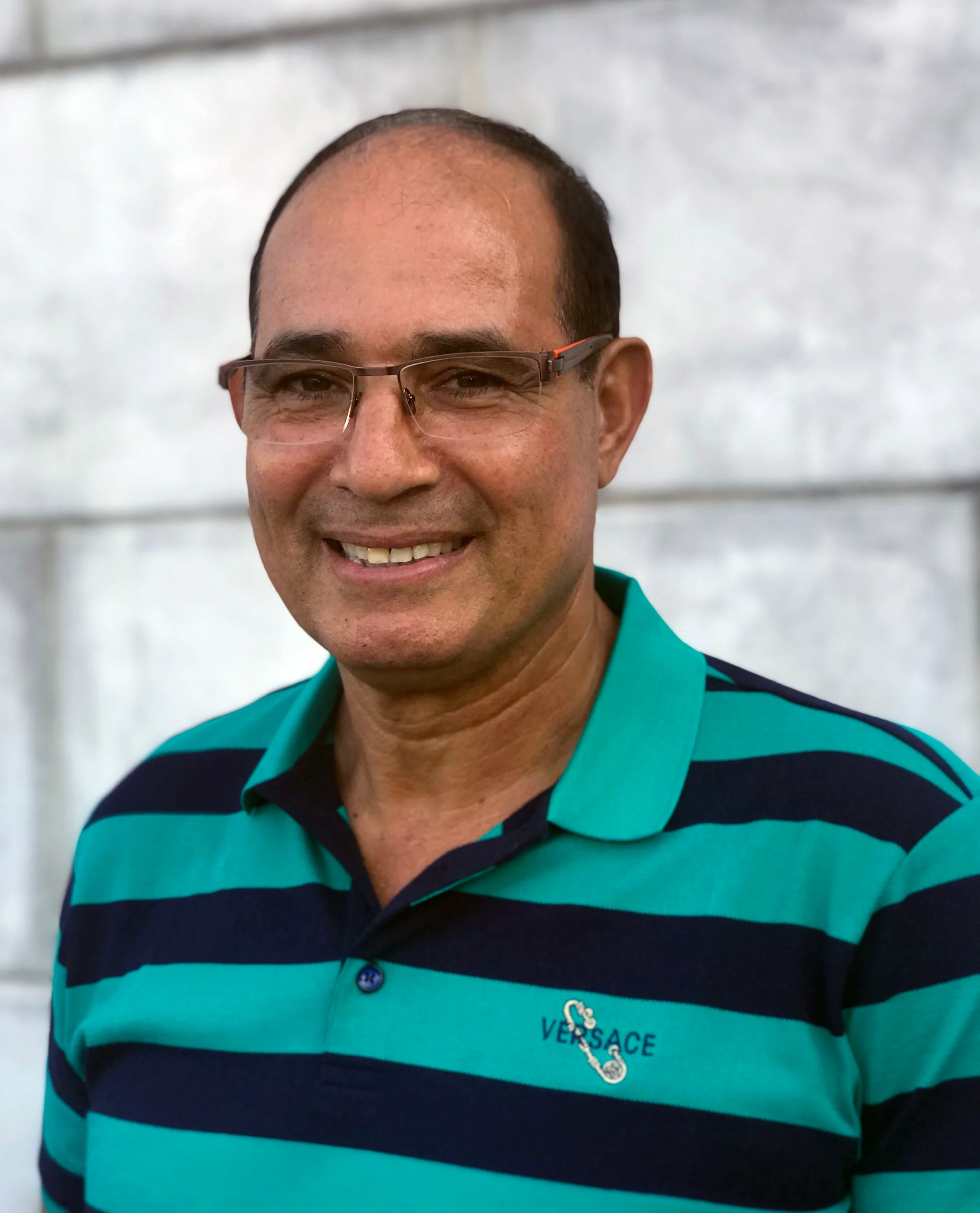
Ezzaki Badou
 Morocco
association football player•association football coach
Also known as: Badou Zaki, Zaki Badou
Birthday
April 2, 1959
Birth Sign
Aries
Birthplace
Sidi Kacem, Morocco
Age
67 years old
Height
6 ft 2 in (188 cm)
About
Ezzaki Badou is a Moroccan former professional footballer and current head coach of the Jordan national team. As a goalkeeper, he earned global recognition in the 1980s, winning the African Footballer of the Year in 1986 and becoming the first Arab and second African goalkeeper to claim that honour. His playing career spanned Morocco and Spain, where he spent four seasons with Real Mallorca in La Liga.
After retiring, Badou transitioned into coaching, leading national teams including Sudan, Niger, and now Jordan. Known for his tactical discipline and ability to develop young players, he remains one of the most respected figures in African football. In 2026, he is focused on rebuilding the Jordanian squad following their World Cup campaign.
Early Life & Background
Ezzaki Badou was born on April 2, 1959, in Sidi Kacem, a town in northern Morocco. Growing up in a football-loving family, he developed a passion for the game early. His brother, Mohammed Badou, also became a professional footballer, and the two often played together in local matches.
Badou began his career as a goalkeeper with FAR Rabat, one of Morocco's top clubs. His exceptional reflexes and commanding presence in the box quickly set him apart. He helped FAR Rabat win domestic honours, which brought him to the attention of the national team selectors.
His international breakthrough came during the 1986 FIFA World Cup in Mexico. Morocco became the first African team to reach the round of 16, and Badou's performances were pivotal. He conceded just one goal in the group stage, helping Morocco top their group ahead of England, Poland, and Portugal. That tournament cemented his reputation as one of the world's finest goalkeepers.
Career Growth
After the 1986 World Cup, Badou signed for Real Mallorca in Spain, becoming one of the first African goalkeepers to play in La Liga. He spent four seasons there, from 1987 to 1991, making over 100 appearances and earning admiration for his shot-stopping and leadership.
In 1986, he was named African Footballer of the Year, a historic achievement that highlighted his dominance. He later returned to Morocco to play for Wydad Casablanca and Raja Casablanca, winning league titles before retiring in the late 1990s.
Badou then moved into coaching. He managed several clubs in Algeria and Tunisia, including JS Kabylie. In 2023, he took charge of the Sudan national team, leading them to a notable 1-0 victory over Gabon in an AFCON qualifier. Later that year, he accepted the role of head coach of Niger, though his tenure was interrupted by health issues in September 2025. In July 2026, he was appointed head coach of Jordan, tasked with rebuilding the team after their World Cup exit.
Career Timeline
Public Image & Style
Ezzaki Badou is regarded as a calm, measured figure in football, known for his tactical intelligence and ability to connect with players. As a coach, he emphasizes discipline and mental resilience, often discussing the psychological side of the game.
Fans remember him as a heroic goalkeeper from the 1986 World Cup, and he remains a beloved figure in Moroccan football. Media coverage often highlights his pioneering role for African goalkeepers in Europe. He is seen as a mentor to younger players, offering advice on handling pressure.
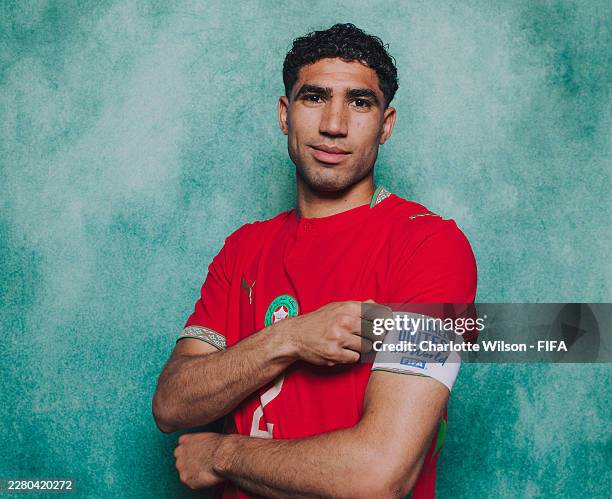
His recent comments on Achraf Hakimi's smile showed his insight into the emotional burdens of modern stars, reinforcing his reputation as a thoughtful, empathetic leader.
Fame & Fandom (iFAMOUS Rankings)
In August 2026, the global attention surrounding Ezzaki Badou places him as the 29th most famous person in Morocco and the 77th most famous person from Morocco. These positions within the iFANN Global Fame Rankings reflect a legacy built on decades of pioneering work rather than fleeting viral moments. His standing has held steady since the previous cycle, anchored by his historic status as one of the first African goalkeepers to thrive in European top-flight football. The rankings capture a sustained interest that spans generations of fans who revere his 1986 World Cup performances and his subsequent coaching career across the continent. While the metrics track global attention across media coverage, search activity, and consumption signals worldwide, the core of his fame remains rooted in institutional respect. There is no formal name for his fanbase, nor are there organized clubs or specific rituals that define their engagement. Instead, supporters identify primarily through national pride and historical reverence for his achievements. Real Mallorca's tribute in April 2025 serves as a modern validation of this enduring connection, bridging the gap between his playing days and his current influence. Fans look to him not for celebrity gossip but for the story of a man who broke barriers in an era when few African athletes were seen in La Liga. His presence in Jordan marks another chapter in a life dedicated to the sport, ensuring his relevance continues without the need for manufactured campaigns.
Interesting Facts and Legends
Badou was among the rare African goalkeepers to play in La Liga during the 1980s, shattering barriers in European football. He uniquely played for both Wydad Casablanca and Raja Casablanca, the two largest clubs in Morocco, a feat rarely achieved by any player. His brother Mohammed also played professionally, creating a notable sibling duo in Moroccan football history. In 2026, Badou provided a psychological analysis of Achraf Hakimi, suggesting the player's smile masked deeper emotions following a difficult season. Despite his widespread fame, he maintains strict privacy regarding his personal life, with little public information available beyond his relationship with his brother. He is known for delivering long, thoughtful interviews that often explore the mental dimensions of the game. Legends surrounding Badou focus on his verified milestones rather than folklore. His move to Real Mallorca in 1986 stands as a definitive breakthrough, cementing his status as a trailblazer for African players in Europe after nearly 200 league appearances. Winning the African Footballer of the Year award in 1986 remains a central reference point for Moroccan sports history, often compared to the nation's success in the 2022 World Cup. In September 2025, he was hospitalized after a match between Morocco and Niger, highlighting the intense physical and emotional investment he maintains in his coaching roles.
Notable Quotes
“Hakimi's smile was merely a professional courtesy, serving as a polite mask to shield the intense heartbreak and frustration.”
“This is not Ghana of 6 years ago... we fancy our chances.”
“I was delighted with the fighting spirit of my players as they beat Gabon 1-0.”
Family & Personal Life
Ezzaki Badou was born into a family in Sidi Kacem, Morocco. His brother, Mohammed Badou, also played professional football, though details of his career are not widely documented. The brothers shared a passion for the sport from a young age.
Badou is married and has children, but he has kept their names and personal details out of the public eye. He rarely discusses his family in interviews, preferring to focus on football. He currently lives in Morocco, though his coaching duties with Jordan require frequent travel.
His family has been a source of support throughout his career, and he has mentioned in interviews that their encouragement helped him during difficult periods, including his recent health scare.
Notable Connections
Ezzaki Badou has worked with numerous football figures across Africa and the Middle East. He is closely associated with Moroccan star Achraf Hakimi, offering psychological insights in 2026. His brother Mohammed Badou also played professionally. In his coaching career, he has collaborated with federation officials in Jordan, Sudan, Niger, and Algeria.
Relationships & Dating History
Ezzaki Badou maintains a notably private personal life, and there are no verified public records of his dating history or marriages. He is believed to be married and has children, but he has never disclosed their names or details.
Media reports have not linked him to any romantic partners, and he does not discuss his relationships in interviews. As of 2026, his marital status is not publicly confirmed, and he remains focused on his coaching duties.
Salary, Net Worth In 2026
$2 Million
iFANN Editorial Team estimate
Per iFANN's editorial analysis, Ezzaki Badou's net worth is estimated at $2 Million as of 2026. His primary income streams originate from coaching salaries with national teams, including his current position with Jordan, alongside previous tenures with Sudan and Niger. Additional earnings have come from club management stints in Algeria and Tunisia. Compared to top-tier players, Badou's financial profile remains modest, reflecting a career prioritized around coaching duties rather than commercial endorsements. He likely holds property in Morocco, though specific asset details remain undisclosed. His financial standing has grown steadily throughout his coaching career, which commenced in the early 2000s. As of 2026, he remains active in the football world, ensuring a stable and consistent income source.
Awards Won (1)
Ezzaki Badou's most significant award is the African Footballer of the Year, which he won in 1986, becoming the first Arab and second African goalkeeper to do so. His performance at the 1986 World Cup was instrumental in this recognition.
1986 · Individual
Morocco national team
Known For
African Footballer of the Year
1986 · Winner
Real Mallorca
1987 · Goalkeeper
Morocco national team
1986 · Goalkeeper
Keywords
Sources
Quick Facts
- Profession
- association football player, association football coach
- Born
- April 2, 1959
- Birthplace
- Sidi Kacem, Morocco
- Height
- 6 ft 2 in (188 cm)
- Playing Position
- Goalkeeper
Personal Details
- Full Name
- Ezzaki Badou
- Height
- 6 ft 2 in (188 cm)
Frequently Asked Questions
How old is Ezzaki Badou?
Who is the current coach of the Jordan national team?
Did Ezzaki Badou win the African Footballer of the Year?
Where was Ezzaki Badou born?
Is Ezzaki Badou married or does he have children?
Similar People
Join the community
fans discussing