 United States
“The ESPY Awards have become the sports world's version of the Oscars, complete with emotional speeches and celebrity appearances that sometimes overshadow the actual athletic achievements being honored.”
Richard Sandomir
The New York Times
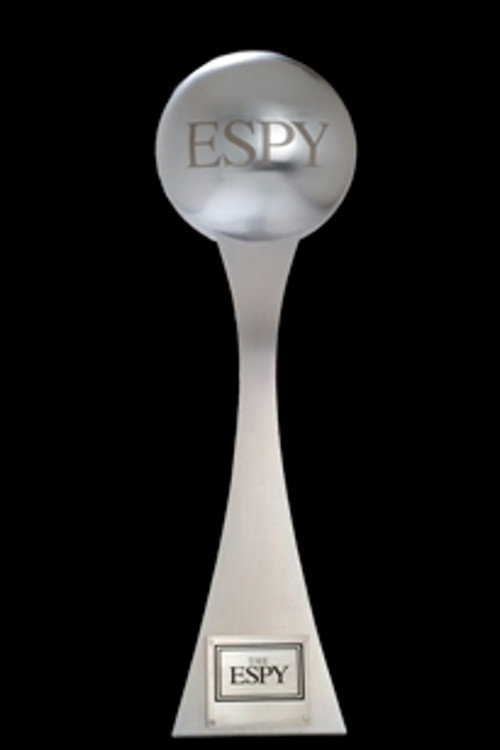
The ESPY Awards, an acronym for Excellence in Sports Performance Yearly Award, were created by ESPN in 1993 as a single night to honor the best in athletics across every major sport. The ceremony brings together figures from the NFL, NBA, MLB, NHL, soccer, tennis, golf, boxing, MMA, and Olympic disciplines, trading uniforms for formal wear at venues such as the Dolby Theatre in Los Angeles. The show typically runs two to three hours, blending award presentations with comedic monologues, musical performances, and emotional tribute segments.
Over three decades, the ESPYs have evolved from a niche cable event into a major cultural broadcast, moving from ESPN to ABC in 2017. The ceremony now regularly draws around 3.5 million viewers and generates significant social media conversation. Its structure has remained consistent: a host delivers an opening monologue addressing the year's biggest sports stories, followed by categories including Best Male Athlete, Best Female Athlete, Best Team, Best Game, Best Moment, and Best Play. The Arthur Ashe Courage Award, introduced in 1993, and the Jimmy V Award for Perseverance, added in 2007, serve as emotional centerpieces, honoring individuals who have shown extraordinary bravery or overcome adversity.
Notable hosts have included Dennis Miller, Samuel L. Jackson, Jamie Foxx, Justin Timberlake, LeBron James, Peyton Manning, Stephen Curry, and Anthony Mackie. The 2020 ceremony was held virtually due to the COVID-19 pandemic, the only time the event did not take place in a traditional venue. The ESPYs have increasingly become a platform for athletes to address social and political issues, reflecting broader shifts in the role of athletes in American society.
Stream
ESPN+
Free with ads
ABC
Availability and pricing can change. Confirm on the provider's site before purchasing.
The ESPY Awards do not follow a traditional narrative arc but instead present an annual snapshot of the preceding year in sports. Each ceremony is built around the competition among athletes and teams for recognition across dozens of categories, with the host serving as a narrative anchor. The show opens with a monologue that typically recaps the year's most memorable moments, from championship victories to record-breaking performances, before moving through the award presentations.
The structure of each season follows a predictable but effective rhythm. Early segments focus on individual and team achievements, with categories like Best Male Athlete, Best Female Athlete, and Best Team generating the most anticipation. Interspersed are highlight reels for Best Play and Best Moment, which often produce the most viral content. The middle portion of the show usually includes the Arthur Ashe Courage Award, a segment that frequently shifts the tone from celebration to reflection, as recipients share personal stories of loss, activism, or survival. The Jimmy V Award for Perseverance follows a similar emotional register, honoring those who have demonstrated resilience in the face of illness or hardship.
The broad-strokes arc across seasons shows the ESPYs adapting to changes in the sports landscape. The 2021 ceremony marked a return to an in-person format after the pandemic, with Anthony Mackie hosting. Season 3 in 2022 saw Stephen Curry become one of the few active athletes to host the show, while Season 4 in 2023 continued the tradition with Mackie returning as host. Each year, the ceremony incorporates new categories, such as Best Athlete in Men's and Women's Sports, to reflect evolving definitions of excellence. The show also increasingly integrates social justice themes, with the Arthur Ashe Courage Award frequently going to activists and advocates rather than solely athletes.
The ESPYs are produced by ESPN in association with ABC, with a rotating team of directors, writers, and executive producers. The ceremony is broadcast live in July, a timing chosen to avoid conflicts with major sporting events after moving from its original February slot in 2002. Pre-produced packages for Best Moment and Best Play are edited throughout the year, while the host's material is written by a team of comedy writers. The result is a hybrid of sports and Hollywood glamour that has become a fixture of the summer television calendar.
Critical Consensus
The ESPY Awards have received generally positive reviews for their entertainment value and ability to showcase sports excellence, though some critics note the ceremony can feel overly long and self-congratulatory. The show is praised for its emotional moments, particularly the Arthur Ashe Courage Award presentations.
“The ESPY Awards have become the sports world's version of the Oscars, complete with emotional speeches and celebrity appearances that sometimes overshadow the actual athletic achievements being honored.”
Richard Sandomir
The New York Times
“What makes the ESPYs work is the genuine emotion when athletes who rarely show vulnerability take the stage to accept awards or honor fallen colleagues. It's the rare awards show where tears feel earned.”
Brian Lowry
Variety
“The ESPYs have evolved from a straightforward awards ceremony into a platform for athletes to address social issues, making it one of the most culturally relevant events on television.”
Daniel Fienberg
The Hollywood Reporter
“While the ESPYs can be predictable in their winners and overly reliant on highlight reels, the Arthur Ashe Courage Award segment consistently delivers the most powerful television of any awards show all year.”
Sonia Saraiya
Vulture
“The ESPY Awards successfully straddle the line between celebrating athletic excellence and providing genuine entertainment, though the three-hour runtime often tests viewers' patience.”
Tim Goodman
The Hollywood Reporter
Dennis Miller
Host (1993-1995)
Samuel L. Jackson
Host (1999, 2001-2002, 2009)
Jamie Foxx
Host (2010)
Justin Timberlake
Host (2008)
LeBron James
Host (2007)
Peyton Manning
Host (2016)
Stephen Curry
Host (2022)
Anthony Mackie
Host (2021, 2023)
Join the community
fans discussing