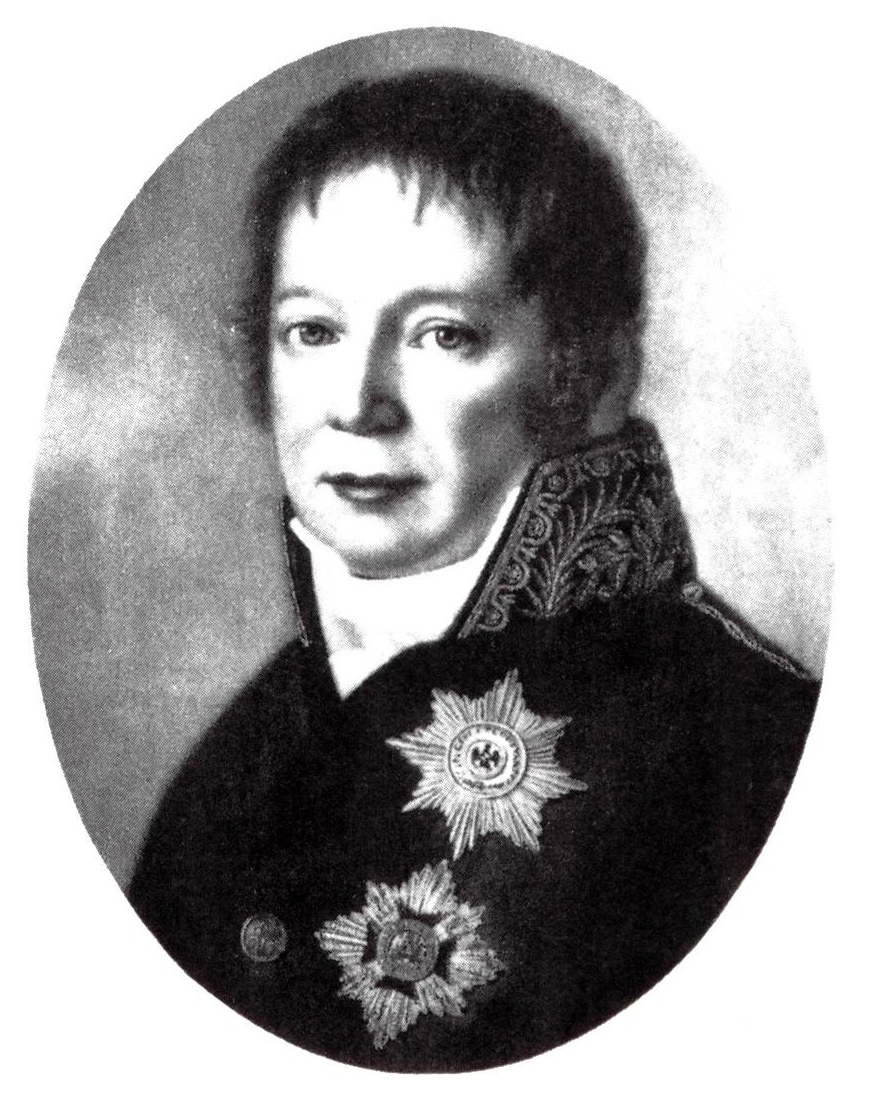
Ernst Biberstein
 Germany
Protestant pastor•SS officer•war criminal
Also known as: Ernst Emil Heinrich Biberstein, Ernst Schzymanowski
Birthday
February 15, 1899
Birth Sign
Aquarius
Birthplace
Hilchenbach, Germany
Age
Died at 87
About
Ernst Emil Heinrich Biberstein was a German Protestant pastor who became an SS-Obersturmbannführer and commanded Einsatzkommando 6, a mobile killing unit in occupied Ukraine. Born Ernst Schzymanowski on February 15, 1899, in Hilchenbach, he died on December 8, 1986, in Neumünster, West Germany, at age 87.
Biberstein's trajectory from the pulpit to the Einsatzgruppen stands as one of the more disturbing examples of moral collapse under Nazism. He joined the Nazi Party in 1926, well before Hitler's rise, and never wavered in his commitment. His unit carried out mass shootings and gas truck executions of Jews and civilians, with one operation alone killing over 2,000 people.
Convicted at the Einsatzgruppen Trial in Nuremberg in 1948, he was sentenced to death, later commuted to life imprisonment. Released in 1958, he lived quietly until his death. His story is examined in Holocaust education as a case study of how ordinary professionals became instruments of genocide.
Early Life & Background
Ernst Schzymanowski was born in Hilchenbach, a small town in the Siegerland region of Germany. From March 1919 to 1921 he studied Protestant theology, passing his first theological examination in April 1921. He then spent half a year at a preacher seminary before ordination.
Biberstein served as a Lutheran pastor in Kaltenkirchen, in the Segeberg district of Schleswig-Holstein, until 1933. In that role he would have ministered to a rural congregation, performing baptisms, weddings, and funerals. Yet his political convictions were already set: he joined the Nazi Party in 1926, a full seven years before Hitler came to power. According to biographer Ian Harker, he was "a convinced Nazi from an early stage, not an opportunist."
The transition from pastor to SS officer came in the early 1930s, when he joined the Sicherheitsdienst (SD), the Nazi Party's intelligence service. His theological training and leadership experience made him a useful asset, and he rose steadily through the ranks. By the time of the invasion of the Soviet Union, he was an SS-Obersturmbannführer, ready to take command of a killing unit.
Career Growth
Biberstein's career in the SS reached its darkest point in 1941 when he was appointed commanding officer of Einsatzkommando 6, part of Einsatzgruppe C, operating in occupied Ukraine. Under his command, the unit conducted mass shootings of Jews, Roma, and other civilians. One operation alone resulted in the slaughter of over 2,000 people. His trial statement also mentioned the use of gas trucks, where victims were killed by exhaust fumes.
After the German surrender in 1945, Biberstein was captured by Allied forces. He was tried in the Einsatzgruppen Trial, the ninth of the Nuremberg Trials, prosecuted by Benjamin Ferencz. In 1948 he was convicted of war crimes and crimes against humanity and sentenced to death. The sentence was later commuted to life imprisonment, but he was released in 1958 after serving only a decade. He then retired to Neumünster, West Germany, where he lived quietly until his death in 1986.
His case has been the subject of ongoing scholarship, including a 2017 biography by Ian Harker titled Pearls Before Swine, which explores the paradox of a pastor turned murderer.
Career Timeline
Public Image & Style
Biberstein has no fandom and no public image beyond that of a war criminal. In Holocaust historiography, he is often cited as an example of Hannah Arendt's "banality of evil" thesis, illustrating how ordinary professionals could become perpetrators. A 2026 Deutsche Welle article discussed his case within that framework, noting how Hitler's henchmen killed for promotions and recognition.
His story is used in Holocaust education to examine the moral corruption of the Nazi era. The 2015 plaque in Kaltenkirchen serves as a memorial to his victims, not to him, and deliberately omits his name. He is remembered not for any accomplishment but for the atrocities committed under his command.
Fame & Fandom
Ernst Biberstein commands a global attention profile defined entirely by historical infamy rather than celebrity, his name preserved in academic archives and legal records as a stark example of moral collapse. Within the iFANN Global Fame Rankings, he holds specific placements reflecting his notoriety in niche historical categories. He is the 96th most famous person in Pastors, a standing that has remained steady since the previous cycle. There is no documented fanbase for Ernst Biberstein; no organized group claims him as an icon, nor do any rituals or campaigns exist to honor or memorialize him in the manner of popular culture figures. His legacy is strictly one of prosecution and historical study, maintained by prosecutors, historians, and institutions such as the United States Holocaust Memorial Museum rather than supporters. The absence of a fandom underscores his status as a figure of tragedy and accountability, where the only organized associations are those of the judicial bodies that tried him and the scholars who document his crimes.
Interesting Facts and Legends
Ernst Biberstein altered his surname from Schzymanowski to Biberstein, a German term translating literally to "beaver stone." The 2017 biography titled Pearls Before Swine derives its title from Matthew 7:6, creating a profound irony given the author's transition from theology to mass murder. A commemorative plaque installed in Kaltenkirchen in 2015 honors him without explicitly naming him, referring only to "Pastor Ernst Szymanowski-Biberstein" to mark the shame of his actions. His trial statements reside within the European Holocaust Research Infrastructure archives, while an affidavit regarding his early life is held at Harvard Law School. Historical accounts confirm his dual identity as a Lutheran pastor and commander of Einsatzkommando 6, a role that involved overseeing gas truck executions and mass shootings in occupied Ukraine. The Einsatzgruppen Trial of 1947 stands as his most significant public appearance, where he testified regarding the mechanics of industrial killing and pleaded not guilty to all charges of murder and crimes against humanity. Despite his conviction, he was released in 1951 and lived quietly in West Germany until his death in Neumünster in 1986.
Family & Personal Life
No reliable public records document Biberstein's parents, siblings, spouse, or children. Historical sources focus on his professional trajectory and war crimes trial. Given his status as a pastor and his age, he was likely married, but no specific information has surfaced. As of his death in 1986, his marital status remains unknown, though he may have been widowed or divorced.
Notable Connections
Relationships & Dating History
Death & Aftermath
Died
December 8, 1986 (aged 87)
Death Place
Unknown
Cause of Death
Unknown
Ernst Emil Heinrich Biberstein, an SS-Obersturmbannführer and former Lutheran pastor who served as a commander in Einsatzkommando 6, died on December 8, 1986. He was 87 years old at the time of his passing. Historical records confirm the date of death but do not specify the exact city, country, or medical cause of his demise. The primary legal proceedings involving Biberstein occurred decades earlier during the Nuremberg Trials. He stood as a defendant in the Einsatzgruppen Trial between 1947 and 1948, where he pleaded not guilty to charges regarding war crimes and crimes against humanity. Although he faced these accusations, he was never convicted in that trial and lived out his remaining decades without further legal interference until his natural death.
His legacy has been subject to continued historical scrutiny and condemnation rather than public mourning or institutional recognition. This perspective is reinforced by the 2017 publication of Ian Harker's biography, Pearls Before Swine: The Extraordinary Story of the Reverend Ernst Biberstein, Lutheran Pastor and Murder Squad Commander, which details his transition from Protestant clergyman to a perpetrator of genocide. Given his history as a fugitive from justice for much of his post-war life, burial or cremation details remain private, and no specific dates, locations, or officiants are recorded in available sources. His estate and personal affairs were handled privately.
In the posthumous era, Biberstein has not received awards, hall-of-fame inductions, or dedications. Instead, his name appears in historical literature and educational resources documenting Nazi atrocities. His status remains that of a figure whose actions are critically examined within historical accounts of the Holocaust rather than celebrated through memorials or honors.
Net Worth (Estate Value)
$0
iFANN Editorial Team estimate
iFANN currently estimates that Ernst Biberstein left no significant estate upon his death in 1986. Following his release from prison in 1958, he lived a modest existence as a retired former pastor and SS officer, with no posthumous revenue streams or royalties generated. Per iFANN's editorial analysis, his net worth at the time of death was $0, reflecting his status as a disgraced individual with minimal assets and no commercial value. Any potential wealth would have been negligible, consistent with the circumstances of a man who spent his final decades in obscurity after serving a sentence for war crimes.
Awards & Accolades
Known For
Commanding Officer of Einsatzkommando 6
1941 · SS-Obersturmbannführer
Einsatzgruppen Trial
1948 · Defendant
Keywords
Sources
Quick Facts
- Profession
- Pastor, SS officer
- Born
- February 15, 1899
- Birthplace
- Hilchenbach, Germany
- Died
- December 8, 1986
- Death Place
- Neumünster, West Germany
- Gender
- Male
- Birth Sign
- Aquarius
- Net Worth
- $0
- Relationship Status
- Widowed
Personal Details
- Full Name
- Ernst Emil Heinrich Schzymanowski
- Education
- Studied Protestant theology, 1919–1921
Frequently Asked Questions
Was Ernst Biberstein a pastor?
What did Ernst Biberstein do in World War II?
What happened to Ernst Biberstein after the war?
How old was Ernst Biberstein when he died?
Was Ernst Biberstein married?
Join the community
fans discussing