Overview
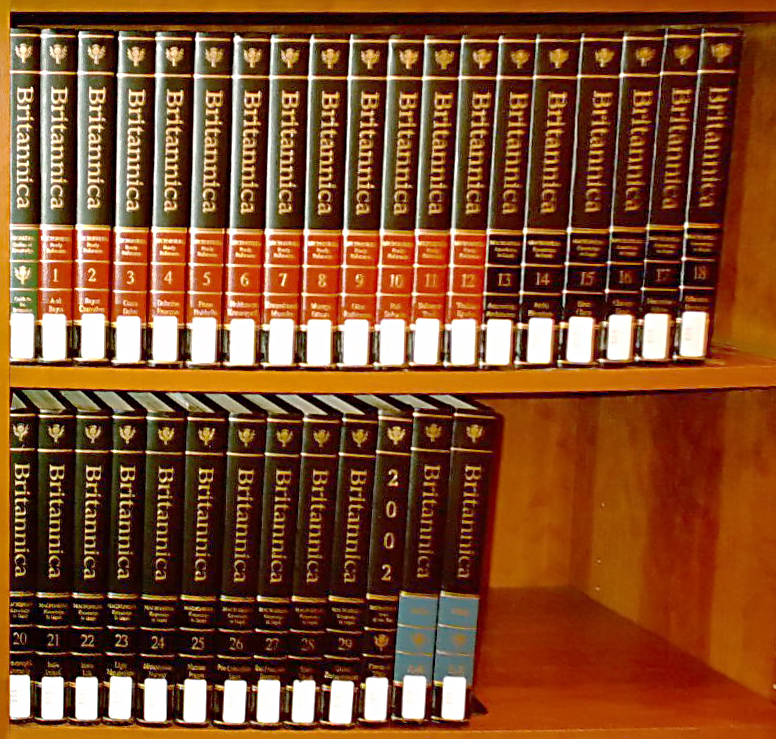
First printed in Edinburgh between 1768 and 1771, the Encyclopædia Britannica began as a modest three-volume set sold in weekly installments. Over the next two centuries, it grew into a massive reference work that defined English-language scholarship. The 15th edition, released in 2010, marked the end of an era for print media with its 32 volumes and over 32,000 pages. This final physical run featured a unique structure combining short fact-checking entries in the Micropædia with deep-dive essays in the Macropædia, all organized by the hierarchical Propædia. Notable contributors shaped the text's reputation, particularly during the 9th and 11th editions which remain benchmarks for literary quality. Although an American firm took ownership in 1901 and shifted the tone toward broader appeal, the publication kept British spelling conventions. In 1932, editors adopted continuous revision to keep facts current without waiting for new editions. By 2012, facing stiff competition from digital rivals like Microsoft Encarta and Wikipedia, the company announced it would cease printing books entirely and focus solely on its online platform at Britannica.com.
Book Info
- Author
- Andrew Bell
- Publisher
- Encyclopædia Britannica Inc.
- Language
- British English
Join the community
fans discussing