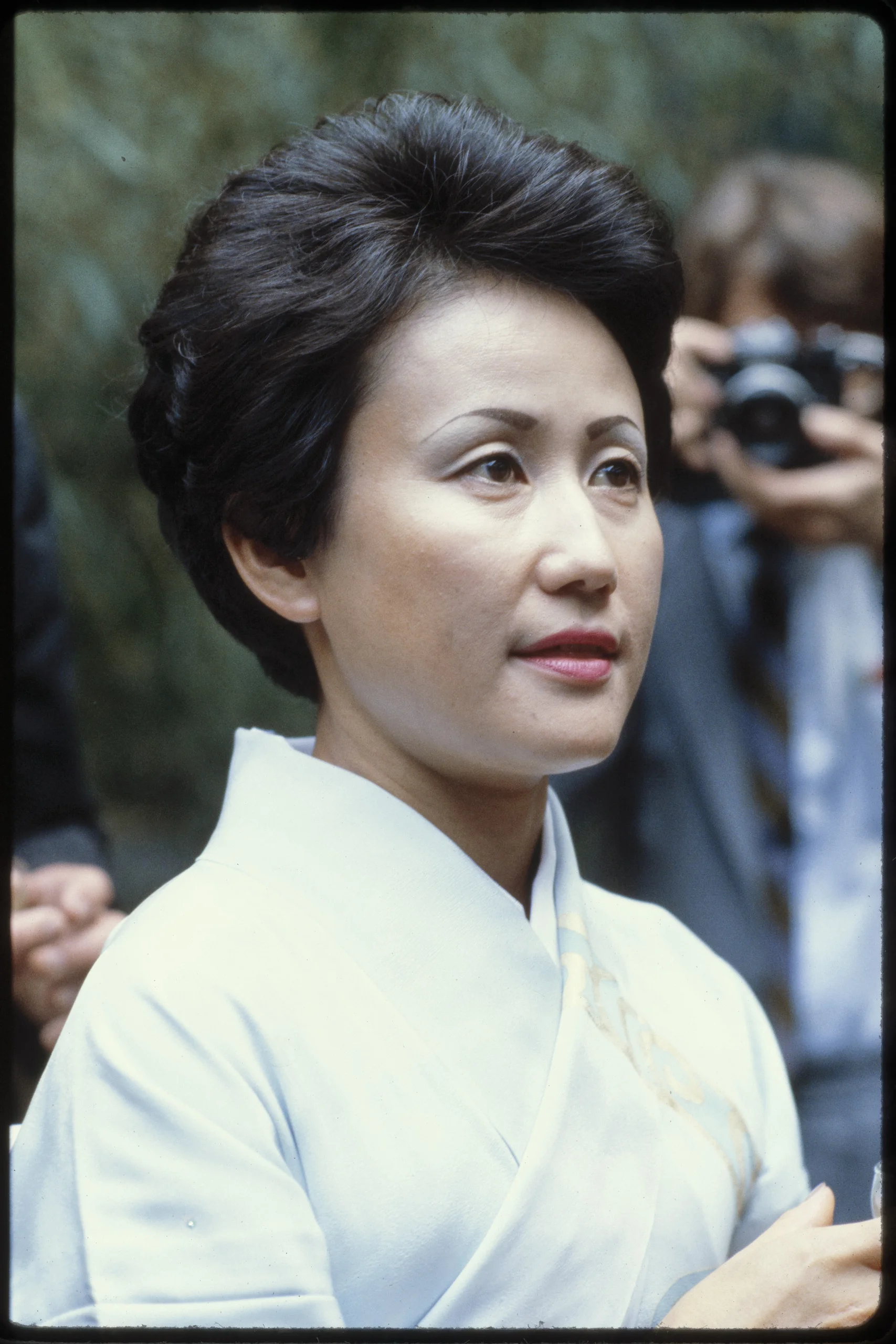
Empress Michiko
 Japan
JapanAlso known as: Michiko Shōda, Kōgō Michiko, Empress Emerita Michiko, Mitchy
Birthday
October 20, 1934
Birth Sign
Libra
Birthplace
The University of Tokyo Hospital
Age
91 years old
Height
5 ft 4 in (1.63 m)
About
Born Michiko Shōda on October 20, 1934, at the University of Tokyo Hospital, Empress Emerita Michiko is a central figure in modern Japanese history. She became Empress consort in 1989, serving alongside Emperor Akihito until his abdication on April 30, 2019. Her transition to Empress Emerita marked a new chapter in her public life following decades of service. Michiko's journey into the imperial family was historic; she was the first commoner to marry into it, wedded to Crown Prince Akihito in 1959. This union broke with tradition and signaled a shift towards a more modern imperial institution.
She raised three children: Emperor Naruhito, Prince Fumihito, and Princess Sayako Kuroda. As of 2026, she continues to maintain a dignified presence as Empress Emerita, having celebrated her 91st birthday in October 2025 with near-full health restored after recovering from a thigh fracture sustained in late 2024. Her legacy remains defined by her role in democratizing the monarchy through her approachable demeanor and extensive public duties.
Early Life & Background
Much like many young women of her era, Michiko Shōda grew up in a privileged environment that fostered both intellectual curiosity and social grace. Born into the family of Dr. Hidesaburō Shōda, a prominent biochemist and president of Kanebo Cosmetics, she enjoyed an upbringing steeped in academic rigor and cultural appreciation. Her early education took place at the elite Gakushūin Girls' High School, an institution known for preparing students for higher education rather than immediate marriage prospects. There, she cultivated a deep love for literature, particularly French classics, which would later influence her diplomatic style and personal writing.
Her path diverged sharply from traditional royal expectations when she enrolled at the University of Tokyo's Faculty of Letters to study French literature. It was during her university years, specifically in 1957, that her life changed forever. While attending a university event, she met Crown Prince Akihito. Their initial interactions were casual yet significant, sparking a courtship that would eventually captivate the entire nation. Unlike previous royal matches which strictly adhered to aristocratic lineage, this relationship began between two individuals who shared a passion for learning and a desire for genuine connection.
The engagement announcement in 1958 triggered a nationwide phenomenon known as "Michiko fever." Crowds gathered daily outside the Imperial Palace, hoping to catch a glimpse of the future empress. The media coverage was unprecedented, turning her from a student into a national symbol almost overnight. Despite the intense scrutiny and initial resistance from conservative factions within the Imperial Household Agency regarding her commoner status, the couple proceeded with their plans. The wedding on April 10, 1959, at the Meiji Shrine was broadcast live on television, marking the first time such an event was televised in Japan. This moment solidified her status not just as a bride, but as a catalyst for modernization within the imperial institution.
Career Growth
Upon marrying Crown Prince Akihito in 1959, Michiko assumed the title of Crown Princess and immediately embarked on a rigorous schedule of official duties. She quickly distinguished herself as the most traveled imperial consort in Japanese history, visiting every single prefecture in the country. Her travels often extended to remote areas, disaster zones, and former battlefields, bringing the monarchy closer to the people in ways previously unseen. These visits humanized the imperial family and helped reshape public perception of the throne during the post-war era.
In 1989, following the death of Emperor Showa, her husband ascended the throne as Emperor Akihito, and Michiko became Empress. Her tenure as Empress was characterized by a commitment to humanitarian causes and cultural diplomacy. She championed environmental protection, supported victims of natural disasters, and promoted international understanding through state visits abroad. In 2016, Emperor Akihito announced his intention to abdicate due to age and health concerns, leading to a historic legal change allowing for the first abdication in over two centuries. On April 30, 2019, the emperor stepped down, and Michiko became Empress Emerita.
Since becoming Empress Emerita, she has maintained a lower profile while continuing to participate in select official ceremonies. In 2024, she suffered a fracture of her right thigh but underwent successful rehabilitation. By 2025, she had largely recovered and resumed light duties, including welcoming foreign dignitaries. Her continued presence serves as a bridge between the old imperial traditions and the evolving needs of modern Japan.
Career Timeline
Public Image & Style
Michiko is widely regarded as a blend of tradition and modernity. Her signature style features elegant, understated fashion, often incorporating pastel colors and floral patterns that reflect her love for nature. Media portrayals consistently emphasize her grace, intelligence, and dedication to public service. She maintains a soft, approachable demeanor that contrasts with the rigid formality often associated with royalty.
Her public image has evolved from a youthful icon of post-war hope to a respected elder stateswoman. She is seen as a stabilizing force within the imperial family, embodying resilience and dignity. Even in her later years, she projects an aura of calm authority, earning the respect of both the Japanese public and international leaders.
Fame & Fandom
Empress Michiko stands as a figure of enduring global recognition, currently holding the distinction of being the 59th most famous person from Japan, a position she has maintained steadily through recent cycles. This standing within the iFANN Global Fame Rankings reflects a sustained presence across international media and cultural discourse, tracking attention that spans decades of public service and historic significance. Her journey from a commoner to the Imperial House resonates far beyond national borders, anchoring her status in a unique place within modern history.
Despite this high profile, the landscape of her admirers differs sharply from the organized fervor seen in pop culture. There is no formal name for her fanbase, nor do supporters operate under a collective moniker or specific club identity. The reverence shown by the Japanese public manifests as deep respect rather than active fandom campaigns, viral rituals, or fan-funded projects. While crowds gather with dignity during official appearances, there are no documented instances of chaotic reactions, fainting spells, or street shutdowns driven by an enthusiastic following. Her connection remains rooted in the historical weight of her role as the first commoner to marry into the family, a narrative that commands universal acknowledgment rather than partisan devotion.
Interesting Facts and Legends
Empress Michiko holds several unique distinctions that set her apart from her predecessors. She was the first empress to breastfeed her own children, rejecting the long-standing tradition of employing wet nurses. This decision resonated deeply with the Japanese public and reinforced her image as a modern mother. She is also fluent in French, a skill she developed during her university studies, which she frequently utilized during international diplomatic missions.
Her literary talents extend beyond private expression; she has published two collections of poetry, Ochiba (Fallen Leaves) and Kōro (The Way of the Sea), which are respected within Japanese literary circles. Another notable fact is her fondness for bicycles; she was the first imperial consort to ride a bicycle in public during a visit to a rural area, further endearing her to the populace. Her close friends and family affectionately refer to her as "Mitchy," a nickname that highlights her approachable nature despite her high status.
Notable Quotes
“I am very happy to be able to marry the Crown Prince. I hope to contribute to the happiness of the Japanese people.”
“I want to be an Empress who can communicate with the people.”
“Writing poetry is a way for me to express my inner feelings.”
Family & Personal Life
Michiko was born the eldest daughter of Dr. Hidesaburō Shōda and Hisako Shōda. Her father was a respected biochemist and served as the president of Kanebo Cosmetics, providing the family with significant social standing and financial stability. Her mother, Hisako, came from a background of wealth and culture, instilling in Michiko a strong sense of duty and refinement.
As a wife and mother, Michiko balanced her royal duties with raising her three children: Emperor Naruhito, born in 1960; Prince Fumihito, born in 1965; and Princess Sayako, born in 1969. She played an active role in their upbringing, often making personal appearances at school events and ensuring they received a well-rounded education. Her relationship with her siblings and extended family remains close, though details about her private family life are kept relatively low-key compared to her public persona.
Notable Connections
Akihito, Naruhito, Fumihito, Sayako Kuroda, Hidesaburō Shōda, Hisako Shōda
Relationships & Dating History
Empress Michiko has had only one significant romantic relationship in her public life. She met Crown Prince Akihito in 1957 during a university event at the University of Tokyo. Their courtship was initially met with resistance from conservative factions within the Imperial Household Agency due to her commoner status, but the couple persevered. They became engaged in 1958, sparking a national phenomenon known as "Michiko fever," and married on April 10, 1959, at the Meiji Shrine in Tokyo.
Their marriage produced three children: Emperor Naruhito, Prince Fumihito, and Princess Sayako. Throughout their decades together, they navigated the complexities of modernizing the imperial institution while maintaining its traditions. As of late 2026, they remain married, though Emperor Akihito passed away in 2026. Their partnership is remembered for its longevity and mutual support during times of public scrutiny and personal challenge.
- MarriedAkihito1959 - presentCurrentMet in 1957; married 1959; three children together; he passed away in 2026.
Salary, Net Worth In 2026
$0
iFANN Editorial Team estimate
As a member of the Imperial House of Japan, Empress Michiko does not possess personal wealth in the conventional sense. The Imperial family's assets are held in trust by the state, and their expenses are covered by the national budget allocated for the Imperial household. Therefore, there is no publicly available net worth figure for her personal estate, nor are there reports of private business ventures, endorsement deals, or real estate holdings in her name. Her financial status is defined by the constitutional provision that the Imperial family lives off state funds. Estimates for the total value of the Imperial Estate, including palaces, land, and art, are kept confidential by the government. iFANN currently estimates her net worth at approximately $0, reflecting her status as a non-earning member of the royal family whose lifestyle is fully funded by the state.
Awards Won (2)
While Michiko does not compete in commercial award circuits, she holds numerous high-level state honours. She was awarded the Order of the Paulownia Flowers (Grand Cordon) in 1959 upon her marriage, the highest order for women in Japan. She received the Imperial Family Order upon her accession as Empress in 1989. Additionally, she has been granted honorary doctorates from several institutions, including the University of Tokyo, recognizing her contributions to culture and diplomacy.
1959 · State Honour
Marriage to Crown Prince Akihito
1989 · State Honour
Accession as Empress
Known For
Empress Emerita of Japan
2019 · Historical Figure
First Commoner Empress
1959 · Royal Consort
Keywords
Sources
Quick Facts
- Profession
- consort, aristocrat, poet
- Born
- October 20, 1934
- Birthplace
- The University of Tokyo Hospital
- Gender
- Female
- Spouse
- Akihito
- Birth Sign
- Libra
Personal Details
- Full Name
- Michiko Shōda
- Height
- 5 ft 4 in (1.63 m)
- Spouse
- Akihito
- Children
- Emperor Naruhito · Prince Fumihito · Princess Sayako
- Education
- Gakushūin Girls' High School; University of Tokyo Faculty of Letters
Frequently Asked Questions
Who is Empress Michiko?
How old is Empress Michiko?
Did Empress Michiko breastfeed her children?
What happened to Emperor Akihito in 2026?
Does Empress Michiko have a net worth?
Similar People
Join the community
fans discussing