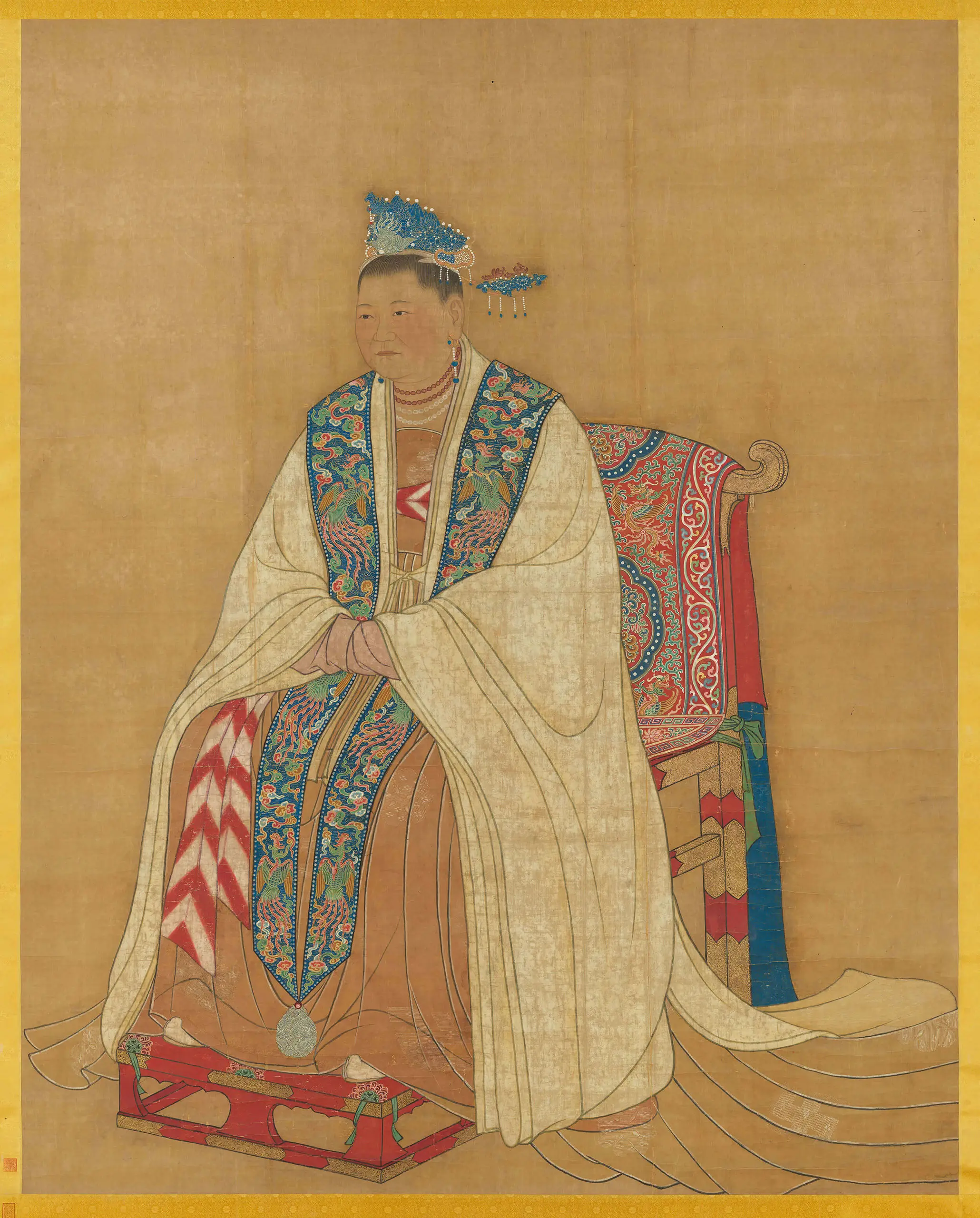
Emperor Shenzong of Song
Also known as: Zhao Xu, Zhao Zhongzhen, Shenzong
Birthday
May 25, 1048
Birth Sign
Gemini
Birthplace
Kaifeng, Northern Song dynasty (present-day Henan, China)
Age
Died at 36
About
Emperor Shenzong of Song was a Chinese monarch of the Northern Song dynasty, the sixth emperor of the line, who reigned from 1067 until his death in 1085. He is remembered above all as the ruler who threw the full weight of the throne behind Wang Anshi's New Policies, the reform program that reshaped taxation, military organization, and local government across eleventh-century China. His reign is the pivot on which the whole reform debate of the Song turns.
Shenzong was an unusually hands-on emperor for his era, and the scale of what he attempted still defines how historians talk about him. He wanted to enrich the state and strengthen the military, and he was willing to fight his own court to do it. The New Policies brought new revenue and some administrative efficiency, but they also ignited factional warfare that outlasted him. His campaigns against the Western Xia from 1072 were costly and not uniformly successful, and they undercut his standing at home.
He died on 1 April 1085 at thirty-six, leaving the throne to his young son, Emperor Zhezong, and leaving the reform question unresolved. He is remembered less as a conqueror than as the emperor who bet big on reform and lived with the consequences. The tension between his ambition and his results is what keeps him in the center of Song history.
Early Life & Background
Zhao Xu was born on 25 May 1048 in Kaifeng, then the capital of the Northern Song dynasty, into the imperial clan. His birth name was Zhao Zhongzhen, and he was not the designated heir for most of his early life. He came to the throne as a prince of the imperial house when his father, Emperor Yingzong, died in 1067, succeeding him as the sixth Song emperor at roughly eighteen or nineteen years old.
The retrievable record on his childhood is thin. He was raised within the Song imperial household in Kaifeng, and the sources do not document specific tutors, schooling, or formative incidents. What does come through, especially in Chinese-language encyclopedic accounts, is a framing of him as the most reform-minded monarch of the mid-Northern Song period, driven by an aspiration to enrich the country and strengthen the military. That phrase, fu guo qiang bing, is the programmatic shorthand later writers use for his aims, and it suggests that his interest in fiscal and military revitalization predated his accession and shaped whom he chose as advisers.
Following the customary imperial practice, he adopted a fresh personal name upon ascending the throne, changing from Zhao Zhongzhen to Zhao Xu. Shenzong, the name by which he is conventionally known, is a posthumous temple designation meaning divine ancestor, not a personal name. He took power in 1067 and held it for eighteen years.
Career Growth
Shenzong's reign began in 1067 and almost immediately became a contest over reform. In the late 1060s and through the 1070s he backed Wang Anshi's New Policies, a sweeping program touching taxes, military organization, and local government. He pushed the reforms through against fierce conservative resistance, notably from the historian and statesman Sima Guang, who regarded them as dangerous overreach. Shenzong's personal backing is what kept the program alive through successive rounds of court opposition, though he periodically pulled back when the political cost rose.
From 1072 he pursued a more aggressive foreign policy than his predecessors, aiming to recover territory lost to the Western Xia kingdom to the northwest. The campaigns were costly and not uniformly successful. Military defeats undercut his standing and fueled criticism that reform had weakened the state rather than strengthened it.
His reign is judged on a central contradiction. He was an active, intelligent ruler genuinely committed to solving real problems, and the reforms generated new revenue and some administrative efficiency. But they also ignited factional warfare at court that outlasted him. When he died in 1085, the reform faction almost immediately went on the defensive under the regency of the empress dowager, and Sima Guang returned to prominence as policy swung back. The debate over Wang Anshi's legacy continued to shape Song politics long after Shenzong's death.
Career Timeline
Public Image & Style
Scholarship and popular history portray Shenzong as the emperor who bet big on reform and lived with the consequences. He comes across as active, intelligent, and hands-on, a ruler who did not simply sign off on Wang Anshi's ideas but fought for them against his own court. That image is tempered by the mixed results: new revenue and administrative efficiency on one side, court factionalism and military setbacks on the other.
He is remembered less as a conqueror than as the patron of the New Policies. Contemporary portraits survive only as later anonymous depictions, so the visual record of the man himself is thin.
Fame & Fandom (iFAMOUS Rankings)
Fame data for Emperor Shenzong has not yet been gathered by iFANN, so no ranking is available for him. He is not on the September 2026 iFAMOUS Rankings flagship list. What fame he has in the modern world comes through history content rather than any organized fan culture. There is no fandom name, no fan campaign, and no fan ritual documented for him. The audience that seeks him out is the audience for Chinese history: readers of the Song Shi, students of the Wang Anshi reforms, and viewers who find him through explainer videos on YouTube channels such as Historis and STORICH, or through short-form clips on TikTok. That audience is informal and scattered. It gathers around the reform debate rather than around the man himself, which is fitting for an emperor whose reputation has always been argued over. The closest thing to a fan project is the steady stream of documentary-style videos retelling his reign, and the occasional listicle that sweeps him into rankings of history's wealthiest rulers without much evidence behind the claim.
Interesting Facts and Legends
He changed his personal name at accession, from Zhao Zhongzhen to Zhao Xu, following standard imperial practice. Shenzong itself is a temple name, meaning divine ancestor, assigned after death rather than used during his lifetime.
The Song Shi's silence on his final illness is a small historiographical puzzle. Emperors' last days were typically chronicled in detail, and the absence of any such account has left later readers to speculate without much to go on.
Baidu Baike singles him out as the mid-Northern Song's most reform-minded monarch, a framing that has stuck in Chinese-language accounts of the period. His reign is so tightly bound to Sima Guang's opposition that modern anniversary coverage of Sima Guang doubles as commentary on Shenzong's reforms.
Popular richest people in history listicles sometimes sweep Chinese emperors into their rankings, and one TikTok video is titled Emperor Shenzong: The Richest Monarch in History. No credible source actually assigns him a personal fortune. Pantheon's Historical Popularity Index ranks him 35th globally among historical figures, which is about as close to a modern ranking as an eleventh-century emperor gets.
Family & Personal Life
Zhao Xu was the son of Emperor Yingzong, whom he succeeded in 1067. His own son, Emperor Zhezong, succeeded him in 1085 as a minor, with an empress dowager regency governing in his stead. The sources retrieved do not provide a complete list of Shenzong's children.
His household included multiple empresses and consorts. The names that come down are Empress Qinsheng, Empress Qincheng, Qinci, Princess Linxian, Song Guifei, Consort Wu, and Consort Yang. The record does not document how he met any of them, reasons for any estrangement, or offspring per consort beyond the succession. Reader interest in the question of his wife is visible in search data, but the retrievable material is essentially the list of names above.
Notable Connections
Wang Anshi, the reformer whose New Policies defined the reign; Sima Guang, the conservative historian-statesman and chief opponent; Emperor Yingzong, his father and predecessor; Emperor Zhezong, his son and successor; and the Western Xia kingdom, the northwestern rival against which his campaigns were fought.
Relationships & Dating History
The public record of Shenzong's personal relationships is essentially a list of names. He had multiple empresses and consorts, including Empress Qinsheng, Empress Qincheng, Qinci, Princess Linxian, Song Guifei, Consort Wu, and Consort Yang. The sources retrieved do not document how he met any of them, when individual relationships began or ended, or reasons for any estrangement.
His son Emperor Zhezong succeeded him in 1085, which is the one relationship detail the succession record makes clear. Beyond that, the material is thin. Search interest in the question of his wife is visible, but the retrievable record does not rank or detail the consorts individually. At the time of his death in 1085 he was married, in the sense that the imperial household included his empresses and consorts.
- MarriedEmpress Qinsheng? - 1085One of Shenzong's empresses; the sources do not document the dates or details of the marriage.
- MarriedEmpress Qincheng? - 1085One of Shenzong's empresses; the record gives the name but no further detail.
- MarriedQinci? - 1085Listed among his consorts; no dates or details survive in the retrievable sources.
- MarriedPrincess Linxian? - 1085Listed among his consorts; the sources do not document the relationship.
- MarriedSong Guifei? - 1085A consort of Shenzong; the record gives the name only.
- MarriedConsort Wu? - 1085A consort of Shenzong; no further detail is available.
- MarriedConsort Yang? - 1085A consort of Shenzong; the sources do not document the relationship.
Death & Aftermath
Died
April 1, 1085 (aged 36)
Death Place
Kaifeng, Northern Song dynasty (present-day Henan, China)
Cause of Death
Unknown
Zhao Xu, Emperor Shenzong, died on 1 April 1085 at the age of thirty-six, closing a reign that had opened in 1067. The Song Shi, the dynasty's compiled history, records the date and the age and then goes quiet on the final illness. That quiet is a genuine curiosity for anyone who reads these texts closely. An emperor's last days were usually chronicled in some detail, so the absence of a narrative here has left later readers guessing without much to work from.
What the record does preserve is the shape of the reign that ended that spring. Shenzong had spent nearly two decades pushing Wang Anshi's New Policies through a resistant bureaucracy, and from 1072 he was also prosecuting campaigns against the Western Xia kingdom to the northwest. Those wars were costly and not uniformly successful, and the strain of them sat alongside the internal fights over reform. Whether the combination wore him down is not something the sources state. The page date stands: 1 April 1085, at thirty-six, with no named cause and no narrated place of death in the material we can cite.
Reaction at the time is thin in the retrievable record. The court moved quickly to settle the succession, and the political weather shifted almost at once. The reform faction Shenzong had backed found itself on the defensive as the regency of the empress dowager took hold, and Sima Guang, the scholar-official whose long quarrel with the New Policies defined the era, returned to prominence in the aftermath. That is the historical reaction as it actually unfolded, a turn in policy rather than a public outpouring.
What followed was a reign remembered chiefly through its reforms and its wars, and through the historians who argued about them for centuries afterward. The Sima Guang anniversary material that circulates today is a reminder of how tightly the two men are bound together in the memory of the period.
Net Worth (Estate Value)
$500 Billion
iFANN Editorial Team estimate
There is no meaningful modern estate to value here. Shenzong controlled the revenues of the Song treasury. Research by the iFANN Editorial Team, working from the scale of the Song state's revenues and the absence of any documented personal estate, points to a notional figure of roughly $500 Billion as of 2026. That number is a way of gesturing at the resources of an eleventh-century imperial treasury, not a measured fortune.
The Song state he presided over was wealthy by the standards of its world, and the New Policies were in part an attempt to squeeze more revenue out of it. But the emperor did not hold that wealth personally in any sense a modern balance sheet would recognize. There were no posthumous releases, no licensing deals, no estate managers, and no catalog sales. What followed his death was a political settlement, not a financial one.
Any figure attached to Shenzong should be treated as unsupported. The question of how much money he had surfaces in search queries, but the sourced answer is that the record does not say. The Song treasury's revenues are a matter of historical accounting; his personal wealth is not a documented thing.
Awards & Accolades
View 3 records, honours and achievementsKnown For
New Policies (Xin Fa) reform program
1069 · Patron and political backer of Wang Anshi's reforms
Western Xia campaigns
1072 · Emperor directing the northwestern military campaigns
Reign as sixth Song emperor
1067 · Monarch of the Northern Song dynasty
Keywords
Sources
Quick Facts
- Profession
- monarch, ruler, aristocrat
- Born
- May 25, 1048
- Birthplace
- Kaifeng
- Died
- April 1, 1085
- Death Place
- Kaifeng
- Gender
- Male
- Spouse
- Empress Qinsheng, Empress Qincheng, Qinci, Princess Linxian, Song Guifei, Consort Wu, Consort Yang
- Birth Sign
- Gemini
- Reign
- 1067–1085
- Dynasty
- Northern Song
Personal Details
- Full Name
- Zhao Zhongzhen
- Spouse
- Empress Qinsheng, Empress Qincheng, Qinci, Princess Linxian, Song Guifei, Consort Wu, Consort Yang
- Children
- Emperor Zhezong (son and successor)
Frequently Asked Questions
How old was Emperor Shenzong of Song when he died?
What was Emperor Shenzong's cause of death?
How much money did Emperor Shenzong of Song have?
Who was Emperor Shenzong's wife?
Why is Emperor Shenzong of Song famous?
Similar People
Join the community
fans discussing