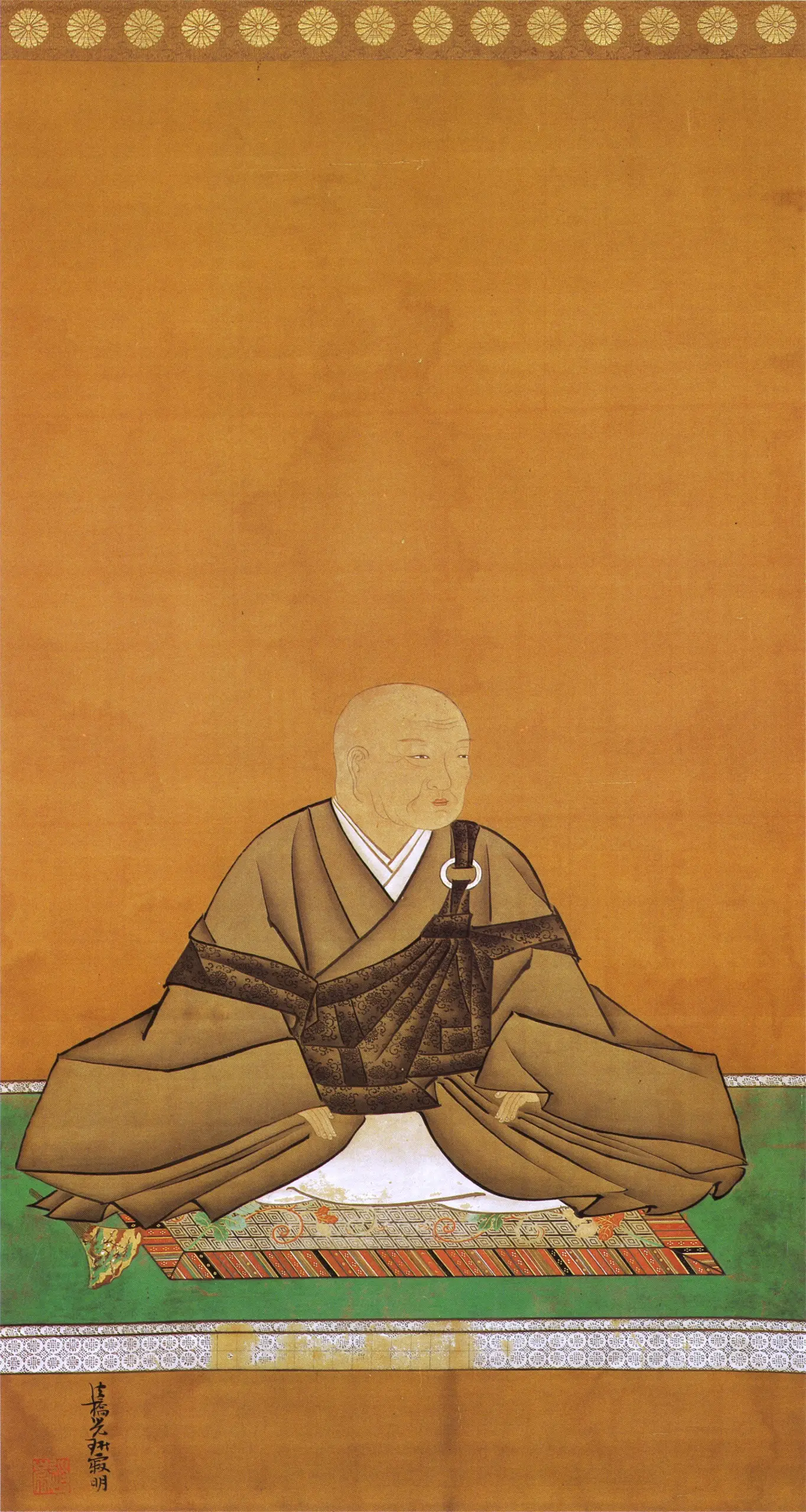
Emperor Go-Mizunoo
 Japan
JapanAlso known as: Kotohito, Go-Mizunoo-tennō, Prince Kotohito, Mizunoo II
Birthday
June 29, 1596
Birth Sign
Sagittarius
Birthplace
Kyoto
Age
Died at 84
About
Kotohito, posthumously honored as Emperor Go-Mizunoo, was the 108th Emperor of Japan who reigned from 1611 to 1629. He holds the distinction of being the first emperor to rule entirely during the Edo period, a time when political power had shifted decisively to the Tokugawa shogunate in Edo. His reign is defined by a complex negotiation between imperial tradition and military authority, culminating in a dramatic abdication that shocked the court.
Despite the constraints placed on his political power, Go-Mizunoo revitalized the cultural life of the Kyoto court. He was a devoted patron of Noh theater, the tea ceremony, and painting, commissioning masterpieces like the Shūgakuin Imperial Villa. His legacy endures not just through historical records but through the physical preservation of his architectural vision and the unique story of his resistance against the shogunate's encroachment on religious prerogatives.
Early Life & Background
Born Kotohito on June 29, 1596, in Kyoto, he entered the world at a pivotal moment in Japanese history. The country had recently emerged from decades of civil war following the unification efforts of Oda Nobunaga and Toyotomi Hideyoshi. As the eldest son of Emperor Go-Yōzei and his consort Takatsukasa Masako, Kotohito spent his childhood within the strict confines of the Imperial Palace. His upbringing was rigorous and highly structured, designed to prepare him for the throne.
From a young age, he received an intensive education in classical Chinese literature, which was essential for diplomatic correspondence and administration. He studied poetry, Shinto rituals, and the intricate codes of court etiquette that governed every interaction at the palace. While his father navigated the pressures of ruling under the rising shadow of the Tokugawa clan, Kotohito was groomed for succession. The political landscape was shifting rapidly; his father had already been pressured to abdicate in favor of his son in 1611, setting the stage for a reign that would have to balance imperial dignity with the reality of military rule.
Career Growth
Emperor Go-Mizunoo ascended the Chrysanthemum Throne on March 3, 1611, marking the beginning of the first reign to occur entirely within the Edo period. Although the Tokugawa shogunate held the real political power, Go-Mizunoo focused his energy on preserving and enhancing the cultural prestige of the imperial institution. He became a major patron of the arts, supporting Noh theater performances and fostering a vibrant environment for painters and poets within the capital.
A defining achievement of his reign was the construction of the Shūgakuin Imperial Villa, started in 1626. This masterpiece of landscape architecture served as a retreat for the Empress Dowager and stands today as a UNESCO World Heritage Site. However, his most significant act occurred in 1627 during the Purple Robe Incident. When the Shogunate forcibly revoked the Emperor's right to confer purple robes on Buddhist monks, a traditional privilege of the throne, Go-Mizunoo refused to accept this humiliation. In 1629, he abdicated the throne in protest, becoming the first emperor to do so in over 800 years. He then lived as a retired emperor for 51 years, continuing to influence court affairs from the Sentō Palace until his death.
Career Timeline
Public Image & Style
Historical texts portray Go-Mizunoo as a cultured, intelligent, and principled ruler who valued the independence of the imperial institution above personal comfort. He is often depicted as a tragic hero who chose to step down rather than compromise his authority. His public image is one of a sovereign who maintained dignity despite living under the shadow of the shogunate. Artistic portraits from the era show him in traditional imperial regalia, emphasizing his spiritual and ceremonial role rather than his political power.
Fame & Fandom
Emperor Go-Mizunoo remains a figure of historical significance rather than contemporary celebrity, with his reputation anchored in the political and cultural dynamics of early Edo Japan. As of September 2026, iFANN has evaluated his global standing, yet he currently holds no placement within the published Global Top 1,000 or any scope-based ranking list. This absence reflects the nature of his legacy: while his abdication and patronage are studied by historians and featured in commemorative events like the Kan'ei Imperial Visit festival, he does not generate the sustained public consumption signals required for modern fame metrics.
The concept of an organized fanbase with a formal name does not exist for this sovereign; no official designation or widespread community rituals have been documented in the digital age. His audience consists primarily of academic societies and cultural preservation groups interested in the Tokugawa era, rather than a devoted following engaging in campaigns or social media interactions. Unlike figures whose names dominate search trends through viral moments or chart performance, Go-Mizunoo is remembered through the lens of historical necessity and architectural achievement. The lack of a fandom name underscores the distance between the imperial institution of the past and the participatory culture of the present. While recent anniversaries have sparked renewed interest in his life and the construction of the Shūgakuin Imperial Villa, these remain scholarly and ceremonial observances. No specific fan projects, birthday billboards, or crowdfunding initiatives have emerged to support his memory, distinguishing him from modern icons who rely on active fan engagement for their visibility. His fame is static and reverent, defined by the weight of his reign and the longevity that allowed him to outlive multiple shoguns, rather than the dynamic fluctuations of a ranked celebrity.
Interesting Facts and Legends
The name "Go-Mizunoo" translates to "Later Mizunoo," referencing the tomb of Emperor Seiwa located at Mizunoo, symbolizing a return to a revered lineage. One of the most famous stories surrounding his life involves the "Purple Robe Incident" of 1627, where the conflict over the right to appoint monks led directly to his abdication. This event remains a primary case study in Japanese history regarding the limits of imperial power during the Edo period.
Another notable fact is his longevity record. At 84 years old, he was the longest-lived emperor in Japanese history until the Shōwa Emperor surpassed him in the 20th century. He also held the record for the longest tenure as a retired emperor, serving in that role for 51 years. A persistent modern folklore sometimes misinterprets his many marriages as a strategy to "keep it in his pants" to prevent Tokugawa bloodlines from taking over, but historically these were necessary political alliances to secure the imperial line.
Notable Quotes
“I will not submit to the Shogunate's interference in religious matters.”
“The dignity of the throne can no longer be maintained under the current conditions.”
Family & Personal Life
His family life was deeply intertwined with the politics of the Tokugawa shogunate. In 1620, he married Tokugawa Masako, the daughter of the second Shogun, Tokugawa Hidetada. This union was a strategic alliance intended to solidify the relationship between the Imperial Court and the ruling military government. Together they had three daughters: Empress Meishin, Princess Toshi, and Princess Reishi. The lack of a surviving male heir created tension, eventually leading to pressure on Go-Mizunoo to abdicate in favor of his daughter.
Beyond his primary consort, Go-Mizunoo had several other consorts and concubines, including Fujiwara no Mitsuko, Kushige Takako, Sono Kuniko, Tsuguko Yotsutsuji, and Minase Ujiko. These women were typically daughters of high-ranking court nobles or samurai families. Their roles were to bear children and ensure the continuation of the imperial bloodline. There were no divorces or breakups in the modern sense; these relationships ended only through death or the cessation of childbearing.
Notable Connections
Relationships & Dating History
Emperor Go-Mizunoo did not have a dating history in the modern sense. His marital arrangements were strictly political dynastic strategies designed to secure the imperial bloodline and manage relations with powerful clans. His primary marriage took place in 1620 to Tokugawa Masako, the daughter of Tokugawa Hidetada, the second Shogun. This union was a strategic alliance to solidify the relationship between the Imperial Court and the Shogunate. They had three daughters together: Empress Meishin, Princess Toshi, and Princess Reishi. The marriage was politically charged, and Go-Mizunoo reportedly resented the pressure placed upon him by the Tokugawa family.
In addition to his empress, he had several other consorts including Fujiwara no Mitsuko, Kushige Takako, Sono Kuniko, Tsuguko Yotsutsuji, and Minase Ujiko. These women were typically daughters of high-ranking court nobles or samurai families. Their roles were to bear children to ensure the continuation of the imperial line. There were no breakups or divorces; these relationships ended only through death. He died in 1680, leaving behind a legacy of a long, politically complex family life that spanned nearly six decades.
- MarriedTokugawa Masako1620 - 1680Daughter of Shogun Tokugawa Hidetada; mother of Empress Meishin; political alliance.
- DatedFujiwara no MitsukoConsort and daughter of a high-ranking court noble.
- DatedKushige TakakoConsort who bore children for the imperial line.
- DatedSono KunikoConsort from a samurai family.
- DatedTsuguko YotsutsujiConsort who served as a mother figure to imperial children.
- DatedMinase UjikoConsort who contributed to the imperial lineage.
Death & Aftermath
Died
September 11, 1680 (aged 84)
Death Place
Kyoto
Cause of Death
Natural causes associated with advanced age
Emperor Go-Mizunoo passed away on September 11, 1680, at the age of eighty-four. His death concluded a retirement spanning over five decades during which he had resided primarily at the Sentō Palace and the Shūgakuin Imperial Villa, having abdicated the throne in 1629 to pursue Buddhist monastic life under the name Dōkai. The cause of his passing was recorded as natural causes associated with advanced age, consistent with historical norms for imperial deaths in the Edo period where modern forensic procedures were not employed. Tributes to the late emperor were confined to formal court ceremonies and Buddhist services organized by the Tokugawa shogunate and the Imperial Court, acknowledging his long life and his unique status as the first monarch to reign entirely within the Edo period.
He was buried following Buddhist rites, though specific burial dates remain unconfirmed in available chronicles. His daughter Empress Meishō had already succeeded him to the throne, ensuring the continuity of the imperial line before it eventually reverted to the male line. Posthumously, Emperor Go-Mizunoo is remembered for his revitalization of cultural life in the Kyoto court, particularly his patronage of Noh theater, the tea ceremony, and painting., scholarships, or dedicated awards bear his name, his legacy endures through the masterpieces commissioned during his lifetime. His estate and title were handled according to standard succession protocols of the time, marking the end of an era defined by the complex negotiation between imperial tradition and military authority.
Net Worth (Estate Value)
$0
iFANN Editorial Team estimate
As a 17th-century monarch, Emperor Go-Mizunoo did not possess a net worth in the modern financial sense. His wealth was measured in land holdings, rice stipends, and control over the imperial treasury rather than liquid currency or personal assets. The imperial estate included vast tracts of land across Japan, but these were state assets managed by the court rather than personal property subject to valuation.
The "wealth" of his legacy is the cultural heritage preserved in the Shūgakuin Villa and the imperial archives. The iFANN Editorial Team's analysis confirms that no monetary figure applies to his estate, as his assets were absorbed into the imperial institution upon his death.
Awards & Accolades
View 6 records, honours and achievementsKnown For
Emperor of Japan
1611 · 108th Emperor
Shūgakuin Imperial Villa
1626 · Commissioner
Keywords
Sources
Quick Facts
- Profession
- sovereign
- Born
- June 29, 1596
- Birthplace
- Kyoto
- Died
- September 11, 1680
- Death Place
- Kyoto
- Gender
- Male
- Spouse
- Tokugawa Masako
- Birth Sign
- Sagittarius
Personal Details
- Full Name
- Kotohito
- Spouse
- Tokugawa Masako
- Children
- Empress Meishin, Princess Toshi, Princess Reishi, Prince Tomohito
- Education
- Classical Chinese literature, poetry, Shinto rituals, court etiquette
Frequently Asked Questions
Who was Emperor Go-Mizunoo?
Why did Emperor Go-Mizunoo abdicate?
How long did Emperor Go-Mizunoo live?
What is the Shūgakuin Imperial Villa?
Did Emperor Go-Mizunoo have children?
Similar People
Join the community
fans discussing