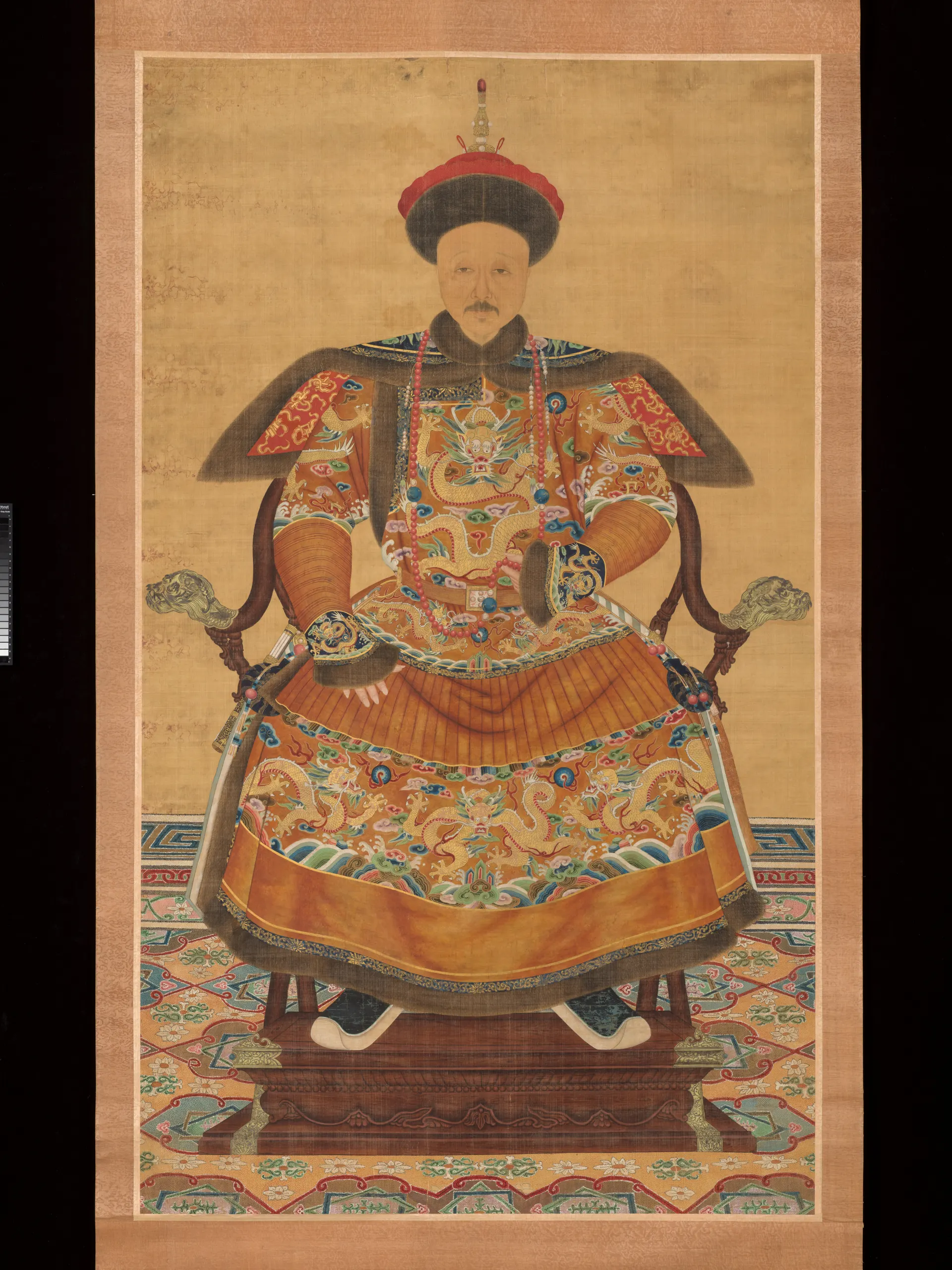
Emperor En'yū
 Japan
JapanAlso known as: En'yu, En'yuu, 円融天皇
Birthday
April 12, 958
Birth Sign
Capricorn
Birthplace
Kyoto, Japan
Age
Died at 32
About
Emperor En'yū (円融天皇) was the 64th Emperor of Japan, reigning from 969 until his abdication in 984. Born Prince Morihira, he ascended the Chrysanthemum Throne at the age of eleven during the height of the Heian period. His rule occurred while the Fujiwara clan held absolute power through the regent system, making him largely a ceremonial figurehead. After stepping down to become a Buddhist monk, he lived out his remaining years in religious observance before passing away in 991.
His reign is remembered for the stability it provided to the imperial institution despite the overwhelming political influence of his maternal grandfather, Fujiwara no Morosuke, and his uncle, Fujiwara no Kaneie. En'yū did not leave behind major literary works or dramatic political victories, but his tenure marked a crucial period where the court culture flourished in ritual refinement. He is a key figure in the Nihon Sandai Jitsuroku and other historical records that established the legitimacy of the Fujiwara regency.
Early Life & Background
Prince Morihira entered the world on April 12, 958, within the confines of the imperial palace complex in Kyoto. As the third son of Emperor Murakami and Fujiwara no Anshi, his path was predetermined by birthright rather than personal ambition. His father, Emperor Murakami, had struggled against the encroaching power of the Fujiwara clan, but upon Murakami's death in 967, the court was firmly under Fujiwara control. Morihira grew up in an environment where the Emperor was largely a ceremonial figurehead while the Fujiwara Regents held actual political power.
His education focused on the Confucian classics, Buddhist scriptures, and the aesthetic arts valued by the Heian court, such as poetry and calligraphy. However, there were no "steps toward fame" in the modern sense; his ascent was automatic upon the abdication of his older brother, Emperor Reizei, in 969 due to illness and political pressure. The pivotal moment for him was not a personal achievement but a dynastic necessity: ascending the throne at the age of eleven. This transition solidified the Fujiwara hold on the throne, as his mother was the daughter of the powerful Fujiwara no Morosuke.
Career Growth
Emperor En'yū ascended the Chrysanthemum Throne on November 17, 969, following the abdication of Emperor Reizei. His accession marked the beginning of a reign characterized by the zenith of Fujiwara influence. During the 970s, his uncle Fujiwara no Kaneie served as Kampaku, and the court culture flourished with a focus on ritual refinement and the development of kana script literature. Although En'yū himself is not noted for major literary works compared to his predecessors, his reign oversaw a period of relative stability and cultural flourishing.
In July 984, facing health issues and perhaps the weight of the Fujiwara's overwhelming influence, En'yū abdicated in favor of his son, Prince Atsumi, who became Emperor Kazan. This marked the beginning of a trend where emperors would abdicate young to take Buddhist vows. Following his abdication, En'yū took the tonsure and adopted the name En'yū Daibosatsu. He lived out his remaining years in retirement, focusing on religious observance rather than politics until his death in 991.
Career Timeline
Public Image & Style
Historians portray Emperor En'yū as a passive ruler who navigated the treacherous waters of the Fujiwara regency without significant conflict. His image is one of quiet dignity and adherence to court protocol rather than bold leadership. He is depicted in traditional imperial robes in historical illustrations, though no contemporary portraits survive. His public persona reflects the reality of the Heian period, where the emperor was a spiritual symbol while the Fujiwara regents managed state affairs.
Fame & Fandom (iFAMOUS Rankings)
Emperor En'yū's story is one of a ruler who lived, reigned, and faded into the quiet corridors of history, yet his name still echoes in the annals of Japan's imperial line. A thousand years after his death, he draws no crowds, no hashtags, no birthday billboards. His fanbase, if it can be called that, consists of historians, students of Heian-era politics, and the occasional curious reader stumbling upon his Wikipedia entry. There is no formal fandom name, no organized community, no fan projects. The only tribute to his memory is the quiet respect of those who study the intricate dance of power between the throne and the Fujiwara regents.
In the eyes of iFANN's Global Fame Engine, Emperor En'yū has been evaluated but remains unranked, he does not currently hold a placement in the published rankings, whether global or scope-specific. This is not a slight; it is simply the reality of a figure whose influence was political and dynastic, not cultural or viral. His reign, from 969 to 984, was a chapter in the long story of Japan's classical era, marked by the steady hand of the Fujiwara clan. He was a grandson of Fujiwara no Morosuke, a man whose legacy loomed large over the court.
While he may not headline the charts of fame, his place in history is secure. For those who care about the intricate weave of imperial succession, Emperor En'yū remains a name worth knowing, a reminder that fame, in its truest sense, is not always measured in rankings.
Interesting Facts and Legends
Emperor En'yū is frequently confused with Emperor Go-En'yū, who ruled during the Northern Court period between 1359 and 1393. The similarity in names often leads to errors in historical texts, yet they are separated by nearly four hundred years. Another notable fact is his unusually young age when he ascended the throne; he was only eleven years old in 969. He also abdicated relatively young at twenty-six, spending the last seven years of his life as a monk.
The Fujiwara clan dominated his entire reign, particularly his maternal grandfather Fujiwara no Morosuke and his uncle Fujiwara no Kaneie. En'yū's reign is often cited as the peak of Fujiwara no Kaneie's influence, as the Emperor was essentially a figurehead. Unlike some later emperors, he is not associated with divine interventions or dramatic heroic exploits. His story is one of bureaucratic and dynastic continuity.
Family & Personal Life
He was born to Emperor Murakami and Fujiwara no Anshi, the daughter of the powerful regent Fujiwara no Morosuke. His family connections were deeply intertwined with the Fujiwara clan, which controlled the imperial court. He had an older brother, Emperor Reizei, who preceded him on the throne. His children included Emperor Kazan, who succeeded him, and Princess Teishi, who married Emperor Ichijō. Several other daughters were married off to other Fujiwara members to cement alliances.
Notable Connections
Relationships & Dating History
As a historical figure from the 10th century, Emperor En'yū did not have "dating history" in the modern sense of romantic relationships, public breakups, or celebrity engagements. His unions were political marriages arranged by the Fujiwara clan. His documented consorts included Fujiwara no Koshi, daughter of Fujiwara no Tadahira, who gave birth to Emperor Kazan. Other prominent consorts were Fujiwara no Junshi and Fujiwara no Senshi. These women were brought into the imperial harem to strengthen the bond between the Emperor and the Fujiwara regents. There were no public statements regarding these unions, nor any breakups. The relationships ended only with death or the changing of political tides. En'yū died in 991, leaving his status as Widowed at the time of his passing.
- MarriedFujiwara no Koshi969 - 991Mother of Emperor Kazan
- MarriedFujiwara no Junshi969 - 991Prominent consort
- MarriedFujiwara no Senshi969 - 991Key consort
Death & Aftermath
Died
March 1, 991 (aged 32)
Death Place
En'yū-ji Temple
Cause of Death
Natural causes
Emperor En'yū passed away on March 1, 991, at the age of thirty-two, seven years after he had abdicated the throne to take Buddhist vows. The historical record does not specify a medical cause for his death, as modern forensic methods and official coroner rulings were absent from the Heian period. His passing followed a quiet retirement where he lived as a monk under the name En'yū Daibosatsu. The imperial court observed traditional rites for the 64th sovereign, marking the end of a reign that had seen the Fujiwara clan tighten its grip on Kyoto. There are no detailed accounts of his final days or specific funeral rites in surviving popular texts, as the record-keeping of the Heian court focused more on the living rulers and the regents. His legacy is preserved in the traditional order of succession, where he holds a place among the early emperors of Japan's classical era.
Net Worth (Estate Value)
$0
iFANN Editorial Team estimate
Net worth is not applicable to historical figures from the 10th century. However, his economic power was derived from Imperial Estates (Shōen), control over vast tracts of land granted to the imperial family, and taxation rights. Authority to collect taxes from these estates existed, though much of the revenue was diverted to the Fujiwara regents. He also owned precious treasures including imperial regalia and gold and silver reserves held by the court.
Awards & Accolades
View 2 records, honours and achievementsKnown For
Emperor of Japan
969 · 64th Emperor
Keywords
Sources
Quick Facts
- Profession
- Ruler
- Born
- April 12, 958
- Birthplace
- Kyoto, Japan
- Died
- March 1, 991
- Death Place
- En'yū-ji Temple
- Gender
- Male
- Spouse
- Fujiwara no Koshi, Fujiwara no Junshi, Fujiwara no Senshi
- Birth Sign
- Capricorn
Personal Details
- Full Name
- Prince Morihira
- Spouse
- Fujiwara no Koshi, Fujiwara no Junshi, Fujiwara no Senshi, Sonshi-naishinnō, Chujo-Miyasudokoro
- Children
- Emperor Kazan, Princess Teishi
- Education
- Confucian classics, Buddhist scriptures, waka poetry, calligraphy
Frequently Asked Questions
Who was Emperor En'yū?
When did Emperor En'yū die?
What was Emperor En'yū's birth name?
Is Emperor En'yū related to Emperor Go-En'yū?
Did Emperor En'yū have children?
Similar People
Join the community
fans discussing