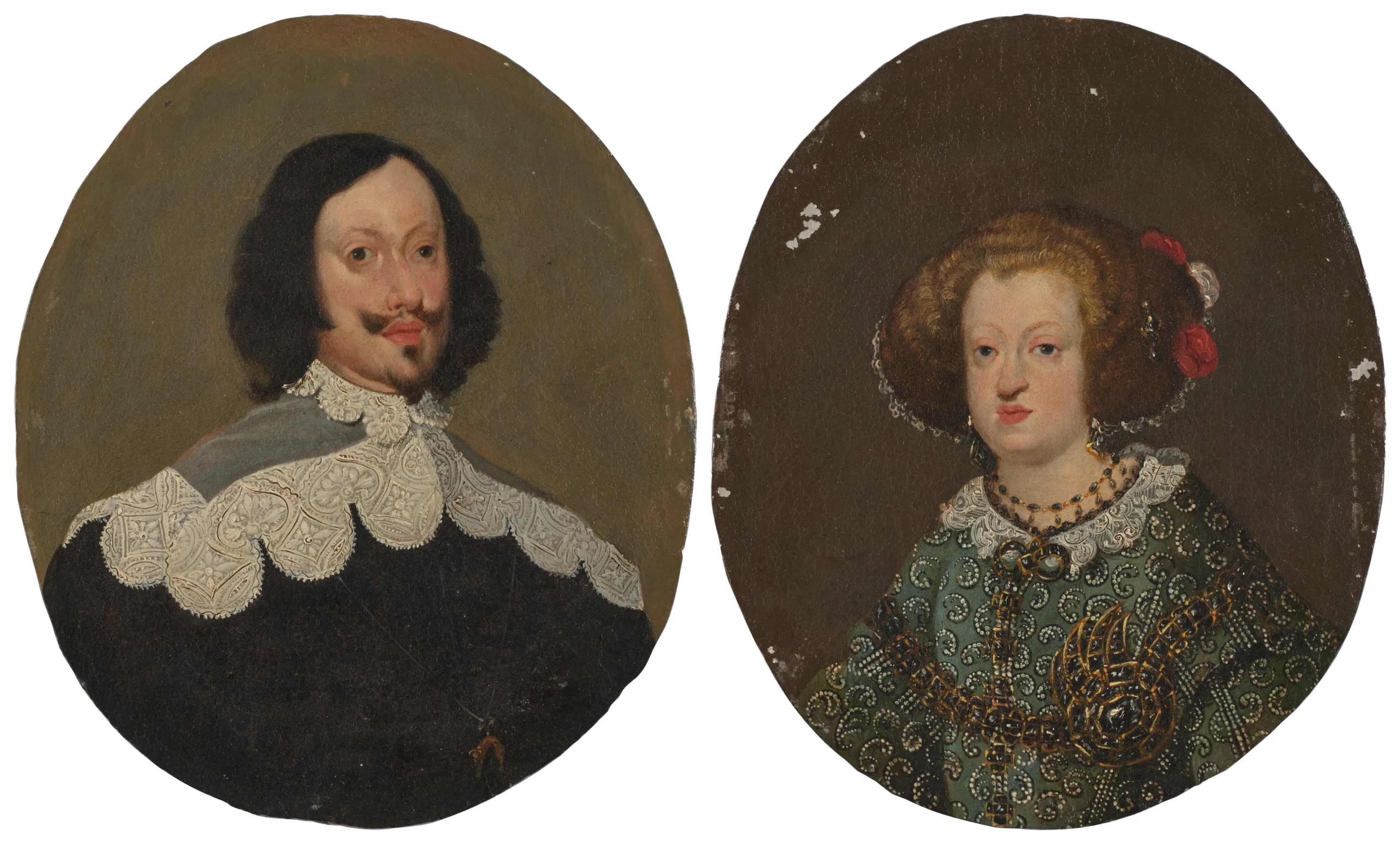
Emperor Antoku
 Japan
JapanAlso known as: Antoku-tennō, 安徳天皇
Birthday
December 22, 1178
Birth Sign
Sagittarius
Birthplace
Kyoto, Japan
Age
Died at 6
About
Emperor Antoku was the 81st emperor of Japan, reigning briefly from 1180 until his death in 1185. Born into the volatile political climate of the late Heian period, he ascended to the throne at just two years old while his grandfather, the warlord Taira no Kiyomori, controlled the court. His reign was defined less by governance and more by the desperate flight of the Taira clan from Kyoto to western Japan as they fought the rising Minamoto forces in the Genpei War.
His life ended in tragedy at the age of six during the Battle of Dan-no-ura. Facing capture by the enemy, his grandmother, Empress Dowager Taira no Tokiko, chose to drown him rather than let the sacred Imperial Regalia fall into enemy hands. This event marked the definitive end of the Heian period and paved the way for the Kamakura shogunate. Today, he is remembered not for political achievements but as a tragic symbol of the era's brutality and the impermanence of power.
Early Life & Background
Antoku was born on December 22, 1178, in Kyoto, the capital of the Heian period, during a time when the imperial court was deeply divided between the aristocratic Fujiwara regents and the emerging military clans. His father was Emperor Takakura, and his mother was Tokuko, the daughter of Taira no Kiyomori, the most powerful man in Japan at the time. This lineage placed the infant Antoku at the center of a struggle for dominance that would soon tear the country apart.
Upon the abdication of Emperor Takakura in 1180, the two-year-old Antoku was elevated to the throne. However, he possessed no real authority. The actual power rested with his grandfather, Taira no Kiyomori, who used the boy emperor's presence to legitimize the Taira clan's military control over the government. Antoku's early education followed the strict protocols of the imperial court, focusing on Shinto rituals, classical poetry, and calligraphy, yet these scholarly pursuits were constantly overshadowed by the looming threat of civil war.
As the conflict with the Minamoto clan intensified, the Taira court was forced to abandon Kyoto in 1183. The young emperor and the imperial regalia were moved westward to the stronghold of the Taira family in Settsu Province. By 1184, the court had retreated further to Yashima on the island of Shikoku. During these years, Antoku lived under heavy guard, his childhood consumed by the exigencies of a desperate military evacuation. He remained a puppet figurehead, his existence dictated entirely by the survival needs of his grandfather and mother until the final confrontation at the sea.
Career Growth
Emperor Antoku's reign began in 1180 at the age of two, marking the start of the Genpei War. His position was purely ceremonial, serving as a figurehead for the Taira clan's claim to power. In 1183, following the fall of Kyoto to Minamoto forces, the Taira clan fled with the young emperor to Settsu Province, initiating a long retreat across western Japan.
By 1184, the Taira court had established a temporary base at Yashima on the island of Shikoku. Here, Antoku resided under heavy guard while his family attempted to regroup their forces. The situation deteriorated rapidly as the Minamoto fleet, led by Minamoto no Yoshitsune, pursued them relentlessly. The Taira leadership realized that capture was inevitable and that the sacred Imperial Regalia must not fall into enemy hands.
The climax of this brief reign occurred on April 25, 1185, during the naval Battle of Dan-no-ura off the coast of Shimonoseki. Facing total defeat, Empress Mother Taira no Tokiko placed the six-year-old emperor into a box containing the jewels and cast him into the sea. This act ended his life and his reign simultaneously, marking the collapse of the Taira clan and the end of the Heian period. The victory allowed the Minamoto clan to establish the Kamakura shogunate, shifting Japan's power structure from the aristocratic court to military rule.
Career Timeline
Public Image & Style
Historical depictions of Emperor Antoku consistently portray him as a small, vulnerable child caught in the machinations of adult warfare. Artistic representations often show him being held by his grandmother or floating in the water, emphasizing his innocence and the tragedy of his fate. He is universally regarded not as a ruler but as a victim of the Genpei War, a symbol of the fragile nature of imperial power when faced with military might. His image in literature and theater is one of sorrow and sacrifice.
Fame & Fandom (iFAMOUS Rankings)
Emperor Antoku holds the 7th most famous person in J-Drama according to the September 2026 iFANN Global Fame Rankings. While his fame is rooted in history rather than modern celebrity metrics, this ranking reflects his enduring presence in Japanese drama and cultural storytelling. The Global Fame Engine tracks his relevance through media coverage, literary references, and academic interest, placing him significantly within the scope of Japanese historical figures.
There is no formal fandom name associated with Antoku, nor are there organized fan clubs or social media campaigns dedicated to him. His audience consists of historians, students of Japanese literature, and enthusiasts of adaptations like the 2008 anime The Tale of the Heike. His 'fans' are pilgrims who visit the Akama Shrine in Shimonoseki to pay respects. His renown stems from the tragic narrative of his life and death, which serves as a cornerstone of Japanese cultural memory and a subject of continuous study.
Interesting Facts and Legends
Emperor Antoku holds the distinction of being the only Japanese emperor recorded to have died in battle. He ascended to the throne at the age of two, making him one of the youngest emperors in Japanese history. His body was never recovered from the turbulent waters of the Inland Sea, leading to the creation of multiple memorial sites and tombs across western Japan, including on the island of Iōjima.
A unique legend surrounds the Heike crab, whose shell markings resemble a samurai face. Folklore suggests these crabs are the reincarnated spirits of the Taira warriors who died protecting the emperor. This concept was popularized in the West by Carl Sagan in his series Cosmos. Additionally, the loss of the sacred sword Kusanagi during the battle remains a legendary event, as it was never recovered, unlike the mirror and jewel which were found by the Minamoto.
Notable Quotes
“Let us go together to the Dragon King's palace.”
Family & Personal Life
Antoku was the son of Emperor Takakura and Taira no Tokuko (later known as Taira no Tokiko). His maternal grandfather was Taira no Kiyomori, the powerful warlord who effectively ruled Japan during Antoku's early reign. The relationship between the young emperor and his mother was central to his life; she acted as his guardian and protector until her own death in the Battle of Dan-no-ura. There are no records of siblings, spouses, or children, as his entire existence was consumed by the political and military struggles of the Taira clan. His household consisted primarily of court ladies and guards loyal to his mother's family.
Notable Connections
Taira no Kiyomori, Taira no Tokiko, Minamoto no Yoshitsune, Minamoto no Yoritomo, The Tale of the Heike
Relationships & Dating History
Emperor Antoku had no romantic relationships, engagements, or marriages. He died at the age of six, too young to form personal bonds outside of his immediate family. His relationships were strictly familial and political, dominated by his mother, Taira no Tokiko, and his grandfather, Taira no Kiyomori. His mother served as his guardian and protector until both of them perished in the Battle of Dan-no-ura in 1185. There are no records of dating history or partners, as his entire existence was consumed by the exigencies of war and his status as a political pawn.
Death & Aftermath
Died
April 25, 1185 (aged 6)
Death Place
Shimonoseki, Yamaguchi Prefecture, Japan
Cause of Death
Drowning
The final chapter for the child emperor unfolded during the naval Battle of Dan-no-ura, where the Taira forces faced annihilation in the waters off Shimonoseki. As Minamoto troops closed in and defeat became inevitable, Empress Mother Taira no Tokuko and other court women made the decision to place him into a sacred box containing the Imperial Regalia and cast him into the sea. On April 25, 1185, the six-year-old ruler drowned as the Heike clan met its end. This account relies entirely on historical chronicles like The Tale of the Heike, compiled over centuries following the events, since modern forensic methods did not exist in twelfth-century Japan.
While some later artistic interpretations have explored legends of survival or voluntary sacrifice, the established consensus remains that he drowned during the chaos of total military defeat. Public reaction centered on deep mourning among loyalists and the general populace, who viewed the loss of a child emperor as a profound tragedy symbolizing the transience of life. Because his body was never recovered from the Inland Sea near Sanuki, traditional burial could not take place immediately. Instead, memorial services were held at various temples, with Anraku-ji Temple in Kanagawa Prefecture becoming a primary site of veneration alongside a shrine in the former province of Sanuki.
In the posthumous realm, Antoku has remained a central figure in Japanese culture through works like The Tale of the Heike and various anime adaptations. The Imperial Regalia he carried were eventually recovered by the Minamoto, restoring continuity to the Imperial line under Emperor Go-Toba. His story continues to be studied academically and honored within the Imperial Household Agency records.
Net Worth (Estate Value)
$0
iFANN Editorial Team estimate
As a historical figure from the 12th century, Emperor Antoku possesses no net worth, estate value, or financial assets. He did not accumulate wealth through salaries, investments, or business ventures. Any economic value associated with his name today is purely cultural, derived from tourism to shrines like Akama Shrine, sales of books about The Tale of the Heike, and merchandise related to historical dramas. These revenues do not constitute an estate managed by heirs but belong to the institutions and commercial entities that preserve his legacy.
Awards & Accolades
View 4 records, honours and achievementsKnown For
The Tale of the Heike
13th Century · Subject
Battle of Dan-no-ura
1185 · Victim
Keywords
Sources
Quick Facts
- Profession
- ruler
- Born
- December 22, 1178
- Birthplace
- Kyoto, Japan
- Died
- April 25, 1185
- Death Place
- Dan-no-ura, Shimonoseki
- Gender
- Male
- Birth Sign
- Sagittarius
Personal Details
- Full Name
- Antoku-tennō
- Children
- Education
- Standard imperial training in Shinto rituals, poetry, and calligraphy
Frequently Asked Questions
Who was Emperor Antoku?
How did Emperor Antoku die?
Where is Emperor Antoku buried?
What is the connection between Emperor Antoku and the Heike Crab?
Did Emperor Antoku survive the Battle of Dan-no-ura?
Similar People
Join the community
fans discussing