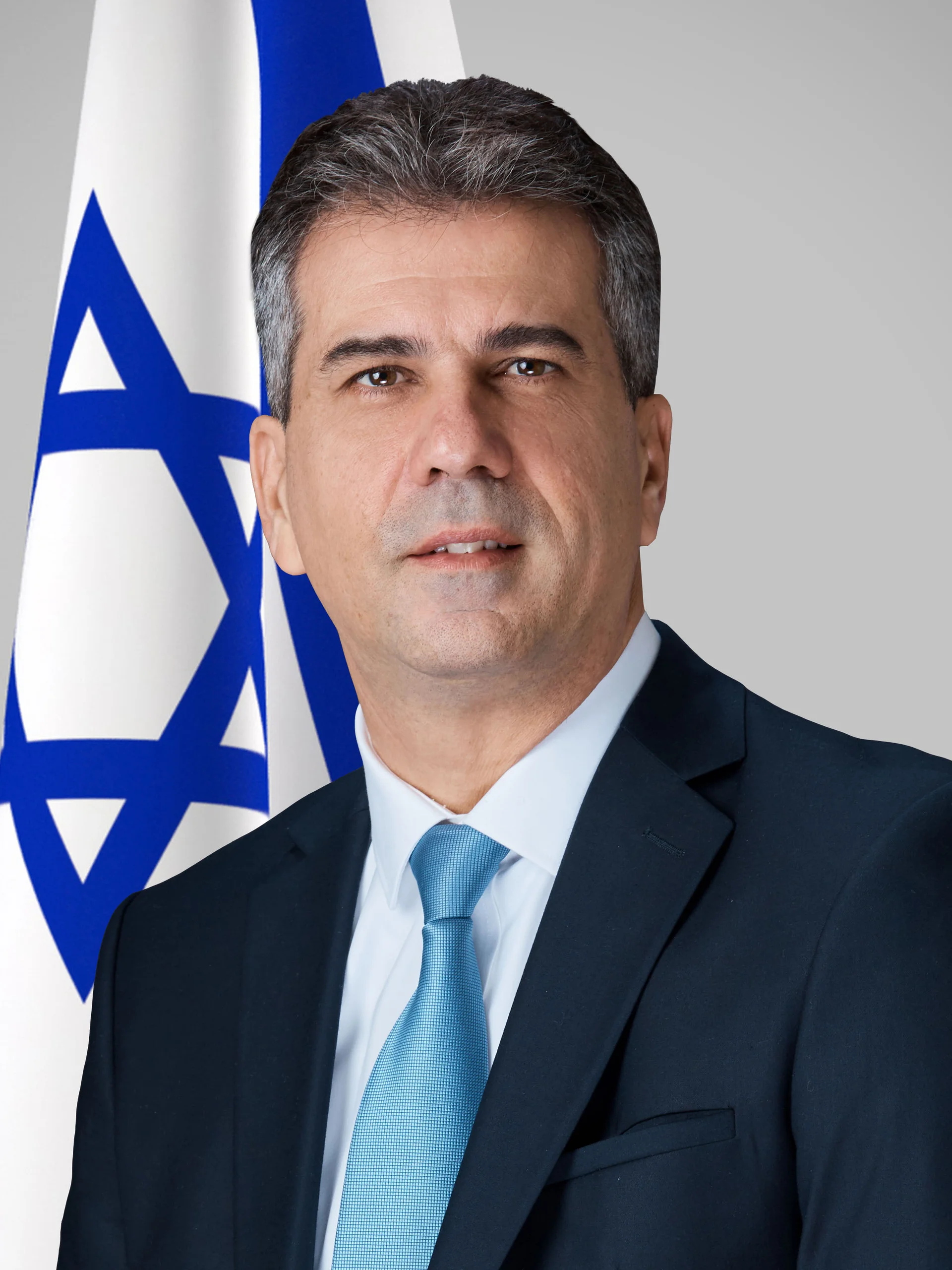
Eli Cohen
 Egypt
EgyptAlso known as: Kamel Amin Thaabet, Eliyahu Ben-Shaul Cohen
Birthday
December 26, 1924
Birth Sign
Capricorn
Birthplace
Alexandria, Egypt
Age
Died at 40
About
Eli Cohen was an Egyptian-born Israeli spy whose undercover work in Syria between 1961 and 1965 made him a legendary figure in Israeli intelligence. Posing as a wealthy Syrian businessman named Kamel Amin Thaabet, he penetrated the highest levels of Syrian government and military, befriending top officials and even being considered for the post of Deputy Minister of Defense. His intelligence reports on Golan Heights fortifications proved vital during the Six-Day War, and he is remembered as one of the most effective spies in modern history.
Cohen's life was cut short when he was captured in January 1965, tortured, and publicly hanged in Damascus's Marjeh Square on May 18, 1965. He never broke under interrogation, revealing nothing to his captors. In Israel, he is honored as a national hero, with streets, neighborhoods, and a museum dedicated to his memory. His story has been dramatized in films and the 2019 Netflix miniseries The Spy, starring Sacha Baron Cohen.
Early Life & Background
Born into a devout Jewish family in Alexandria, Egypt, Eli Cohen grew up in a community that balanced religious tradition with the broader Egyptian society. He attended Jewish schools and later studied at a technical institute in Cairo, where he developed the skills that would later serve him in his espionage career. As a young man, he became deeply involved in Zionist youth movements, which instilled in him a commitment to the future Jewish state.
After the establishment of Israel in 1948, Cohen emigrated there, leaving behind his family and the land of his birth. He initially worked as a translator, using his fluency in Arabic, French, and Hebrew. His Egyptian upbringing and natural charm caught the attention of Israeli intelligence, and he was recruited by Mossad. Recognizing his unique potential for deep-cover operations in the Arab world, his handlers trained him extensively, preparing him for the dangerous mission that would define his life.
Career Growth
In 1961, Cohen entered Syria under the alias Kamel Amin Thaabet, posing as a wealthy businessman who had returned to Damascus after years in Argentina. He quickly established himself in high society, hosting lavish parties for military officers and political figures, and gathering intelligence from their conversations. His charm and generosity won him extraordinary access, including close friendships with senior Syrian officials and even the head of military intelligence.
His most significant achievement came when he toured the Golan Heights fortifications and provided Israel with detailed intelligence on their positions. This information proved critical during the Six-Day War in 1967, helping Israel capture the territory. By 1964, Cohen sensed his cover was at risk, but he continued his work until his arrest in January 1965. Despite torture, he revealed nothing, and his execution on May 18, 1965, turned him into a martyr and a symbol of Israeli resilience. His legacy endures through memorials, the Eli Cohen Museum, and the 2019 Netflix miniseries The Spy.
Career Timeline
Public Image & Style
Cohen is remembered as a charismatic, impeccably dressed businessman who blended seamlessly into Damascus high society. His cover persona was wealthy, generous, and socially adept, allowing him to move freely among Syria's elite. In Israel, he is universally referred to as 'Israel's Greatest Spy' or 'The Unbelievable Spy,' a testament to his daring and sacrifice. Memorial ceremonies are held annually on the anniversary of his execution, and the Eli Cohen Museum serves as a pilgrimage site for those who admire his courage. His legacy is promoted by Israeli government channels, Jewish organizations, and educational platforms, ensuring that his story continues to inspire future generations.
Fame & Fandom
The enduring resonance of Eli Cohen extends far beyond the borders of his birth and service, securing a permanent place in global historical memory. Current assessments from the iFANN Global Fame Rankings indicate that he holds the position of the 60th most famous person in Israel, a standing that has remained steady through recent cycles. His origin story anchors him as the 17th most famous person from Egypt, while his impact on regional geopolitics secures his status as the 97th most famous person in the Middle East. These metrics reflect a broad engagement with his narrative across media coverage and consumption signals worldwide. Unlike modern entertainers, Cohen does not possess a formal fandom or organized fanbase with a specific name; reverence for his life is strictly commemorative and nationalistic rather than driven by celebrity culture. There are no fan clubs, birthday campaigns, or social media rituals dedicated to him, as the public attention he garners stems from state-sponsored memorials and educational institutions rather than organic pop-culture movements.
Interesting Facts and Legends
Eli Cohen's cover identity was so convincing that he was considered for the position of Deputy Minister of Defense of Syria, a fact that underscores the depth of his penetration. He used his business cover to host parties for Syrian officers, during which he reportedly gathered intelligence from their casual conversations. His intelligence on the Golan Heights was directly credited with helping Israel's victory in the 1967 Six-Day War. After his capture, he was tortured but never broke, revealing no information to his captors. His execution was held publicly in Marjeh Square, witnessed by thousands. Cohen's story inspired the 2019 Netflix miniseries The Spy, starring Sacha Baron Cohen. He was born in Egypt to a devout Jewish family and was active in Zionist youth movements before emigrating to Israel. A central pillar of his legend involves his rise to become third in line to the presidency of Syria under the alias Kamel Amin Thabet, a feat that allowed him to provide vital intelligence from within the highest echelons of the regime. Historical records confirm that after his true allegiance was uncovered, Cohen maintained his silence until his death, a refusal to break that serves as the primary emotional anchor of his legacy. Recent archival recoveries have validated the extent of his work, with Israeli authorities retrieving approximately 2,500 documents related to Cohen from Syrian archives, further cementing the verified nature of his espionage achievements.
Notable Quotes
“I did what I did for the sake of my country.”
“Even under torture, I will not betray my people.”
Family & Personal Life
Eli Cohen married Nadia Majald, an Iraqi-born Jewish woman who had emigrated to Israel. The couple had three children: Sophie, Irit, and Eli Jr. During his mission in Syria, Nadia remained in Israel, unaware of the full details of his work. After his execution, she became a lifelong advocate for the return of his remains to Israel, a cause that continues to this day. The family has managed his legacy, with the Eli Cohen Museum in Herzliya serving as a memorial to his life and work.
Notable Connections
Eli Cohen is closely associated with his widow Nadia Cohen, who has dedicated her life to seeking the return of his remains from Syria. Actor Sacha Baron Cohen portrayed him in the 2019 Netflix miniseries The Spy, bringing his story to a global audience. His Mossad handlers remain unnamed in public sources, but his work was directed by Israeli intelligence. Cohen's targets and captors included Syrian military and political figures, some of whom he had befriended during his mission.
Relationships & Dating History
Eli Cohen's personal life was largely private, and given his espionage career, there is limited public documentation of romantic relationships beyond his marriage. He married Nadia Majald, an Iraqi-born Jewish woman, in the late 1950s. The couple had three children: Sophie, Irit, and Eli Jr. During his mission in Syria, Nadia remained in Israel, unaware of the full details of his work. After his execution in 1965, Nadia became a lifelong advocate for the repatriation of his remains. As of 2026, Nadia is still alive and continues to honor his memory. No other credible romantic relationships are documented.
- MarriedNadia Cohen1959 - 1965Married in the late 1950s; had three children together. Nadia survived him and advocated for his legacy.
Death & Aftermath
Died
May 18, 1965 (aged 40)
Death Place
Damascus, Syria
Cause of Death
Execution by hanging
Public reaction to Eli Cohen's death was immediate and profound within Israel, where he became a national hero and symbol of sacrifice. Tributes poured in from government officials, military leaders, and the general public, with many viewing him as the architect of Israel's strategic advantage in the 1967 Six-Day War. Vigils and memorials were held across the country, and his story was incorporated into school curricula and national narratives. Over the decades, his legacy has been honored through numerous films, books, and documentaries, including the 2019 Israeli film "Cohen". Memorial murals and landmarks have been erected in Israel, including a statue in Tel Aviv and a street named after him in Jerusalem.
Eli Cohen was executed by hanging on May 18, 1965, at Al-Mazzeh prison in Damascus, Syria, following a conviction for espionage and treason by a military tribunal that sentenced him on May 8. His final days were spent in solitary confinement awaiting the sentence, with no public appearance prior to the execution; his last known communication with the outside world was via letters smuggled out of prison. The funeral took place in Jerusalem on May 24, 1965, attended by tens of thousands of mourners, including Prime Minister Levi Eshkol and Chief of Staff Yitzhak Rabin. The ceremony featured speeches honoring his bravery and contributions to Israel's security before his body was interred at the Mount Herzl Military Cemetery.
Posthumously, Cohen received honors including the Israel Prize for Special Contribution to Society and the State, while a foundation and scholarship program were established in his name to support young Israelis interested in intelligence and national security. Statements by his family, particularly his son Amiram Cohen, emphasized the importance of remembering his sacrifice and the value of his contributions to Israel's survival.
Net Worth (Estate Value)
$1 Million
iFANN Editorial Team estimate
Eli Cohen was a government-employed intelligence officer, not a private wealth accumulator, so his personal net worth at the time of his death was negligible. His estate's value is symbolic and cultural rather than monetary. The estate benefits indirectly from ongoing cultural productions, including the Netflix series The Spy and documentaries, but no public figures are available for licensing or royalty income. The Cohen family, led by widow Nadia Cohen, manages his legacy, and the Eli Cohen Museum in Herzliya operates as a memorial institution. Per iFANN's editorial analysis, the financial value of his estate as of 2026 is estimated at around $1 Million, reflecting the cultural and historical significance of his story.
Awards & Accolades
View 4 records, honours and achievementsKnown For
Espionage in Syria
1961 · Undercover agent
The Spy (Netflix)
2019 · Subject of miniseries
Keywords
Sources
Quick Facts
- Profession
- spy, translator, military personnel
- Born
- December 26, 1924
- Birthplace
- Alexandria, Egypt
- Died
- May 18, 1965
- Death Place
- Marjeh Square, Damascus
- Gender
- Male
- Spouse
- Nadia Cohen
- Children
- Sophie, Irit, Eli Jr.
- Nationality
- Israeli
Personal Details
- Full Name
- Eliyahu Ben-Shaul Cohen
- Spouse
- Nadia Cohen
- Children
- Sophie, Irit, Eli Jr.
- Education
- Jewish schools in Alexandria; technical institute in Cairo
Frequently Asked Questions
Who was Eli Cohen?
How did Eli Cohen get caught?
Did Eli Cohen have children?
What happened to Eli Cohen's body?
Is Eli Cohen's story on Netflix?
Similar People
Join the community
fans discussing