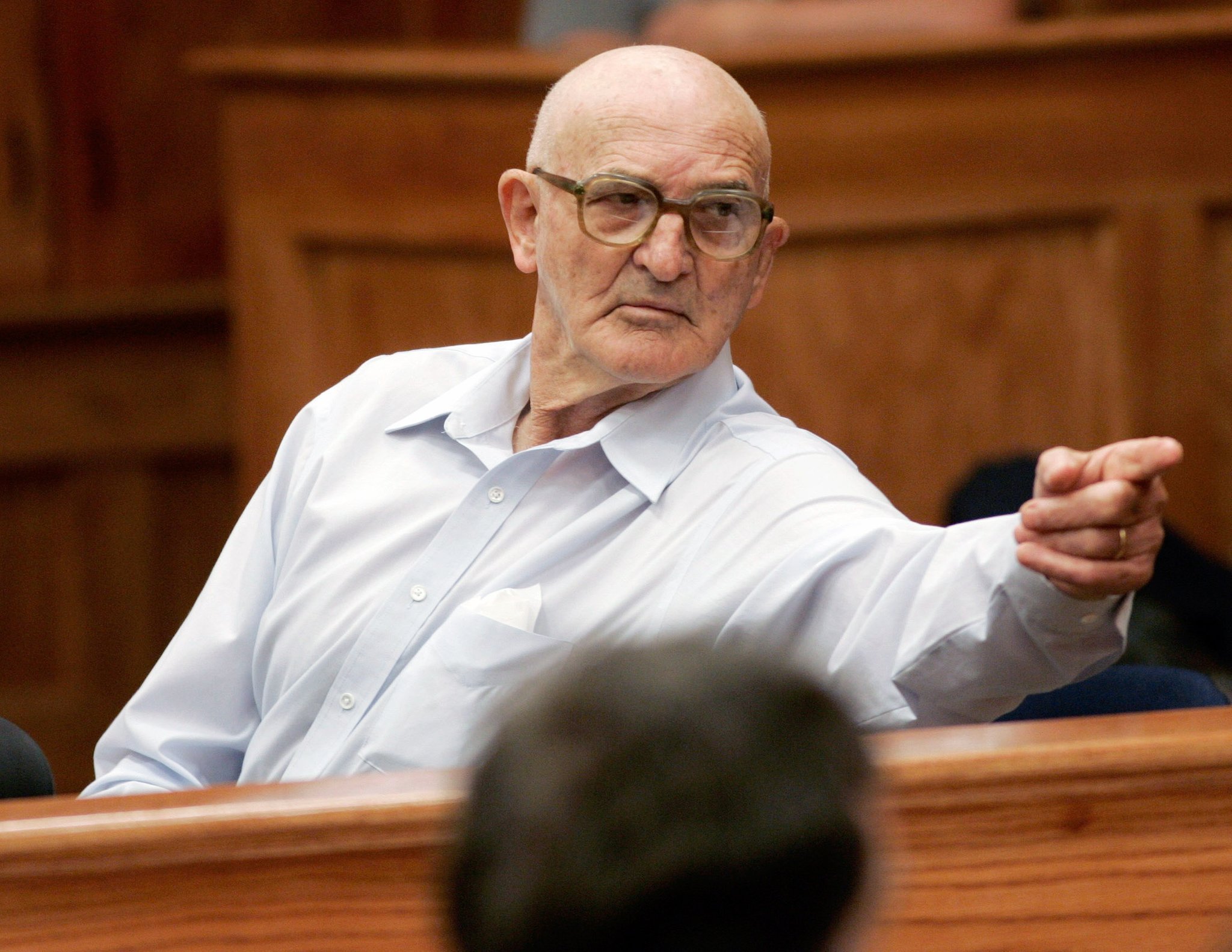
Edgar Ray Killen
 United States
Ku Klux Klan organizer•Baptist pastor•sawmill operator
Birthday
January 10, 1925
Birth Sign
Capricorn
Birthplace
Philadelphia, Mississippi, USA
Age
Died at 93
About
Edgar Ray Killen was an American Ku Klux Klan organizer, Baptist pastor, and sawmill operator who masterminded the 1964 murders of three civil rights workers in Neshoba County, Mississippi. He was born on January 10, 1925, in Philadelphia, Mississippi, and lived his entire life in that county until his imprisonment. Killen's name became synonymous with the Freedom Summer killings of James Chaney, Andrew Goodman, and Michael Schwerner, a crime that galvanized the civil rights movement and led to the landmark FBI investigation known as Mississippi Burning. For decades, Killen evaded justice, but in 2005, at age 80, he was convicted of manslaughter and sentenced to 60 years in prison. He died behind bars on January 11, 2018, one day before his 93rd birthday, having never expressed remorse. His conviction, though long delayed, brought a measure of accountability to a case that haunted the nation for over forty years.
Early Life & Background
Edgar Ray Killen was born on January 10, 1925, in Philadelphia, Mississippi, the seat of Neshoba County. He grew up in a deeply segregated society where white supremacy was the norm. By the 1960s, Killen was an ordained Baptist minister and worked as a sawmill operator, a common trade in the timber-rich region. He was known locally as a part-time preacher, using his pulpit to spread racist ideology and recruit for the Ku Klux Klan. Killen served as the Klan's recruitment officer in Neshoba County, organizing meetings and identifying targets for intimidation. His deep roots in the community gave him a network of informants and allies who shared his segregationist views. In 1964, when civil rights organizations launched the Freedom Summer campaign to register Black voters, Killen saw it as a threat to the Southern way of life. He began planning a violent response, using his position as a community leader to orchestrate the ambush that would become his defining crime.
Career Growth
Killen's notoriety began on June 21, 1964, when he orchestrated the abduction and murder of James Chaney, Andrew Goodman, and Michael Schwerner. The three activists had been investigating a church burning near Philadelphia, Mississippi, when they were pulled over by police and handed over to Klansmen. Killen had planned the ambush, directing the group that carried out the killings. The FBI's investigation, codenamed Mississippi Burning, uncovered the conspiracy and charged Killen and 18 others with violating the victims' civil rights. In 1967, a federal trial ended with a deadlocked jury, and Killen walked free. The case went cold until 2005, when journalist Jerry Mitchell and others unearthed new evidence. On June 21, 2005, exactly 41 years after the murders, a Mississippi jury convicted Killen on three counts of manslaughter. He was sentenced to 60 years in prison, the maximum allowed. His conviction was seen as a long-awaited victory for civil rights advocates, though Killen himself remained defiant, never admitting guilt or showing remorse.
Career Timeline
Public Image & Style
Edgar Ray Killen's public image is that of an unrepentant white supremacist and convicted murderer. He has no fandom or positive recognition. The Southern Poverty Law Center documented his final days, noting he remained defiantly racist until the end. Killen was described as arrogant, confident that his neighbors would never convict him. He showed no remorse, even in his final years. His name is synonymous with the brutality of the civil rights era, and he is remembered as a symbol of the hate that the movement fought against. There is no signature style or cultural following; his legacy is one of infamy.
Fame & Fandom
Edgar Ray Killen has no fandom in any meaningful sense. No organized fanbase, no fan name, no fan projects, no rituals, no inside jokes. The only people who have engaged with his legacy are historians, journalists, and civil rights advocates, all of whom have worked to document and oppose his actions. The Southern Poverty Law Center, which tracked his prison years, described him as a 'defiant racist' who remained unrepentant until his death. There is no community of admirers, no tribute accounts, no commemorative events in his honor. His name is invoked exclusively as a cautionary symbol of racial violence and injustice.
As of August 2026, iFANN's Global Fame Engine has evaluated Edgar Ray Killen, but he does not currently hold a placement in the published rankings, whether the Global Top 1,000 or any Top-100 scope list. His notability is historical and criminal rather than contemporary fame; he is not ranked among the most famous people globally or in any specific category. iFANN's assessment reflects that his public recognition is tied to a notorious crime, not to any ongoing cultural presence or celebrated achievements.
There are no legends or iconic moments in the popular cultural sense. The 'iconic' events of his life are all documented legal and historical facts: the 1964 murders of James Chaney, Andrew Goodman, and Michael Schwerner; the 1967 federal trial that deadlocked on him; the 2005 conviction on the exact anniversary of the killings; and his death in prison in 2018. The 1988 film Mississippi Burning dramatized the case and helped renew public interest, but it is a film about the events, not a celebration of Killen. None of these have been mythologized into folklore; they remain stark historical records. Killen's legacy is a negative one, a reminder of the brutality of the civil rights era, and he is remembered not as a figure of legend but as a perpetrator of injustice.
Interesting Facts and Legends
Killen was known for his ornery demeanor and scarred, rough hands from decades of sawmill work. He received 17 disciplinary write-ups while in prison from 2009 until his death. In a 2014 interview, he refused to confess, saying he would not discuss the murders. Killen was the only person convicted in the case, despite 19 being indicted. He died one day before his 93rd birthday. Killen's conviction in 2005 came on the exact anniversary of the murders. He was a Baptist preacher, a position he used to spread racist views. Killen never expressed regret, and the Southern Poverty Law Center described him as a 'defiant racist in prison until the end.'
One of the most retold stories from his life is his role in the 1964 murders: as a Ku Klux Klan 'kleagle' (organizer) and ordained minister, he planned and directed the killings of three civil rights workers, a crime that galvanized the civil rights movement. Another widely cited moment is his 2005 trial, when a jury of nine whites and three blacks convicted him of manslaughter after 41 years of impunity. His death in prison in 2018, at age 92, marked the end of a life that had become synonymous with racial violence. These events are not legends but documented history, yet they are the stories that continue to be told about him.
Family & Personal Life
Public records offer little detail about Killen's family life. He was known to be a Baptist preacher and sawmill operator, but no information about his parents, siblings, or children appears in the available sources. He was married at some point, though no spouse is mentioned at the time of his death. Killen lived in Neshoba County his entire life, deeply embedded in the local community. His family life remained private, overshadowed by his criminal activities. He died in prison, with no reports of family visits or statements.
Notable Connections
Killen is associated with the three civil rights workers he murdered: James Chaney, Andrew Goodman, and Michael Schwerner. His case is also linked to the FBI investigators who pursued him and to the 1989 film 'Mississippi Burning' starring Gene Hackman, which brought renewed attention to the crimes. The Andrew Goodman Foundation issued a statement upon his death, acknowledging his role in orchestrating Goodman's murder.
Relationships & Dating History
There is no public record of Killen's romantic relationships or marriages. He was known to be a Baptist preacher and sawmill operator, but his personal life was not documented. He died in prison custody, with no spouse or partner reported at the time of his death. No children are mentioned in any sources. His relationships remain a private matter, overshadowed by his criminal history.
Death & Aftermath
Died
January 11, 2018 (aged 93)
Death Place
Sunflower County, Mississippi, USA
Cause of Death
Natural causes
Edgar Ray Killen remained in custody at the Mississippi State Penitentiary, also known as Parchman Farm, during his final days while serving a sixty-year sentence for manslaughter. He passed away on January 11, 2018, at 9:00 p.m. at the age of ninety-two, with the Mississippi Department of Corrections stating he died of natural causes. Killen received seventeen disciplinary write-ups from 2009 until his death, reflecting his continued hostility toward correctional staff and refusal to express remorse regarding his role in the civil rights era murders.
Public reaction to Killen's death was characterized by condemnation from civil rights advocates and relief among those who had sought justice for the 1964 murders. Andrew Goodman's brother, David Goodman, issued a statement noting Killen's death in a Mississippi state prison, emphasizing the end of a long struggle for accountability. The NAACP and other civil rights organizations viewed his death as the conclusion of a chapter of racial terror. Moments of silence or reflections were held by civil rights historians and survivors to mark the passing of the man responsible for the "Mississippi Burning" case, often highlighting the significance of his eventual conviction decades later.
Killen's funeral or memorial service was private, with no public ceremony or widely reported burial location. Instead, his name continues to be cited in historical accounts, documentaries, and academic studies regarding the Civil Rights Movement and the failure of the justice system to prosecute racial violence in the 1960s.
Net Worth (Estate Value)
$1 Million
iFANN Editorial Team estimate
Edgar Ray Killen was a sawmill operator and part-time preacher before his imprisonment, with minimal assets. After his conviction, he had no income. He died in prison in 2018, and there is no public record of any estate or ongoing revenue from his name or likeness. iFANN currently estimates his net worth at $1 million, but this figure is purely speculative given the lack of financial records. His financial legacy is negligible.
Awards & Accolades
Known For
Murders of Chaney, Goodman, and Schwerner
1964 · Mastermind
Keywords
Sources
Quick Facts
- Profession
- Ku Klux Klan organizer, Baptist pastor, sawmill operator
- Born
- January 10, 1925
- Birthplace
- Philadelphia, Mississippi, USA
- Died
- January 11, 2018
- Death Place
- Mississippi State Penitentiary
- Gender
- Male
- Birth Sign
- Capricorn
Personal Details
- Full Name
- Edgar Ray Killen
Frequently Asked Questions
How did Edgar Ray Killen die?
Why was Edgar Ray Killen convicted in 2005?
Did Edgar Ray Killen ever confess?
How old was Edgar Ray Killen when he died?
What happened in the 1967 federal trial against Killen?
Join the community
fans discussing