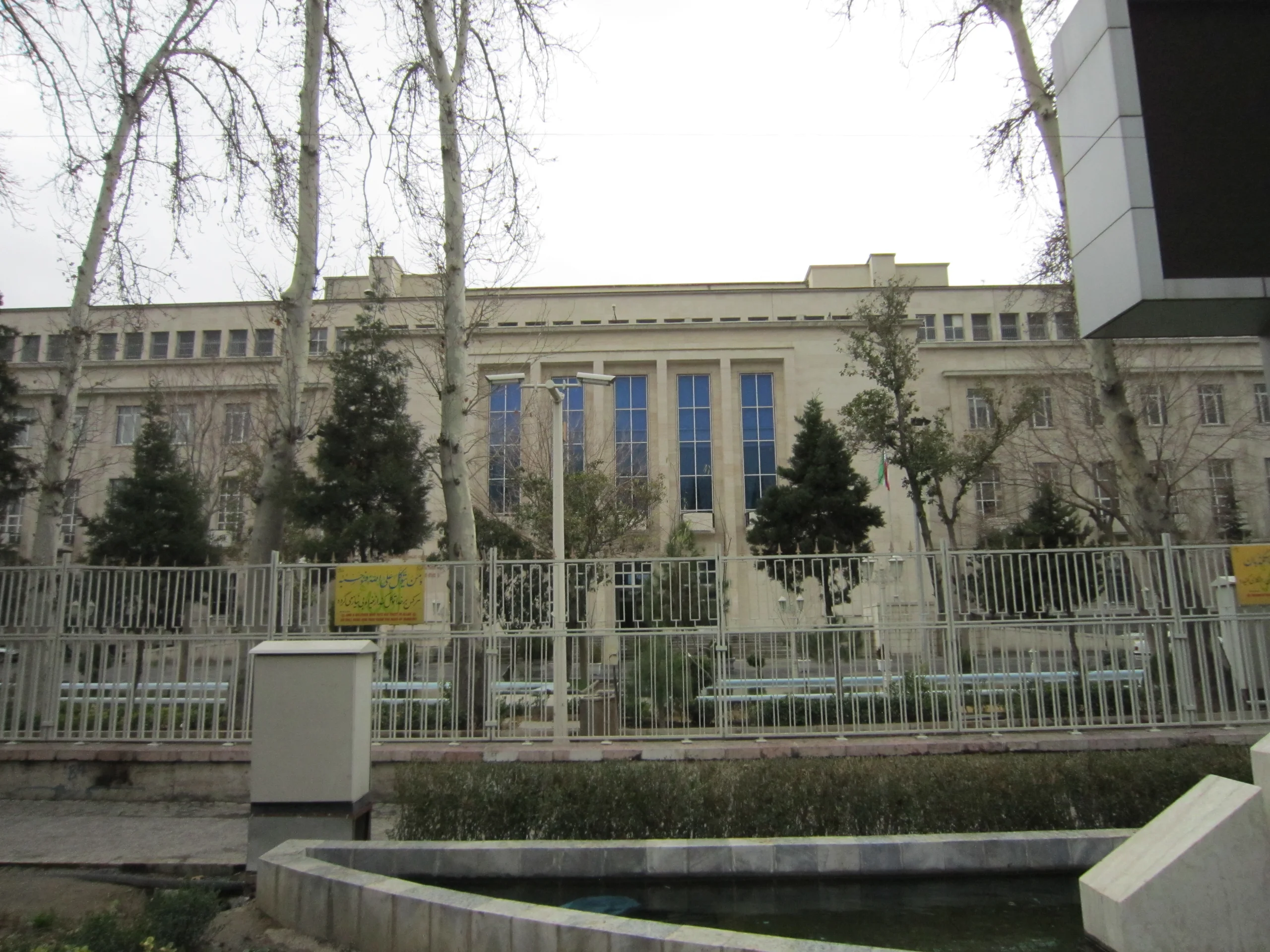
economic affairs ministry
"Central government body for national financial strategy and industrial policy"
About
The term economic affairs ministry describes a functional classification for government departments found in numerous sovereign states rather than a single monolithic entity. These bodies serve as the central engines of national financial strategy, often wielding influence that extends beyond simple trade regulations to encompass labor markets, transportation infrastructure, applied research, and industrial policy. While specific names vary by jurisdiction, such as the Federal Ministry for Economic Affairs and Energy in Germany or the Ministry of Economic Affairs in Taiwan, their core mandate remains consistent: to formulate and implement policies that drive economic growth, stability, and competitiveness.
Governments frequently bundle responsibilities for energy transition, semiconductor development, and employment under this single roof. This concentration of power earns these departments a reputation as super-ministries because their decisions ripple through daily life, influencing everything from the price of fuel and food to the availability of jobs and the cost of housing. In some nations like India, the Department of Economic Affairs operates as a subordinate department under the larger Ministry of Finance, whereas in others like Taiwan, Germany, and Bhutan, it functions as a standalone ministry with cabinet-level status.
Recent activity underscores the dynamic nature of these organizations as they navigate complex global shifts. Leaders across different regions have prioritized securing international trade deals like the Indonesia-EU Comprehensive Economic Partnership Agreement while simultaneously managing market volatility and structural adjustments within their civil services. The scope of work has expanded to include defense-tech integration and special economic zones designed to target specific growth percentages, reflecting the dual-use nature of modern industrial policy.
Mission
The primary mission of an economic affairs ministry is to act as the architect of a nation's economic future. Key objectives include developing strategies for fiscal stability, inflation control, and sustainable growth. These departments promote key sectors such as manufacturing, technology, and agriculture through subsidies, tax incentives, and regulatory frameworks. They also negotiate international trade agreements and manage export-import dynamics while attracting foreign direct investment and fostering domestic entrepreneurship.
A critical function involves crisis management where ministries respond to market volatility, supply chain disruptions, and economic shocks. As seen in recent years, leaders summon economic teams to address deteriorating conditions or accelerate signing of major trade pacts to ensure implementation targets are met before the start of new fiscal years.
History
While the specific founding dates vary by nation, the concept of a centralized economic affairs body emerged alongside the rise of modern state administration. In countries like Germany, the Federal Ministry for Economic Affairs and Energy evolved to handle the complexities of post-war reconstruction and later the energy transition. Taiwan established its Ministry of Economic Affairs to oversee rapid industrialization and technological advancement, particularly in the semiconductor sector.
In October 2026, reports indicated significant structural changes within these organizations. The Netherlands faced layoffs affecting civil servants working across three ministries including those handling economic affairs, signaling adjustments in operational capacity. Simultaneously, other jurisdictions like Indonesia pushed for special economic zones to reach growth targets of 8 percent, demonstrating the varying strategic priorities adopted by different governments during this period.
Subdivisions
Industry & Trade Directorate
Oversees manufacturing standards and commercial regulations
Energy Division
Manages power grids, renewable energy targets, and fossil fuel policies
Investment Promotion Agency
Focuses on attracting foreign direct investment
Employment & Labor Relations
Handles workforce readiness and job creation
International Economic Cooperation
Manages bilateral and multilateral trade deals
Notable People
Airlangga Hartarto
Coordinating Minister for Economic Affairs · Active 2026
Led efforts to accelerate signing of the Indonesia-EU Comprehensive Economic Partnership Agreement targeting early 2027 implementation
Robert Habeck
Federal Minister · Late 2025-2026
Focused on safeguarding reduced grid fees for hydrogen projects and concluding twinning programs with Asia-Pacific Association
Lee Hyung-il
Economic Affairs Official · October 2026
Presided over meetings focusing on housing, employment, and inclusive finance for low-income citizens
Milestones
2026
Indonesia accelerates signing of IEU-CEPA deal targeting 2027 implementation
2026
Netherlands reports layoffs affecting civil servants in economic ministries
2026
Taiwan partners with global entities to build semiconductor landscape for AI era
2026
Germany concludes twinning programs with Asia-Pacific Association
2026
Specific wind and solar energy division disbanded in one jurisdiction due to restructuring
Departments
Sources
Organization Info
- Headquarters
- Varies by country (e.g., Berlin, Taipei, New Delhi)
- Country
- Global
- Minister or Secretary
- Varies by jurisdiction
- Parent
- National Government
- Type
- Government
- Function
- Policy Formulation and Implementation
- Scope
- National and International Trade
Financials
- Employees
- Varies widely; subject to restructuring and layoffs
Official Website
varies
Join the community
fans discussing