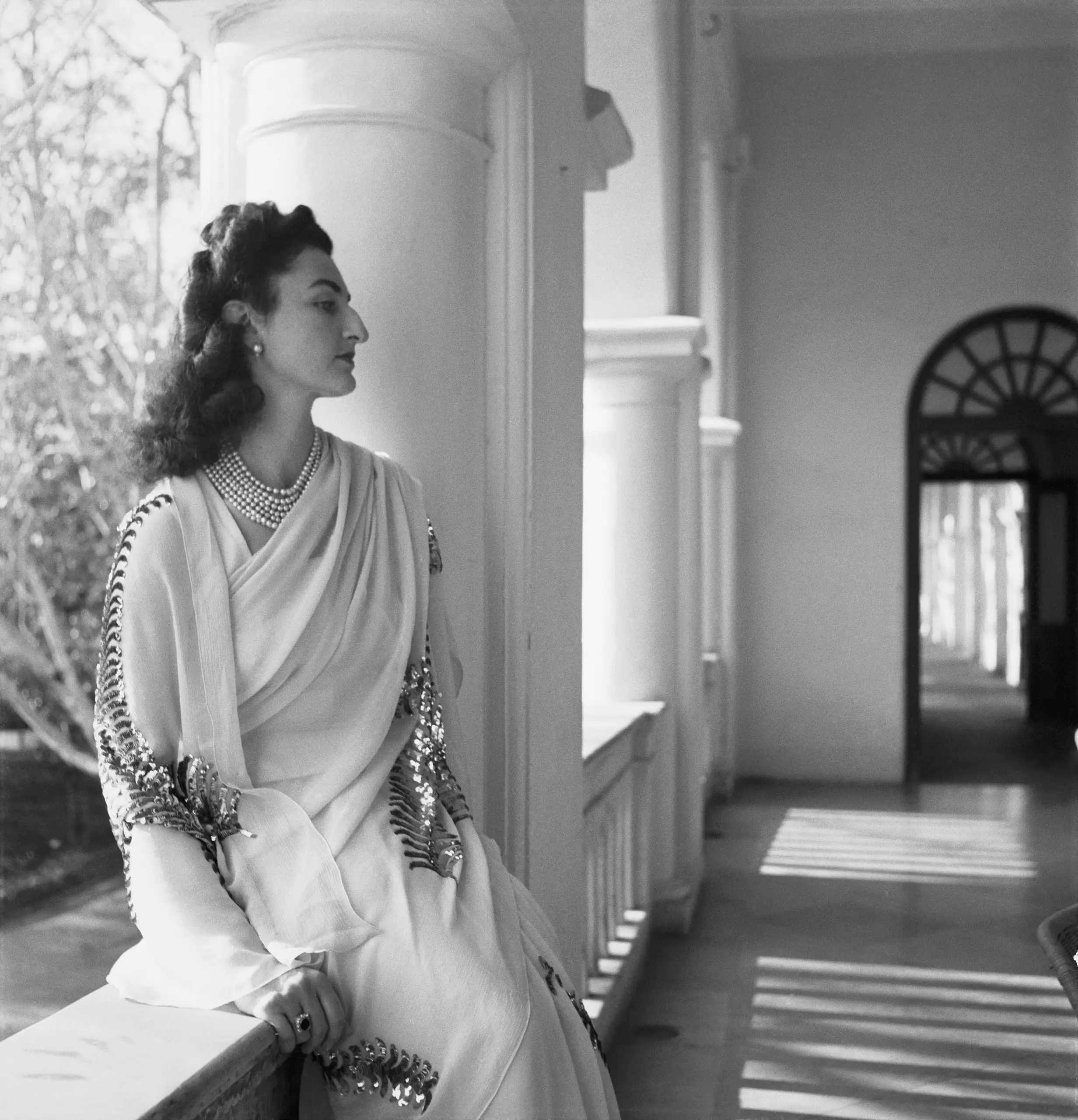
Dürrüşehvar Sultan
 Turkey
Also known as: Hatice Hayriye Ayşe Dürrüşehvar Sultan, Princess Dürrüşehvar, Durru Shehvar Durdana Begum Sahiba, Princess of Berar
Birthday
January 26, 1914
Birth Sign
Sagittarius
Birthplace
Üsküdar, Istanbul, Turkey
Age
Died at 92
About
Hatice Hayriye Ayşe Dürrüşehvar Sultan was the only daughter of Abdulmejid II, the last heir apparent to the Ottoman Imperial throne and the final Caliph of the Ottoman Caliphate. Born in Üsküdar on January 26, 1914, she navigated the collapse of a vast empire before becoming Princess of Berar through her marriage to Prince Azam Jah, the heir to the Nizam of Hyderabad. Her life spanned nearly a century, marked by exile, cultural diplomacy, and significant humanitarian work in India. Dürrüşehvar passed away on February 7, 2006, in Istanbul at the age of 92.
Early Life & Background
Her early years were defined by the precarious position of the Ottoman royal family following World War I. Born into the Çamlıca Köşkü pavilion in Üsküdar, she was the sole female child of the last Caliph. The abolition of the Ottoman Empire in 1922 and the subsequent end of the Caliphate in 1924 forced the imperial family into exile. Dürrüşehvar spent her formative years navigating this transition from imperial royalty to displaced persons, living in various European locations including Nice, France.
Despite the loss of their throne, she received a rigorous education in private schools across Europe. This upbringing allowed her to become fluent in Turkish, Arabic, French, and German while developing deep interests in literature, music, and painting. Unlike many contemporaries who faded into obscurity, her intelligence and grace made her a standout figure within the exiled community. Her pivotal moment arrived in 1931 when, while the family was still in exile in Nice, she married Prince Azam Jah. This union transformed her from an exiled princess into a central figure in Indian royalty, marking the beginning of her life in Hyderabad where she would spend the next several decades.
Career Growth
As a historical figure, Dürrüşehvar's career was defined by her roles as a princess, humanitarian, and cultural ambassador. Upon moving to Hyderabad in 1931, she became Princess of Berar and quickly immersed herself in the administration of the state. Her most significant achievement was the establishment of the Dürrüşehvar Hospital, later known as the Lady Durru Shehvar Hospital, which was dedicated to serving women and children. This massive medical facility reflected her commitment to healthcare and women's rights.
During World War II and the subsequent independence of India, she maintained a low profile while continuing her charitable work. She was instrumental in promoting women's education and health initiatives across the region, earning respect among both the Indian populace and the international community. A major turning point occurred in 1953 when the ban on members of the deposed Ottoman dynasty returning to Turkey was lifted. Dürrüşehvar visited Turkey for the first time since her exile, reuniting with her father and the Turkish people. After her return, she lived in relative privacy in Istanbul until her death, spending her remaining decades maintaining her connection to her heritage while supporting various cultural and educational causes.
Career Timeline
Public Image & Style
Dürrüşehvar Sultan is portrayed as a figure of grace, dignity, and resilience. Media and historical accounts emphasize her role as a cultural ambassador and humanitarian. She is often described as intelligent, pious, and committed to her family and country. Her image is one of quiet strength rather than flashy celebrity. Portraits by Cecil Beaton capture her elegance, often depicting her in traditional Ottoman and Indian attire. She is remembered for her ability to navigate the collapse of an empire and the rise of a new republic with poise.
Fame & Fandom
Dürrüşehvar Sultan remains a figure of historical significance rather than contemporary pop-culture prominence. As of September 2026, iFANN's Global Fame Engine has evaluated her profile, but she does not currently hold a placement in the published rankings, including the Global Top 1,000 or any Top-100 scope list. The absence of a numeric position reflects her status as a private historical figure whose influence is measured through archival preservation rather than viral engagement or commercial consumption signals.
The audience surrounding her memory consists primarily of historians, cultural enthusiasts, and descendants of the dynasty who engage with her biography through academic research and heritage documentation. There is no documented formal name for this group, nor are there organized fan rituals, chart-pushing campaigns, or social media interactions characteristic of a modern fandom. While recent commemorations of her birth anniversary have sparked interest among royal history blogs, these efforts remain within the realm of historical retrospection rather than fan-driven mobilization. Her most enduring narrative involves her journey from the Ottoman Empire to Hyderabad, where she dedicated her life to women's education and healthcare, establishing a hospital that bears her name. Unlike celebrities who generate iconic moments through public performance, her legendary status stems from quiet philanthropy and resilience during the dissolution of an empire.
Interesting Facts and Legends
Dürrüşehvar Sultan spoke four languages fluently: Turkish, Arabic, French, and German. She was also a proficient painter, producing landscapes and other works, a skill inherited from her father. A widely retold story concerns her pivotal role as a cultural link between Turkey and India, bridging two civilizations through her union with the heir to the Nizam of Hyderabad. Her establishment of the Lady Durru Shehvar Hospital in Hyderabad stands as a rare honor for a non-Indian royal, as the institution remains operational and bears her name. Her return to Turkey in 1953 was a significant event symbolizing the reconciliation between the new Turkish Republic and the exiled Ottoman family. Recent accounts also note her connection to the Masjid Ramadan in Hackney, London, which maintains links to Ottoman princesses.
Family & Personal Life
Dürrüşehvar was the only daughter of Abdulmejid II, the last Caliph of the Ottoman Empire, and Atiye Mehisti Kadın. Her relationship with her father was close, and she accompanied him during his exile. After his death in 1944, she continued to honor his memory throughout her life. She was married to Prince Azam Jah, the heir to the Nizam of Hyderabad, from 1931 until his death in 1953. They had three sons together: Prince Mukarram Jah, who succeeded his father as the Nizam; Prince Osman Bahadur; and Prince Ali Bahadur. She was known for her piety and dedication to her family. Ayse Osmanoglu, a descendant and author of "Palace in the Mist," has written about her family's history.
Notable Connections
Relationships & Dating History
Dürrüşehvar Sultan's romantic life is documented through the lens of royal protocol rather than modern dating culture. There are no records of pre-marital relationships or public flings, as was customary for Ottoman princesses of her station. In 1931, while the family was in exile in Nice, France, she married Prince Azam Jah, the eldest son and heir to the Nizam of Hyderabad. This union was arranged to strengthen ties between the Ottoman dynasty and the powerful Asaf Jahi dynasty of Hyderabad. They met in Nice during their family's exile, and the marriage evolved into a partnership based on mutual respect and shared duties.
The couple had three sons: Prince Mukarram Jah, born in 1933; Prince Osman Bahadur, born in 1935; and Prince Ali Bahadur, born in 1938. Prince Azam Jah died in 1953, leaving Dürrüşehvar a widow. Their son Mukarram Jah succeeded his father as the Nizam of Hyderabad. Dürrüşehvar remained widowed until her own death in 2006. As of 2026, she is deceased and was widowed at the time of her passing.
- MarriedPrince Azam Jah1931 - 1953Met in Nice, France; married to unite Ottoman and Hyderabad dynasties; had three sons.
Death & Aftermath
Died
February 7, 2006 (aged 92)
Death Place
Istanbul, Turkey
Cause of Death
Natural causes associated with old age
Dürrüşehvar Sultan passed away on February 7, 2006, in Istanbul at the age of 92. She had spent her final decades living quietly in the city after returning to Turkey in 1953 when the ban on the deposed Ottoman dynasty was lifted. Reports confirm she died from natural causes related to old age.
Funeral arrangements were kept private, consistent with the wishes of the Ottoman family and the traditions of the era. Specific details regarding the service, attendees, or the exact location of her burial remain unreported in public records, though it is believed she rests near other members of the imperial family in Istanbul. Public reaction included tributes from both Turkish and Indian communities, acknowledging her unique role as a bridge between two civilizations. Her legacy was further highlighted in 2015 when her portraits by Cecil Beaton were featured in an exhibition at the Pera Museum, and in 2024 when historians commemorated her birth anniversary.
Posthumously, Dürrüşehvar Sultan has been honored through various cultural and academic references celebrating her life and connection to both the Ottoman Empire and the Nizams of Hyderabad. Statements by the family regarding her estate were not made public, and the handling of her estate remains a matter of private family administration rather than public record.
Net Worth (Estate Value)
$0
iFANN Editorial Team estimate
As a historical figure who passed away in 2006, there is no active net worth calculation for Dürrüşehvar Sultan in the traditional sense. Her estate, like that of many historical figures, is managed privately by her descendants. Historically, her wealth derived from the assets of the Nizam of Hyderabad and the Ottoman imperial family. Posthumously, any revenue generated would likely come from royalties related to books, documentaries, or licensing of her name and likeness, though these figures are not publicly tracked. No credible financial sources provide a specific net worth figure for 2026 due to the private nature of her estate and the passage of time. iFANN currently estimates the value of her estate and legacy assets at approximately $0, reflecting the lack of public financial data available for historical royal estates of this nature.
Awards & Accolades
View 3 records, honours and achievementsKnown For
Ottoman Princess
1914 · Daughter of the Last Caliph
Princess of Berar
1931 · Royal Consort
Humanitarian Work
1940 · Founder of Lady Durru Shehvar Hospital
Keywords
Sources
Quick Facts
- Born
- January 26, 1914
- Birthplace
- Üsküdar, Istanbul
- Died
- February 7, 2006
- Death Place
- Istanbul, Turkey
- Gender
- Female
- Spouse
- Prince Azam Jah
- Birth Sign
- Sagittarius
Personal Details
- Full Name
- Hatice Hayriye Ayşe Dürrüşehvar Sultan
- Spouse
- Prince Azam Jah
- Children
- Prince Mukarram Jah, Prince Osman Bahadur, Prince Ali Bahadur
- Education
- Private schools in Europe
Frequently Asked Questions
Who was Dürrüşehvar Sultan?
When and where did Dürrüşehvar Sultan die?
What was Dürrüşehvar Sultan's most significant contribution?
Did Dürrüşehvar Sultan have children?
Why is Dürrüşehvar Sultan famous today?
Social Media
Similar People
Join the community
fans discussing